Exhaust after-treatment for heavy construction equipment
Text Roel van Gils Images Drive Line Systems
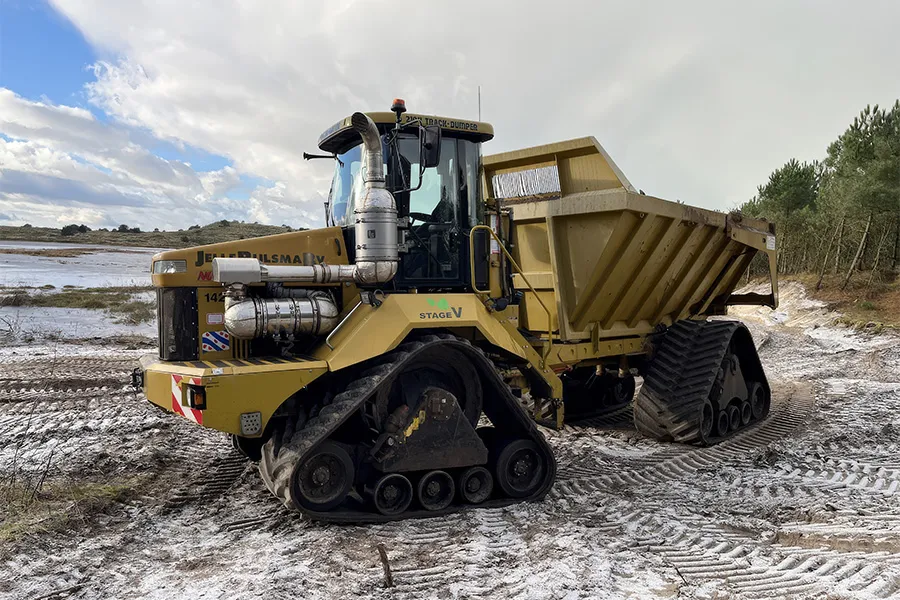
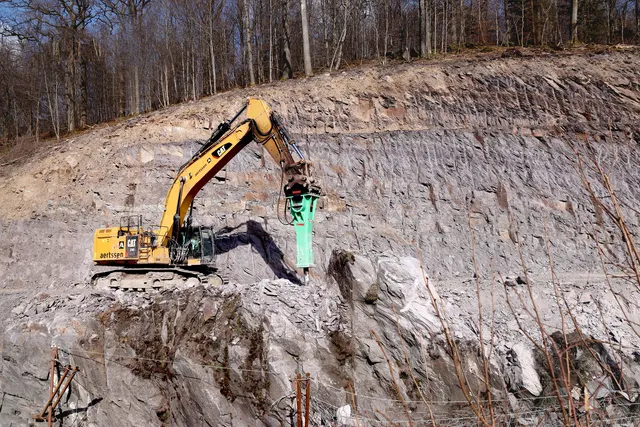
Construction and civil engineering projects often require the use of heavy equipment. Much of it runs on diesel, as no viable alternative powered by electricity or hydrogen is yet available. With a standalone exhaust after-treatment system, Drive Line Systems can upgrade heavy construction equipment from Stage II to Stage V. “If you then fuel it with HVO 100 biofuel, it may not be electric, but it certainly comes close,” says sales engineer Ronald Gideonse. “Taking advantage of the SSEB grant scheme can quickly make an exhaust after-treatment retrofit cost-effective.”
Drive Line Systems has been the official distributor of Allison Transmission in the Benelux for many years. “In addition to supplying and maintaining these Allison products, we also specialise in parts for complete powerpacks and drivetrains. We also contribute to electrification. We are working extensively on electric drivetrains and converting e-PTOs to run existing hydraulics electrically. We also build generator sets based on fuel cell technology, using hydrogen as an energy carrier, to charge electric machines in the field. There is still a long way to go between electric or hydrogen power and current practice, especially for large equipment. In specific cases, we cannot do without diesel. In that case, let’s make those diesel engines as clean as possible.”
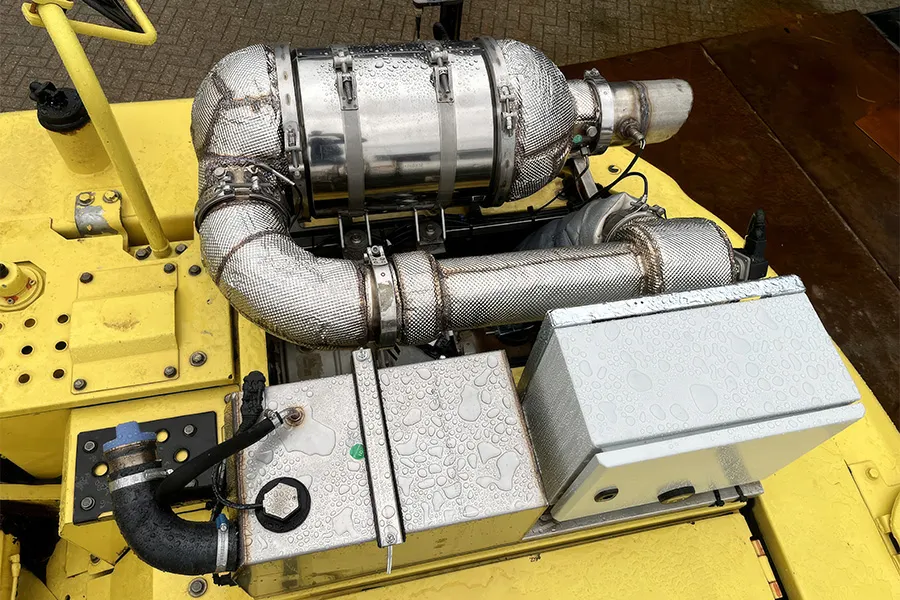
Modular system
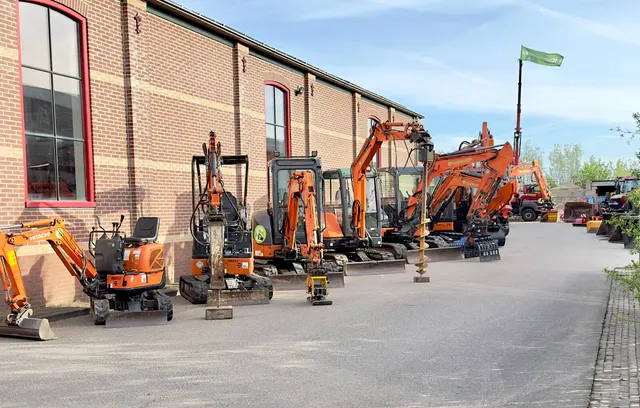
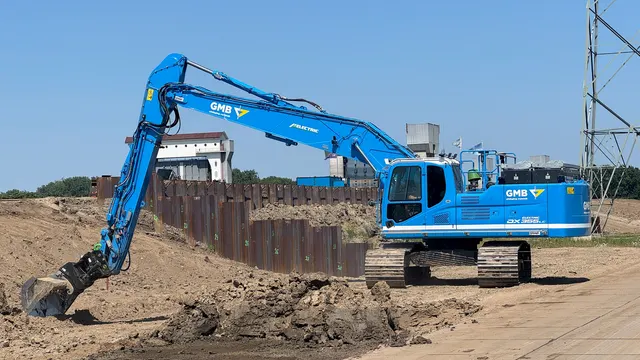
Drive Line Systems can fit excavators, dumpers, cranes, piling rigs, in short, all heavy construction equipment with large diesel engines of up to 1,500 KW, with a retrofit exhaust after-treatment system. “It is a fully standalone system with its own control equipment, so the machine itself remains untouched,” Gideonse stresses. “The exhaust after-treatment system replaces the silencer. The exhaust gases first pass through a particulate filter, then through the ‘mixing pipe’, where AdBlue is injected as a fine spray. The mixture then reacts in the SCR catalyst and is converted into harmless substances. The result: a 99 per cent reduction in CO2 emissions and a 90 to 95 per cent reduction in nitrogen emissions. That brings us to Stage V level. The system is modular, by the way. We can also use parts of the system. For example, a Stage IIIB engine already has a particulate filter, so we start at the mixing pipe and install an SCR catalyst.”
SSEB grant
According to Gideonse, the exhaust after-treatment system can be fitted to any large diesel engine. “For larger machines, it quickly becomes cost-effective, and on some projects you can’t do without it.” He also points to the ongoing subsidy scheme for Clean and Emission-Free Construction Equipment (SSEB). “The exhaust after-treatment retrofit is eligible for this scheme. It has barely been used so far, as 93 per cent of the funding pot is still available. The scheme reimburses around 25 to 30 per cent of the initial investment. That can quickly make exhaust after-treatment cost-effective.” At the upcoming TKD, Drive Line Systems will show a demo unit of the retrofit system. Those who have long since moved on from diesel engines will also find something of interest at its stand. The company will also show a fuel cell and an e-PTO setup.
Een zakelijke vraag aan DLS – Drive Line Systems? Get in touch
Companies in this story
Keep following this
Get an email when a new story is published. No account needed.
- ThemeConstruction equipment and transport in motion
- SubjectMachines & equipment
- CompanyDLS – Drive Line Systems