









With the sector, for the sector
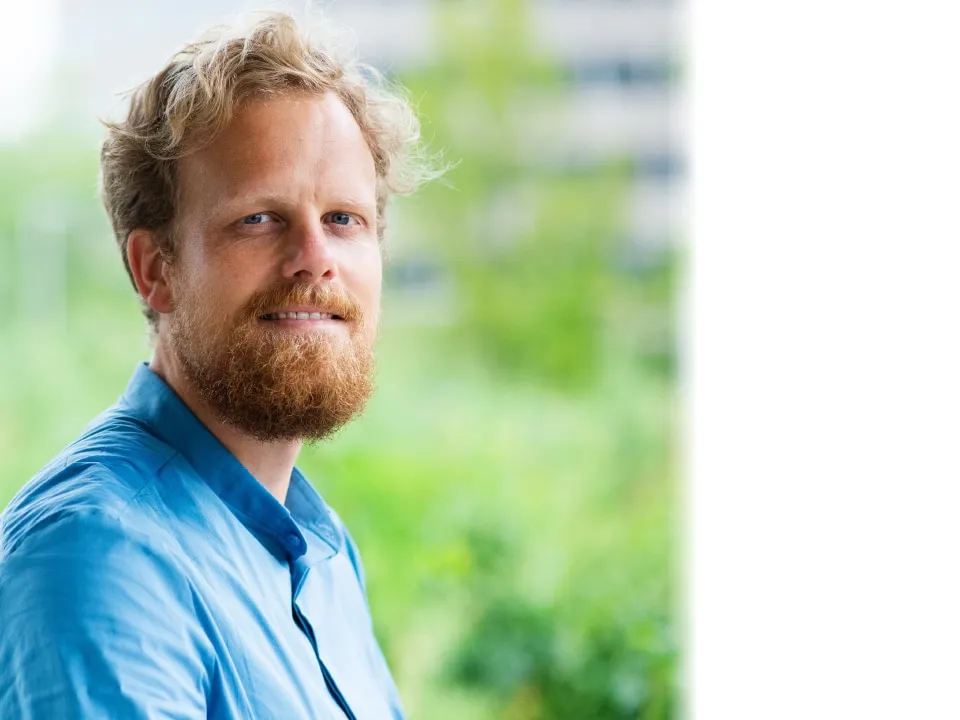
The Centrum Ondergronds Bouwen is committed to sharing knowledge across the underground, road and water engineering sector. A dedicated platform within the organisation focuses entirely on sustainability in underground construction. We speak to Onno Sminia, Sustainability Coordinator at COB, about sharing knowledge and supporting the sector.
“Last year, we launched a number of projects within the Sustainability platform,” Sminia begins. “First of all, the ‘Sustainability Checklist for Existing Tunnels’ was published. We developed the checklist together with the sector.”
Structural Health Analysis
“At Sustainability Day in 2019, we asked stakeholders for feedback on the first version of the Sustainability Checklist. We incorporated their feedback in an update, which was included in a second version in 2020. That version has now been incorporated into COB’s broader tunnel assessment approach, called Structural Health Analysis. So when assessing the condition of an existing tunnel, its sustainability is now considered too. The results of completing the checklist can provide a reason to take measures to improve sustainability,” Sminia says.
Sminia outlines the scale of the challenge facing the sector: “We all have a responsibility to take on. It is a major challenge, and sharing knowledge and working together are key.” The product is now being widely used, and a number of Structural Health Analysis assessments have already been carried out. “This is giving tunnel managers new insights, which may ultimately lead to action being taken.”
From theory to practice
A second project within COB’s sustainability platform is a think tank that helps with the sustainability section of the Structural Health Analysis. “Anyone with questions can come to the think tank to build their knowledge,” Sminia explains. “It is an excellent, practical initiative that helps translate theory into practice.”
In keeping with the other projects, the third project involves compiling a catalogue of measures to reduce energy use in tunnels. “It is a living document that anyone looking to reduce energy use can consult,” Sminia explains. “It is updated periodically, so it is always up to date. Innovations are mainly contributed by COB participants. We also receive many submissions from outside the organisation.” The fourth project focuses specifically on tunnel lighting, with the aim of reducing energy use in tunnels, since lighting is the largest energy consumer in a tunnel. “We have identified various areas for improvement and put forward research proposals intended to reduce the energy used by tunnel lighting. We are also looking for European partners for this work, which is why we are involved in ‘Beyond a Tunnel Vision’. The second European conference on tunnel renovation, this time held entirely online, took place on 27 November 2020. The common ground is reducing CO2 emissions and promoting circularity.”
Knowledge levels in the sector are rising
According to Sminia, sustainability is an issue that calls for consideration from multiple perspectives. “Do you know what else is sustainable? Asking yourself whether something is actually needed. ‘Rethink!’ is the motto. Sometimes people are determined to act sustainably, whether it is necessary or not. ‘Think smart’ is the guiding principle.”
Sminia says that knowledge levels in the sector are rising. “Everyone is working on it. Last year, we held three online Circular Summer Sessions. Together, we explored the subject of circularity, and this also led to a living document. It sets out existing knowledge, supplemented by new insights into circularity, including from well-established sectors. It was great to see the energy among the participants. There was a real willingness to work together and make progress on circularity. The most important thing, and always will be, is having motivated people behind all the plans.”
Finally, Sminia gives a glimpse of another ongoing project: developing a way to explore the residual service life of materials in the sector. “It is great to set something like this up together with the sector. After carrying out an initial exploration, we found that no less than 75% of participants were keen to get involved!”
Question about this story? Ask your question
Keep following this
Get an email when a new story is published. No account needed.
- ThemeUnderground construction
- SubjectUnderground infrastructure







