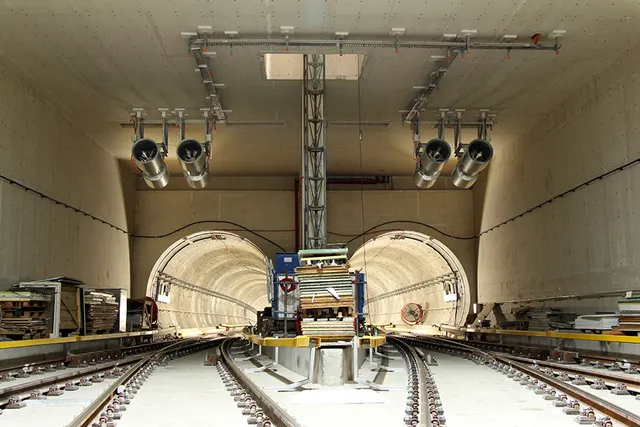
Urgent upgrade of tunnel technical installations in Betuweroute rail tunnels
Text Roel van Gils Image ICT Group
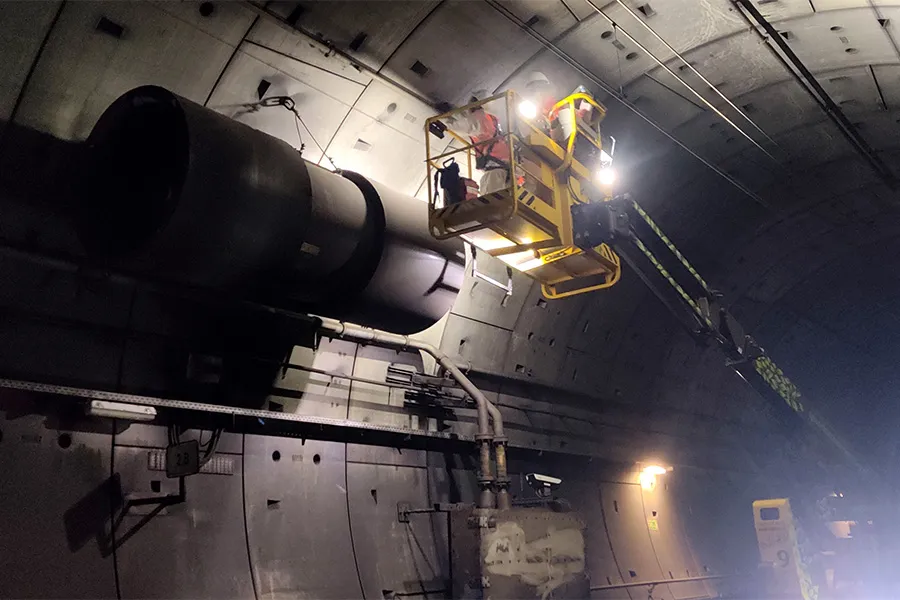
The tunnel technical installations in the five rail tunnels between Zee and Zevenaar on the Betuweroute have reached the end of their technical service life. In the first phase, the urgent upgrade, a number of critical components are being replaced. ICT Group is responsible for implementing the changes to the control and operating systems. And main contractor Strukton Infra Specials has good reason for choosing them…
“For projects like these, we take a partnership approach,” says Ron Pieterse, Project Manager at Strukton Infra Specials. “We have surrounded ourselves with partners we have worked successfully with for many years, including ICT Group, Krenvoord and Siemens. We have a close relationship and complement each other very well. Marco Plug, Business Consultant at ICT Group, is also familiar with these tunnels. Back in 2006, he was involved in their construction, setting up the operating and control systems. He has a wealth of knowledge at his fingertips. It’s great to have him on board. ICT Group also excels on the technical side of this project.”
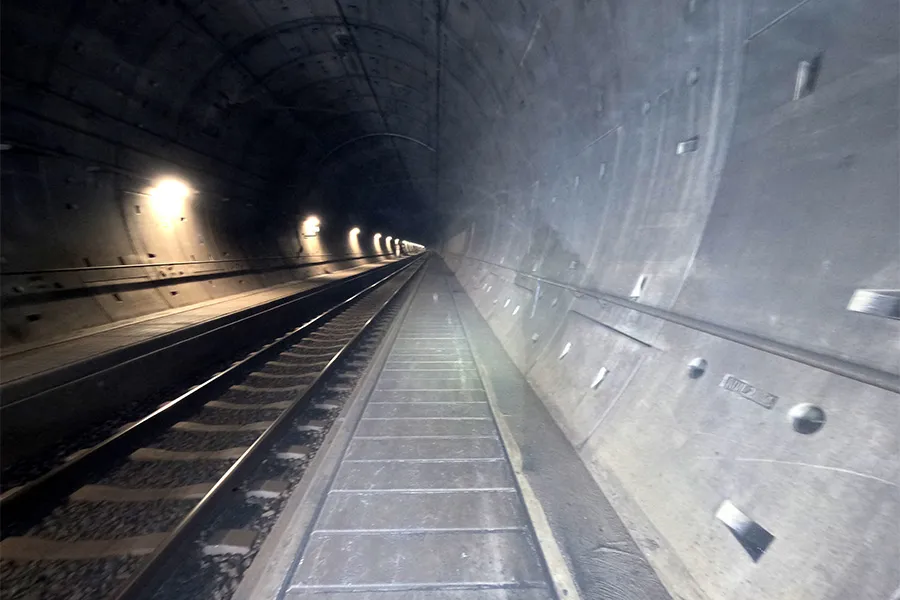
Thermal cable
The five tunnels covered by the urgent upgrade in phase 1 are the Botlektunnel, Sophiatunnel, Giessentunnel, PanKantunnel and Zevenaartunnel. The installations were commissioned around 2006, and the most critical components are being replaced first, as no other risk-control measures could be implemented for them. “This is a freight railway, so the way emergency scenarios are handled differs slightly from passenger transport. The tunnels have a sprinkler system to extinguish fires on trains and protect the tunnel,” explains Plug. “Any rise in temperature is detected using thermal cables, fibre-optic cables with multiple detection units in each tunnel that measure the temperature every 15 metres. The detection units are almost twenty years old and have therefore reached the end of their technical service life. In addition, ProRail has amended its fire protection design requirements document (UPD), which sets out how the systems should function. This requires a software change.”
Even greater uniformity
During the tender and detailed design phases, ICT Group assessed the impact of the new components on the control system and prepared implementation designs for the necessary software modifications. “A functional change was also required within Siemens’ scope,” says Plug. “In addition, a series of analogue sensors, including those for pressure measurement and level detection, had to be replaced, which also affects the control system.” Pieterse adds: “When the five tunnels were first built, ProRail aimed for as much uniformity as possible at component level across the operating and control systems. With this urgent upgrade in phase 1, we are taking things a step further. Technology has also improved significantly over the years. For example, we are now using sensors from the same product range, so if one fails, a replacement can simply be taken off the shelf. This also makes management and maintenance easier.”
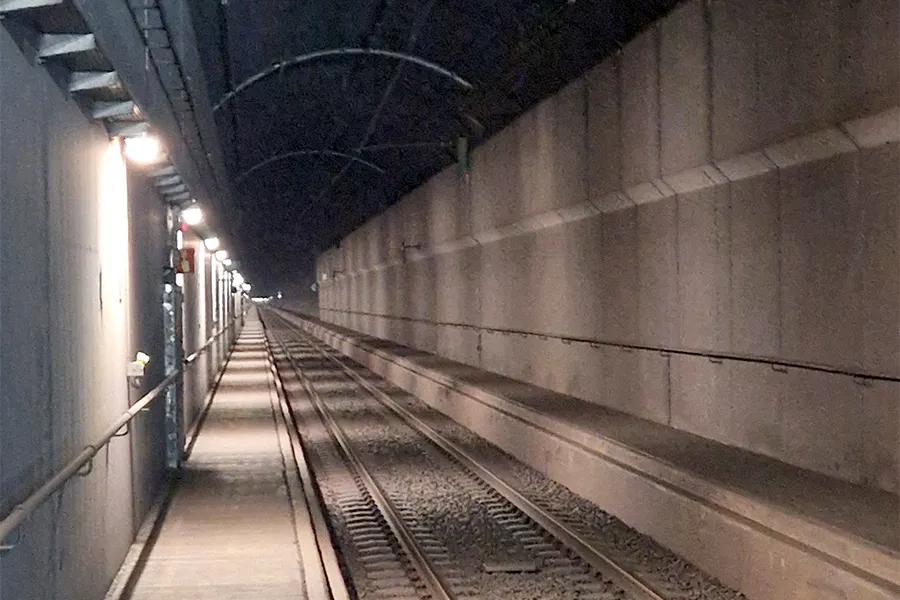
FAT and SIT
According to Pieterse, what makes this project special is the close cooperation between all parties, from the design phase through to testing and commissioning. An integrated test protocol is followed, from the Factory Acceptance Test (FAT) to the final on-site SIT (System Integration Test), which is carried out under the supervision of a certification body. After the acceptance tests, ICT Group worked with Strukton and Rockwell Automation to implement the changes in the tunnels during a number of rail possession periods. “Planning these works requires a great deal of coordination, collaboration and communication,” says Plug. “During the system integration test, we also have to demonstrate to the certification body that the entire fire detection and suppression principle works properly. The thermal cable is actually heated on site to check that the correct valves are activated.”
Phase 1, the urgent upgrade, has now largely been completed, with a few software components still to be replaced. Once that has been done, ICT Group’s Managed Services division will take over. It will manage and maintain these five Betuweroute tunnels, along with ten other rail tunnels. “The contract for phase 2 has now also gone out to tender. It covers the replacement of the lighting and gas detection systems. We will be working together with all the phase 1 parties on that as well,” Pieterse concludes.
Question about this story? Ask your question
Keep following this
Get an email when a new story is published. No account needed.
- ThemeUnderground construction
- SubjectUnderground infrastructure