









The Key Register of the Subsurface (BRO) in practice
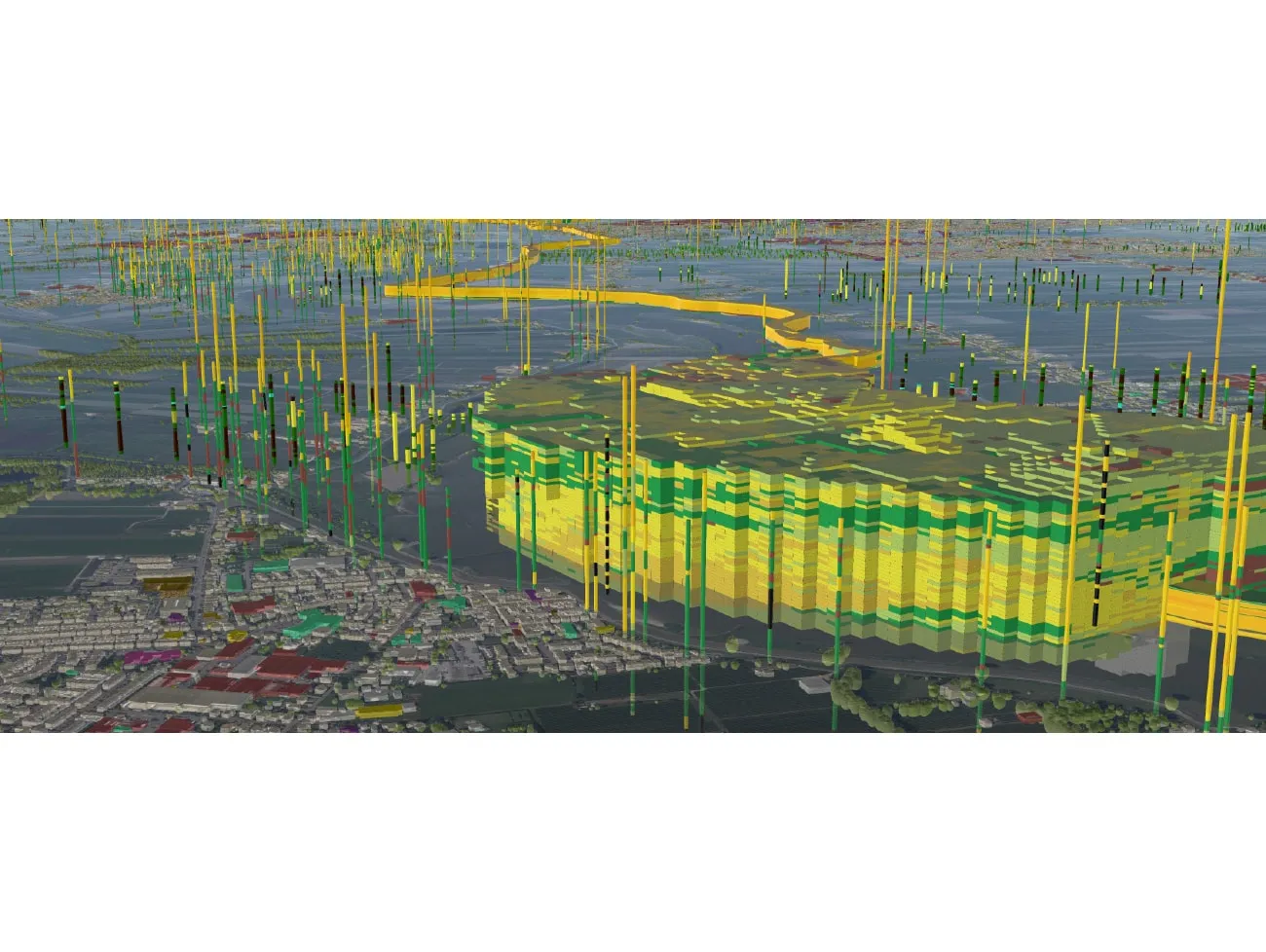
The Key Register of the Subsurface Act (BRO) came into force on 23 September 2015 and has been expanded in stages ever since.
According to Kees-Jan van der Made, chair of the Association of Geotechnical Site Investigation Companies (VOTB), it is a real game changer for the geotechnical market. “The BRO gives all parties involved, including the Dutch state, which has invested taxpayers’ money in it, the opportunity to benefit from the centralised, standardised database.”
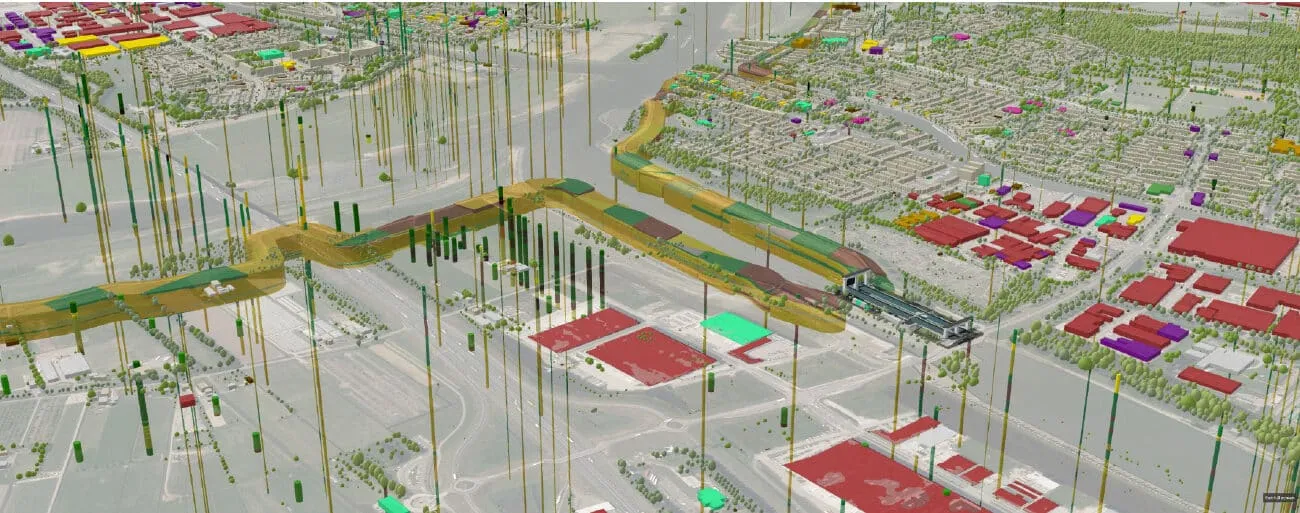
“Among other things, the BRO establishes that public authorities have a statutory duty to submit, use and improve data on the subsurface,” explains Van der Made. “Since its launch in 2015, the Key Register of the Subsurface has been expanded in stages to include geotechnical data:
- 1 January 2018: geotechnical cone penetration tests and groundwater monitoring wells;
- 1 January 2020: geotechnical borehole sample descriptions and borehole sample analysis 1;
- 1 January 2021: groundwater monitoring networks and groundwater level surveys;
- 1 July 2021: geotechnical borehole sample analysis 2;
All this geotechnical data is available digitally to everyone in well-documented XML formats, and the BRO is being populated at an increasing pace by its data suppliers, including ground investigation companies.
Lower costs, higher quality
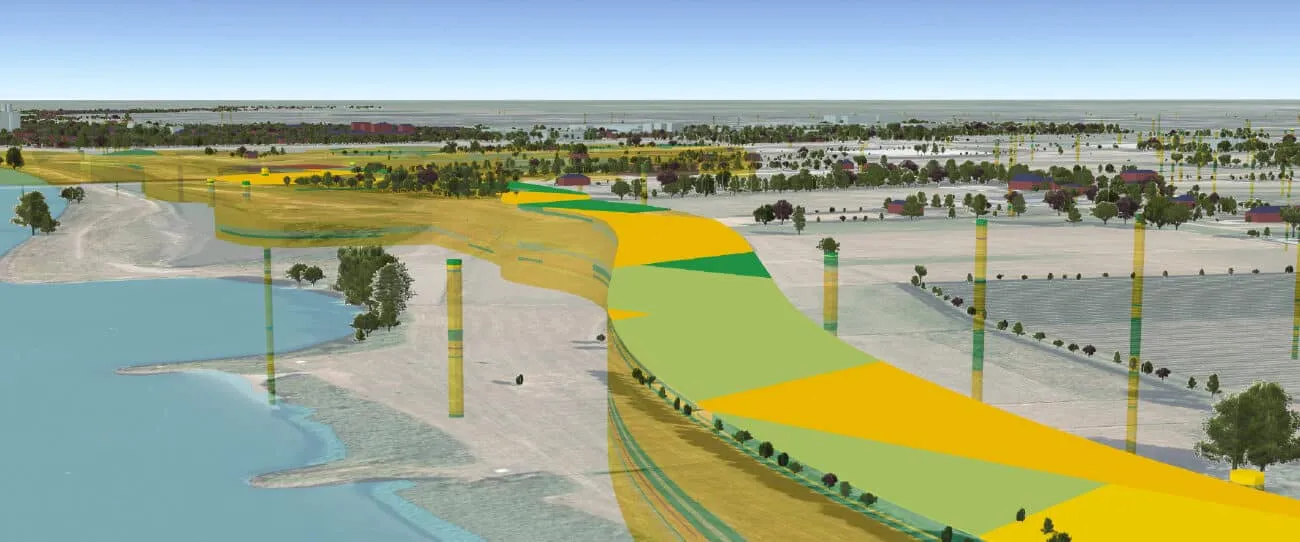
The BRO is therefore a real game changer for the geotechnical market. “It leads to lower costs for gathering information and better-quality decisions. By design, the BRO facilitates the reuse and enrichment of data for data-driven decision-making, advanced analysis, subsurface modelling and digital twins. Looking around us, we see some great initiatives and examples that demonstrate the BRO’s potential. But there is still work to do,” says Van der Made. “Aside from the early adopters, there are also users who were slow to make the switch, some of whom are still working with GEF formats. To facilitate the transition from GEF to IMBRO, the BRO programme previously made a GEF converter available for cone penetration tests and maintained it. This support is being withdrawn, which means that the transition from GEF to IMBRO really does need to happen in 2021.”
New applications are on the horizon
The BRO therefore plays an important role in the digital future of geotechnical engineering in the Netherlands, Van der Made concludes. “The BRO also offers a useful basis for new developments and products internationally. European funding is available for digital twinning, and a great deal of work is being done on automated calculations and the use of AI. These are all data-intensive applications to which data and information from the BRO can make a fundamental contribution. After all, the data in the BRO is standardised, high quality and becoming ever more comprehensive, opening up new areas of application. Alongside the practical use of digital geotechnical data from the BRO and other sources, there are other aspects that require attention, research and coordination. These include:
- How to weigh historical digital data when reusing it;
- The changes to standards (Eurocode) needed to make the most of large datasets;
- Making subsurface uncertainties visible in 3D, and establishing socially acceptable levels for different categories of structures, together with a socially responsible allocation of risk between the client and the contractor;
- Verifiability of complex calculations, use of validated calculation engines, and digital formats for the decision trees applied in these calculations.
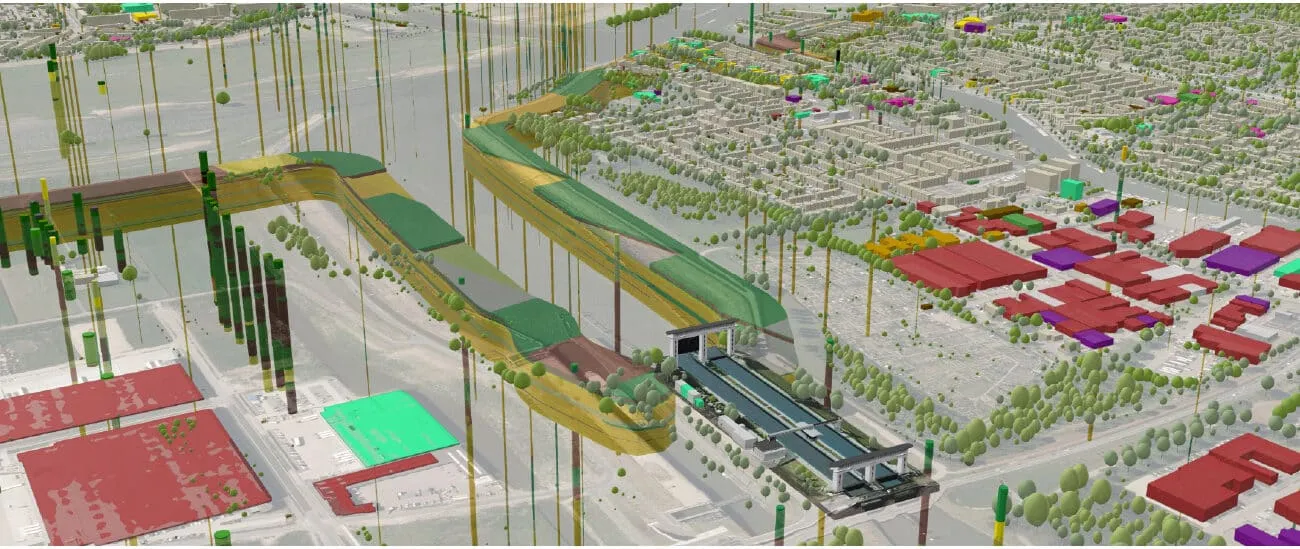
All in all, these are some very interesting developments that still need to be taken further, but which offer major opportunities for the civil engineering sector. The BRO can make a significant contribution as a shared data source. However, this will only succeed if digital subsurface data (BRO) is brought to life through everyone using it together and continuing to add to and enrich the data.”
Question about this story? Ask your question
Keep following this
Get an email when a new story is published. No account needed.
- ThemeUnderground construction
- SubjectUnderground infrastructure







