









Solving complex underground puzzles for more than a quarter of a century
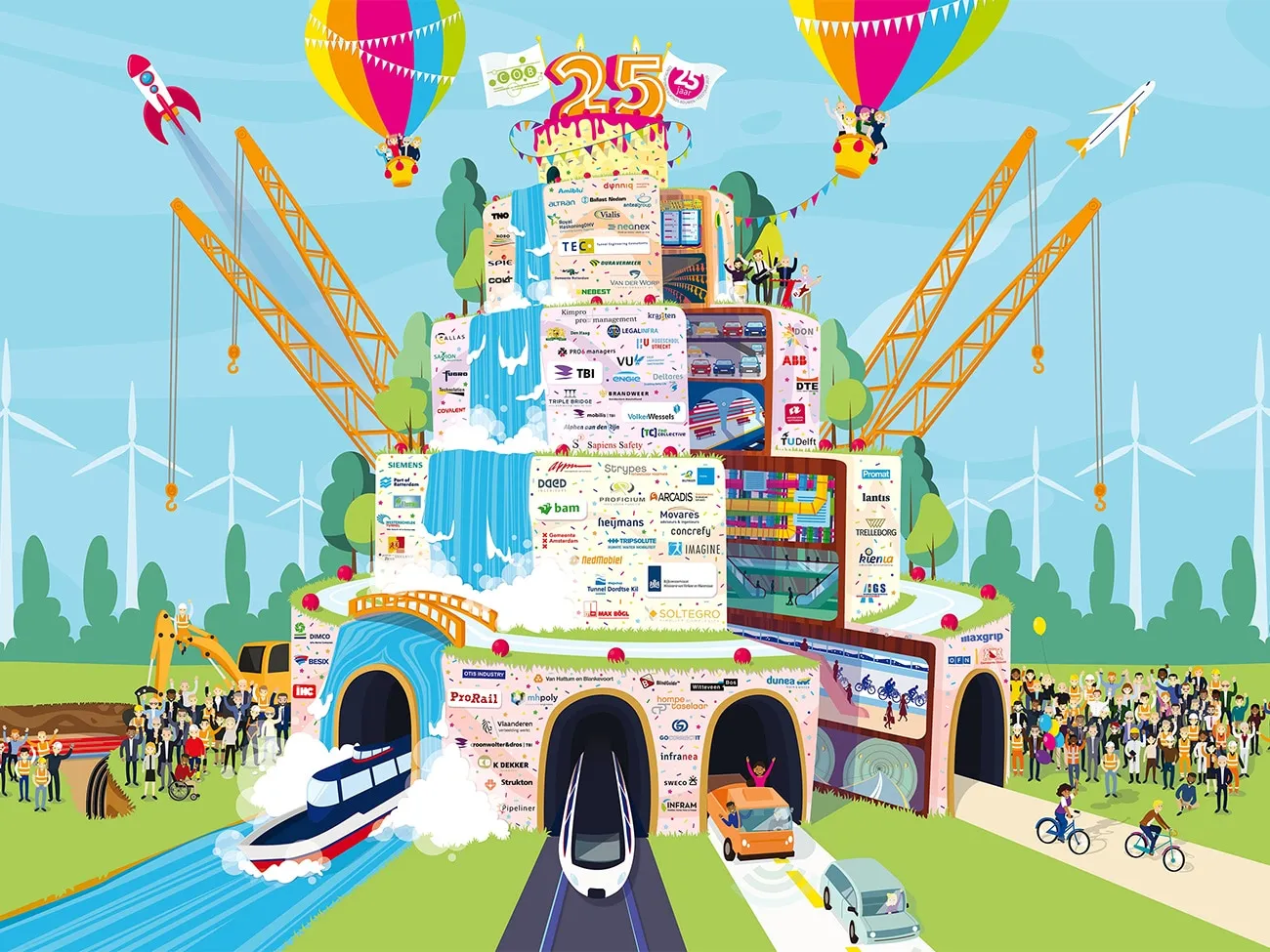
When COB was founded 26 years ago to address the backlog in bored tunnels, with the Noord/Zuidlijn as a beacon on the horizon, the challenge was primarily a technical one.
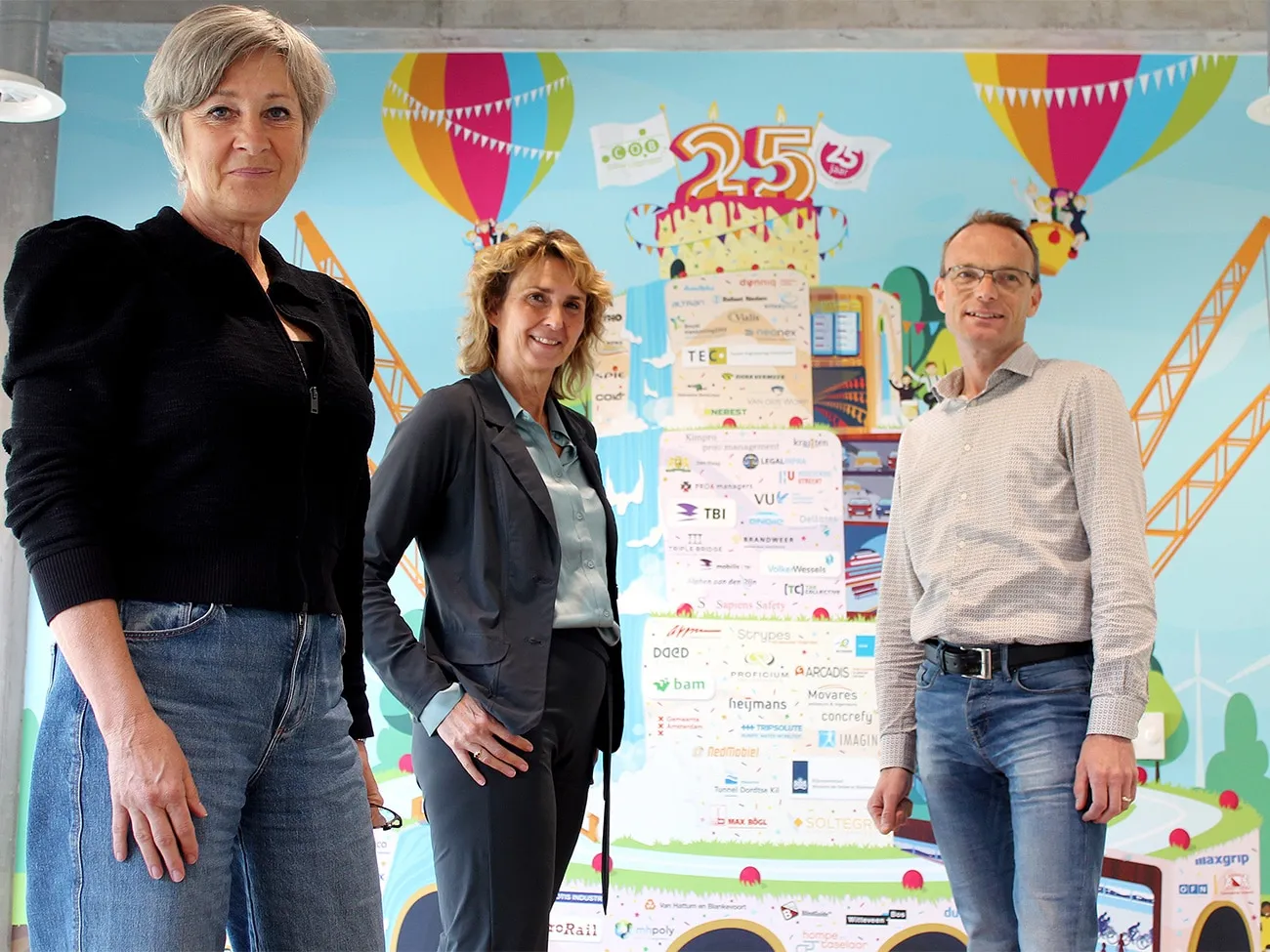
Karin de Haas, director of COB, says: “The soft ground meant that the Noord/Zuidlijn would pose a challenge involving complex puzzles. We could only find the right solutions by joining forces. Later, the challenges broadened, not only within the tunnelling sector, but across the entire COB network. Parties also need each other when it comes to cables and pipelines, so COB has a role to play there too.”
Wide-ranging themes
Today, as a knowledge centre, think tank and catalyst, COB is an indispensable part of the underground infrastructure sector. “The challenges across all underground disciplines are significant at the moment,” Karin continues. “Road tunnels, which are almost all due for replacement or renovation because of their age. The big questions surrounding the energy transition, climate adaptation and urban densification, with all the consequences for underground cables and pipelines. The role of digitalisation … At COB, we act as a hub connecting all these strands.”
“Sharing and developing knowledge are essential for the network, especially on some ‘new’ topics,” says Karin. “For example, we have several projects on sustainability underway; this is a very topical issue in the tunnelling sector. Digitalisation also naturally plays a major role today, but what does that mean in practice, for asset managers, for instance? By working together intelligently on topics like these, everyone ultimately benefits. In fact, given the breadth of these topics, we will not make progress without the right collaboration.”
Value
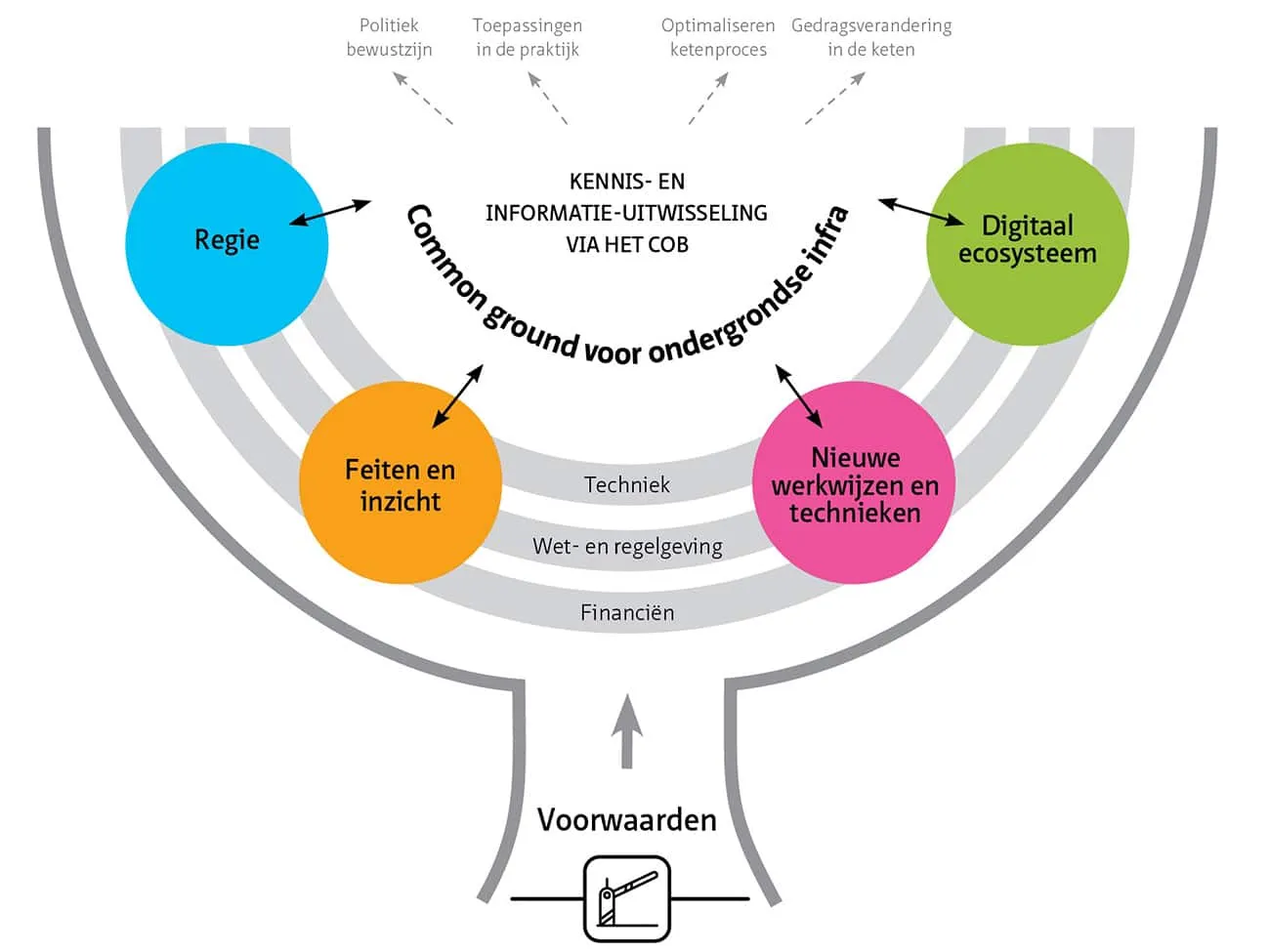
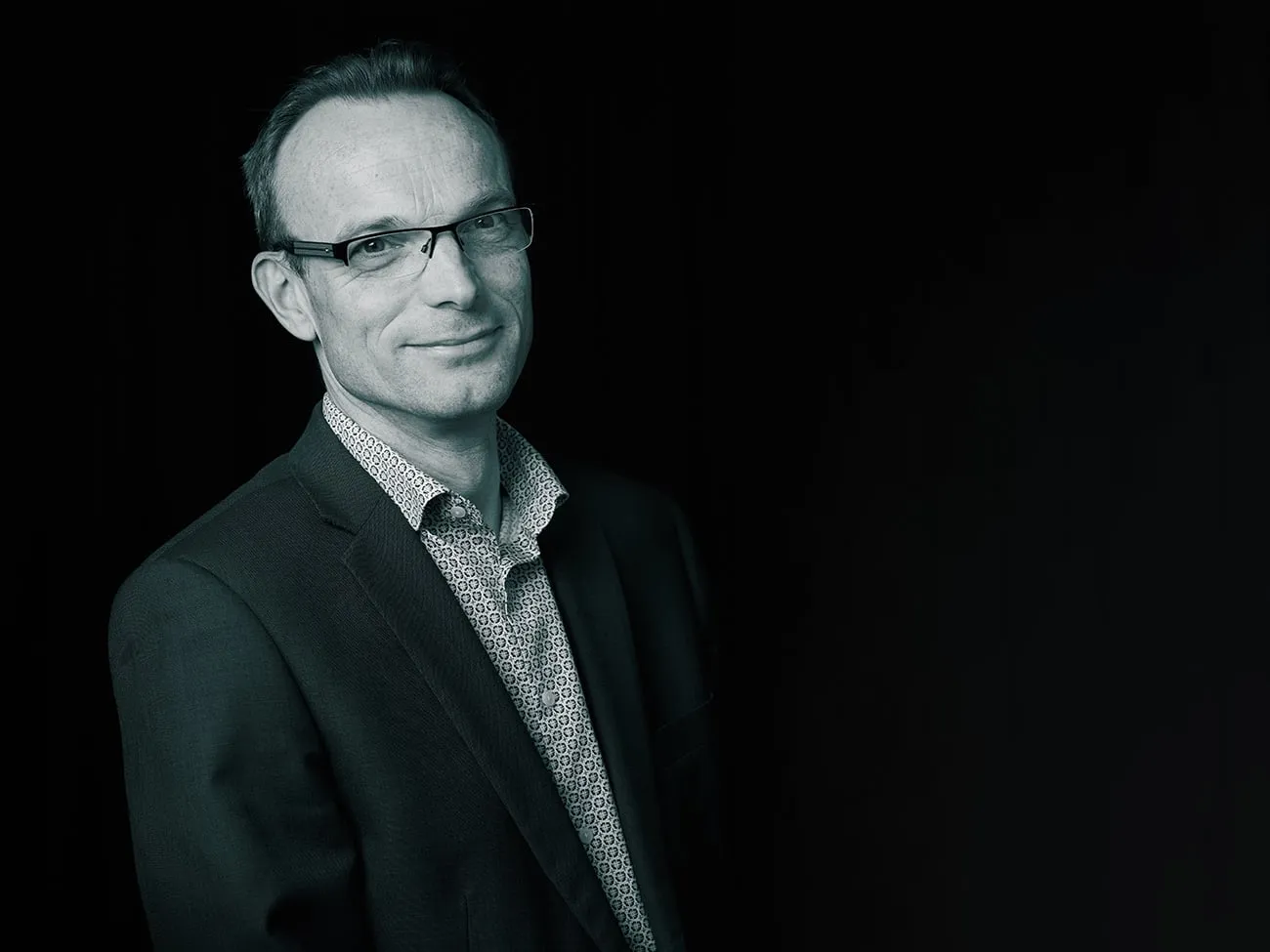
Gijsbert Schuur has worked for Antea Group for more than 25 years as a senior consultant specialising in soil, the subsurface and the energy transition. Since 2017, he has also been a coordinator at COB. Among other things, he leads the Valuable Use of Underground Space platform. Gijsbert says: “Like sustainability, value is an overarching theme that crops up in many areas. Underground construction is often dismissed as expensive, but if you look at the whole picture, including the gains in spatial quality and liveability, it is very much open to question whether that is true.”
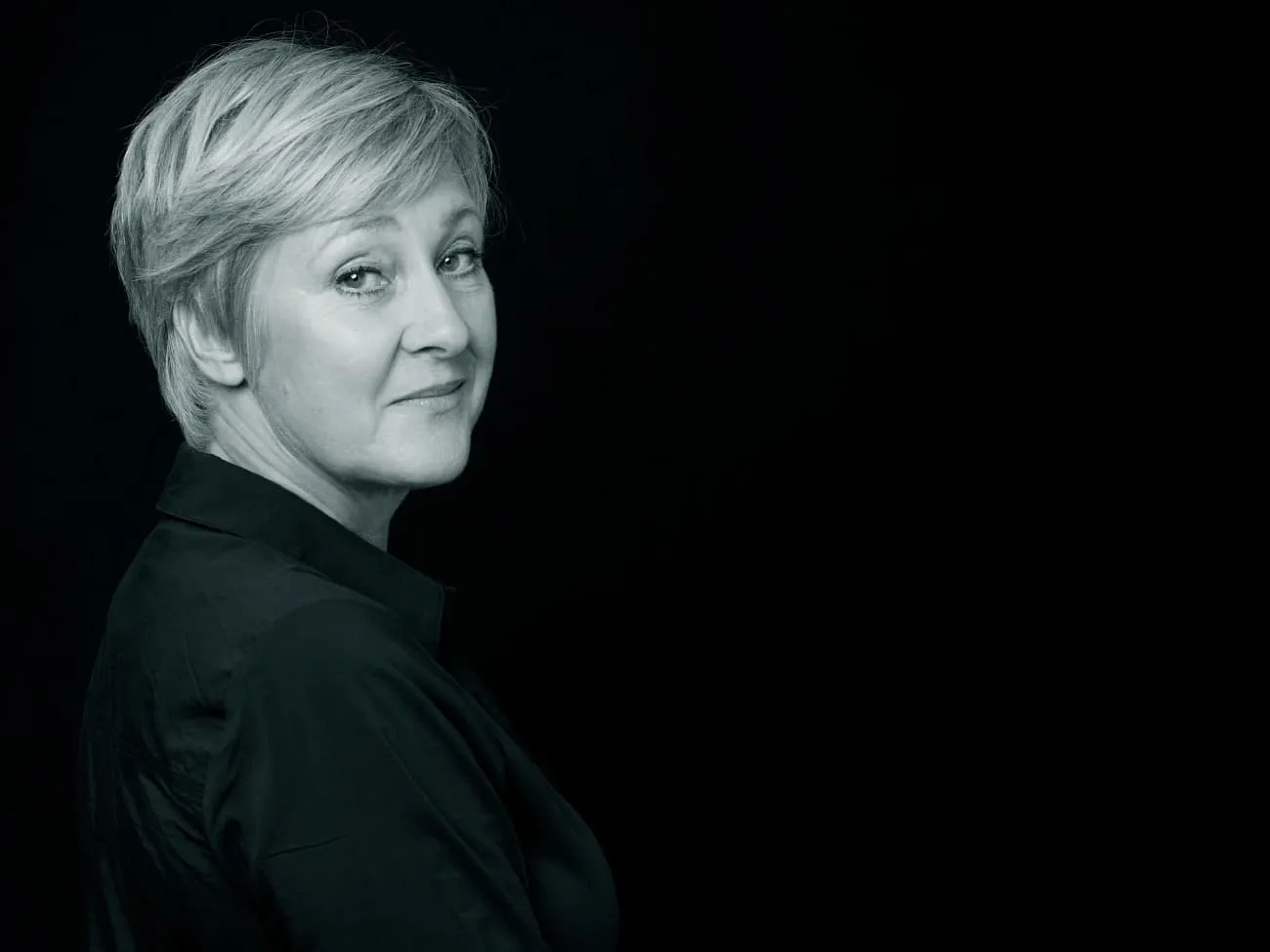
“COB is not a lobbyist for underground construction,” adds Edith Boonsma. She has worked at COB since 2009 and is primarily involved in the Cables and Pipelines focus area. “We want underground construction to be given fair consideration when solutions are being developed for a spatial problem. That requires more knowledge: knowledge of technology, collaboration, policy, project management and human behaviour. All of these feature in COB projects.”
It is also about cross-fertilisation between disciplines. Gijsbert says: “The Visie ontwerpende aannemers project, for example, is designed to do just that. Through it, the COB network wants to show what value contractors can add to underground construction.”
Trust and behaviour
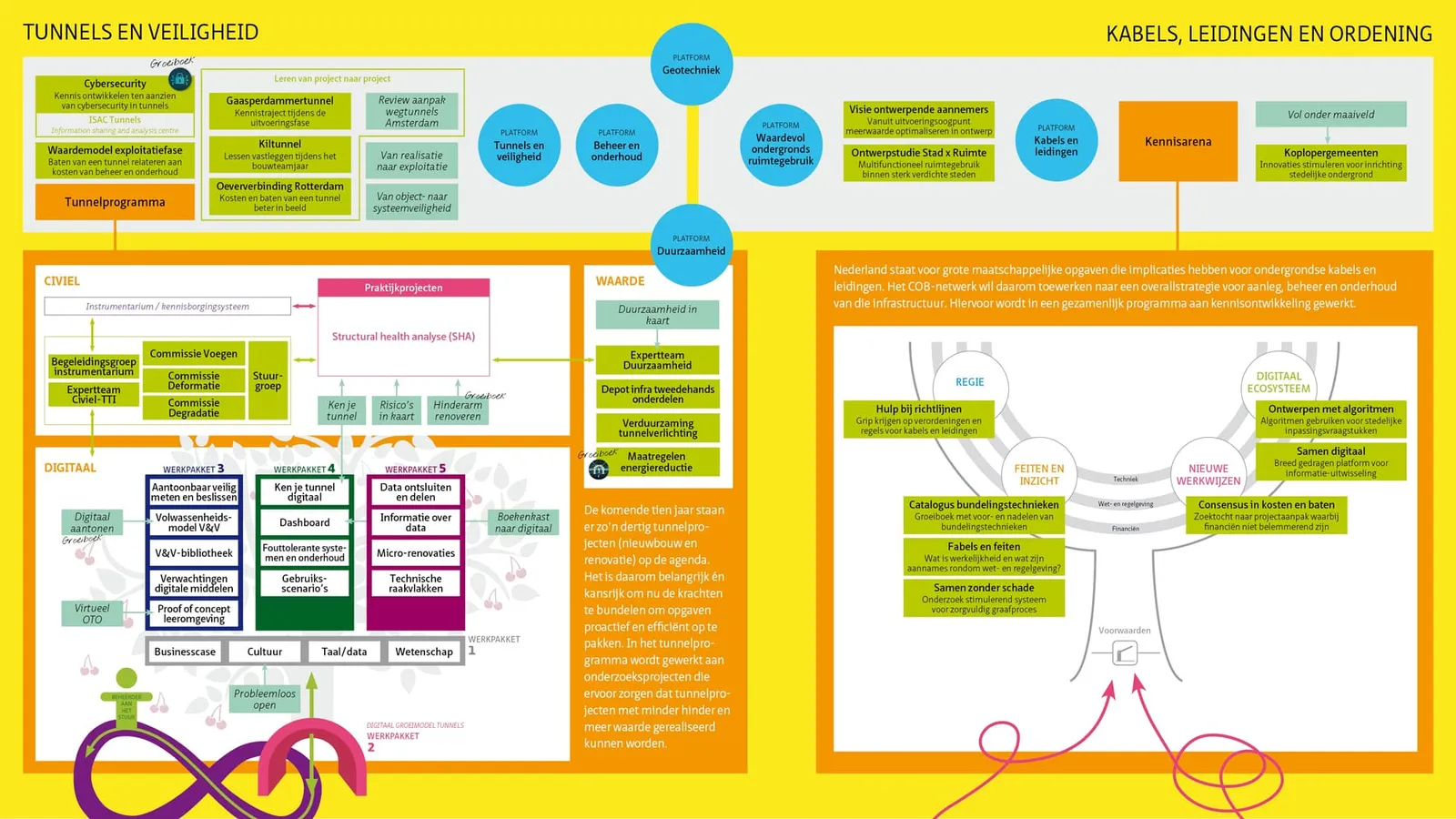
Edith is also programme manager of the Kennisarena kabels en leidingen. Edith says: “When it comes to installing or modifying cables and pipelines, every party has different interests. Those interests often conflict, but the parties need each other to deliver the energy transition, replacement programme and climate agenda; they recognise that. Privatisation has left everyone with their own infrastructure network, working in isolation. Everyone understands that things could be more efficient, and must be! This has become very clear over the past two years in particular. The Kennisarena brings parties together. They share knowledge and experience and work together on solutions that can help everyone. Working together is how we get where we want to go. There is also an increasing focus on behaviour, which often turns out to be the crux of the matter. That is why behavioural scientists and anthropologists are increasingly being brought into research projects.”
Karin adds: “A good example is the Samen zonder schade project. Despite all kinds of rules and tools for careful excavation, a great deal of excavation damage still occurs. So the question now is why people behave the way they do. A game has been developed to simulate real-life conditions, allowing a behavioural psychologist to analyse what happens and suggest effective interventions.” Edith gives the example of whether or not a ground investigation is carried out for a project: “Suppose no preliminary investigation is done and contamination or an unexpected cable is found underground. Is it fair to hold the last link in the chain responsible?” Karin says: “By getting professionals to examine behavioural processes, we hope to gain a better understanding of them. Once you understand why, you can influence behaviour positively.”

Less talk, more action
“We need to turn intentions into action,” says Edith. “There is a lot of talk about collaboration, and in discussions everyone agrees that working together is the right way forward. In practice, however, very little comes of it. We need to make sure it does not stop at promises, but leads to real action.” Karin agrees and says: “That is why we set concrete objectives at COB. We programme research over the longer term, but break it down into manageable chunks so that working groups can celebrate a success every year.” Gijsbert stresses that the vast majority of participants take part free of charge: “We make sure everyone can share in the knowledge and participate. Learning by taking part, that is COB’s motto.”
Question about this story? Ask your question
Keep following this
Get an email when a new story is published. No account needed.
- ThemeUnderground construction
- SubjectUnderground infrastructure







