









SGS can make a significant contribution to greener energy and the energy transition
Text Susan Peek Beeld Canva
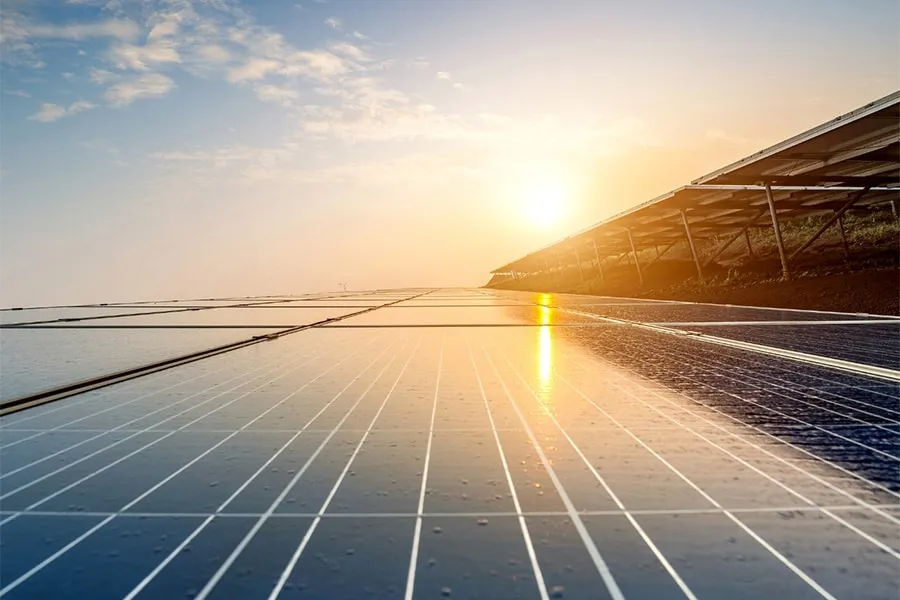
The Dutch government wants to reduce CO2 emissions by switching to sustainable energy. In other words, moving away from natural gas and upgrading the electricity network. This is no easy task. It requires specialist knowledge and expertise, which is exactly what SGS Roos+Bijl offers.
The company specialises in designing sustainable and safe underground (and above-ground) infrastructure for projects of all sizes. “The energy transition is primarily about reducing the use of natural gas. This can be achieved through green gas, electrification and district heating networks,” says John Daamen, sales manager at SGS Roos+Bijl. “SGS offers a range of services, including route engineering and coordination for installing, diverting or modifying cables and pipelines. We also help network operators with electrification and provide support in the early stages of district heating network projects.”
Complex challenges
John explains that adapting existing pipeline infrastructure involves a great deal of work. “Our underground infrastructure in the Netherlands consists of all kinds of cables, pipes and pipelines. Modifying and rerouting them raises some complex challenges, where we can put our expertise and experience to good use.” What happens, for example, if you lift an existing pipeline and reroute it to a hydrogen plant? Are the pipelines suitable for transporting a different product? What about the pressure load? Can the pipes be connected, and how can everything be made to fit? These are all questions SGS knows how to answer.
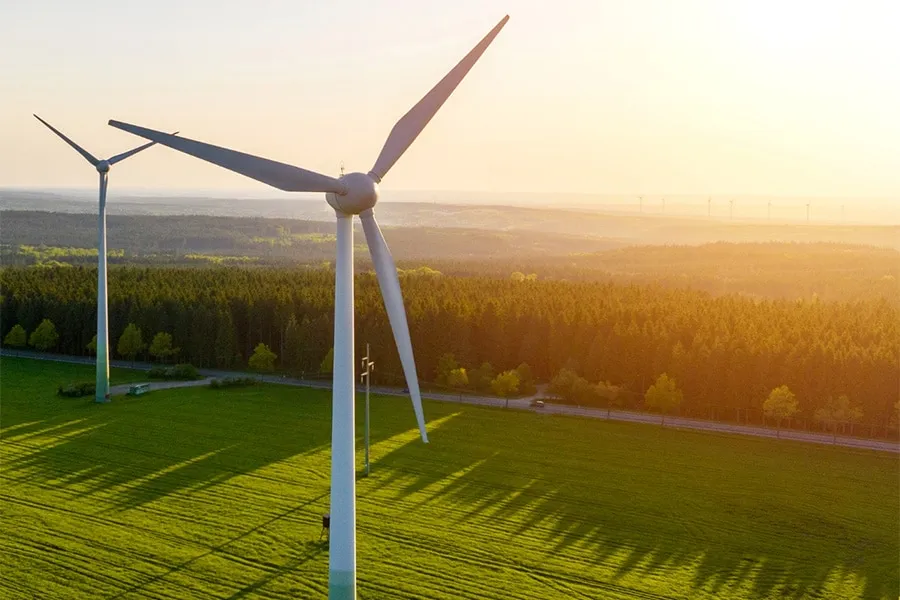
Knowledge and expertise
“We’re not the company you call in when you need extra pairs of hands,” John stresses, “but rather for our knowledge and expertise. Using advanced technologies, we devise innovative solutions, with safety and sustainability at the forefront.” Alongside its many years of experience in underground infrastructure, SGS believes it is important to invest continually in the latest developments in the field. “Our people recently completed the latest course in PLE (pipeline engineering) calculations, ensuring that this knowledge is fully up to date too.”
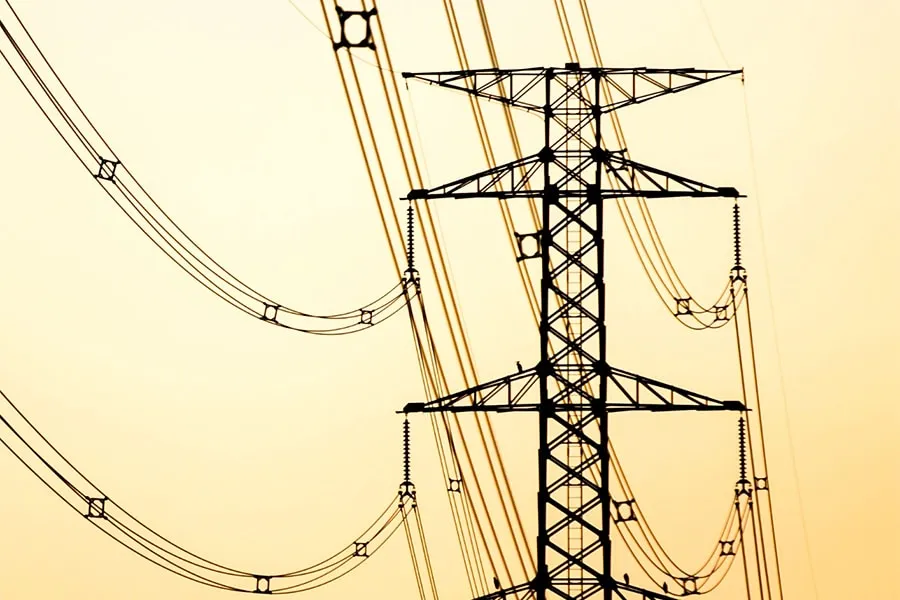
Upgrading the electricity and gas networks
“We’re already working on upgrading the electricity network,” John continues. “We’re also in advanced discussions with a major party about contributing to the large-scale energy transition of the gas network. We’re already taking steps towards the design phase, such as investigating cable routes, so we know what we’re up against and what the possibilities and challenges are. We’re also working across the border, on the Ring of Antwerp (B), and supporting projects to strengthen dykes, which also require the necessary cables and pipelines to be rerouted. In this way, we’re working together to build the underground infrastructure of tomorrow,” John concludes.
Question about this story? Ask your question
Companies in this story
Keep following this
Get an email when a new story is published. No account needed.
- ThemeUnderground construction
- SubjectUnderground infrastructure
- CompanyRoos Groep







