









Risk management and monitoring in underground construction?
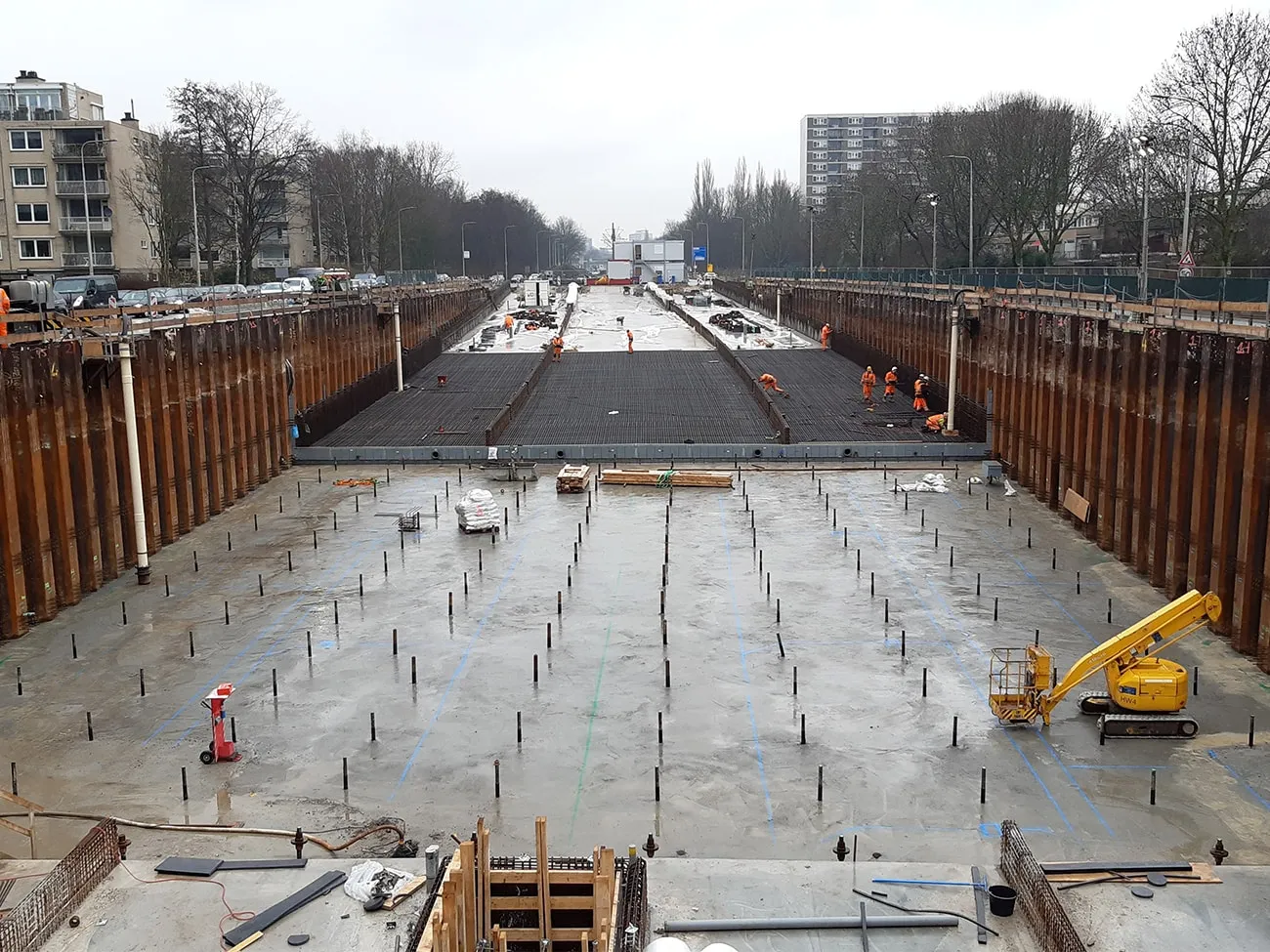
In our small, densely populated country, space above ground is becoming increasingly limited. This means that more and more construction is taking place underground, often in complex geotechnical and hydrogeological conditions. In an increasingly crowded environment, more and more is happening, with ever greater consequences. But how can you ensure effective risk management and monitoring for earthworks and underground construction projects? According to Aveco de Bondt, the key lies in digitalisation and the use of information, underpinned by specialist technical and practical expertise.
Digitalisation and specialist technical and practical expertise provide the answer
An interview with Maarten Kuiper (principal expert, water and subsurface) and Wouter Kooijman (specialist and team leader, Dewatering, Foundations & Monitoring). Both work at Aveco de Bondt, having previously worked at Wareco, which since November has operated under the name Aveco de Bondt alongside Primum, Aveco de Bondt and Compositie 5 Stedenbouw. Aveco de Bondt is an independent consultancy that designs, investigates and advises.
Turning complexity into balance
“Building underground means working in a demanding environment with vulnerable buildings and infrastructure,” says Kuiper. “Construction is increasingly taking place in smaller spaces and close to existing buildings. The growing congestion underground also means increasing risks. For the construction of building pits, new energy pipelines and flood defences, as well as sewer replacement, the complexity lies not only in the construction site and the subsurface itself, but certainly also in the surrounding area,” Kuiper observes. “You have to deal with residents who are increasingly prepared to speak up, stricter regulators and asset managers. It is then a matter of maintaining a balance between what is best for the project and what is best for the surrounding area. How? Through collaboration and digitalisation.”
Geodriehoek
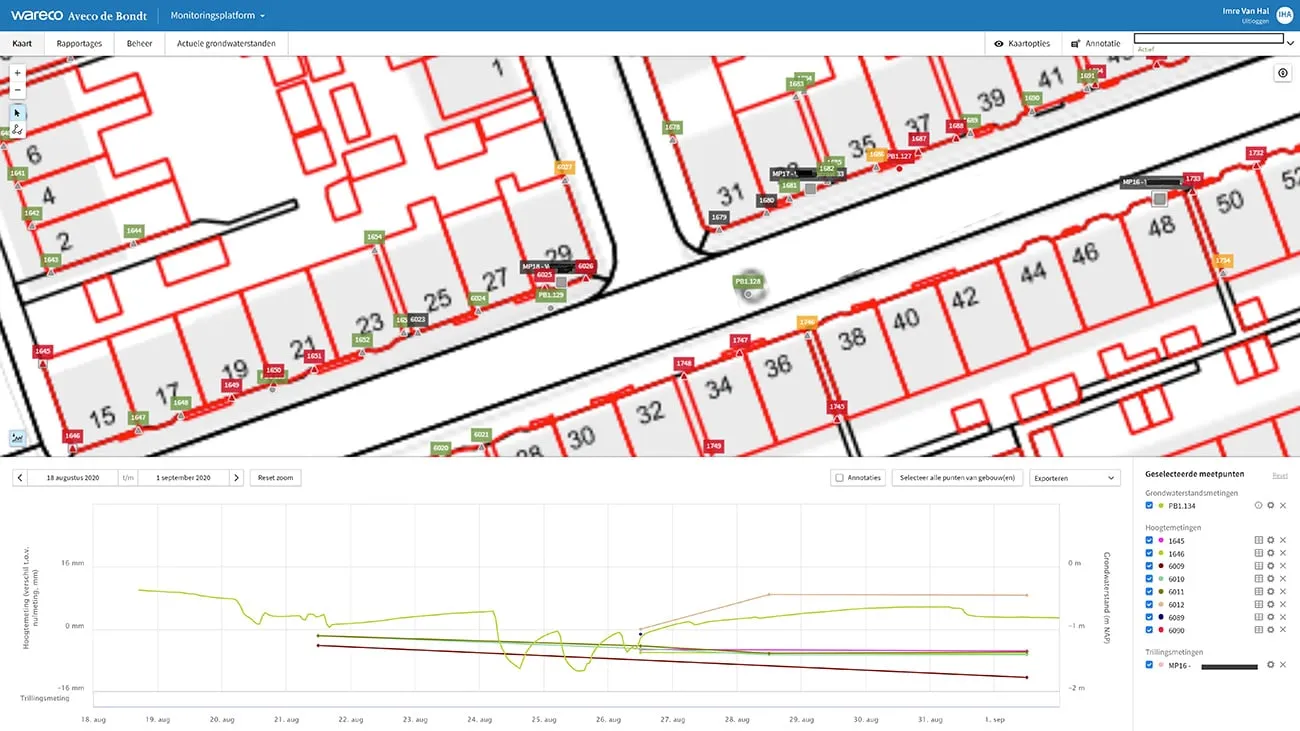
“It is extremely important to view the construction site in relation to its surroundings. Not only during the preparation stage, but especially during construction,” says Kooijman. “Geotechnics, geohydrology and geodata, which we call the Geodriehoek, are closely interconnected with foundation and soil investigations in underground construction. Fortunately, both clients and contractors realise that more is needed than a building survey and the installation of a few sensors. They are adapting to the increased risks and bringing us in.” Aveco de Bondt’s specialist teams provide a full range of services within the Geodriehoek, covering all phases from policy and design to implementation. To further strengthen its digitalisation efforts, Aveco de Bondt recently launched the joint venture diTTo, the Digital Twin Company, with its partner Wings ict. “This combination of resources and expertise is truly unique in the Netherlands,” says Kuiper.
Bringing people together and providing a basis for action
“Raising ground levels, excavating or dewatering always affects the surrounding area. But when damage occurs, it is often difficult to establish the cause. It could also be the impact of climate change, natural subsidence or another construction project,” Kooijman says, drawing on his experience. “Digitalisation helps to make connections clear, continually assess readings and provide a basis for action. It is essential to collect data and use it as a starting point for analysis in open-data portals. This should always be considered alongside a holistic survey of the surrounding area by a skilled specialist. And the findings must then be aligned with conditions on the construction site,” says Kooijman. “A digital analysis helps by linking information from the construction site with information about the surrounding area. Predictive risk analyses are automatically assessed using real-time data. This enables a specialist to adjust the process in good time if necessary. For example, you can then apply the plan-do-check-act approach effectively.”
Overview, insight and clarity
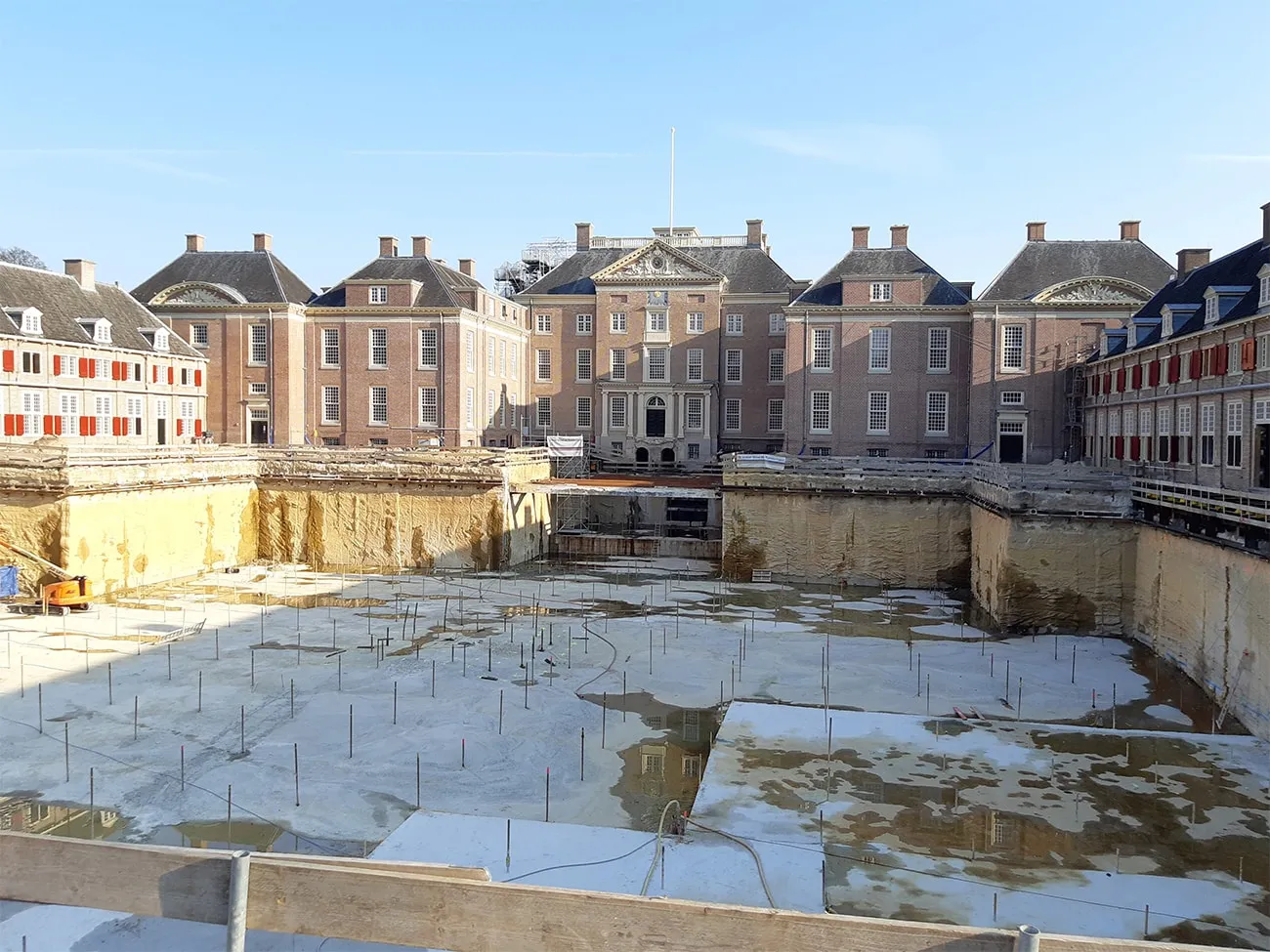
Data, information and technology help Aveco de Bondt’s specialists bring clarity to the many points of interaction between the construction site and its surroundings, enabling them to manage risks and evaluate objectively. “Automating processes and using information technology in a world with fewer and fewer skilled professionals available is a good start, but it is not enough,” says Kuiper. He concludes: “Only when you integrate digitalisation with specialist expertise can you identify risks early, both on and around the construction site, as complexity increases and fewer skilled professionals are available. You can also arrive at an effective design in advance. And being able to communicate about it clearly and transparently is what matters. If damage does occur, digitalisation provides a basis for understanding and clarity about the possible contribution of the construction project, as distinct from natural damage patterns, extreme weather or other construction work. That is why we are also investing heavily in digitalisation integrated with expertise in water and the subsurface.”
Question about this story? Ask your question
Keep following this
Get an email when a new story is published. No account needed.
- ThemeUnderground construction
- SubjectUnderground infrastructure







