









Pipeline transport is the future
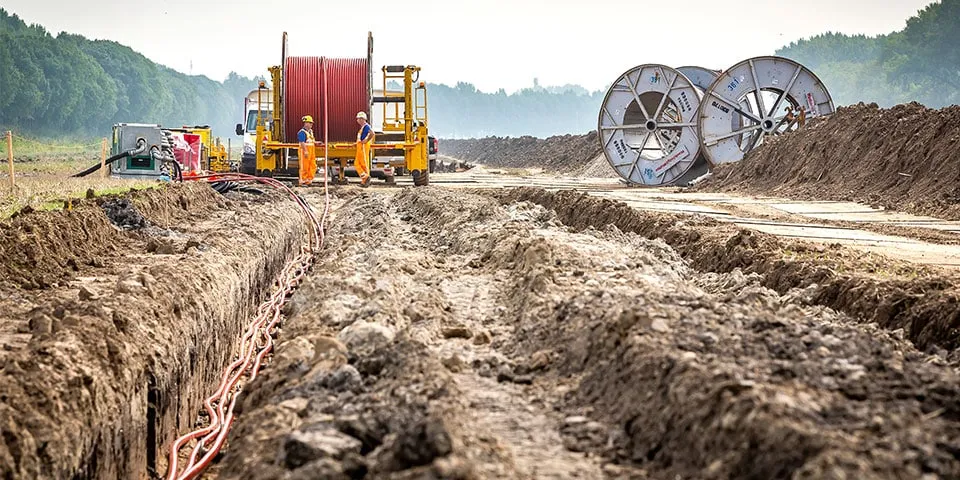
The market for underground and above-ground pipelines is evolving. Pipelines are essential to the functioning of society and offer potential for sustainable, future-proof infrastructure solutions to complex challenges, both current and emerging.
The transport capacity of pipelines is impressive. For example, a pipeline with a diameter of 900 mm and a length of 120 kilometres has the same transport capacity as more than 2,700 lorries, while producing just 4% of their CO2 emissions. Another advantage is that pipeline transport is reliable and safe.
Consultancy and engineering firm Lievense | WSP has been designing and managing pipelines in the Netherlands and Belgium for 60 years, transporting industrial gases, fossil fuels and water, among other things. Experts from different disciplines work closely together on integrated solutions with the future in mind.
A green energy buffer beneath our feet
The energy transition brings new opportunities. Investment is already being made in pipelines for heat, CO2 and green hydrogen. Sjaak Blok, Head of Pipelines and High Voltage at Lievense | WSP, says: “We believe this trend, the search for affordable and viable solutions by making use of (partly existing) above-ground and underground pipeline infrastructure, will continue to grow. Innovation is essential.”
As one possible solution for large-scale renewable energy generation, Lievense | WSP has proposed converting electricity generated from solar and wind power into hydrogen, then storing and transporting it through a network of underground pipelines to be installed in LSNed’s existing pipeline corridor. Using this existing infrastructure will have very little impact on the surrounding area.
Looking to the future
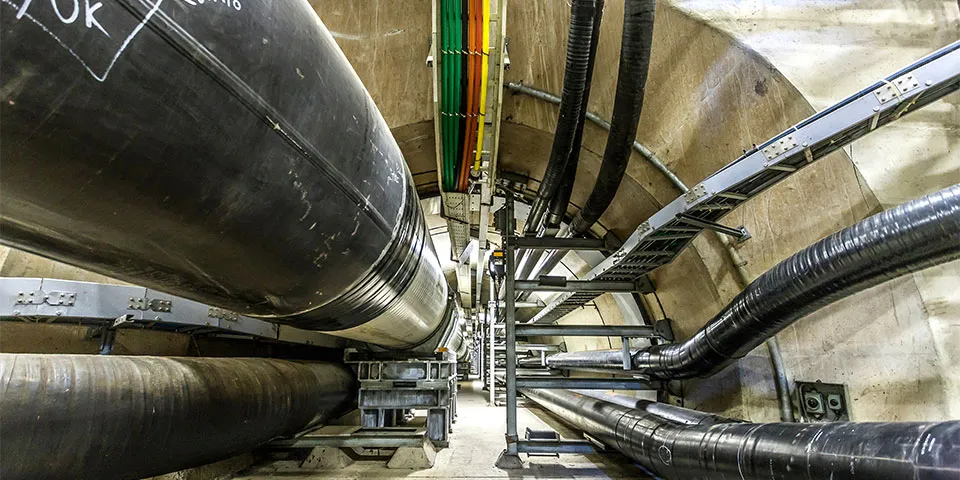
“An interesting challenge is how to configure underground infrastructure as effectively, efficiently and safely as possible for future utilities. This will need to take account of a transition period during which traditional and new energy infrastructure, as well as water utilities, will coexist underground. How can we make sure everything fits, remains manageable and affordable? This is where we are keen to contribute. Collaboration, mutual understanding, and sharing knowledge and experience are crucial to meeting these challenges,” says Sjaak Blok. The consultancy and engineering firm is already involved in the Project Overstijgende Verkenning Kabels & Leidingen (POV K&L), which carries out integrated analyses of pipeline failures and dike failures in real-world situations involving parallel and crossing pipelines. The aim is to integrate existing pipelines into dike reinforcement projects with minimal investment.
BIG network
Collaboration, mutual understanding, and sharing knowledge and experience are also reflected in the objectives and projects of Buisleidingen Industrie Gilde (BIG). According to Sjaak Blok, the BIG network can and will play a crucial role in shaping the future vision for pipelines and cables. Lievense | WSP has been a member for many years and considers BIG to be the organisation that connects clients, engineering firms and contractors.
A business enquiry for WSP? Get in touch
Companies in this story

Keep following this
Get an email when a new story is published. No account needed.
- ThemeUnderground construction
- SubjectUnderground infrastructure
- CompanyWSP







