









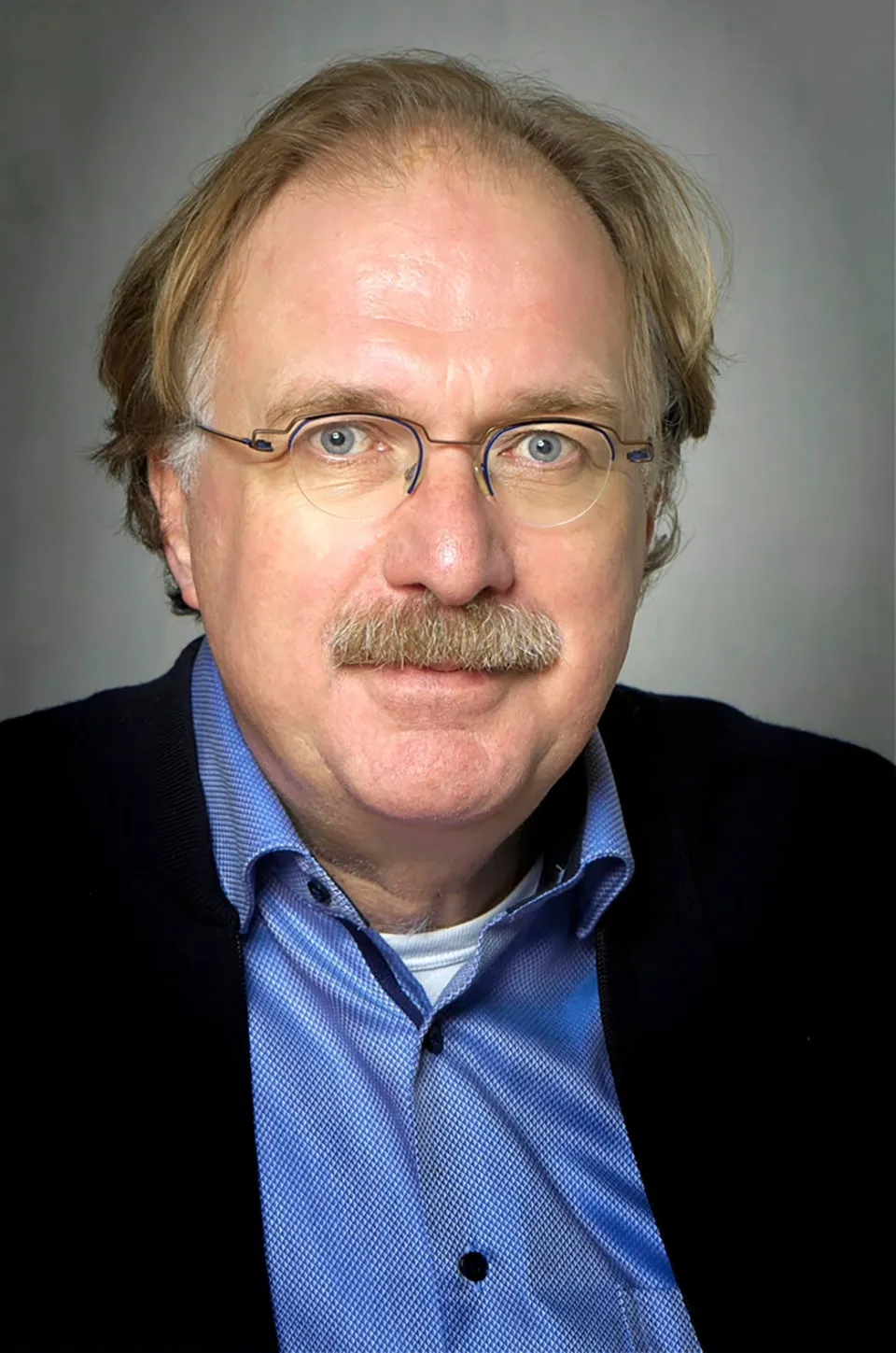
Harold Lever, Chair of the Underground Networks and Groundwater Management Section at Bouwend Nederland
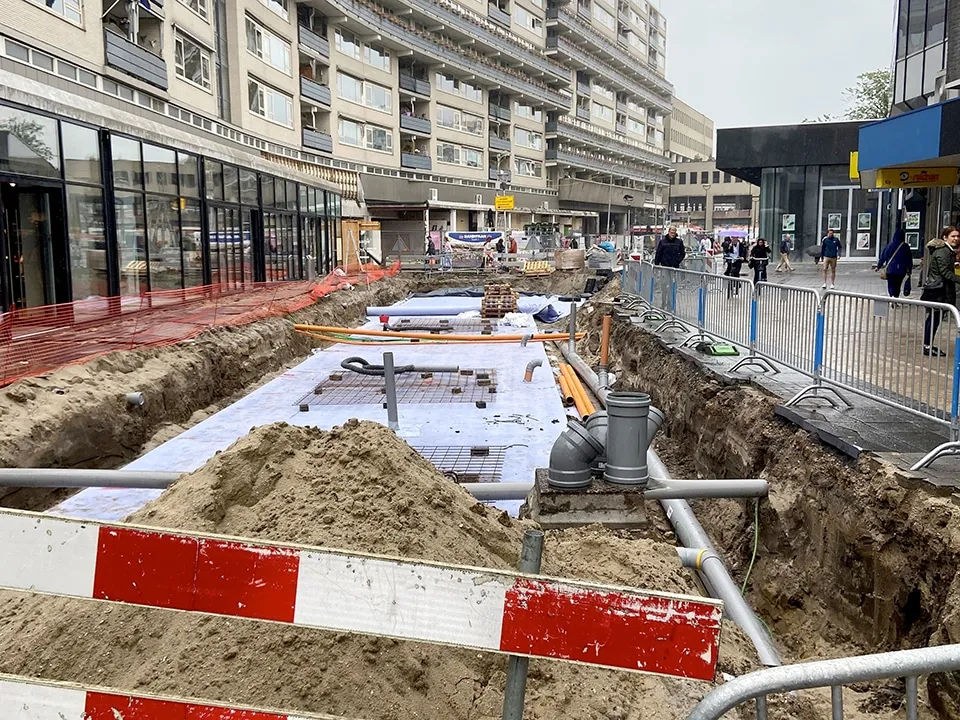
“More homes need to be built, we need more road infrastructure, our electricity grid must be adapted to current energy demand and feed-in, and we need climate-resilient drainage systems. In short, the Netherlands needs to be dug up.” Speaking is Harold Lever, Chair of the Underground Networks and Groundwater Management Section at Bouwend Nederland. “This is less disruptive in rural areas than in our major cities. In urban areas, everything underground is full. This has a major impact on how work has to be carried out. The COVID period gave the sector a lull in which work could be done without causing too much disruption. Now, however, that everything has reopened, there will have to be interruptions at crucial locations to the city’s 24/7 activity.
‘The Netherlands needs to be dug up’
Choose the ‘Big Bang’ approach or take longer?
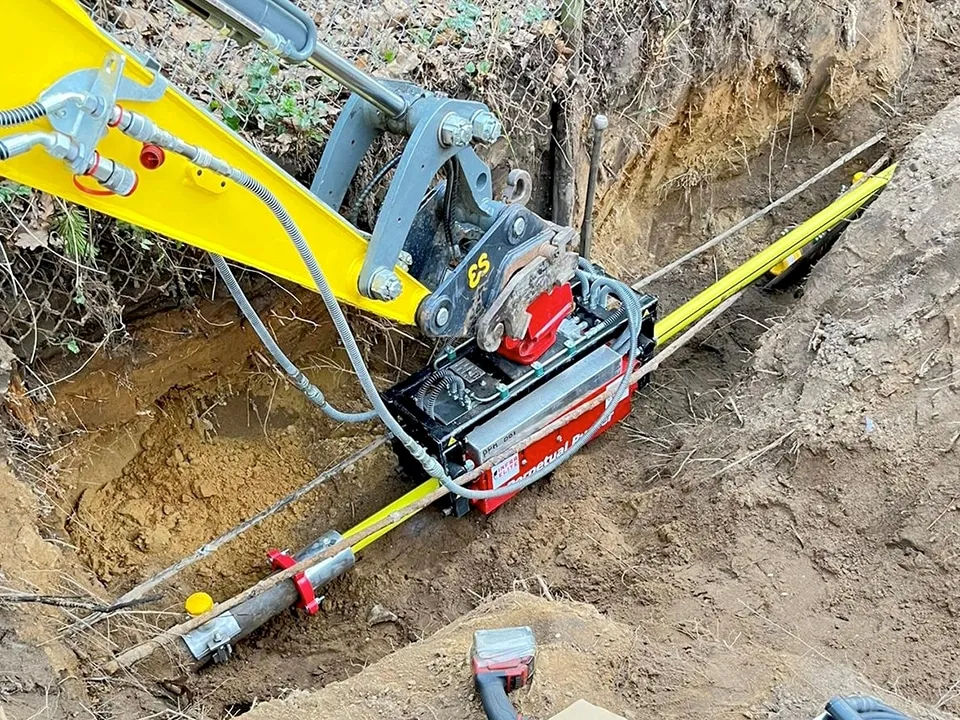
Given the huge amount of underground work ahead and the associated challenges in urban areas, Lever believes there are two ways of working to choose from. “One option could be the ‘big bang’ approach, where we work as quickly as possible, causing disruption but following a tight schedule with a clear end date in sight. With the right stakeholder management, disruption can still be minimised within that framework, but the pressure on the surrounding area is a fact. The alternative is to make projects entirely subservient to the surrounding area and take a long time, but with minimal disruption each day. Which method is preferable will also depend on the surrounding area and the nature of the work.”
New techniques offer a solution
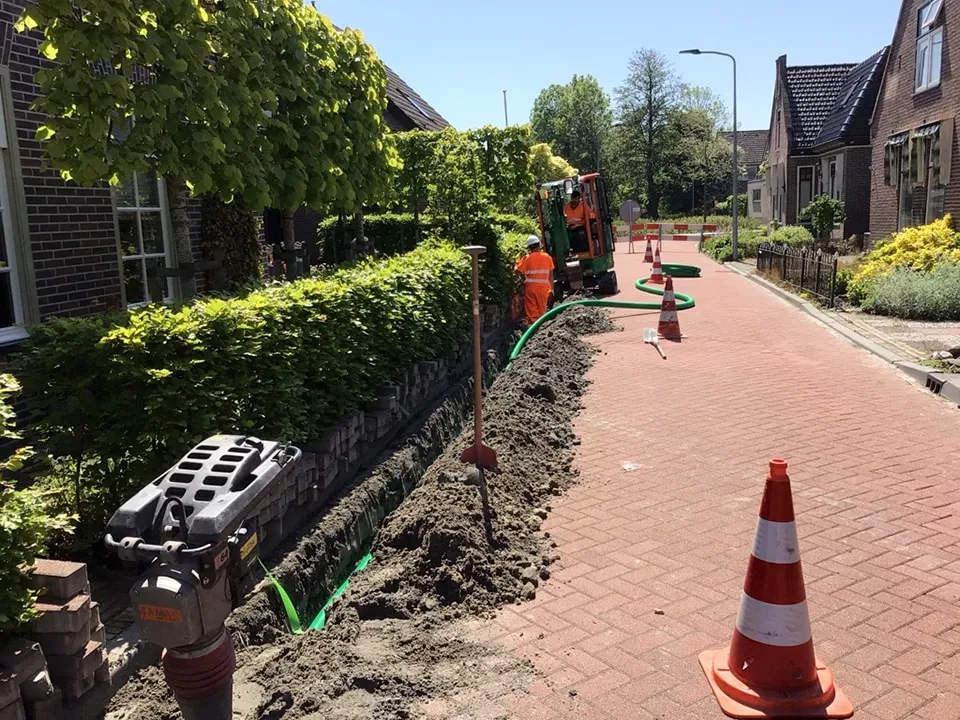
For Lever, it is clear that the latest trenchless techniques already make a huge difference when it comes to preventing disruption. “Add to that the trend towards ever-smaller equipment, without compromising performance, and you have a win-win situation. Where possible, we can already work trenchlessly in very confined spaces. That is ideal for city centres, of course. The challenges in urban areas have acted as a catalyst for making infrastructure more sustainable. Smaller equipment, vibration-free working, electrification, to name just a few. Incidentally, the province of Brabant is the clear leader in sustainable procurement, in both urban and rural areas,” says Lever.
The subsurface is running out of room
“In some places, the subsurface is nearing the limit of what it can accommodate. Paradoxically, the work is becoming more expensive, complex and slow, while the energy transition demands ever greater speed. Building new energy networks is now the biggest task. In addition, replacement work is increasing in the medium-voltage sector. Greater capacity is needed in the connection network. This is due to electricity feed-in and rising energy demand, for example from charging electric cars.”
According to Lever, network operators need to map the location of their cables accurately and submit correct data to the Land Registry. “Excavators also need to be more accurate in their notifications. Non-invasive techniques are getting better and better, but if the map is wrong, you still end up digging trial trenches. What a waste! We now have excellent digital tools for requesting data, reporting changes and keeping everything up to date. More attention needs to be paid to the accuracy of records. Major progress is being made in aligning data, and the Land Registry is actively involved. Accuracy must be demanded at every level of a project, from the drawing office right through to subcontractors.”
Much remains uncertain
Lever hopes that there will soon be more clarity about alternative energy sources, such as hydrogen. “I hope there will be enough green gas and hydrogen, and that we will be able to use the existing gas pipelines for them. Because nobody knows what the future holds for hydrogen and green gas, investors are staying away. It seems like a vicious circle. Someone has to be the first to invest confidently in these energy sources.” There are also concerns about our groundwater. Lever says: “The Netherlands needs dewatering in many places. This affects groundwater levels, although we are getting better and better at monitoring them. Heating and cooling systems also make demands on the subsurface. The challenge for the coming years is to maintain groundwater levels and make sure our drinking water is not affected. In short, everything is connected
and there is still a lot to be done. Collaboration is needed to build an overarching picture. That is the only way we will find a solution.”
Question about this story? Ask your question
Keep following this
Get an email when a new story is published. No account needed.
- ThemeUnderground construction
- SubjectUnderground infrastructure







