









Flow measurement essential for water distribution to restore natural dynamics in stream systems
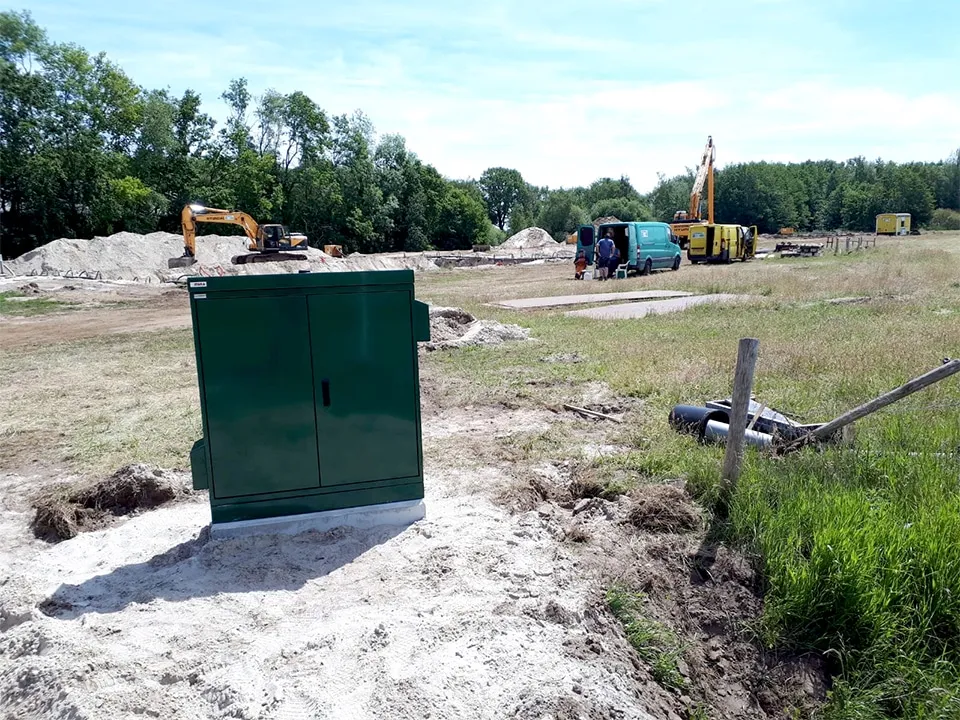
The management programme of water board Hunze en Aa’s sets out a number of objectives and measures to restore natural dynamics in the stream systems.
At the same time, the aim is to retain water and discharge it more slowly to prevent flooding downstream. Royal Eijkelkamp was commissioned to develop a flow measurement system in the Ruiten Aa, near the villages of Vlagtwedde and Smeerling in East Groningen.
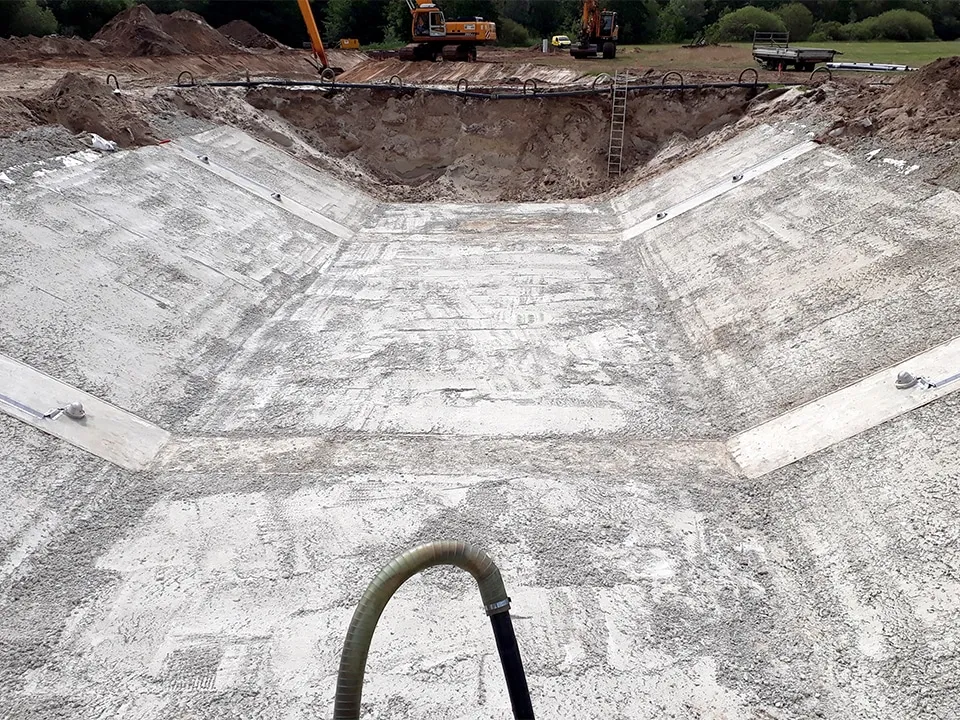
In the past, the Ruiten Aa was canalised. Bends were removed from the stream and its channel was enlarged. “We started restoring the Ruiten Aa to its original state more than ten years ago,” says Ronald Leeraar, district hydrologist at water board Hunze en Aa’s. “The area has since been designated as part of Natuur Netwerk Nederland, formerly the Ecologische Hoofdstructuur, and as an ecological corridor. This means that certain habitats and vegetation need to be encouraged in the stream valleys. This is subject to a number of conditions, such as restoring the stream’s natural dynamics and retaining water in the stream valleys for longer. Real-time control is essential.”
Real-time control
“To achieve the objectives, we need to restore flow in the stream,” Leeraar continues. “The Ruiten Aa has been narrowed and made shallower, so the water is effectively channelled through a funnel. All the weirs have also been removed. One of the former weir sites already had a flow measurement system, combined with an intake system to regulate the water flow through a bypass via Smeerling and discharge most of it via Vlagtwedde to the Ruiten Aa canal. A new flow measurement system therefore had to be installed, one that could also communicate in real time with a new weir/fish pass for the bypass. This is intended not only to cap the amount of water at a certain maximum, since too much water would cause flooding in Smeerling, but also to maintain the stream’s natural dynamics using formulas. In other words, the greater the discharge, the more water flows to Smeerling.” Tom Basten, Project Manager at Royal Eijkelkamp, says: “That sounds logical on paper, but it does involve a number of practical challenges.”
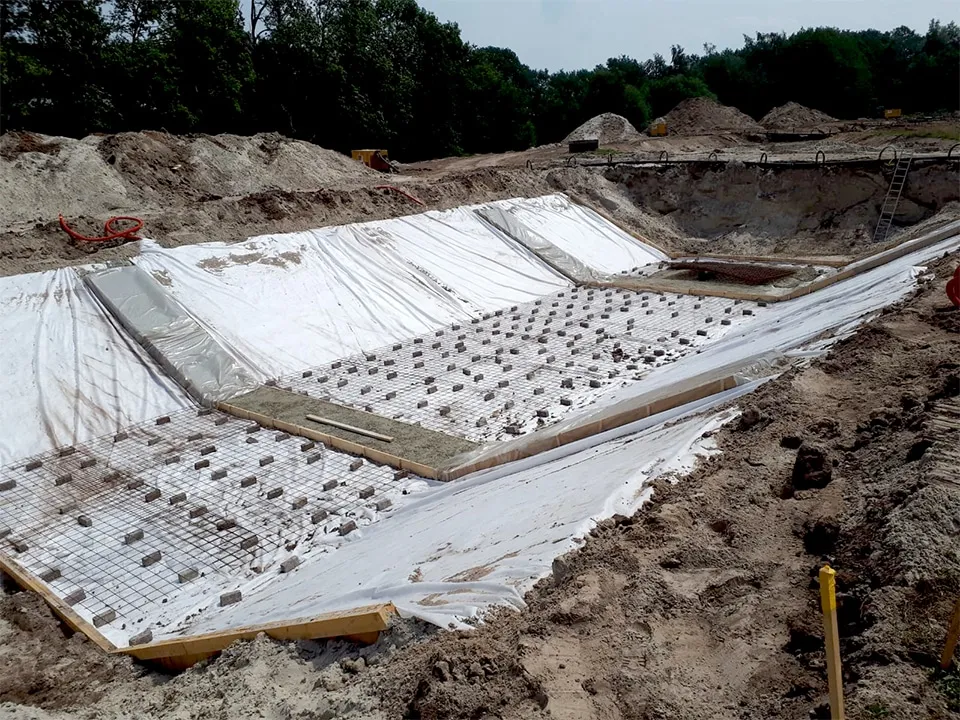
Flow measurement system
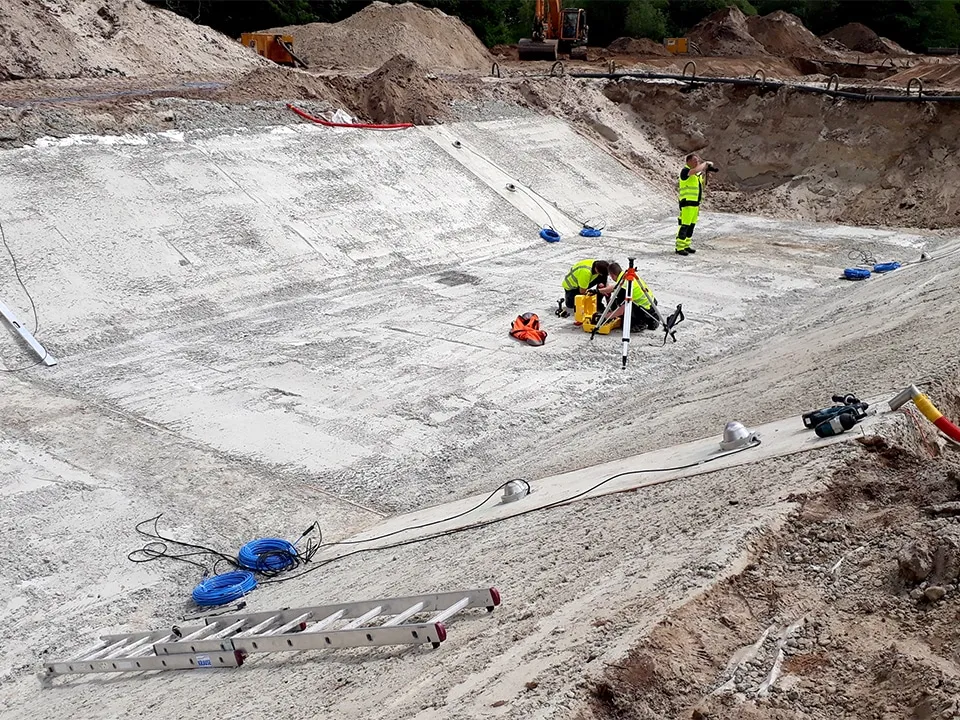
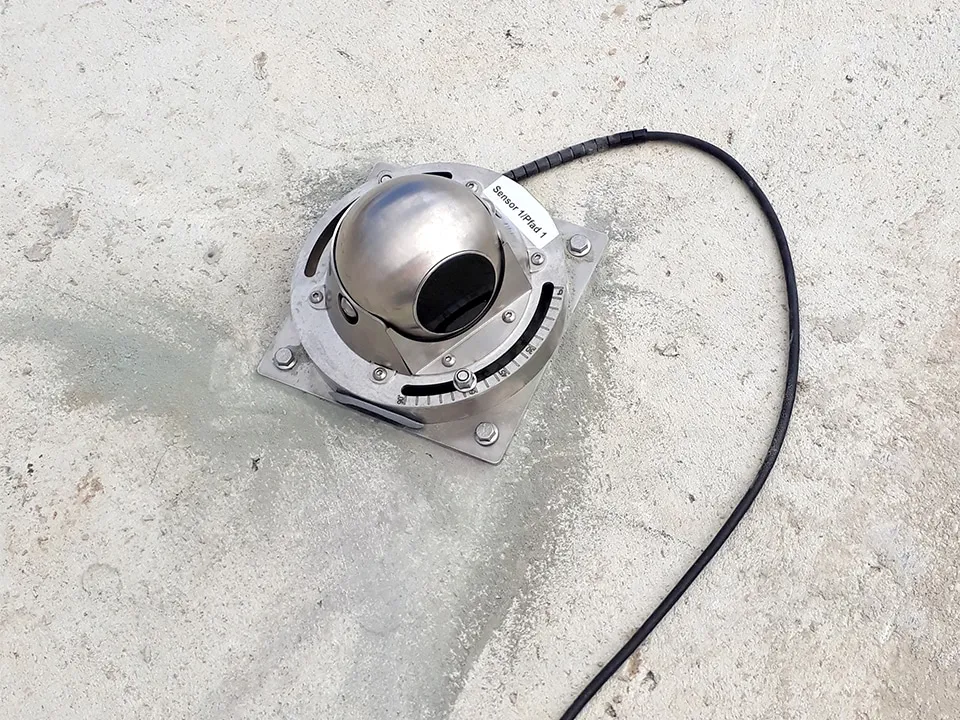
During the preparatory phase, it was agreed with the water board to move the course of the Ruiten Aa a few metres to the west. “This has made the section used for measurement somewhat straighter, creating more laminar flow in the channel profile and improving the reliability of the measurements,” Basten explains. “We also expect that moving the Ruiten Aa will reduce the risk of bank slumping. It also meant we could install the flow measurement system in dry conditions. The system uses four measuring paths arranged crosswise at different heights. Data from these ultrasonic sensors, configured to the width of the watercourse and the current water level, is combined with the current water temperature to calculate the discharge and flow velocity. All this data is sent to Hunze en Aa’s main station, enabling the weir further downstream to be controlled in real time.”
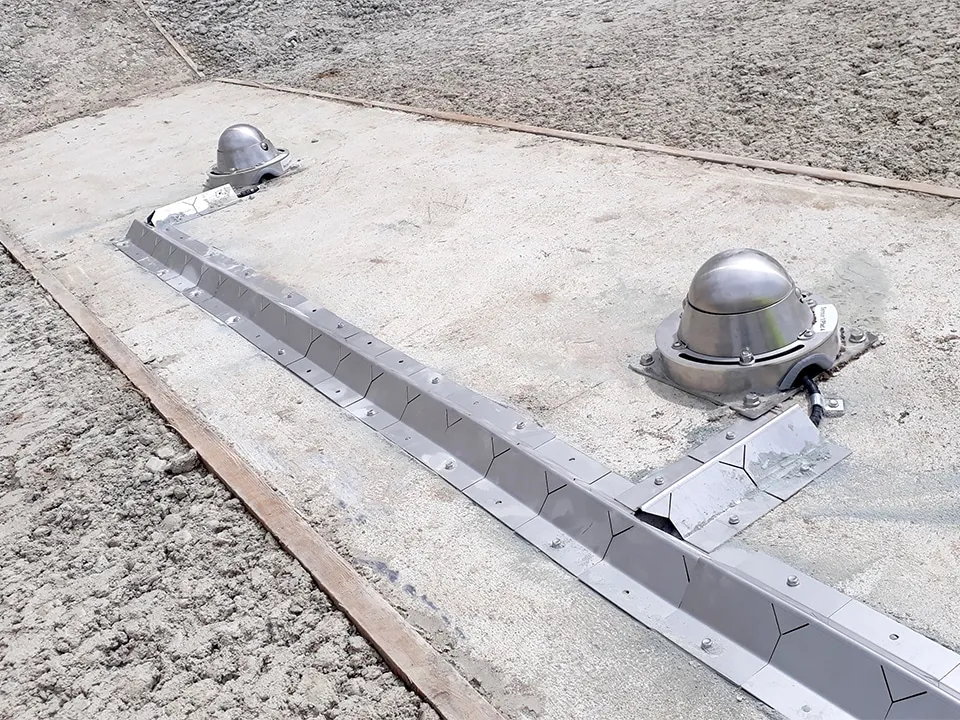
After the flow measurement system was installed, water was routed through the new channel and the old channel was filled in. During the Site Acceptance Test of the flow measurement system earlier this year, checks were carried out on the water level and the actual flow velocities along the measuring paths relative to one another. The data link to the water board’s main station was also checked during commissioning. “The initial results are good,” says Leeraar. “We expect to put the new installation into operation in the spring.”
Question about this story? Ask your question
Keep following this
Get an email when a new story is published. No account needed.
- ThemeUnderground construction
- SubjectUnderground infrastructure







