









Cast iron production with no direct CO2 emissions
Text Roel van GilsImage Saint-Gobain PAM
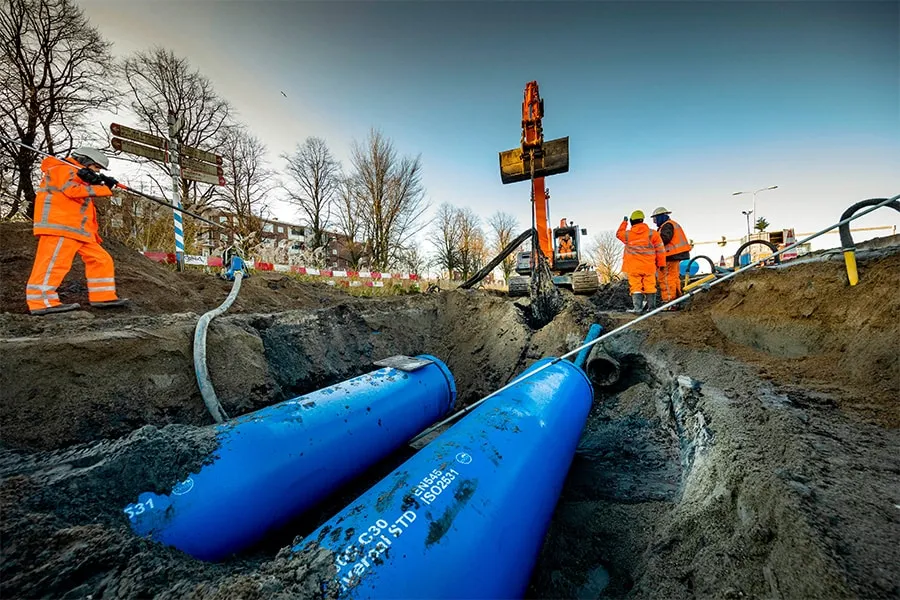
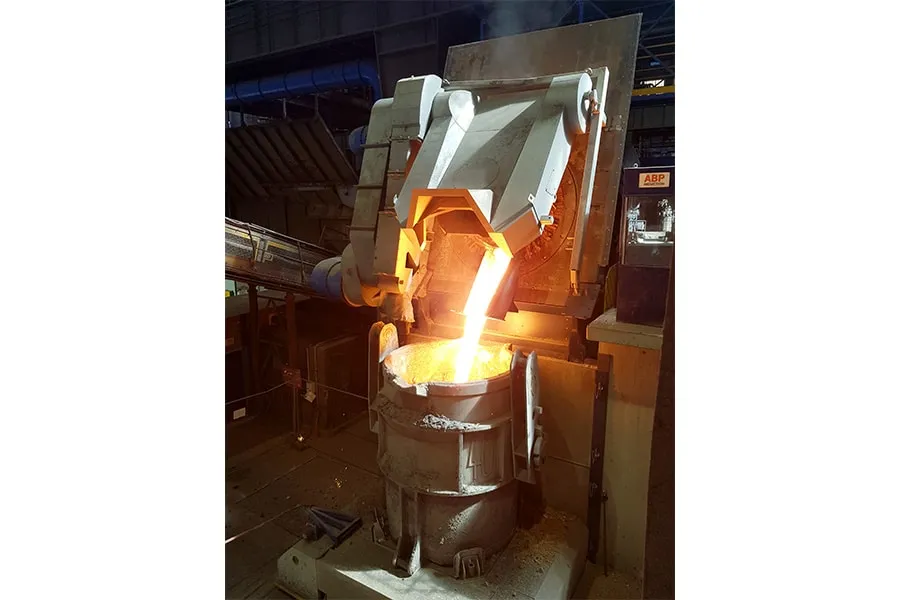
In summer 2022, Saint-Gobain PAM commissioned a new electric furnace at its plant in Pont-a-Mousson, France. It enables cast iron to be produced with no direct CO2 emissions and without abstracting water from the surrounding area. A significant step towards a CO2-neutral production process for ductile iron pipes.
The electric furnace has a capacity of 120,000 tonnes per year. To put this into perspective, a pipe with a diameter of 100 mm weighs 95 kilograms, so this is equivalent to around 7,500 kilometres of pipe. The 18 MW furnace can recycle scrap from the traditional process. This reduces the use of natural resources, as well as the CO2 impact of transporting raw materials.
Recycling scrap
A further benefit is that this electric furnace makes it possible to recycle scrap from external sources, opening up new opportunities for Saint-Gobain PAM. Scrap metal from products that have been in use for decades can now also be reused. This also increases the supply of raw materials, making PAM more flexible and independent. With this in mind, Saint-Gobain PAM has developed a recycling service for old cast iron pipes. The old pipes are taken to PAM’s plant(s), where they are cut into pieces before being melted down to produce new pipes. Cast iron, whether grey or ductile, can be reused repeatedly without any loss of material properties or risk to water quality.
The furnace, representing an investment of 10 million euros, enables Saint-Gobain PAM to increase cast iron production while improving the quality of its service. It is much easier to anticipate changing or fluctuating market demand. The new process is part of Saint-Gobain PAM’s strategy to make the production of ductile iron pipes CO2-neutral. Thanks to this new electric furnace, CO2 emissions will be reduced by 30 kilotonnes per year.
Question about this story? Ask your question
Keep following this
Get an email when a new story is published. No account needed.
- ThemeLower emissions and more reuse
- SubjectUnderground infrastructure







