









Case study: missing material certificates for a sheet pile wall
Text and images NDO Nederland
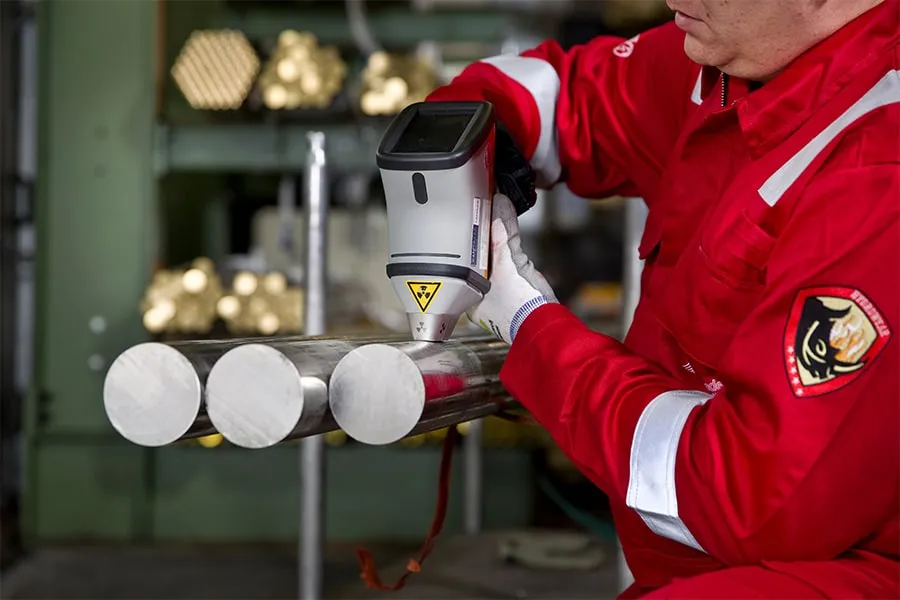
How we kept delays on a major infrastructure project to a minimum with material analysis
Imagine you are involved in building a tunnel and responsible for installing thousands of sheet piles. When at least half of the piles are already in the ground, you discover that the material certificates are missing. The chemical composition of the material is therefore unknown, so you have to guess which welding method is best. You also cannot take the choice of filler material into account. Oops!
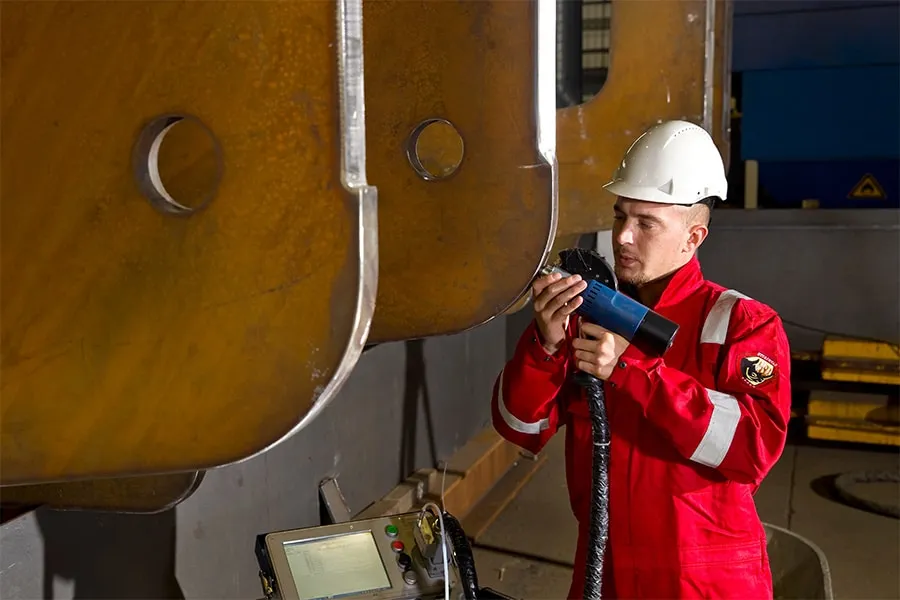
This happened to one of our clients. Understandably, there was considerable alarm. A solution was needed quickly. The most obvious option was to cut sections from the sheet pile wall and send them to a laboratory for testing. But this has a major drawback: the holes then have to be filled in again. This is time-consuming and also compromises the quality of the sheet pile wall.
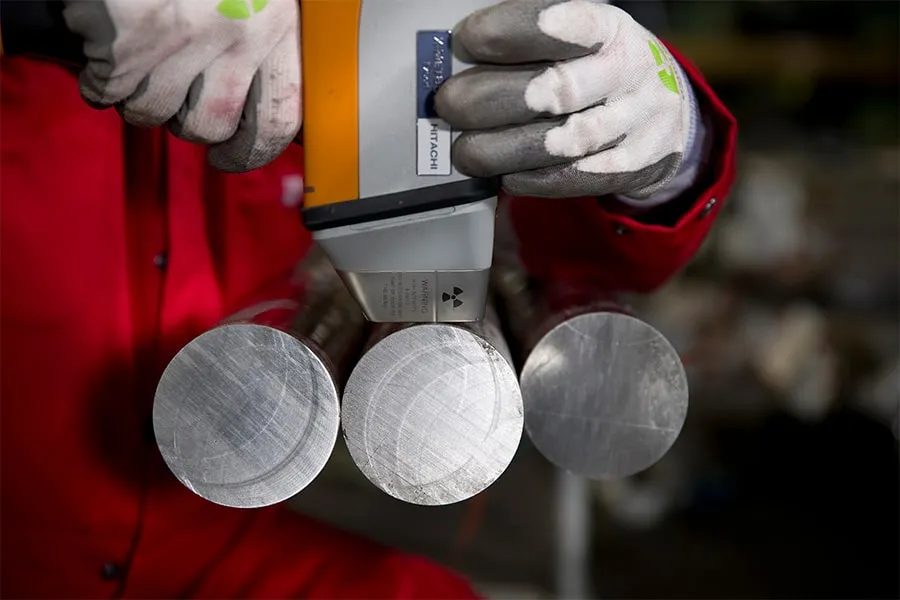
What now?
The phone rang! The QA/QC Manager for this infrastructure project was on the line, asking whether NDO Nederland could help. Of course! We were happy to take on the challenge. We soon realised that cutting sections from the sheet pile wall was not an option. So what could we do instead? We drove to the site with our equipment to see whether we could carry out tests on site. It was the middle of winter and bitterly cold. To prevent the weather from affecting the test results, we screened off the sheet piles to be tested with tents and tarpaulins. We installed heaters to keep the temperature up. This enabled us to carry out reliable tests and determine the chemical composition.
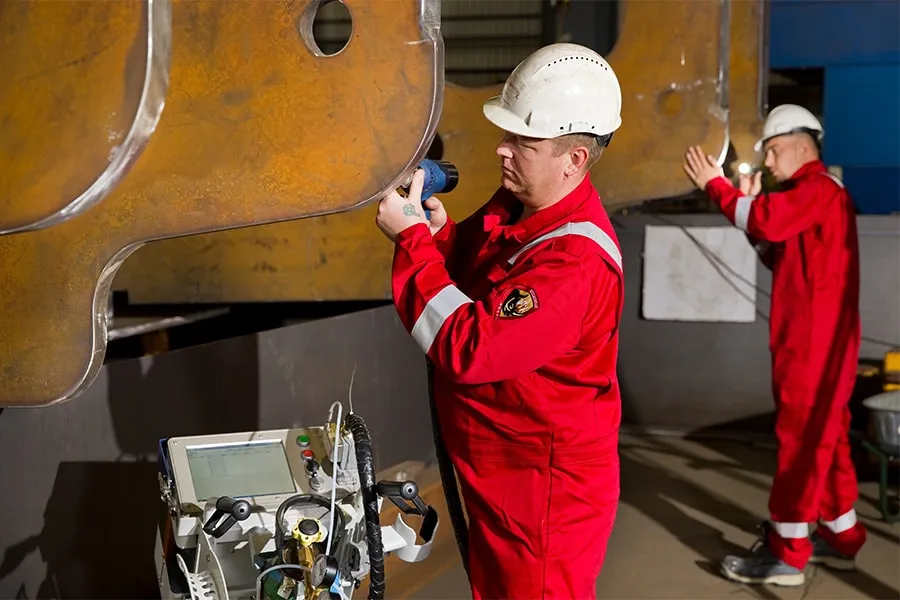
Problem solved?
Definitely. We analysed and recorded the chemical composition of the material, enabling the correct welding process and filler material to be selected. This allowed the contractor to weld in accordance with the specifications, with minimal delays and a minimal risk of weld defects.
All’s well that ends well. Right?
Yes. But let’s all learn from this. For infrastructure projects too, make sure you check in advance that the material certificates are available. Use these certificates as inspection documents to verify that you have the right material. If they are missing, call in an NDT specialist straight away to carry out a material analysis. Only by knowing the material’s chemical composition, mechanical properties and weldability can you avoid a lot of hassle, save time and cut costs. And believe us, it’s better for your blood pressure.
Question about this story? Ask your question
Keep following this
Get an email when a new story is published. No account needed.
- ThemeUnderground construction
- SubjectUnderground infrastructure







