









Building together on the underground infrastructure of tomorrow
Text Susan PeekImage SGS Roos+Bijl, 123RF, Adobe Stock
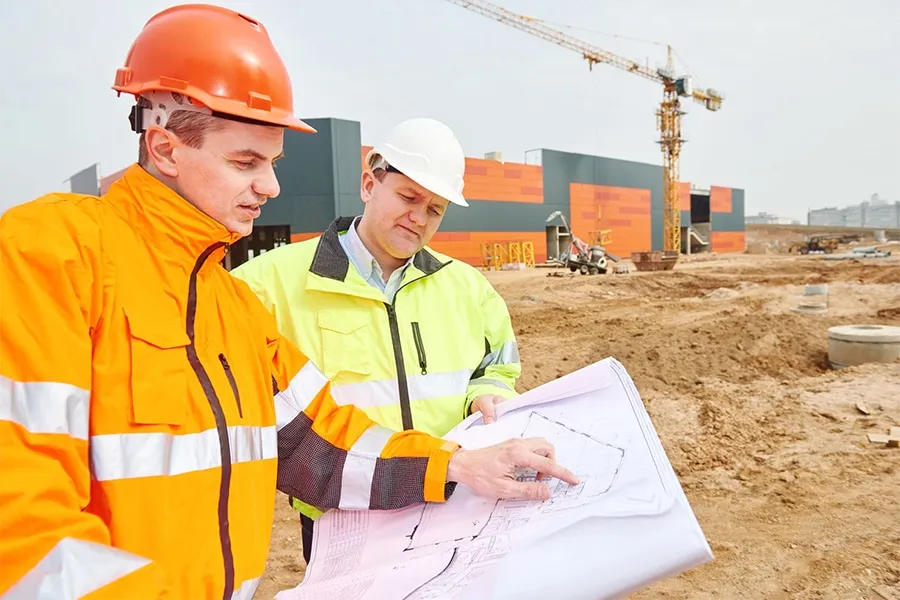
Safe and sustainable, with the energy transition in mind
The energy transition. By now, a fairly broad term, but we are in the midst of it. According to Erik Teerink, account manager at SGS Roos+Bijl, the energy transition rests on three key pillars: green gas, electrification and heat networks. “And that is exactly where we can make a difference. SGS specialises in designing sustainable and safe underground (and above-ground) infrastructure for projects of all sizes.”
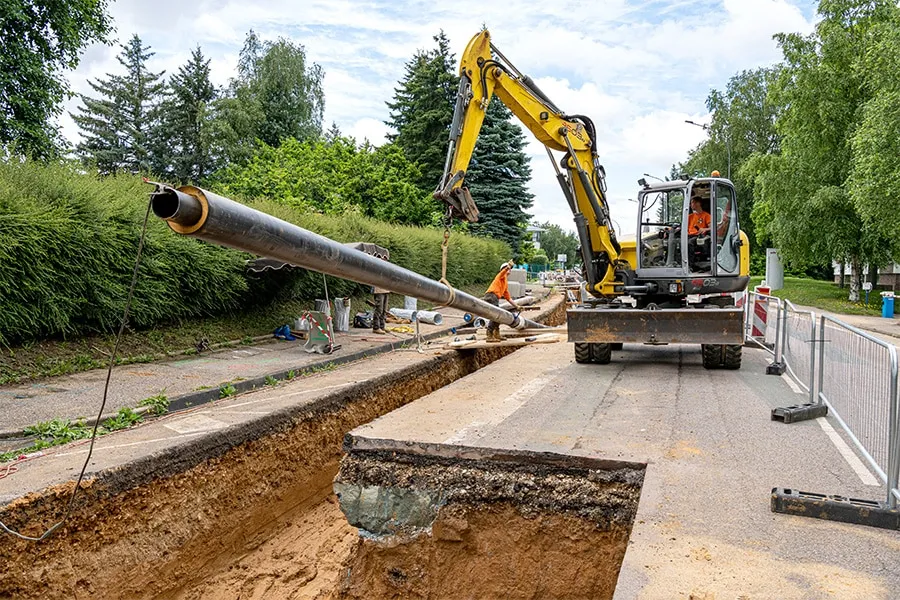
“SGS offers a range of services, including route engineering and coordination for the installation, diversion or modification of cables and pipelines. We also help network operators with their electrification challenges and provide support in the preparatory stages of heat network construction.” In Teerink’s view, heat network solutions are still something of a neglected option. “There is much more discussion of ways to make energy more sustainable through wind and solar power, and of hydrogen solutions. But we are really missing out on opportunities there.”
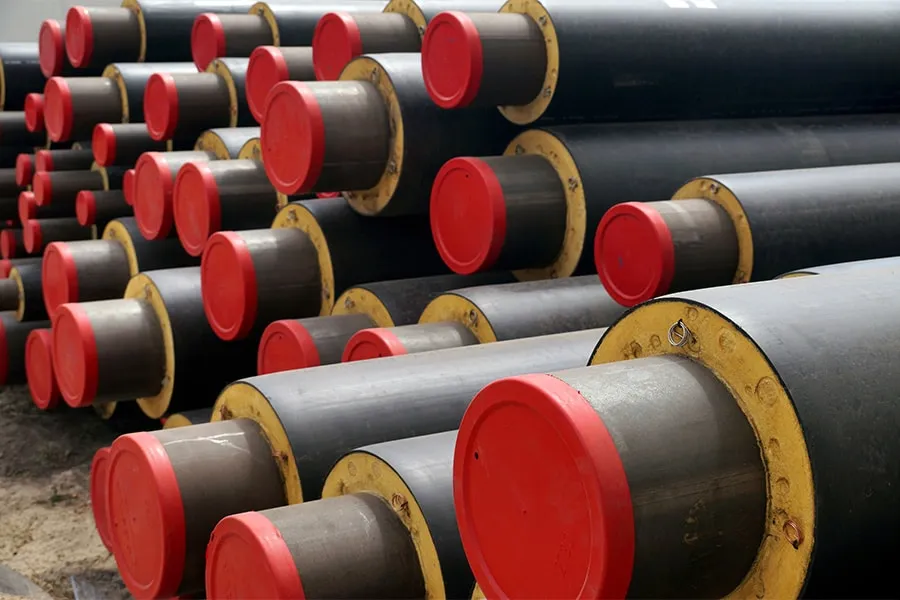
Heat Act
“I think that has to do with the new Heat Act, which comes into force in 2025. Under the Act, the government must hold a majority stake of at least 51% in heat network infrastructure. This is making private parties question whether it is still viable to build heat networks. As a result, the government’s plan to take half a million homes off gas before 2030, with district heating as a key means of doing so, risks being delayed.”
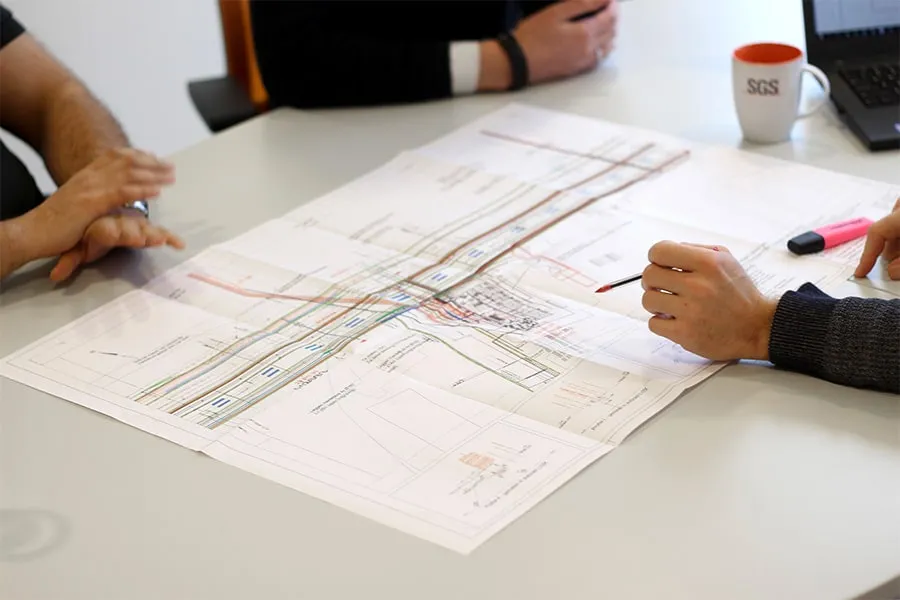
A transition phase
“We are very much in a transition phase at the moment,” says Tim Stadman Robaard, an engineer at SGS Roos+Bijl. Stadman Robaard has been with SGS for two years and explored district heating in depth during his studies. “I graduated on AGFW FW401, a German standard drawn up by AGFW that is widely used in the Netherlands for the installation of district heating pipes,” he says. “For my graduation project, I developed a calculation tool that allows the standard to be applied more accurately. I also researched how the standard is applied in the Netherlands.” This knowledge is proving invaluable in his current role at SGS. “It is hugely important that we manage everything properly. On the one hand, the number of heat network connections needs to double, while on the other, we are seeing uncertainty in the market because the rules are changing. So there is still a lot to be done.” Stadman Robaard has noticed that the district heating pipe sector is gradually becoming more professional. “Suppliers are building up their knowledge, and collaboration with heat networks is getting under way, including through the independent umbrella organisation AGFW. We are also keen to share our knowledge, which is why we are a member of Stichting Warmtenetwerk. I am convinced that our extensive knowledge and expertise can provide the sector with strong support.”
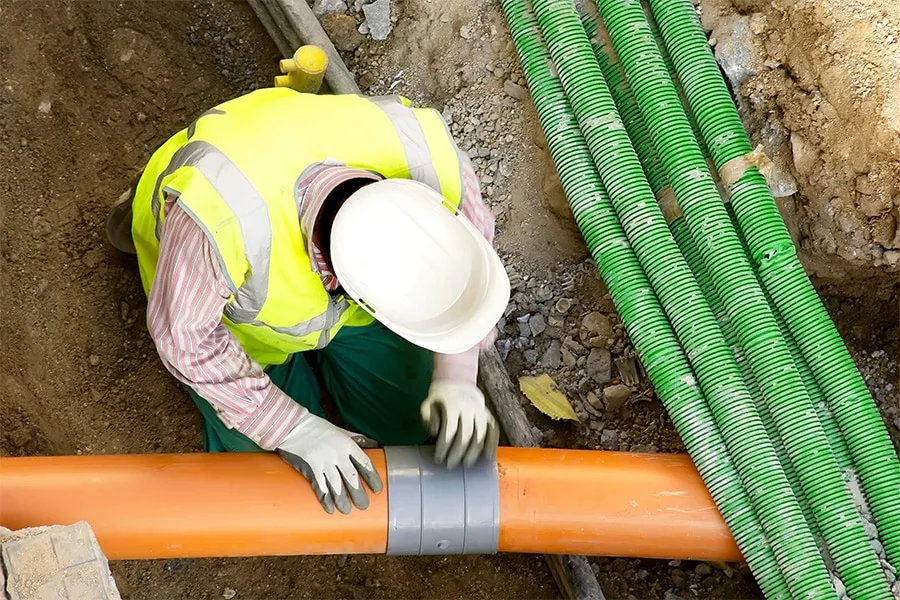
Support from A to Z
Teerink agrees: “SGS excels in specialist calculations and has extensive expertise in underground infrastructure and district heating standards. Clients work to different standards, sometimes even from one area to another. From the source to the household connection, we can advise and provide support on every aspect of route engineering, from A to Z, and ensure that the applicable standards are met. Whether it is the installation of a new housing development or connecting an existing building in Rotterdam’s inner city, for each project we assess, among other things, whether it is feasible, whether drilling is needed, whether permits can be obtained and which authorities issue them. We consult the competent authorities, check which standard must be met and make sure the client’s wishes and requirements are taken into account as a whole. At the end of the process, we provide a complete package tailored to the challenge, after which construction can begin straight away.” Teerink says more and more parties are turning to SGS for this specialist expertise. “People are increasingly finding their way to us.”
Digitalisation
“The key is to start a project like this extremely well prepared,” says Stadman Robaard, adding that digitalisation can certainly help with that. “Another broad term, but with the help of all kinds of modern technologies, it is possible to visualise what is happening underground. I can see future developments going so far as to involve building Digital Twins, to map everything underground exactly and tackle issues in advance. SGS’s mission to further digitalise fits in well with this.”
A business enquiry for Roos Groep? Get in touch
Companies in this story
Keep following this
Get an email when a new story is published. No account needed.
- ThemeUnderground construction
- SubjectUnderground infrastructure
- CompanyRoos Groep







