Surveying a curved bore: a piece of cake
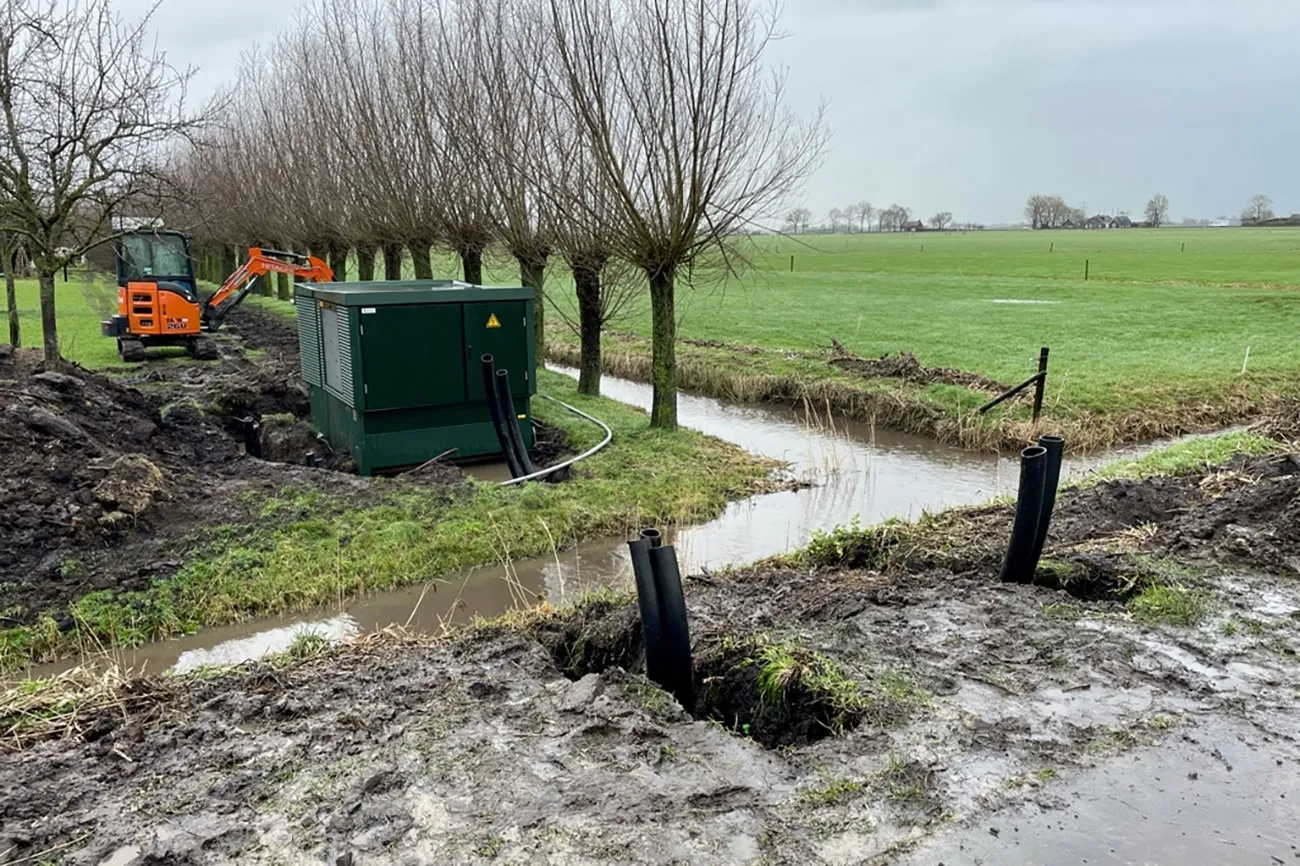
Curved boring is a trenchless technique for quickly and safely creating a passage alongside or beneath existing underground infrastructure, such as cables and pipelines. Brouwer Boogzinkeren has mastered the technique like no other, and thanks to MyCumulus software, the bore profile is available digitally straight away.
With dedicated software
Curved boring uses pre-bent steel rods, which are pushed into the ground along a set radius using a hydraulic machine. “The great advantage of this technique is that we can quickly reach considerable depths, where there are no other cables or pipelines,” says René Brouwer of Brouwer Boogzinkeren. “It is also a relatively fast technique that allows traffic to pass unhindered and leaves verges, retaining structures and quay walls undamaged. Curved boring can be used in almost any type of soil and under all conditions.”
Three crews
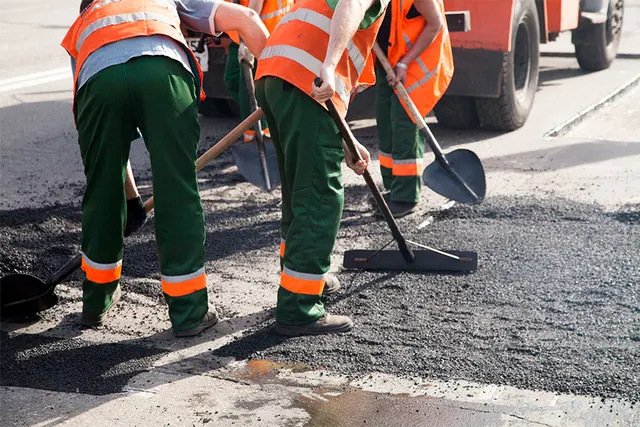
Brouwer Boogzinkeren has three crews ‘in the field’, installing curved bores throughout the country to serve as casing pipes for fibre-optic cables, gas, electricity, water and more. “Originally, curved bores were made to cross waterways, but nowadays we also cross roads and railways,” says Brouwer. “We put together the rod set and determine the radius of the rods based on the distance to be crossed. We then pump water or a bentonite mixture at high pressure through the head of the rod, extending it each time with pre-bent 3-metre sections. This creates a neat passage, or curve, between the entry and exit points. Once we reach the exit point, a PE pipe is attached to the rod and we pull the rod set back, leaving a curved casing pipe in place.”
Workflow
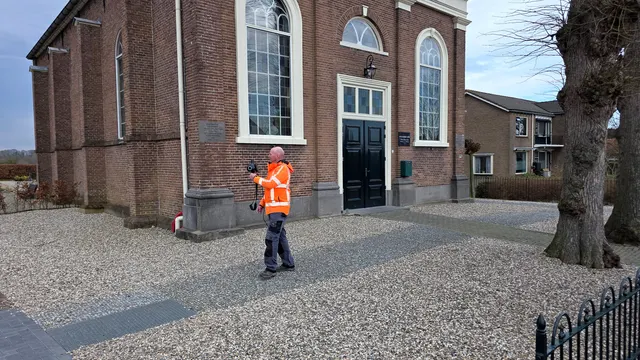
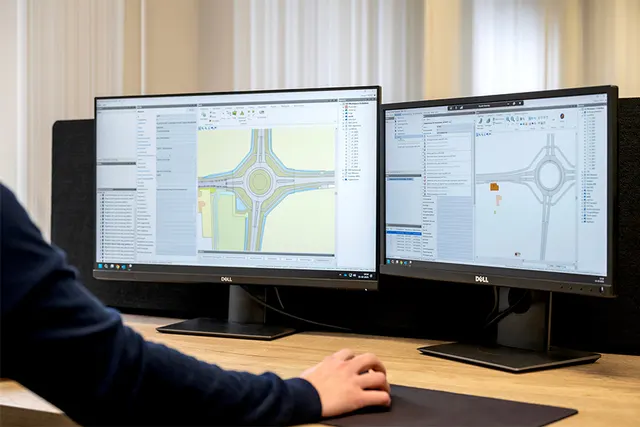
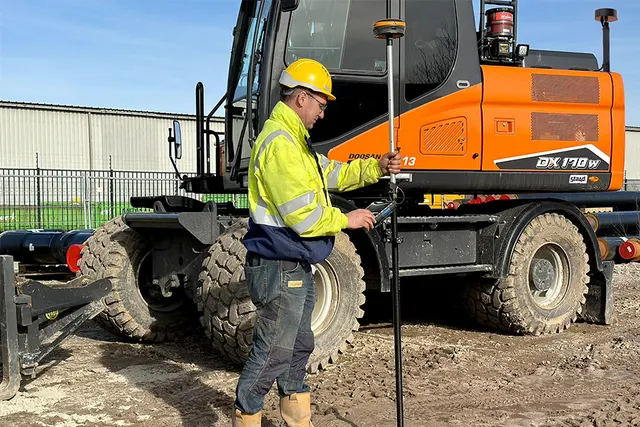
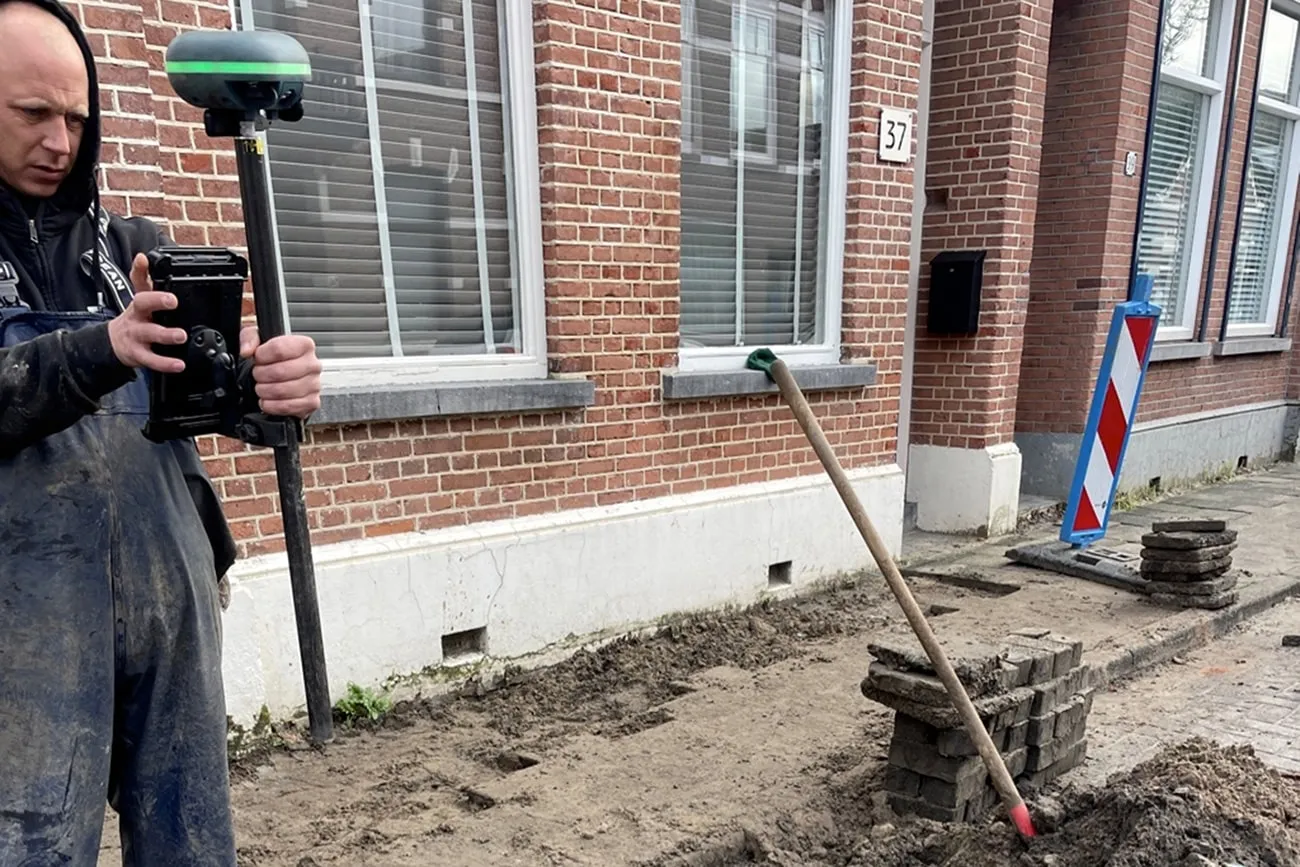
Brouwer Boogzinkeren uses marXact equipment to survey the curved bore digitally. “We use MyCumulus to record the data. It’s the most user-friendly software for us,” says Brouwer. “It’s important that our field crews can share their data quickly and efficiently. Almost everything in MyCumulus is predefined, so the crews only need to enter a limited amount of information in the field; the rest happens automatically. We’ve set up the entire workflow in the software using forms, which are saved directly to the ‘cloud’ once completed. For the past six months, there has also been a connection with Pythagoras, which retrieves all the data from MyCumulus, making a digital bore profile available straight away. Before our crews are even ‘home’ again, the full report has already been sent to the client from the office. It works brilliantly.”
Question about this story? Ask your question
Keep following this
Get an email when a new story is published. No account needed.
- SubjectSurveying & geo-ICT