Working in the ground, smartly and safely: building on challenging sites
Text Roel van Gils Image Aboma
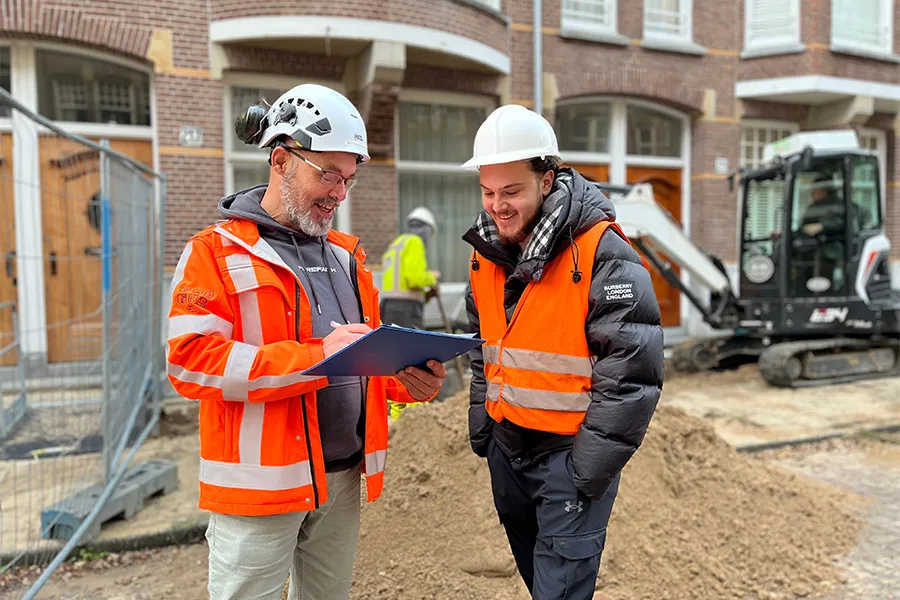
The housing shortage calls for rapid, large-scale construction projects. This often means building on sites we used to avoid: former industrial sites, contaminated land or places already crowded with underground infrastructure. This brings considerable additional complexity. As soon as you start working below ground, a range of legal obligations and safety risks come into play.
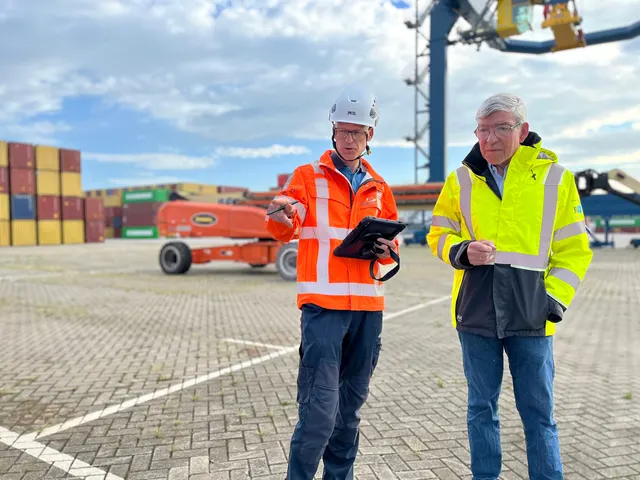
Before a single spade goes into the ground, it must be clear what is present in the soil, says Bert van den Rozenberg of Aboma. “This is not only set out in the Working Conditions Act, it is also essential for worker safety. Yet in practice, we find that too little attention is paid to it. Knowledge of soil contamination is generally available in the civil engineering and infrastructure sectors, but earthworks make up only a small part of construction companies’ overall workload. As a result, the risks are regularly underestimated.”
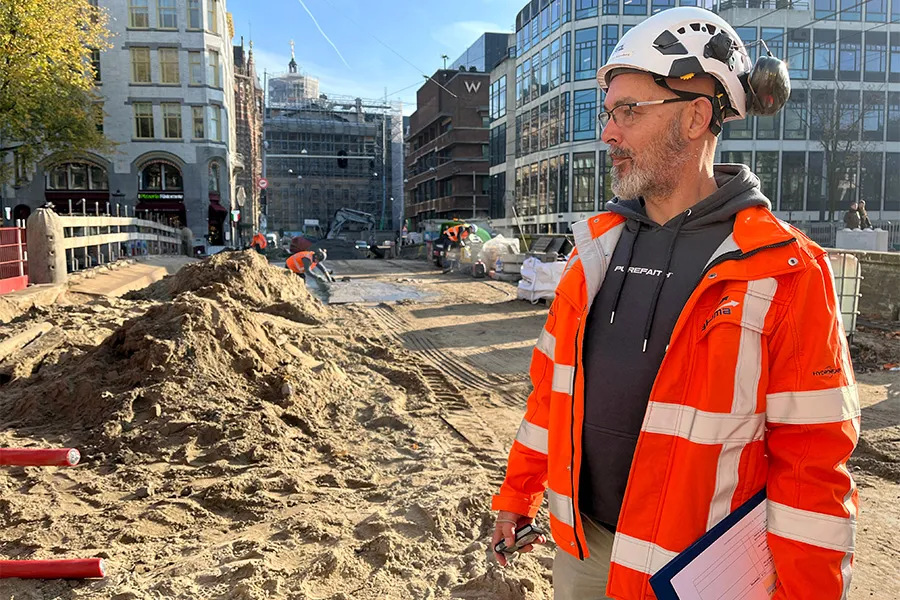
Specialist knowledge
Yet this knowledge is essential, stresses Harry Spies of Aboma. “Anyone carrying out work in contaminated soil needs to know exactly what measures are required to protect employees. Many hazardous substances in the soil cannot be detected immediately. The effects on health sometimes only become apparent 20 to 30 years later. Think of lead accumulating in the body, or benzene, where even prolonged exposure to low concentrations can be harmful.” In addition to contamination, the ground is often criss-crossed by cables and pipelines. “The energy transition is making the subsurface increasingly crowded, with new infrastructure often having to pass straight through existing ground, which may itself be contaminated. This calls for thorough investigation and specialist knowledge.”
Health and safety plan and expert supervision
A health and safety plan is mandatory when dealing with particular risks, such as working in contaminated soil, says Spies. “This applies in all cases, regardless of the size of the project. The risks are identified and control measures set out in the plan.” Rozenberg adds: “Daily supervision by an Expert Project Supervisor (DLP) is also mandatory, and a safety expert must be engaged. This requires expertise that not every construction company has in-house. Aboma can provide support at every stage of the process, if required: from drawing up the plan to pre-start meetings on site and supervision throughout the project.”
Many construction companies fear that working in contaminated soil will lead to high costs, Rozenberg knows from experience. “Yet responsibility and funding often lie with the project initiator, not the contractor who ultimately digs the sewer trench,” he says. With an expert such as Aboma on hand to advise, draw up the health and safety plan and provide supervision during the work, the process proves more manageable and safer than expected. This makes it possible to build smartly and safely, even on challenging sites.
Question about this story? Ask your question
Keep following this
Get an email when a new story is published. No account needed.
- ThemeUnderground construction
- SubjectSafety