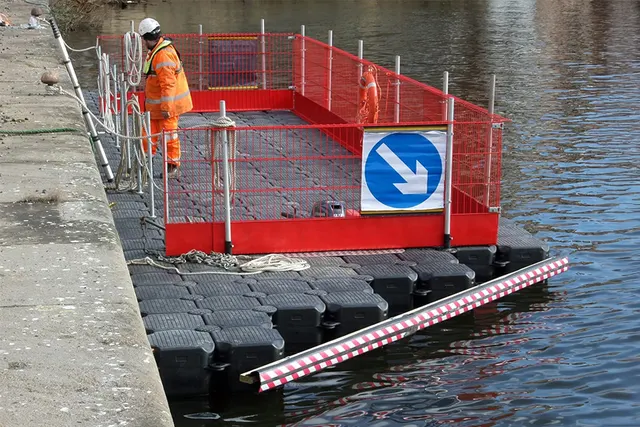
Working alone, never without an LMRA
Text Roel van Gils Image Aboma

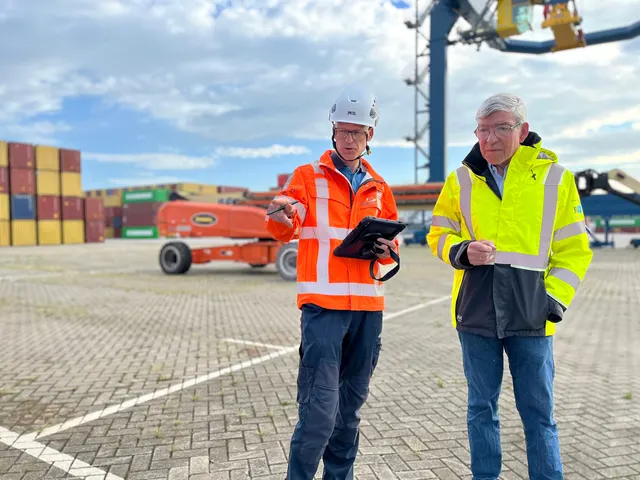
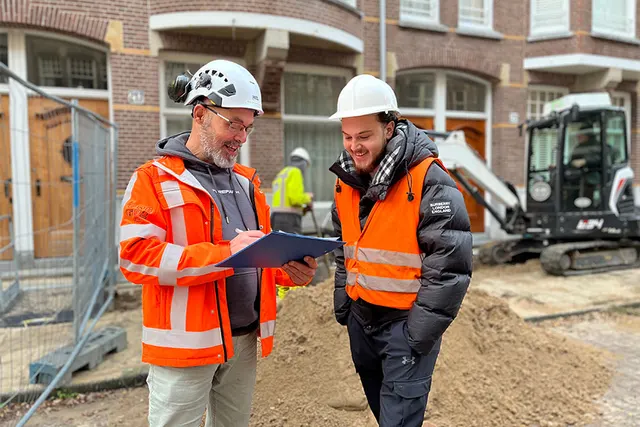
Working alone is more common than you might expect, including in the infrastructure sector. Machine operators and plant inspectors sometimes have to work by themselves. Did you know that an LMRA, a brief risk assessment carried out before entering the worksite and starting work, is mandatory in these cases? The ‘working alone’ workshop run by Aboma Inspections at the Machinistenscholingsdagen in Harderwijk certainly opened many eyes.
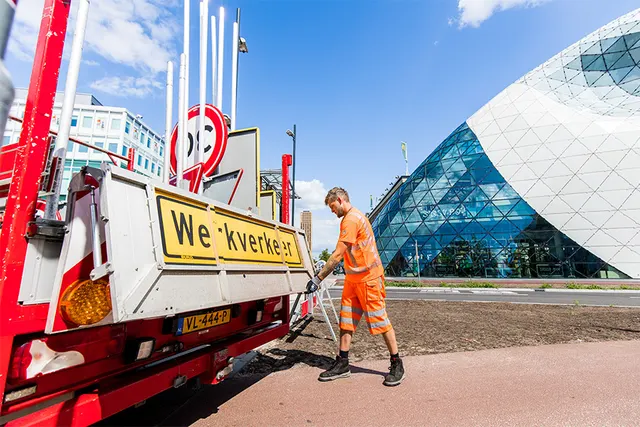
Working alone means carrying out work beyond the direct hearing range and/or field of vision of colleagues or supervisors. “The risk involved is not necessarily greater than when you go out with one or more colleagues, but when you’re working all by yourself, you’re at the mercy of fate if something happens,” says Mario Rovers of Aboma Inspections. “Employers should therefore always ask themselves whether a particular task really needs to be carried out by one person using one machine. You could also deploy two machines, each with an operator. The work would be finished twice as quickly and you’d eliminate all the risks of working alone.”
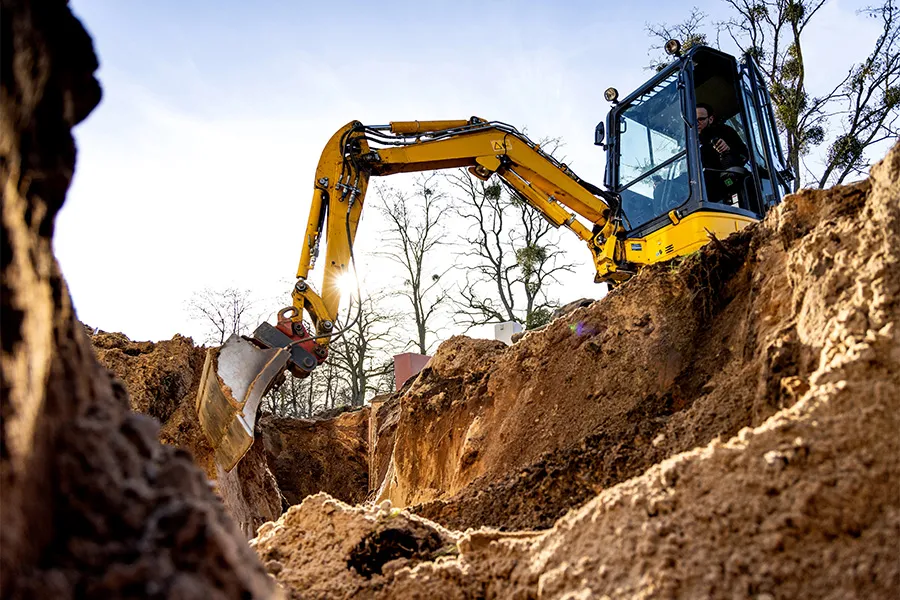
Identify and eliminate hazards
If a particular task cannot be carried out by several people, you must identify and eliminate all hazards. “You also need to ensure the machine you use is suitable for the work you’re going to do,” says Allard Schonewille of Aboma Consultancy. “Is the machine suitable for working alone, or would it be better to use another machine, one with an automatic lubrication system, for example? That would prevent the risk of falling or getting trapped.” Mario gives another example: “When clearing a ditch, you may come across a wasps’ nest. Make sure there’s an EPI pen on board. If the operator is allergic to wasp stings, you’ll then be prepared for an emergency.”
LMRA
In any case, completing an LMRA is mandatory before you start working alone, Mario emphasises. “After all, the employer must provide the employee with a safe workplace. An LMRA is essentially a brief risk assessment and should take no more than a minute. You should also ask yourself whether you’re fit to go out alone. If you wake up with chest pain, an aching arm or simply don’t feel well, let someone else go alone instead. And if you do go out alone, make sure you can call on the right support if something happens. That could mean a man-down system with an alarm button, or a permanent connection via a bodycam or another open channel.”
Opening eyes
Allard says it is wise not to let people with epilepsy work alone. “You also need to make the right judgement if someone is taking medication. Construction and infrastructure is a sector of doers, but sometimes it’s wise to pause and take stock.” Mario agrees. “Our workshops on working alone at the Machinistenscholingsdagen opened many eyes. Everyone recognised themselves in the examples. It’s an overlooked issue that is greatly underestimated.” Allard adds: “Working alone is more common than you think, including on major infrastructure projects. You drive a construction machine further into the project and often don’t realise that you’re no longer under supervision. The rules for working alone apply in those situations too.”
The measures needed to work safely alone vary from one situation and project to another. “You must always ask yourself: can I carry out the work safely, and if it becomes unsafe, can I get myself to safety?” Mario explains. Allard adds: “The health and safety plan must therefore be tailored to the specific project, not copied and pasted from previous work. And if the LMRA is not right, stop work. Above all, use your common sense and check the Abomafoon for a checklist on working alone.”
Question about this story? Ask your question
Keep following this
Get an email when a new story is published. No account needed.
- SubjectSafety