Foundations / Site investigation
Gebr. De Koning celebrates 125 years
Text and images Gebr. De Koning
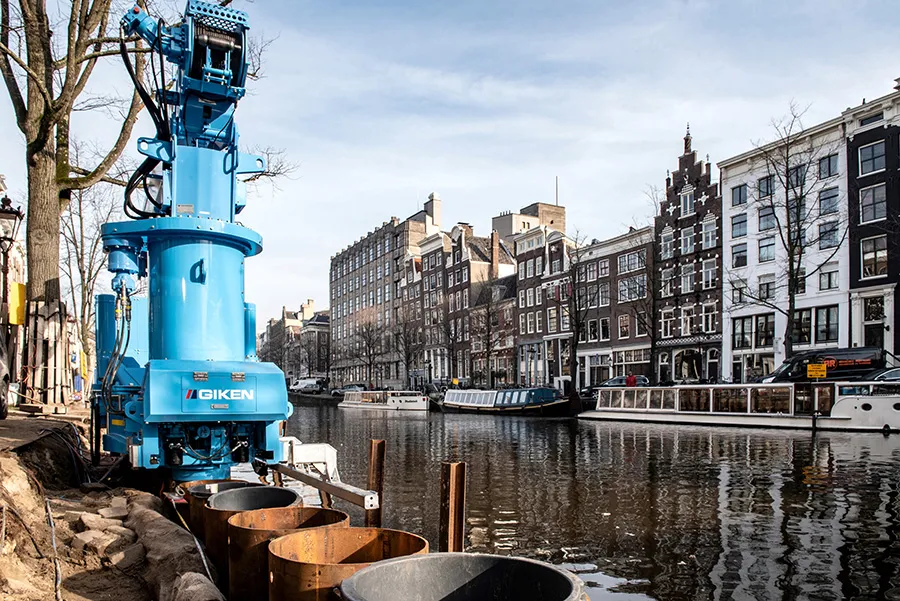
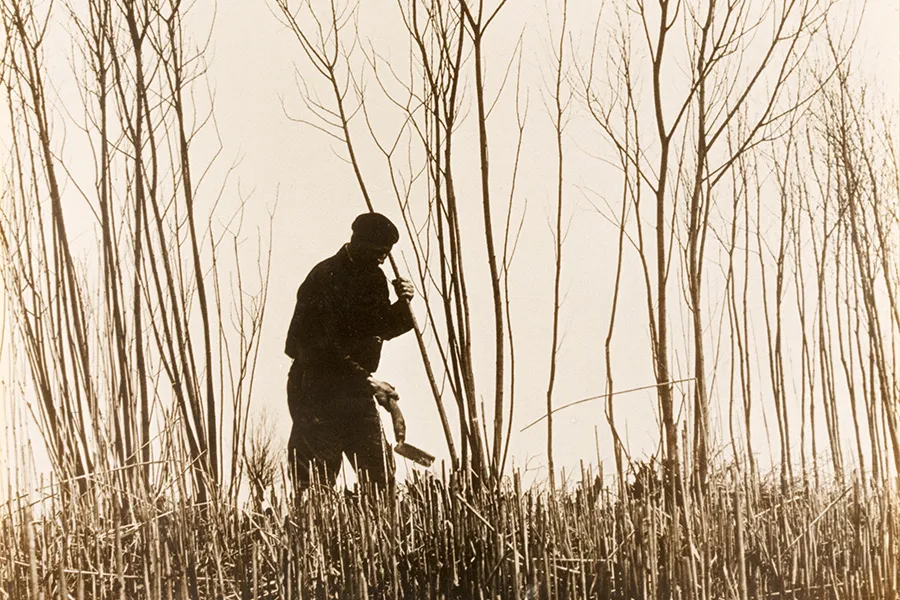
Gebr. De Koning celebrates 125 years. Its history has always been intertwined with activities at the boundary between land and water. The earliest records, dating from around 1680, tell of the De Koning family’s ancestors, then known as Coninck or Keuning, earning their living by trading in coppice wood in the area between Oost-Papendrecht, Sliedrecht and the Dordtse Biesbosch.
In 1900, Ph. de Koning, great-grandfather of the current owners, started a hoop-making business and coppice wood trading operation. Following the Delta Works, which significantly changed the tidal area, and the rise of alternative materials for hydraulic engineering projects, the company had to take a different direction. It moved into hydraulic engineering contracting, including the manufacture and installation of fascine mattresses, as well as the installation of revetments and bridges.
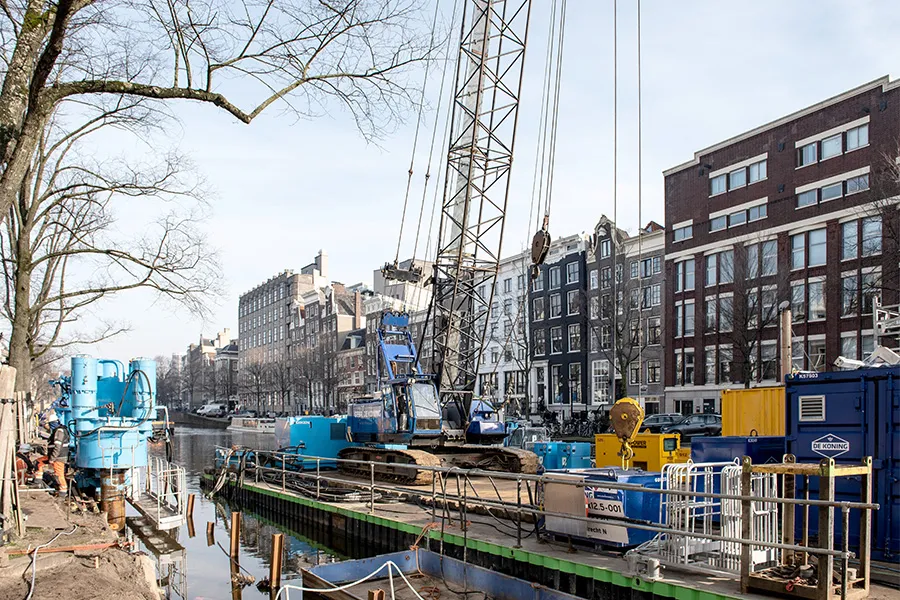
Projects as main contractor
The company acquired its first pile-driving rig in 1962, marking the start of a series of investments in heavy equipment. From the late 1960s onwards, it took on projects as main contractor, increasingly carrying out not only piling work but also civil engineering structures in timber, concrete and steel, including an increasing amount of steel sheet piling.
Investment in equipment
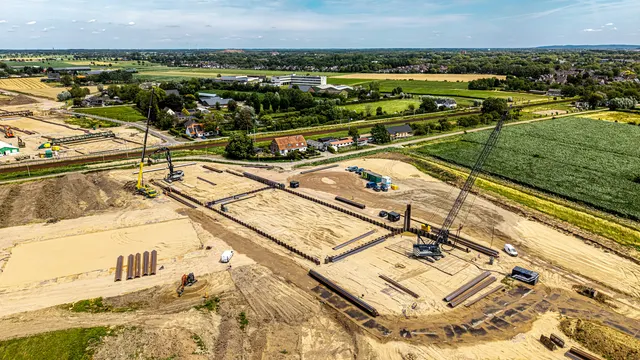
Gebr. de Koning was established in 1978 and has grown steadily ever since. It has always invested heavily in equipment, resulting, among other things, in a large fleet of machinery and a substantial stock of steel sheet piles. In 2011, the company moved to its current site, which houses its office, warehouse, a workshop for fabricating steel structures, a workshop for maintaining its own equipment, and a carpentry workshop for manufacturing precast concrete elements and formwork. The site was expanded in 2022 following the acquisition of the Ph. de Koning, or van Hattum en Blankevoort, site.
More efficient and sustainable
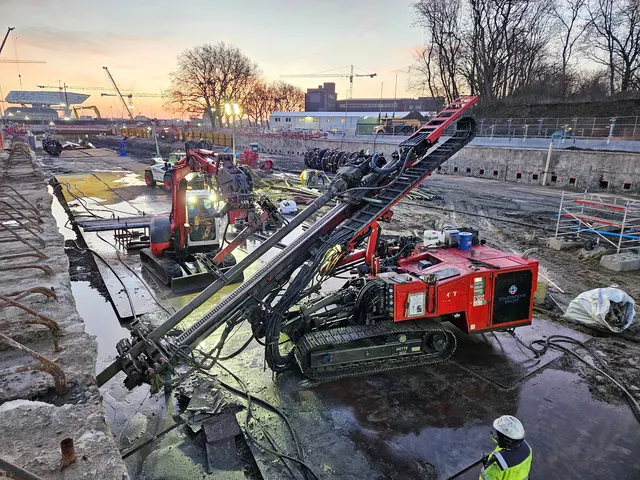
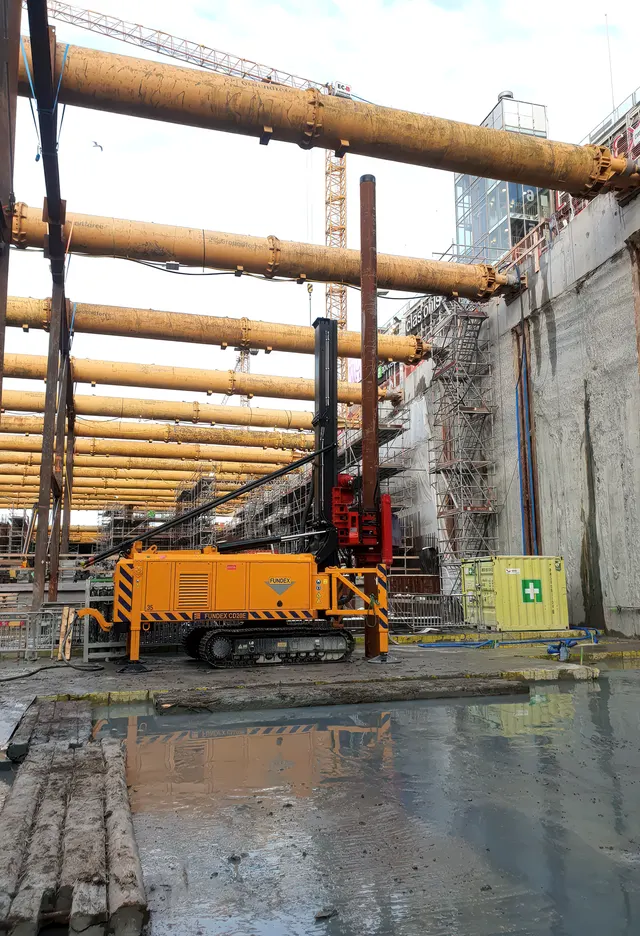
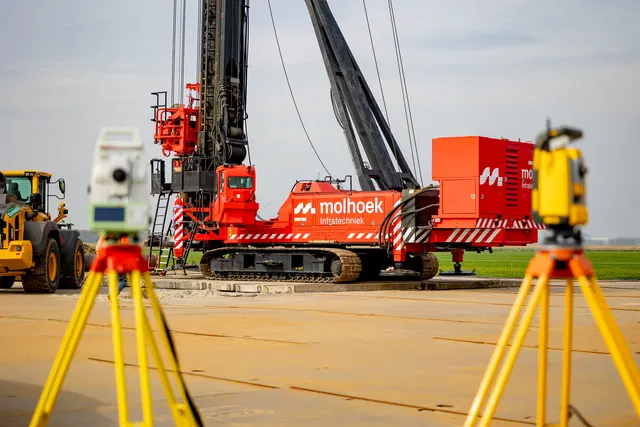
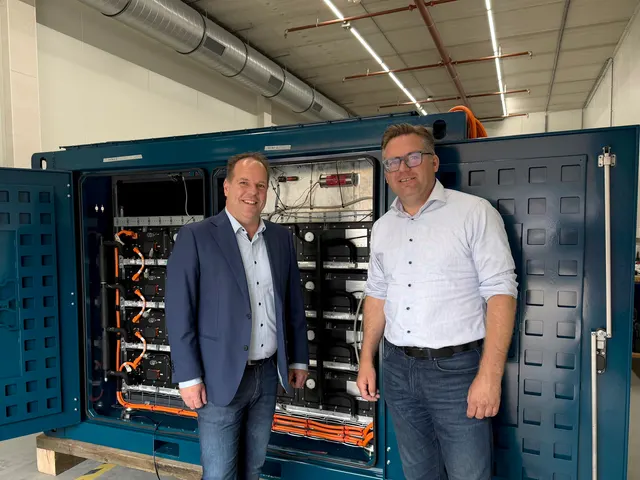
Gebr. de Koning is a relatively large-capacity contractor, delivering infrastructure-related concrete structures and deploying a large fleet of ‘standard’ equipment. Innovation is also part of its DNA. “We continually invest in new technologies and methods to make our work more efficient and sustainable,” says commercial manager Leo van Dijk. “For example, we have invested in the latest innovative concrete technologies, precast production, and vibration-free and emission-free equipment, putting us among the leaders in our industry.”
Challenging environments
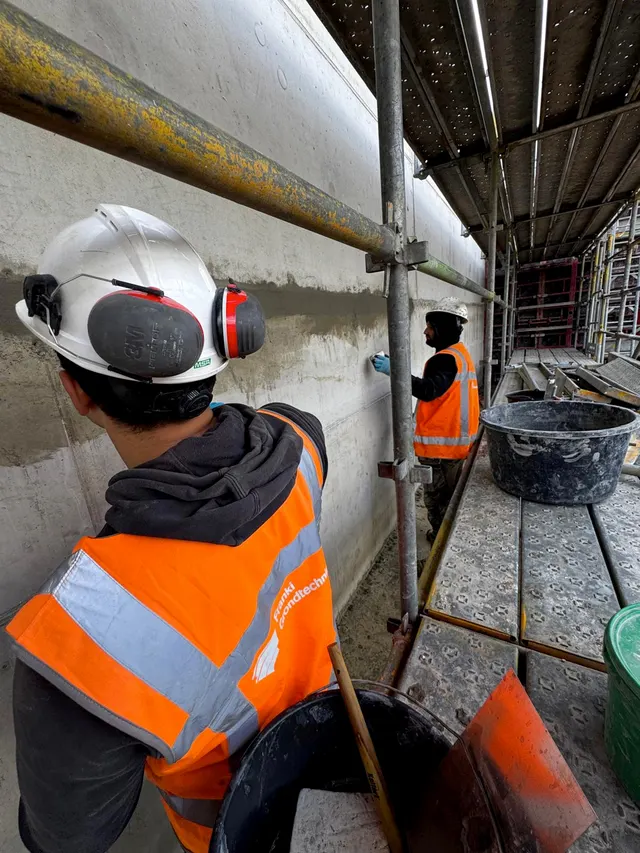
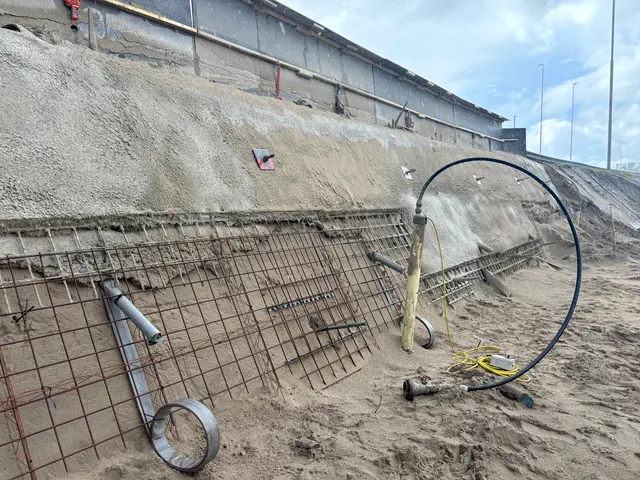
All this equipment enables us to work in challenging environments, Leo continues. “These range from Amsterdam’s historic city centre to the listed Stenendijk in Hasselt, near Zwolle. We also work closely with our own engineering consultancy to develop innovative solutions to complex problems. Whether designing sustainable quay walls or strengthening dykes with minimal environmental impact, we continue to challenge ourselves to lead the sector. Our focus is on sustainability and safety, and we always choose the most suitable equipment and the most effective methods for each project.”
Innovative foundation techniques
Did you know that Gebr. De Koning is also an early adopter of several innovative foundation techniques? Here are just a few of the many techniques:
- Silent Piling Technique (1990): A compact, low-noise, vibration-free pressing technique for steel sheet piles, suitable for urban and sensitive locations.
- High-frequency variable vibration technique (1992): A widely used, low-vibration technique for installing sheet piles and tubular piles.
- Quattro Piling Technique (2008): A low-noise, vibration-free pressing technique that drives several sheet pile sections simultaneously.
- Resonance Technique (2014): A vibration-free technique for installing sheet piles and tubular piles. Suitable for small quantities of sheet piles and hard-to-reach locations.
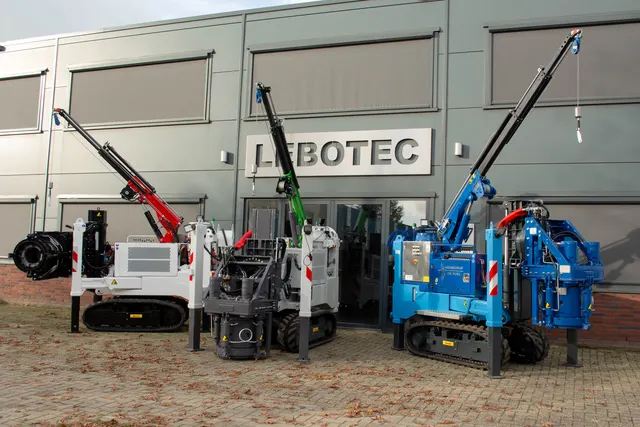
- Super Crush Piler Technique (2020): A compact, vibration-free pressing technique for installing sheet piles in hard ground (for example, boulder clay, sand and gravel).
- Clamp Crane Technique (2021): A space-saving lifting technique, ideal for narrow, hard-to-reach locations.
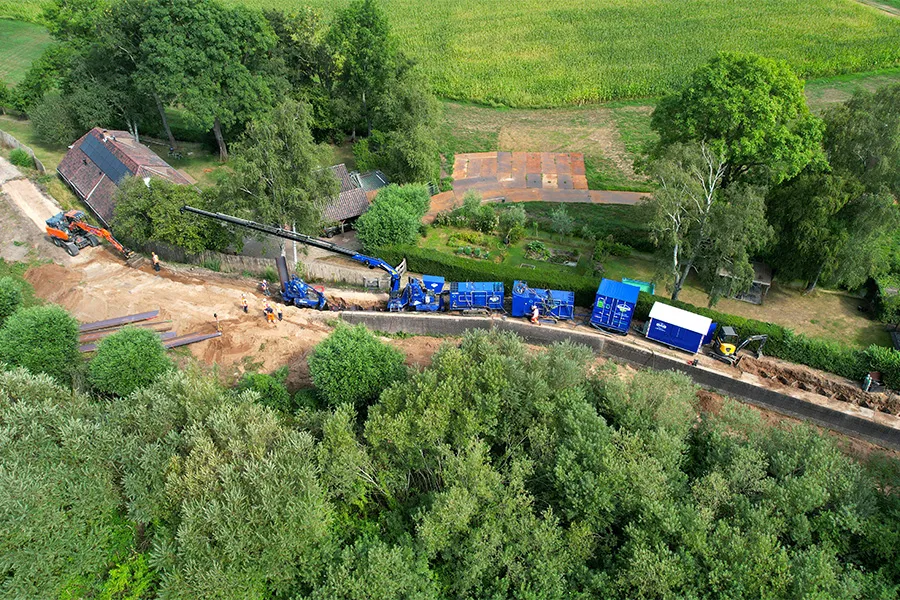
- First emission-free HWBP dyke reinforcement project (2021, Stenendijk Hasselt): A first in the Netherlands, using 100% electrically powered equipment while preserving the listed Stenendijk.
- Gyro Piler Technique (2023): A compact, vibration-free technique for installing tubular piles, using a rotary motion instead of impact driving. Suitable for hard ground: boulder clay, gravel, sand and rock formations.
“These techniques address today’s challenges in emissions, sustainability, environmental awareness, constructability and low costs,” a proud Leo concludes.
Question about this story? Ask your question
Companies in this story
Keep following this
Get an email when a new story is published. No account needed.
- SubjectFoundations / Site investigation
- CompanyGebr. De Koning