Van Geleuken Infra takes the next step in digitalisation with Metacom from VanMeijel
Text Susan Peek Images Van Geleuken Infra
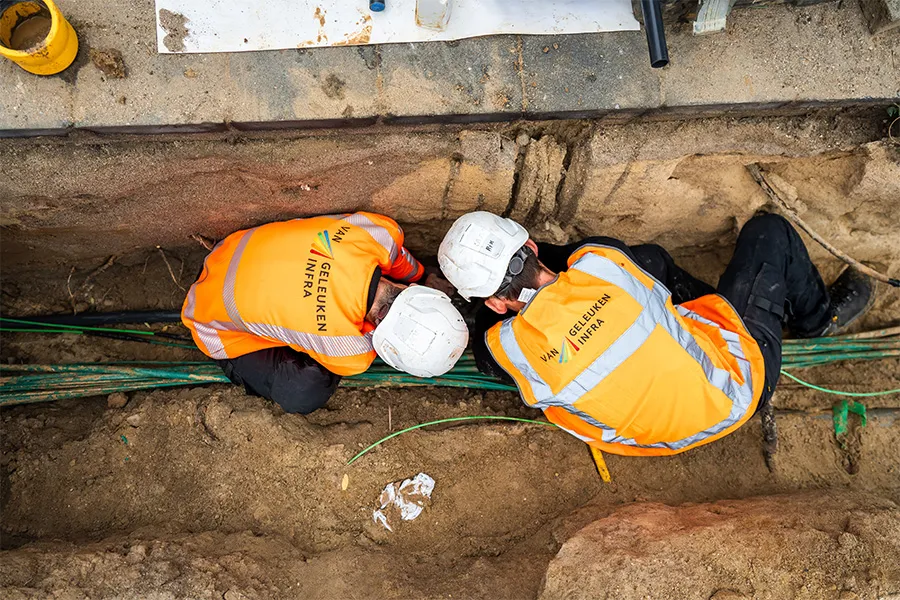
Van Geleuken Infra, a family-owned business from Limburg with 46 years’ experience in underground infrastructure, is pursuing further digitalisation. Since the start of this year, the company has been using Metacom, the ERP system from VanMeijel Automatisering. According to director Jac van Geleuken, who took over the business from his father in 2011, it was a necessary step: “Efficiency is crucial in the world of cables and pipelines. We’re growing fast, but realised that our old systems could no longer support us.”
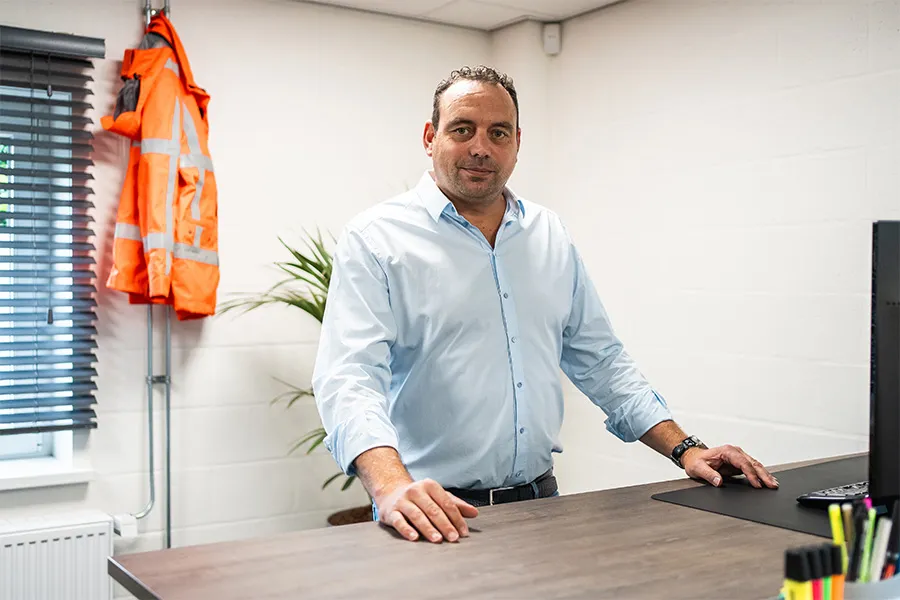
From subcontractor to main contractor
Van Geleuken Infra started out as a subcontractor, but in 2014 made the transition to main contracting, working on behalf of major energy companies such as Enexis and WML. With a new site in Maastricht, the company is responding to rising demand driven by the energy transition. “This requires a significant increase in scale, both in terms of staff and equipment, as well as process optimisation,” says Jac.
Speed and efficiency
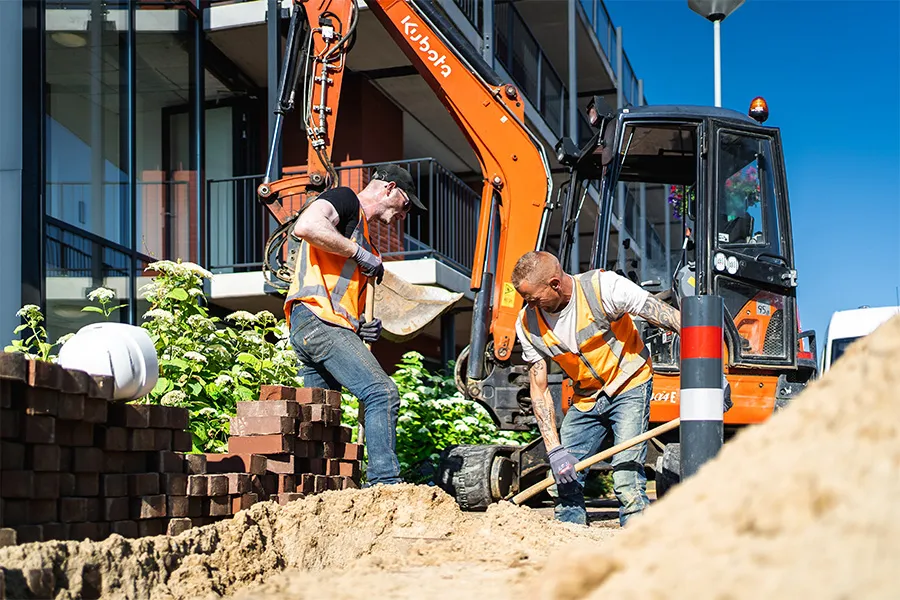
The energy transition calls for the rapid and efficient installation and reinforcement of cable and pipeline networks, while legislation and safety requirements are becoming increasingly complex. To ensure the company was well prepared, Jac set up its own training centre in 2017. “We train not only our own staff here, but also skilled workers from competitors and network operators. Sharing knowledge is crucial to keeping our sector strong and up to date, and I’m keen for my company to contribute.”
From Excel to ERP
To professionalise its internal operations, Van Geleuken Infra switched to an ERP system at the end of 2023. “We were late to the game, but better late than never,” says Jac. Growth in staff numbers and an increase in projects called for a scalable solution. Metacom was chosen, partly to streamline collaboration with other parties, many of which already use Metacom.
Better collaboration
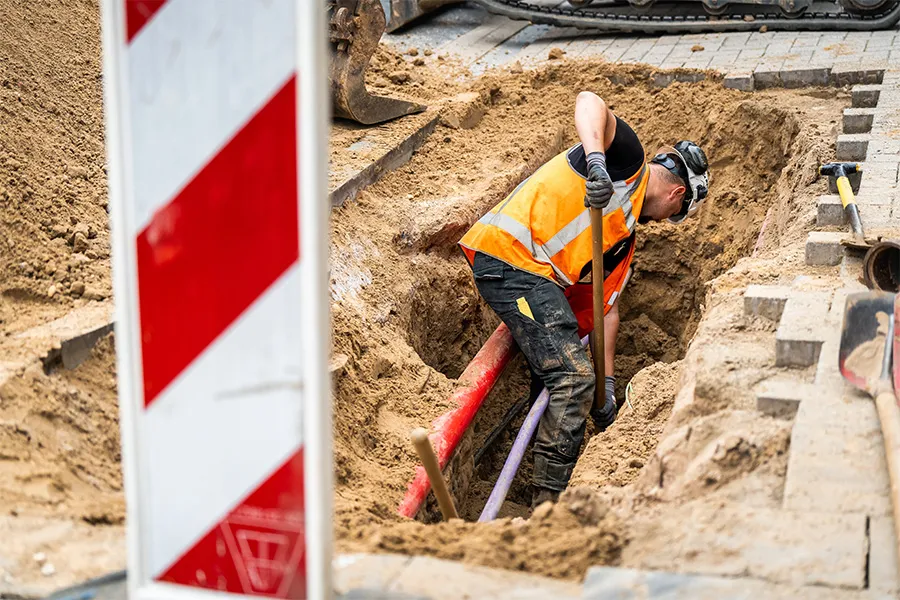
Following an intensive preparation process, the company went live with Metacom on 1 January 2025. “A transition like this never goes entirely smoothly,” Jac acknowledges. “There was resistance, not to the system, but to the change itself. Our organisation was also not used to working with this kind of system. We went straight from Excel to ERP. That takes time and effort, and of course you also want to prevent people from working around the system.” Jac now sees a genuinely positive mindset: “Employees are seeking opportunities to work together more often, both with support departments and among colleagues in the field and in the office. Metacom acts as a connecting link, bringing people and processes together.” Accountability within business processes is now being placed where it should have been from the outset, both in principle and organisationally.
Practical benefits
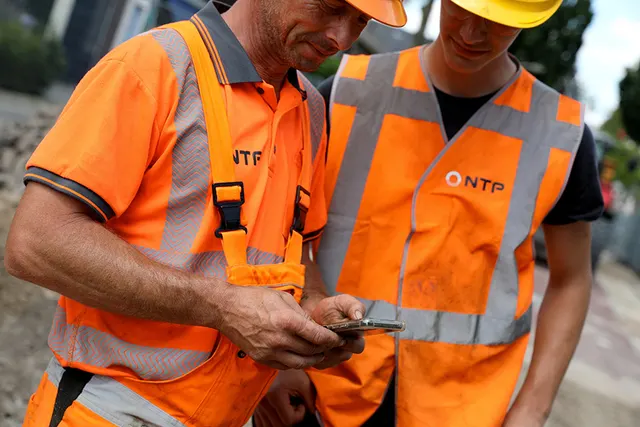
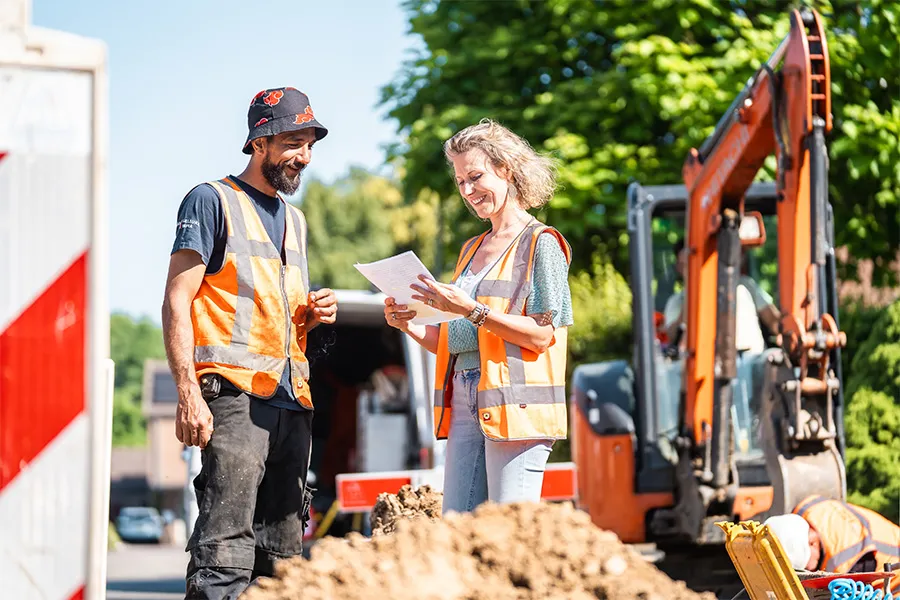
The implementation also includes further integration and digitalisation of processes such as time recording. Everything is now entered directly into Metacom digitally, using tablets in the field and laptops. “That saves a lot of time and prevents delays and errors. We can already see that less rework is needed. Approval of purchase invoices, preceded by the recording of commitments, is also much faster,” Jac explains. The projects module and invoicing process have also been integrated into Metacom, although the latter remains a challenge. “Our complex settlement process was flexible in Excel, but highly error-prone and heavily dependent on individuals. Metacom now enforces a more or less standard way of working. It takes some getting used to, but it reduces errors and improves transparency and efficiency, while giving us a much clearer picture of the stages in our processes. It also brings about internal changes to tasks and responsibilities that had become unbalanced over the years. In time, the system will pay for itself.” Jac is convinced of the benefits of the new way of working. “The system is a tool, not an end in itself. It helps us work more efficiently.”
From implementation to optimisation
Collaboration with VanMeijel Automatisering played an important role in the implementation. “At first, we were finding our feet, but over time the teams got better at working together,” says Jac. A core team representing a range of disciplines, from operations and work preparation to financial and technical administration, analysed the processes and configured them in Metacom. “We made a conscious effort to build support for the system across the organisation. The system helps, but the question is how to make the best possible use of it. We’re now at 85% of where we want to be, and we’re still learning every day. Support and acceptance are continuing to grow too.”
A future-proof organisation
For Van Geleuken Infra, the move to Metacom marks an important step forward. “It was challenging at times, but we can also see the benefits. People are rolling up their sleeves and helping each other. That says a lot about our organisation,” says Jac.
Now that the system is in place, the focus is on maximising returns and efficiency. “I expect us to be fully accustomed to the way of working before long, and to make the most of the improved collaboration and structure that Metacom brings.”
Een zakelijke vraag aan Van Meijel Automatisering BV? Get in touch
Companies in this story
Keep following this
Get an email when a new story is published. No account needed.
- ThemeDigitalisation from design to construction
- SubjectDigitalisation & software
- CompanyVan Meijel Automatisering BV