The benefits of integrated planning in infrastructure
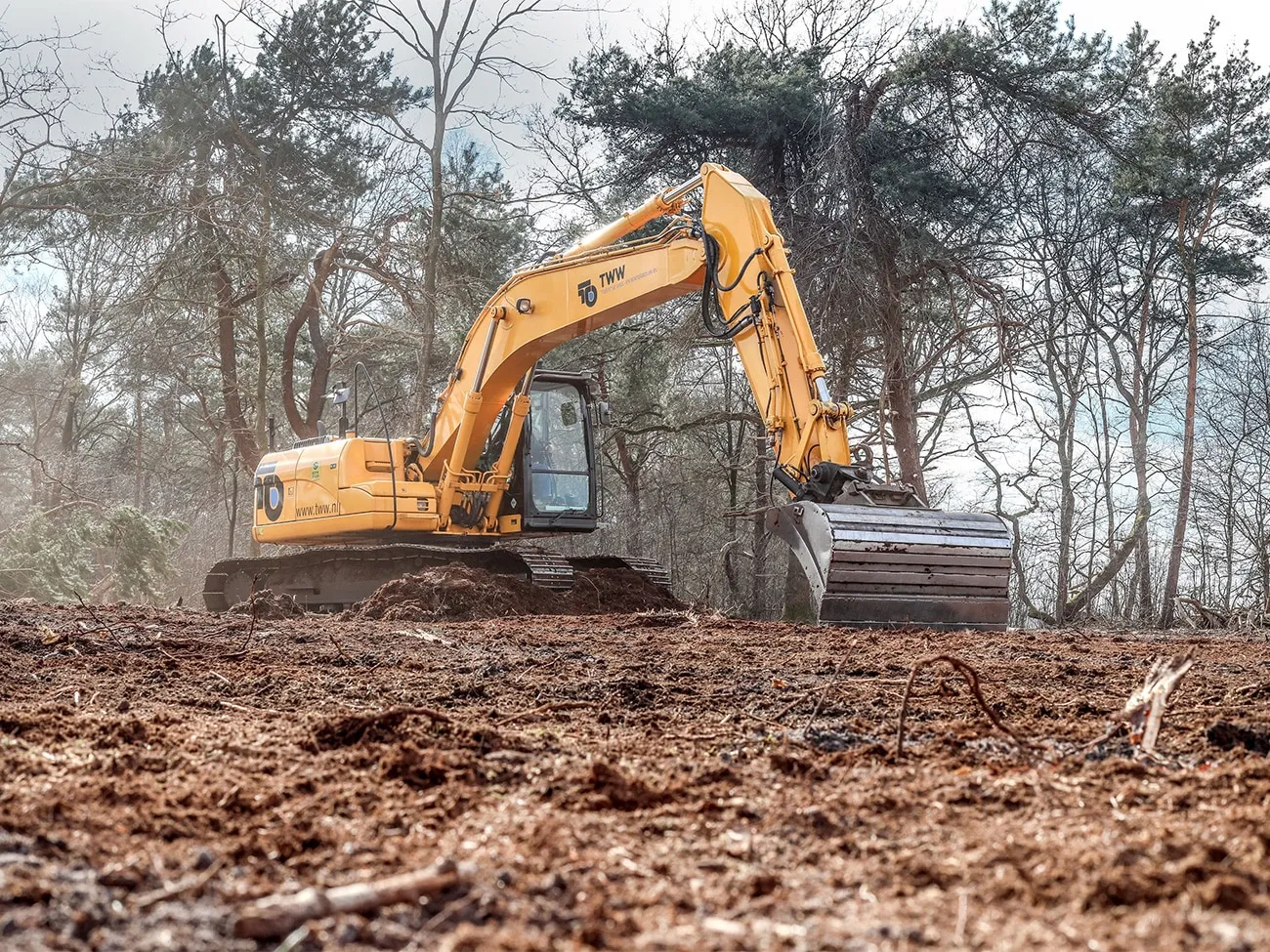
Every contractor in the civil engineering, road construction and water management sectors understands the importance of efficiently planning people and resources. But first you need to know what you are planning, and recognise that software can be an important tool. BouwInfosys provides specialist software for the construction, infrastructure and building services sectors, not only as one of the largest software companies in the Netherlands, but also as one of the fastest-growing.
Integrated planning
“When efficiently planning people and resources, we always look at reusing information that has already been obtained,” says Arno Berwers of BouwInfosys. “Compared with the traditional approach, we offer a software solution that is fully integrated with the back office. This lets you make the most of entering information once and reusing it. In other words, efficient integrated planning!”
Fast, simple and transparent
“When a company buys a piece of equipment, the administration team has already created a record for it. The system is set up and integrated in such a way that the equipment can then be managed efficiently, from simple planning using a graphical drag-and-drop planning board to recording inspections on site or maintenance on machines,” says Berwers, continuing: “The workshop can see this schedule and influence it directly. This means the workshop and planner can quickly decide together to bring an inspection or maintenance forward or push it back, so that the equipment is available when needed.”
“Once a contract has been awarded, the site manager decides how the project will be delivered: which activities need to be carried out and when, and which machines and people are required. In our system, we distinguish between long-term and short-term planning. These are linked to each other too.”
Long-term planning
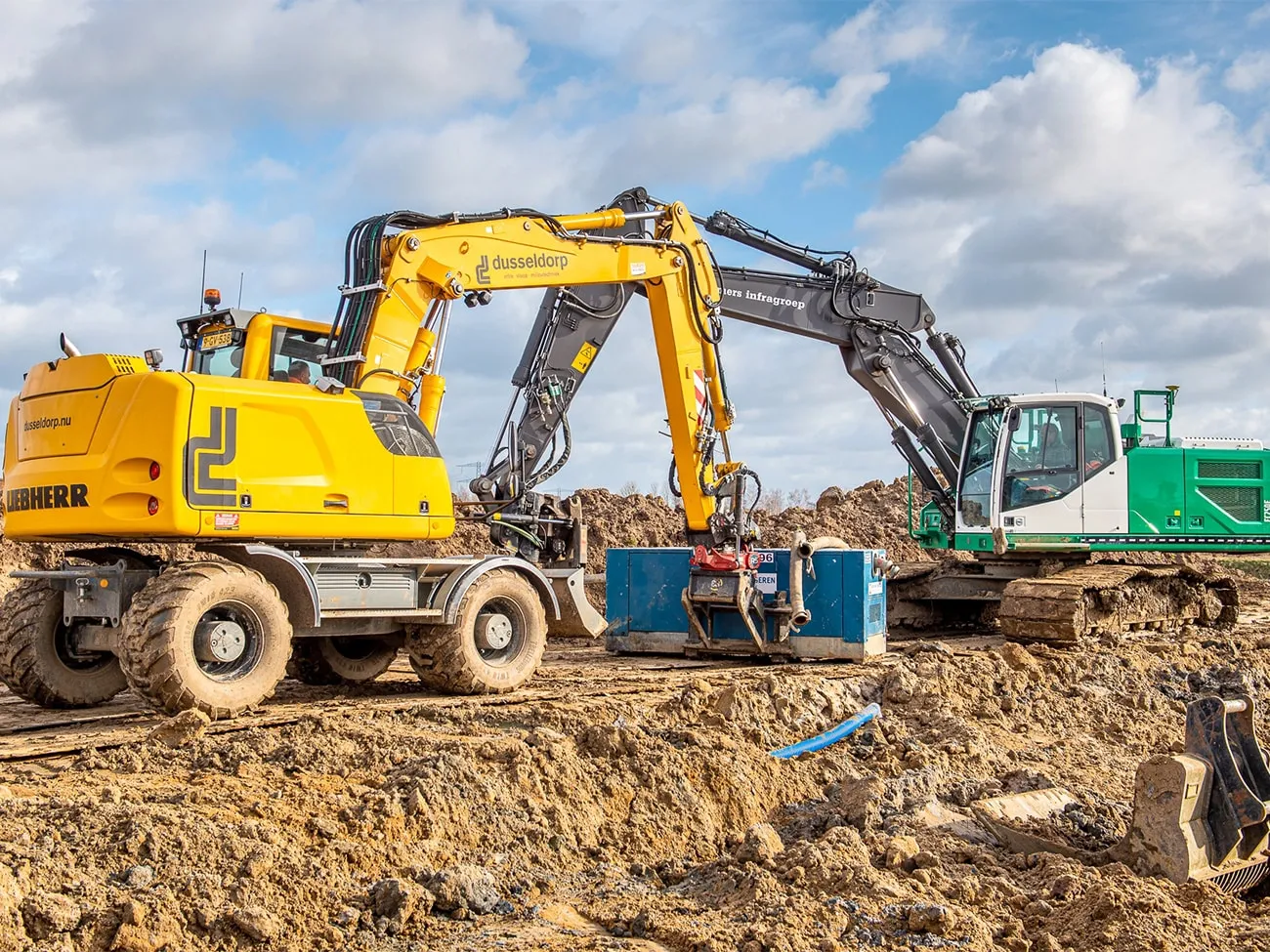
“For larger projects, the site manager, often together with the project manager, draws up the project schedule. This gives the planner an idea of how many machines are needed, and when. For example, they might know that a project needs 2 crawler cranes and 3 wheel loaders in week 35. The system helps the planner see straight away what resources are available. Are there enough crawler cranes, and where are they? If there are not enough available during that period, the planner can see whether the schedule can be adjusted or whether additional crawler cranes need to be hired. Hired equipment can also easily be added to the system, so it can be scheduled or requested straight away and the project is not put at risk. This is particularly important in times of tight supply.”
Short-term planning
“The benefits of integrated planning come from being able to see available and required capacity, and match the two,” says Berwers. “Ideally, you keep your own equipment busy while ensuring that you do not need more than you can hire in.” Once the long-term plan is in place, the site manager requests the specific pieces of equipment needed for the job through the short-term planning function. “Using a tablet, they can easily request a crawler crane for Tuesday to Friday. The planner sees the request on the planning board and schedules an available crawler crane. The system asks whether any attachments are needed and shows which ones might be suitable. These can be scheduled at the same time.”
Equipment, attachments and people
“Naturally, you also want to be able to schedule people as well as equipment and attachments. Our system makes that just as easy. Because everything is linked, each person knows exactly what work they will be doing, where they need to work and which equipment, including attachments, they need to take with them. They can also see straight away how many hours they are scheduled to work that day: the expected hours appear on their phone, and they only need to confirm or amend them. The system also integrates leave, absence and working-hours records for all employees. It all contributes to greater efficiency and fewer errors.
That is the huge advantage over standalone planning programmes and apps,” Berwers concludes.
A business enquiry for BouwInfosys BV? Get in touch
Companies in this story

Keep following this
Get an email when a new story is published. No account needed.
- ThemeDigitalisation from design to construction
- SubjectDigitalisation & software
- CompanyBouwInfosys BV