









Safety as a requirement in tenders and contracts
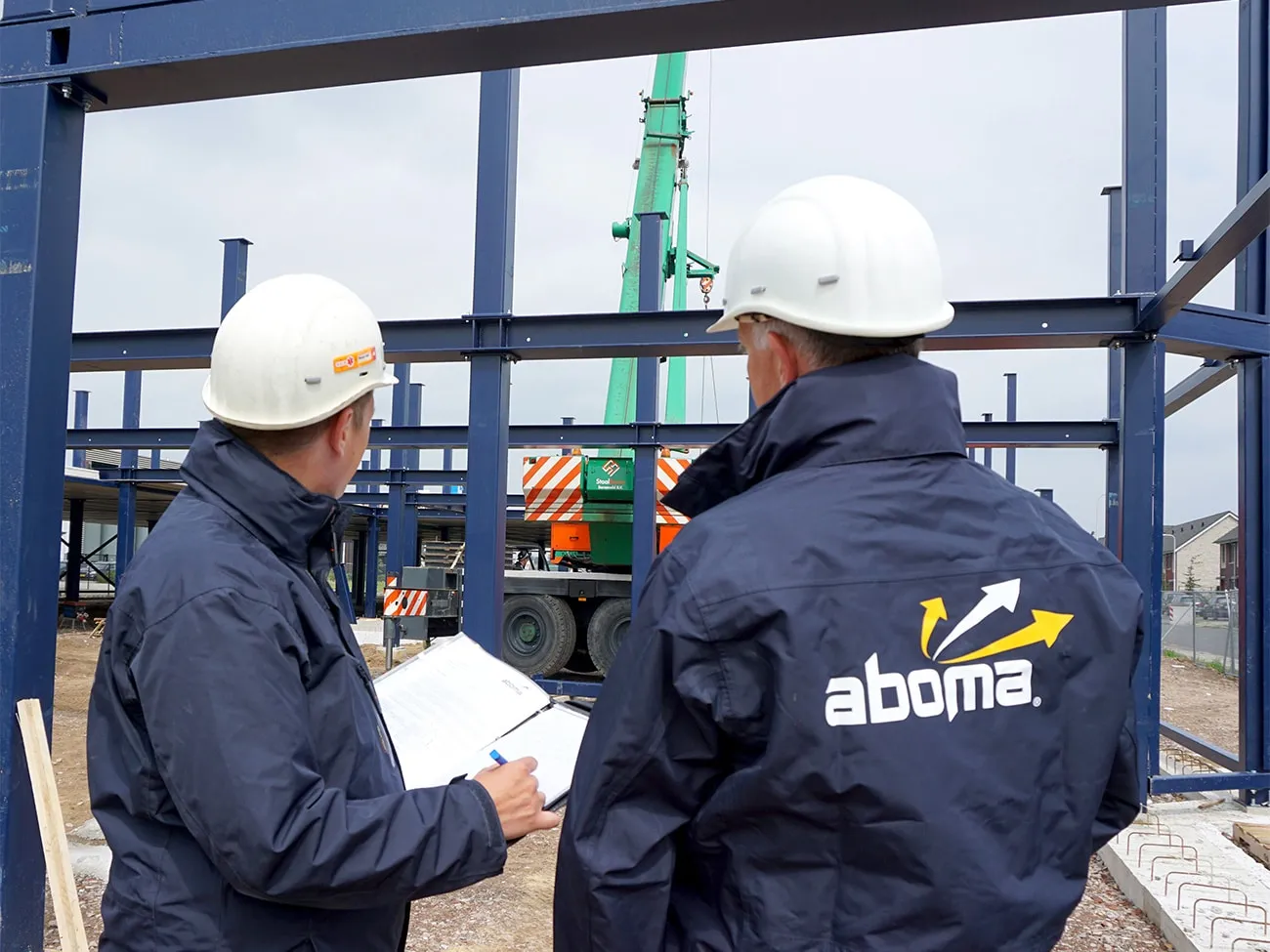
More and more companies and organisations are joining the Governance Code Veiligheid in de Bouw (GVCB). It is a partnership between clients and contractors aimed at improving safety throughout the supply chain.
From 1 January 2022, companies must have implemented the Safety Culture Ladder (formerly the NEN Safety Ladder) throughout their organisation if they are to carry out work for parties that have adopted the code. Aboma Advies supports companies through this process, while Aboma Certificering can certify them against the Safety Culture Ladder.
“The Safety Culture Ladder is about behaviour on site and within organisations more generally,” says Harry Spies of Aboma. “Safety has always been an issue. The focus has often been on the technical safety of machinery, for example, and companies have made considerable progress in that area. The same applies to organisational safety, which is safeguarded in part by VCA, ISO 45001 and other management systems. But there is still room for improvement when it comes to safe behaviour. That is what the Safety Culture Ladder is designed to address. It concerns the entire organisation, not just the workforce, but also middle and senior management.”
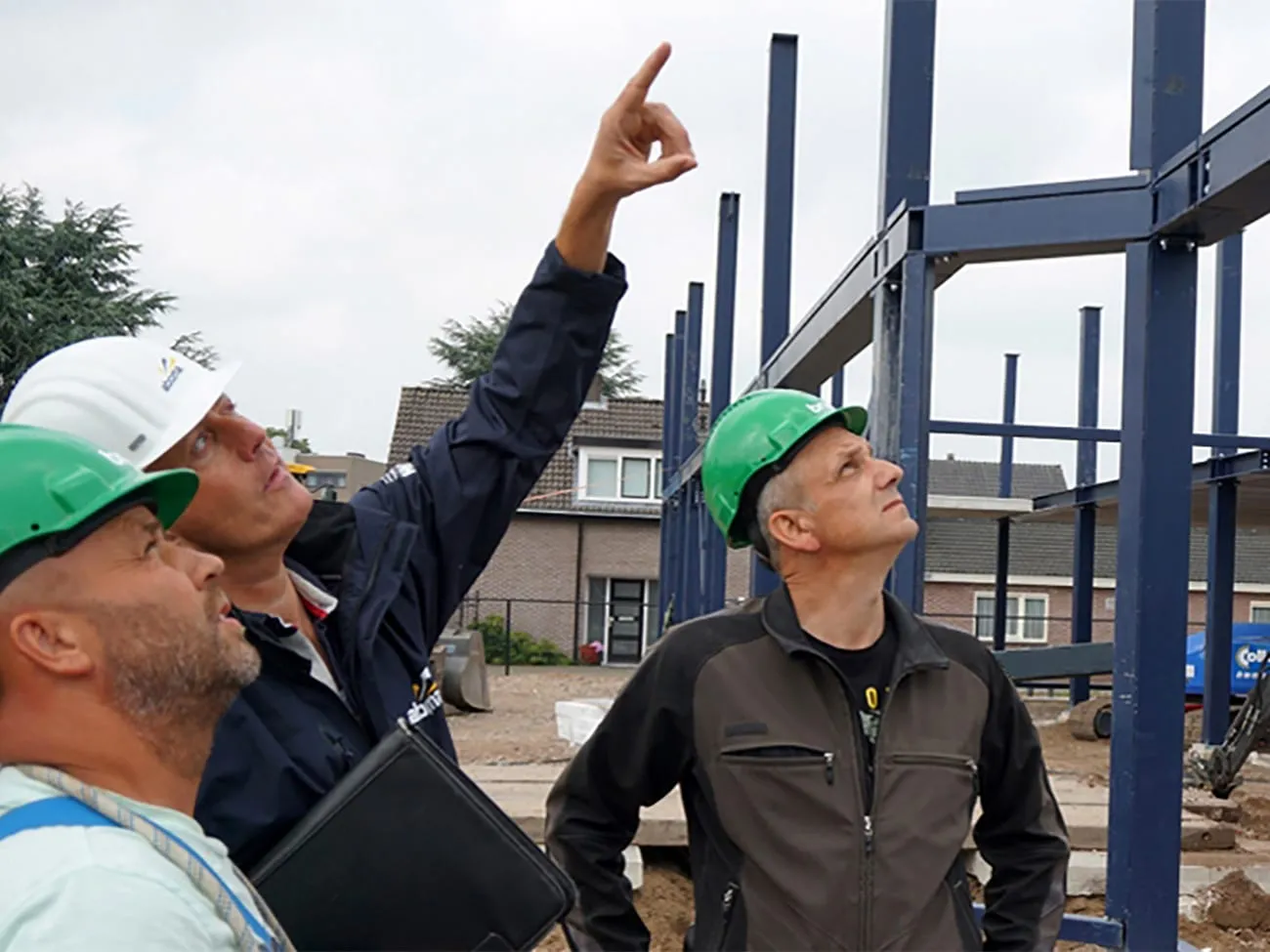
Time is running out
From 1 January 2022, companies will need to be certified at least at level 3 of the Safety Culture Ladder to take part in a tender, for example with ProRail or Rijkswaterstaat, or to carry out work for infrastructure contractors that have signed up to the code. “Naturally, that does not happen overnight. It requires an extensive implementation and certification process,” says Spies. “We can support companies at every stage with an approach tailored to their needs. This often starts with a baseline assessment to determine where the organisation stands. Based on its ambitions, we draw up an action plan to reach the desired level. We guide companies through the steps they will take themselves, provide training to raise employees’ safety awareness, carry out observations on site and support senior management.”
“Companies where safety is naturally embedded in the organisation can reach level 3 without much extra effort,” says Spies. “Most, however, face a real challenge, so we advise them to aim for step 2 first and then move on to level 3. It is possible to do it in one go, but that requires a longer preparation period. Changing people’s behaviour takes time. If clients require them to demonstrate level 3 certification from January 2022, time is now really starting to run short.”
Question about this story? Ask your question
Keep following this
Get an email when a new story is published. No account needed.
- ThemeViable projects and strong collaboration
- SubjectNews







