









Experienced infrastructure contractor offers an interesting approach to the Netherlands’ construction challenge
Text Carolien Klees Image KleesMedia
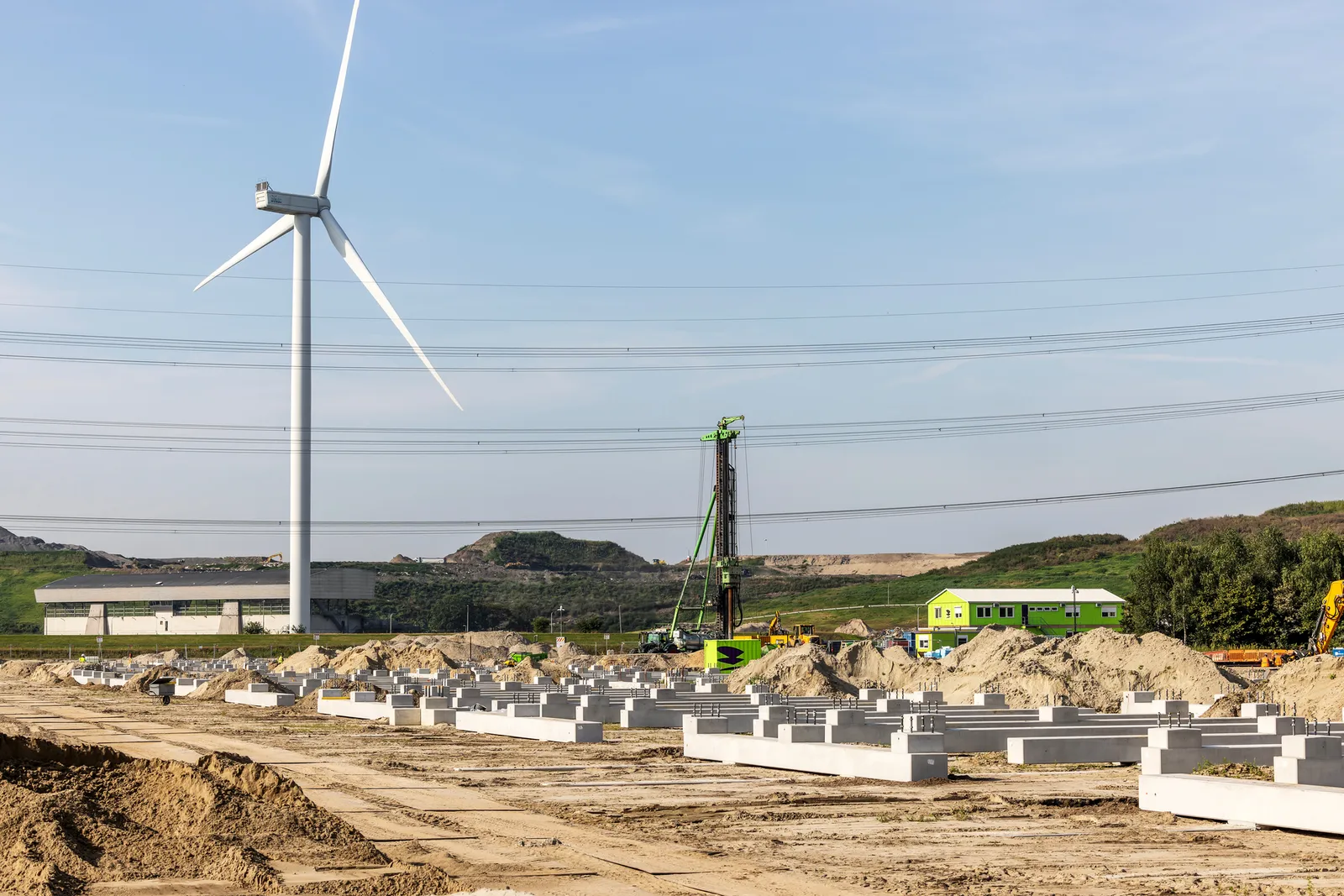
The Netherlands faces a construction challenge that exceeds available capacity. Bridges, tunnels, roads, locks and water infrastructure need maintenance or renewal, while infrastructure, energy networks and housing also need to be expanded. On top of that, the country must prepare for climate change. There are more projects, but not automatically more people, resources or time. Mobilis offers an interesting perspective on this challenge: rather than treating it simply as a construction task, it should be approached above all as an organisational challenge. By planning earlier, working together more effectively and grouping repeatable projects more efficiently, the sector can achieve more with the same scarce capacity, says managing director Remco Hoeboer.
“The question is not just what needs to be built, but above all how we can make it deliverable,” says Remco. “Rather than treating every project separately, we see opportunities to organise work more effectively, bring parties together and build on insights as they emerge.”
A key role
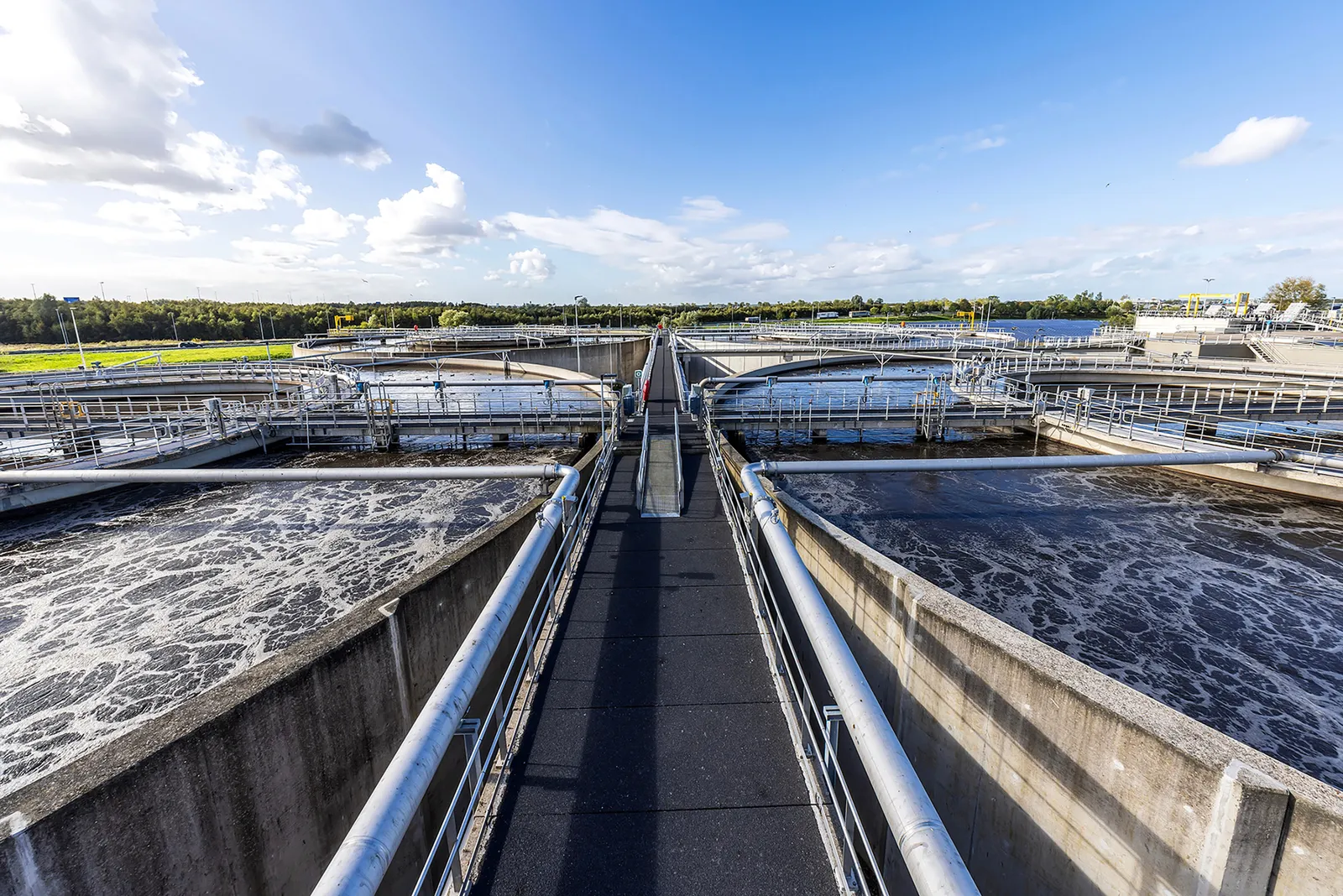
As an infrastructure contractor, Mobilis works on complex projects involving roads, bridges, tunnels, locks, wastewater treatment plants and energy infrastructure. The company is part of the TBI group and works as a main contractor with clients, specialist partners and suppliers. Remco believes that this is precisely where its added value lies. “We are at the point where interests, engineering and delivery come together. That means you need to be able not only to build, but also to bring parties together and think ahead.”
Mounting pressure
Alongside time pressure and shortages of capacity and resources, there is another limiting factor: “Keeping things moving is an absolute requirement. That makes the challenge even bigger and more complex.” Divisional director Rutger de Jong adds: “What matters most is the way all these developments coincide. Projects do not follow neatly one after another. They pile up, while available capacity does not automatically grow to match. That is exactly why we need to look much more closely at planning, preparation and collaboration.”
This shifts the focus from individual projects to the sector’s overall production capacity. When the same people, machines and specialists are needed in more and more places, organising the work becomes at least as important as carrying it out.
Planning and coordination up front
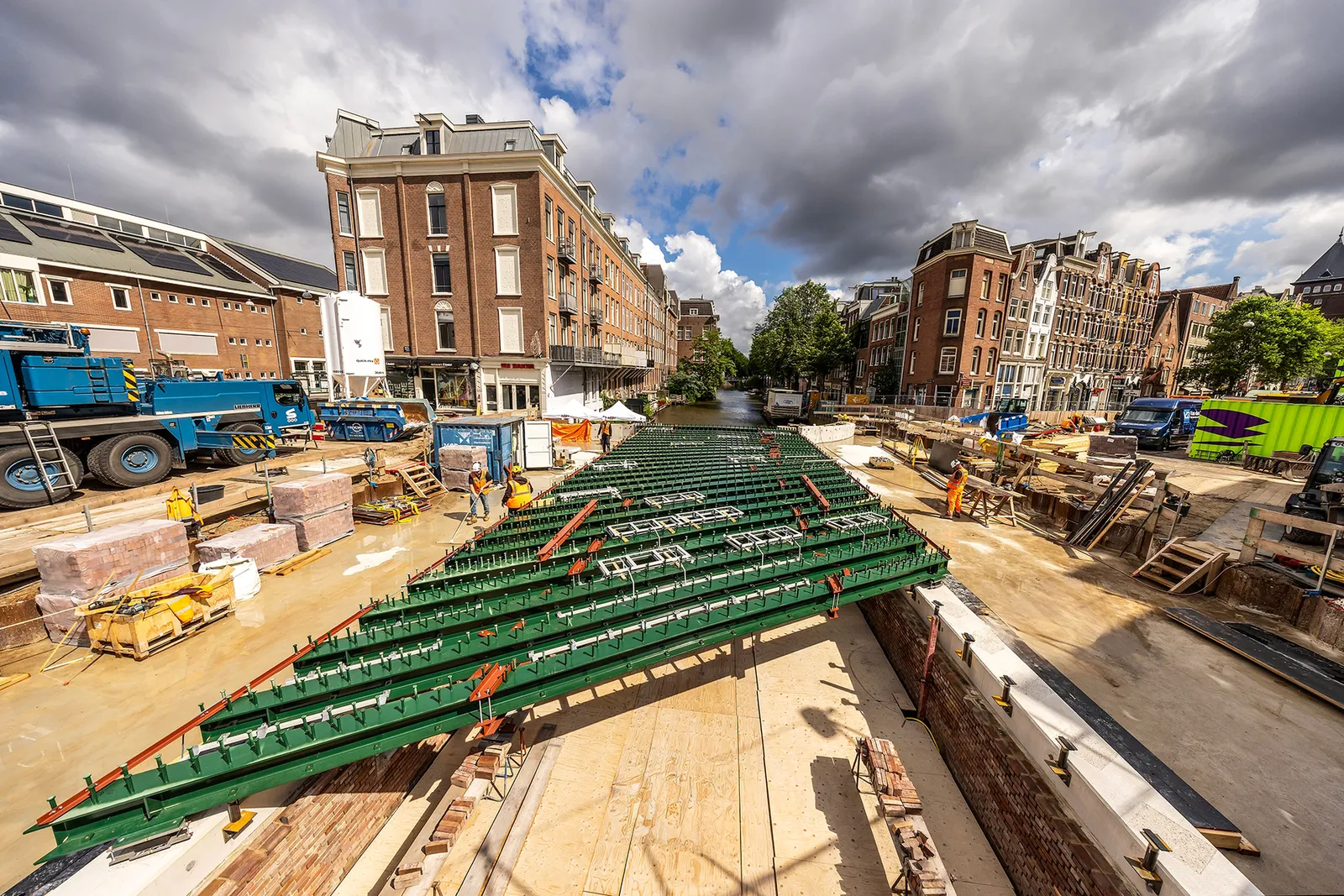
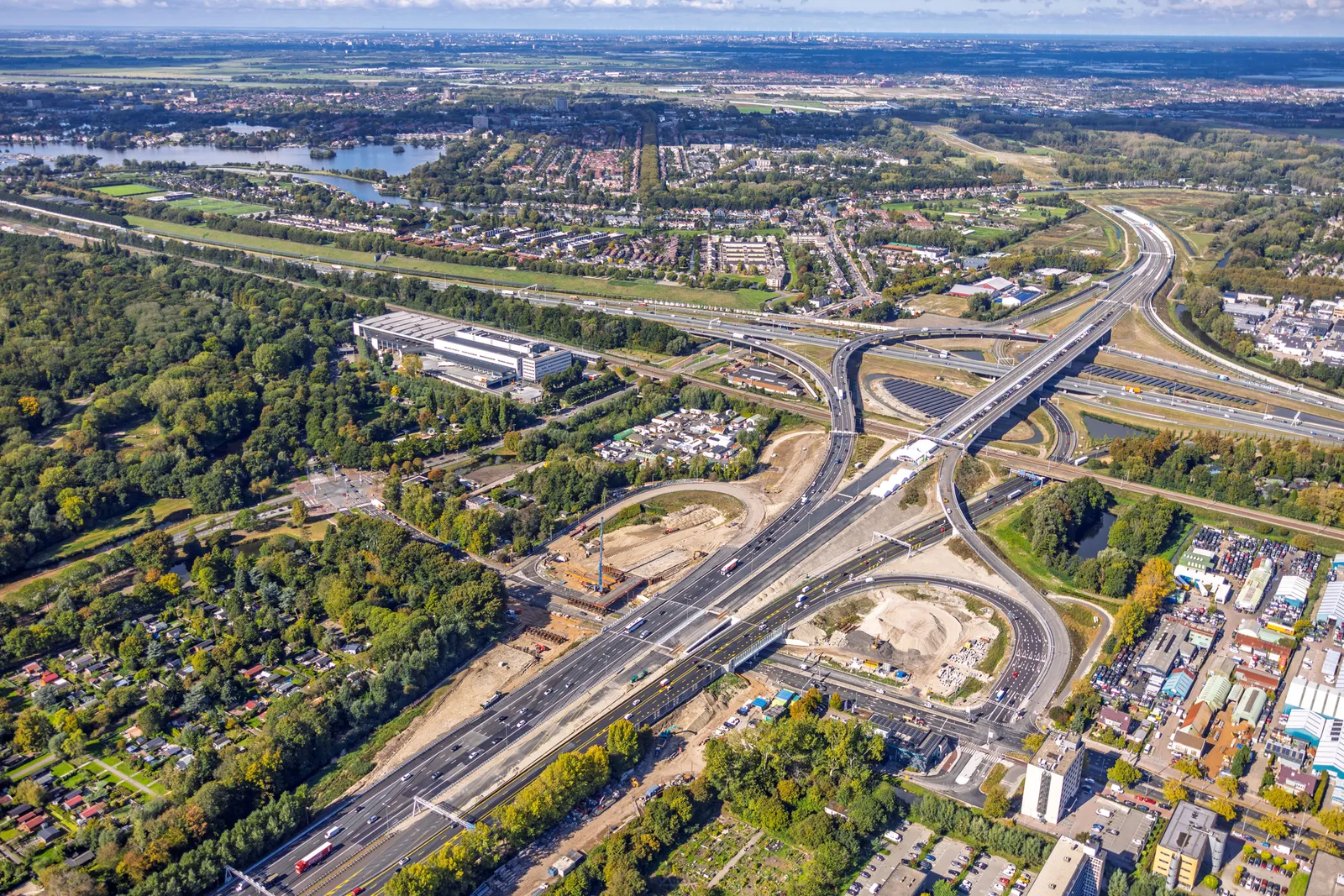
Mobilis believes part of the solution lies in taking greater control at an early stage. This applies to government as the client, as well as to the way projects are brought to market and coordinated with one another. If work on roads, bridges or other vital connections is not properly coordinated, disruption for users and the surrounding area can become unnecessarily severe.
“Keeping things moving requires coordination across project boundaries,” says Remco. “If you only start taking the lead when work is about to begin, it is often too late. The real gains come at the outset: which projects can run at the same time, which cannot, where can work be combined and where does it need to be phased?”
Rutger believes procurement can also benefit from taking a longer-term view. Repeatable works, for example, lend themselves to being grouped together. If similar projects are not organised from scratch every time, the sector can retain knowledge and work more efficiently. Teams become better attuned to one another, processes become more predictable and innovations have more opportunity to prove themselves in practice. Remco explains: “Specialist expertise often lies with partners and suppliers. Involving them earlier means solutions can be better designed for constructability, maintainability and sustainability. That turns innovation from an add-on into an integral part of the project.”
Continuity
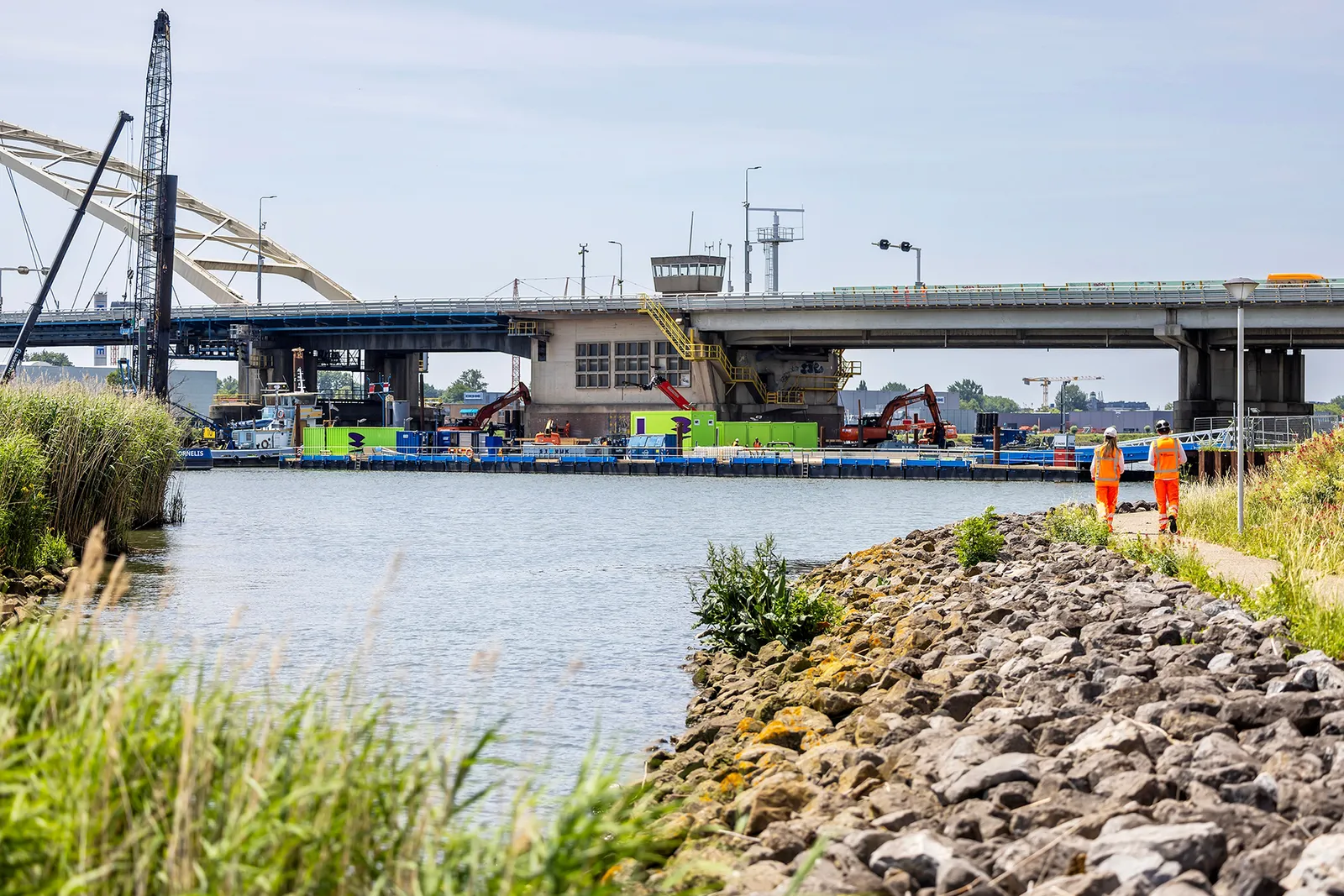
“Continuity is more important than people often realise,” says Rutger. “If you keep starting again with different teams and different assumptions, you lose a lot of accumulated knowledge. Organising repeat work intelligently can improve quality and shorten delivery times.”
In this context, Mobilis describes itself as a main contractor that brings people together. By involving clients, designers, suppliers and specialist partners early, technical choices, sustainability requirements and local interests can be better aligned.
This is especially important on complex projects, where infrastructure often has to remain partly available during the works. In these situations, success depends not only on the technical solution, but also on phasing, communication and preparation.
“Complex infrastructure requires an overview,” says Remco. “You need to understand what a design decision means for delivery, the surrounding area and the programme. Our role is to connect those different worlds.”
Standardisation and modularisation
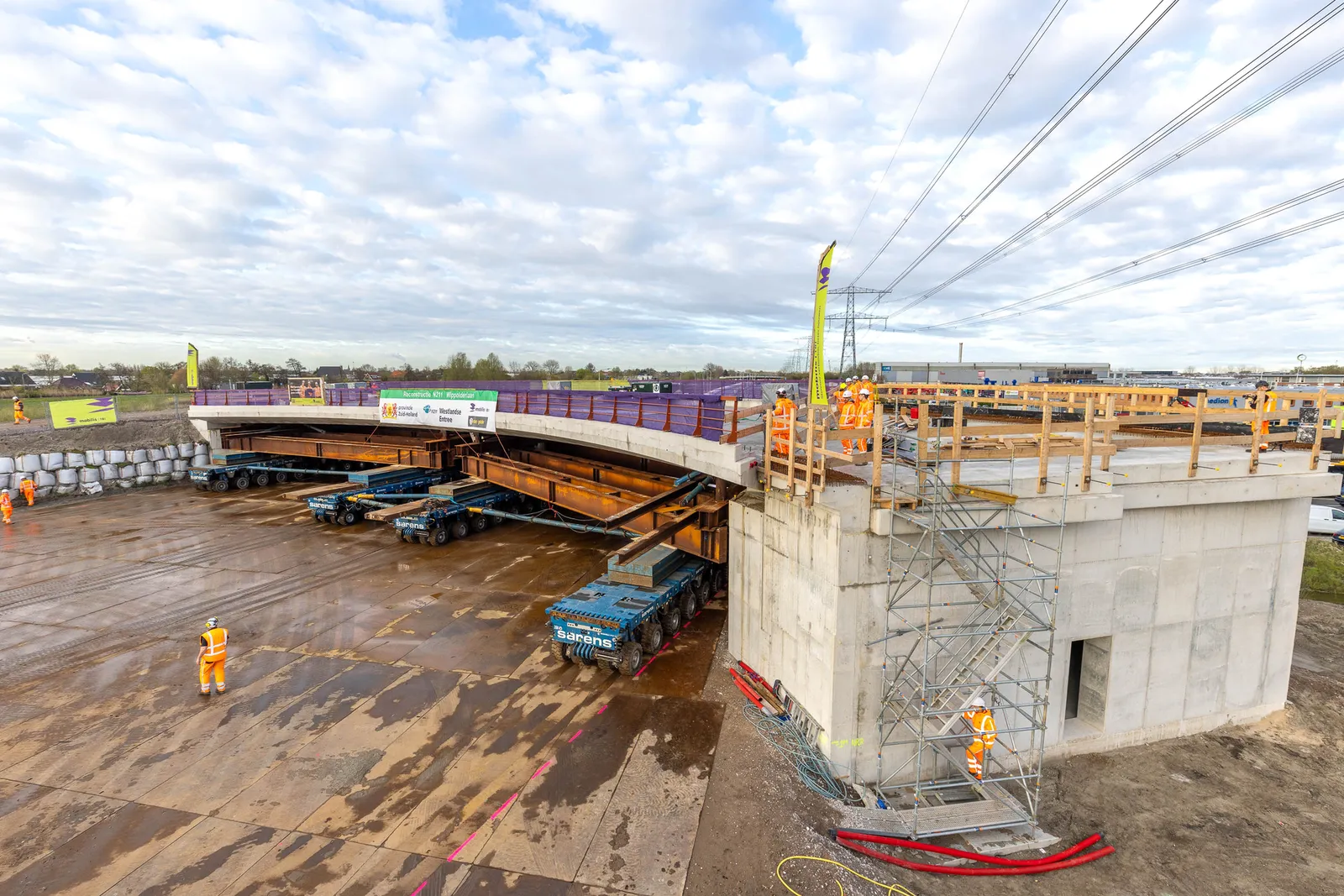
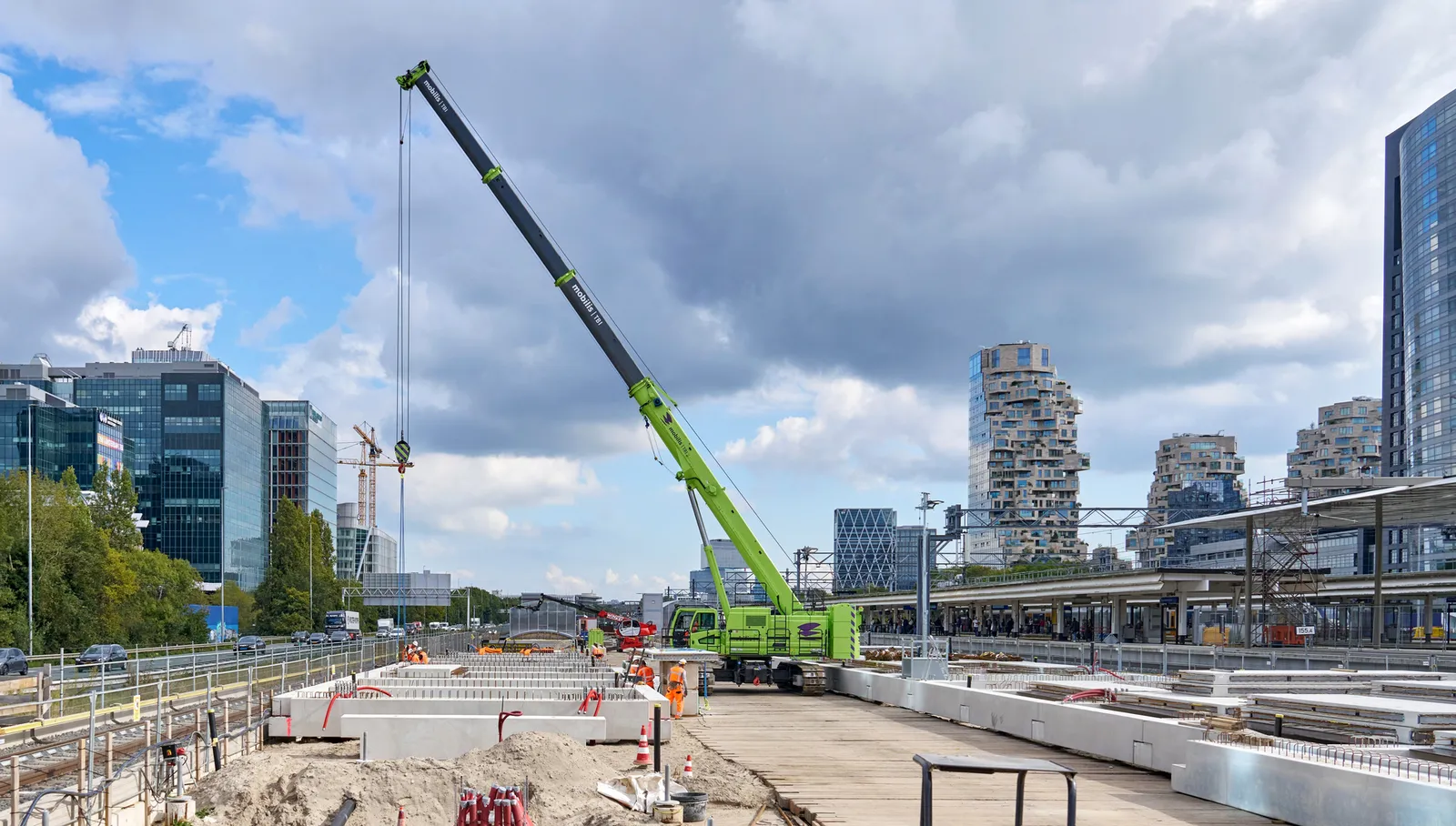
Where projects are unique, bespoke solutions remain necessary. But where components can be repeated, Mobilis sees clear opportunities for standardisation and modularisation. Using established design principles, prefabricated components or modular systems more often, for example, allows a larger share of the work to be prepared in controlled conditions. This reduces risks on site and gives greater control over delivery. It also makes construction faster, improves consistency of quality and reduces disruption to the surrounding area. “The importance of minimising disruption should not be underestimated,” Rutger stresses, “because many projects take place in densely populated areas, and access often needs to be maintained as far as possible while the work is under way.”
A more predictable process makes planning, cost control and risk management easier. It can also help ease the pressure on scarce skilled workers. “When less work has to be resolved on an ad hoc basis on site, delivery becomes more settled.”
Sustainable choices
Sustainability is playing an increasingly important role. Infrastructure projects have a lasting impact on their surroundings. Mobilis therefore considers sustainable material choices, cleaner construction methods, electric plant and ecological measures that enhance the living environment.
Remco says: “This is not just about ambitions on paper. Design, preparation and delivery determine how much disruption you cause, which materials you use and how future-proof a project will be. If sustainability is only introduced late in the process, there is less room to manoeuvre and solutions become more expensive or harder to deliver.”
According to Arjan Verweij, Head of Design & Preparation, TBI’s steward-owned structure is well suited to clients’ increasingly stringent sustainability requirements. “Because TBI is owned by an independent foundation rather than commercial shareholders, profits are not paid out to investors, but reinvested in full in the company, innovation, craftsmanship and social goals. This gives us the freedom to choose sustainable impact, social relevance and lasting value.”
The role of government
Rutger believes the government’s role should be broader still: “Government should do more to coordinate projects, for example by better aligning road closure periods across different authorities. Better coordination of closures can reduce disruption for users and the surrounding area.”
Pressure on the infrastructure construction sector will not ease in the coming years, but Mobilis sees considerable opportunities if challenges are approached more holistically. Mobilis aims to contribute by not only delivering major infrastructure projects, but above all by connecting, organising and preparing them more intelligently.
Have a business enquiry for Mobilis? Get in touch
Companies in this story

Keep following this
Get an email when a new story is published. No account needed.
- ThemeExtending the life of roads and civil engineering structures
- SubjectNews
- CompanyMobilis







