Three key pillars of 3D concrete printing: sustainability, construction automation and freedom of form
Text Susan PeekImage Saint-Gobain Weber Beamix
3D concrete printing is a relatively new technology with huge potential for the future of construction. “Especially given the climate crisis, the major replacement and renovation challenge, and the labour shortages we face,” says Pieter Bakker, 3D Printing Project Manager at Saint-Gobain Weber Beamix.
“We are constantly looking for ways to become more sustainable and have a positive environmental impact in the areas where we operate.” According to Pieter, the answer is to build more intelligently, including through parametric design. “We also apply this in our 3D concrete printing technology.”
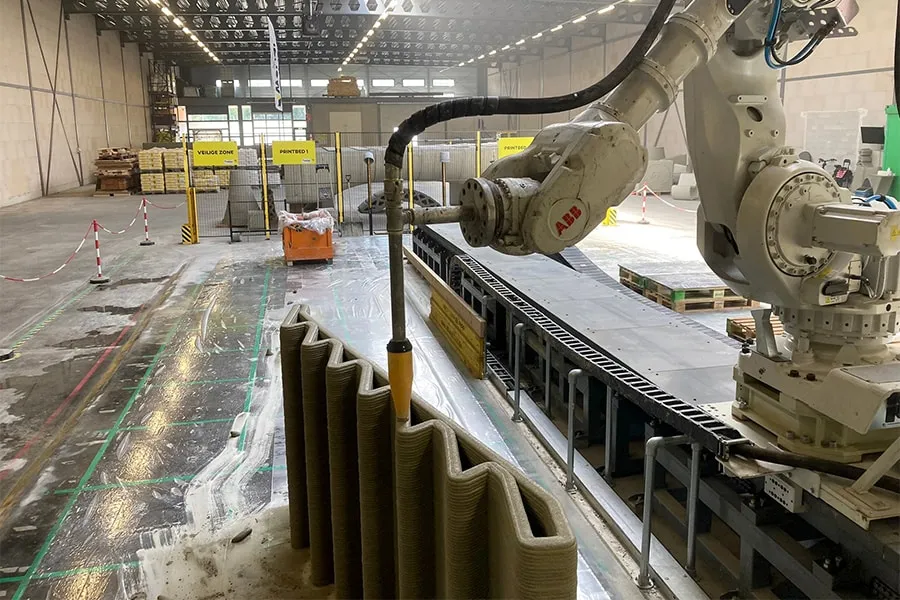
Three key pillars
At Saint-Gobain Weber Beamix, the entire development of 3D concrete printing rests on three key pillars: sustainability, construction automation (with process optimisation as the goal) and freedom of form. “When it comes to sustainability, we look beyond making concrete more eco-friendly. 3D concrete printing gives us a technology that uses even less material: less concrete, no reinforcement and no formwork. And because the process is largely automated, we can shorten delivery times and address the shortage of skilled workers. Process optimisation is part of this approach, with time savings and fewer errors playing a major role.” The third pillar, Pieter says, is freedom of form. “Parametric design is, after all, a technical and highly important expression of the ease of creating forms, but the ability to generate more ‘exotic’ shapes also plays an important part.”
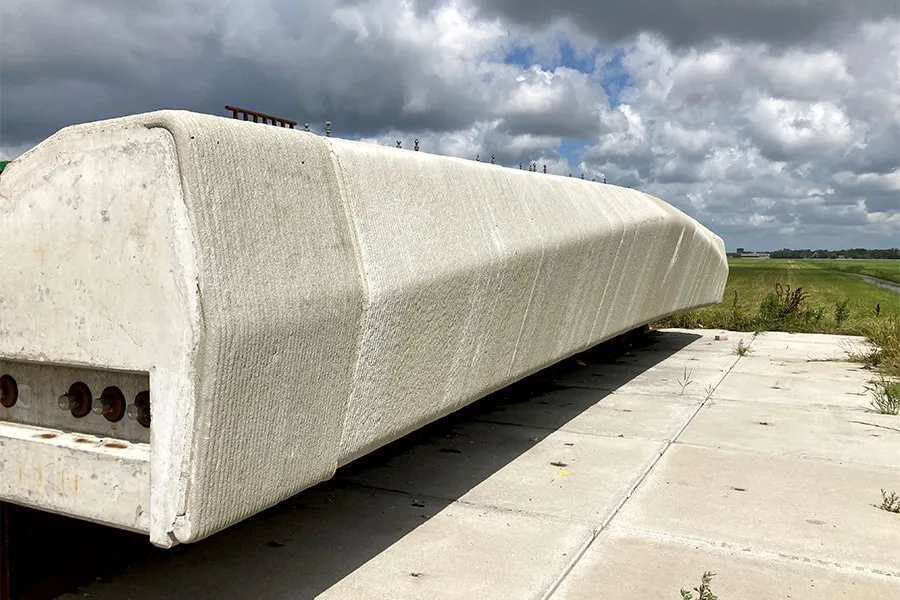
Parametric design
“Our 3D concrete printing technology uses parametric design. This involves using algorithms to generate designs based on variables and the relationships between them,” Pieter explains. “By changing the input values for the variables, new designs can be generated quickly and easily within the existing design.” This visual design method generates a 3D model without ‘programming’, which can then be imported into specific software for further processing. “It is extremely flexible and very fast. You can make changes to the design or adjust dimensions very easily. Parameters for geometric constraints, structural requirements, material properties and other factors can also be added. The model then shows what is possible within the specified constraints. A parametric process makes it possible to design complex geometries and structures, reduce costs, increase speed and deliver a product of consistent quality,” says Pieter. “Our 3D-printed concrete slope stairs and cycle bridges are great examples.”
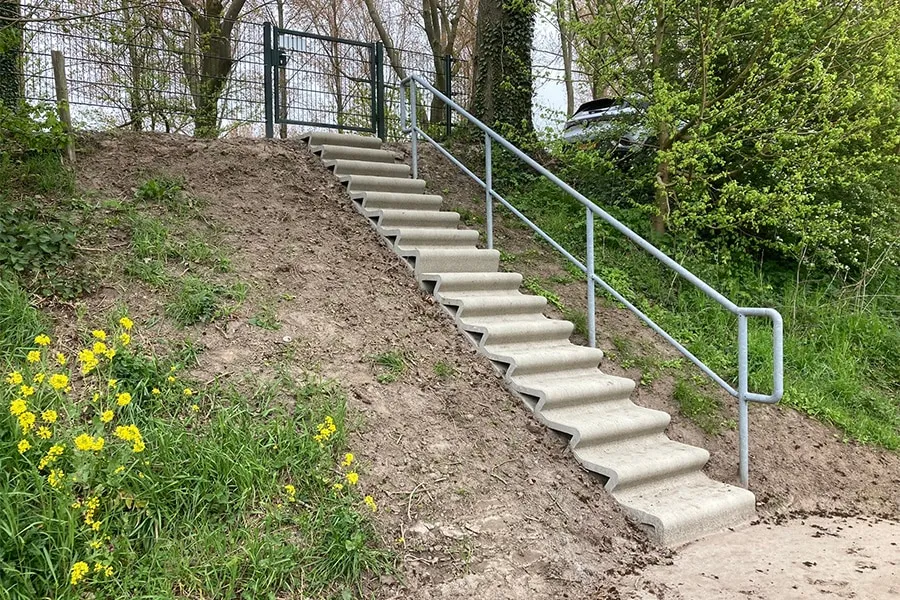
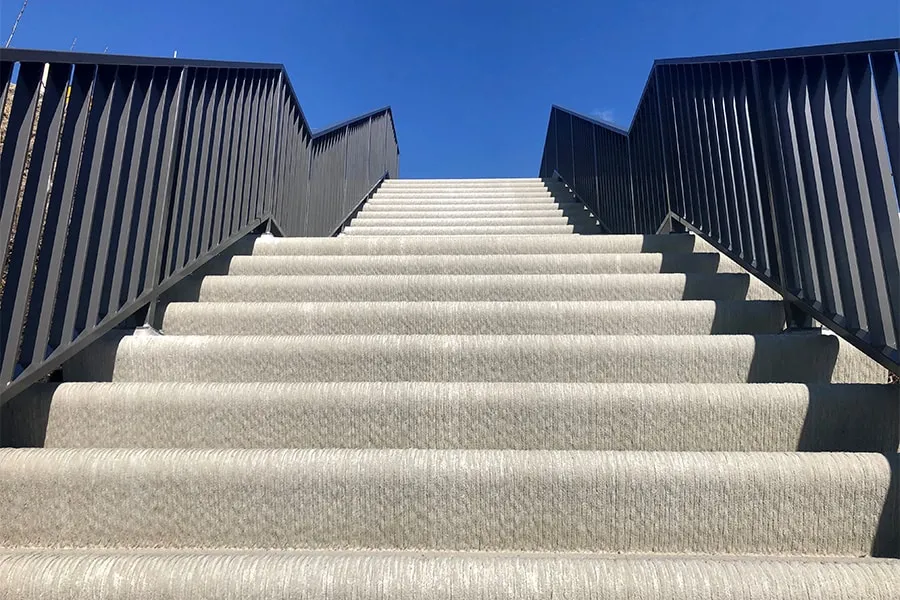
Slope stairs
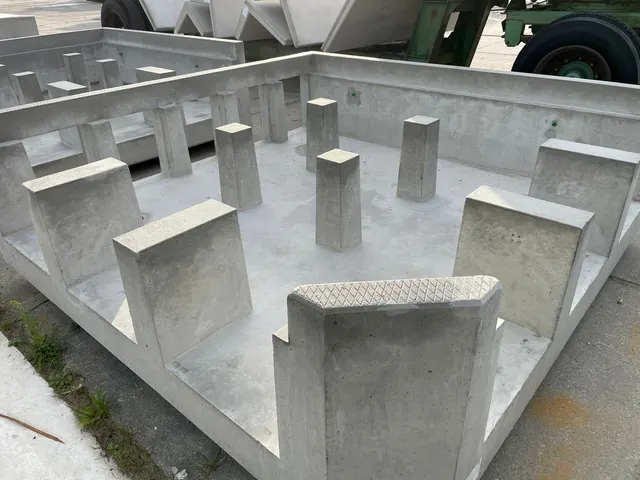
“A slope stair may not be the most exciting structure, but it clearly demonstrates all the benefits of parametric design, while also bringing out the advantages of 3D concrete printing,” says Pieter. “Based on the relevant dimensions, we can design a slope stair without drawing or calculations, print it the next day and deliver it within three weeks.” Process optimisation at its best, according to Pieter. “Because no separate formwork is needed and no reinforcement has to be added, our 3D-printed slope stair is around 60% more sustainable.” The slope stair is one of the products Saint-Gobain Weber Beamix is actively bringing to market through its concrete printing business. “We are past the pioneering stage. We have completed around 50 stairs in the Netherlands and elsewhere in Europe, and have now received approval from ProRail, Rijkswaterstaat and various local authorities. Naturally, I’m enthusiastic about this,” says Pieter, who, with his background as a civil engineering project manager at BAM, sees it as a product with real potential. “In terms of price, how it looks once installed and maintenance, I can absolutely see its added value.”
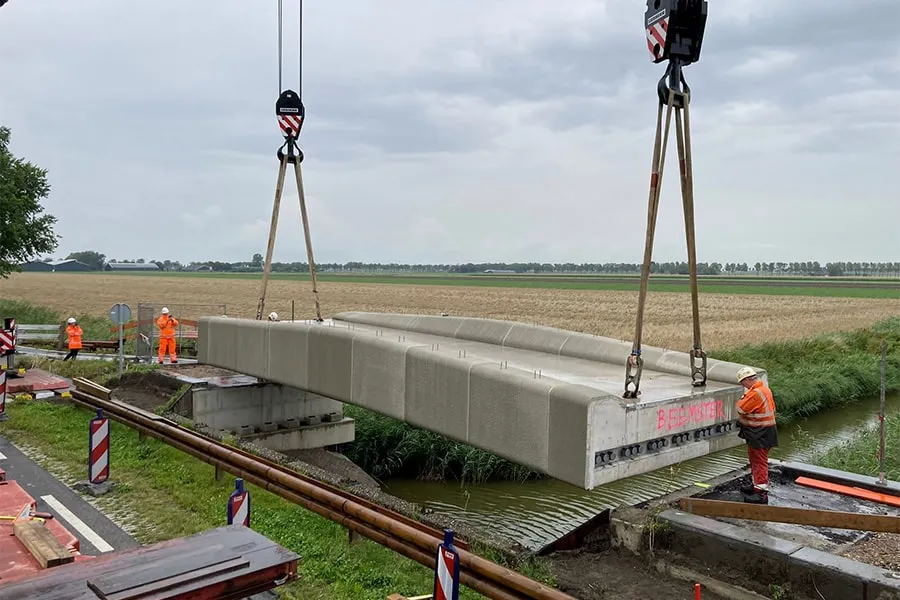
Most sustainable cycle bridge
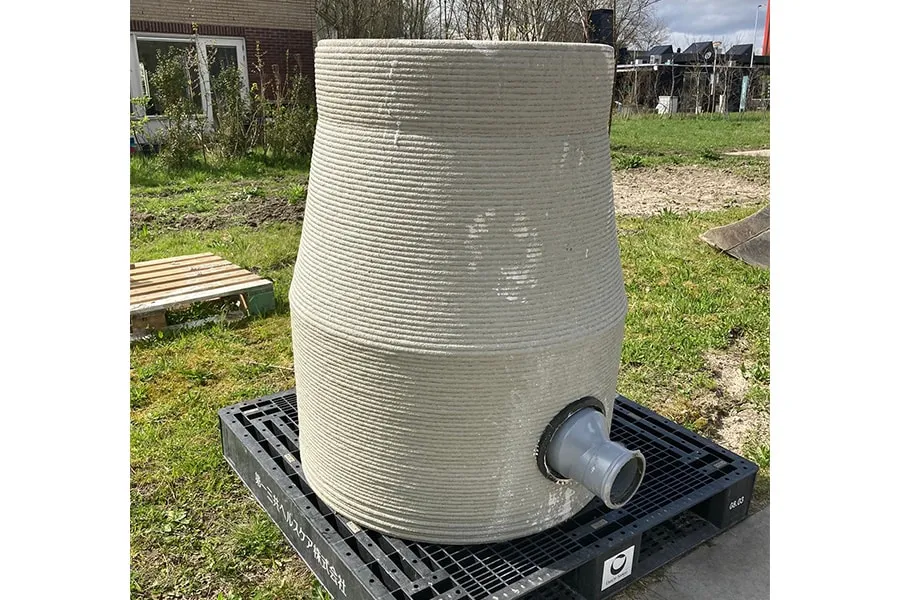
More complex than slope stairs or other fairly standard concrete products such as manholes are the 3D-printed cycle bridges produced at Weber Beamix’s printing plant in Eindhoven. “In 2017, we achieved a world first: together with TU/Eindhoven, BAM Infra, Witteveen+Bos and several other partners, we built the world’s first fully 3D-printed structure: a cycle bridge in Gemert. From there, we continued developing the design with the same partners, asking what we could improve and what further steps we could take towards sustainability. To achieve that, we wanted to take on projects that would give us even more experience. One of these is the ‘Fietsbruggen N243’ project, a collaboration between BAM Infra and the Province of North Holland, who have truly embraced our innovation. We all agreed: we would build those bridges together! As a construction team, we worked through every phase, from sketch to delivery, using the same three pillars to shape the project: how could we build it sustainably, fully automated and with as little material as possible, while also making the most of freedom of form?” The project involves four bridges with different arches and dimensions, all created from the same parametric model. It shows just how much is possible within certain parameters. “It has been a rewarding journey, though not always a smooth one, and we are very grateful for the Province of North Holland’s forward-thinking vision. Not only did they dare to take on this project, they also pointed out that if this becomes the standard for building bridges, it will save a great deal of time and money in the preliminary and permitting stages. Three unique 3D-printed bridges are now in place on the N243, and the fourth is on its way.”
Innovating sustainably and digitally together
The message is clear: 3D concrete printing is part of a sustainable future. “We have already made great strides, but there is still more to do,” says Pieter. “Governments and businesses will need to keep innovating together if we are to overcome the climate crisis. I invite them to explore and take that step with us.”
A business enquiry for Saint-Gobain Weber? Get in touch
Companies in this story
Keep following this
Get an email when a new story is published. No account needed.
- ThemeMaterials and techniques for infrastructure
- SubjectConcrete
- CompanySaint-Gobain Weber