The desire to bring more colour to concrete is taking hold in the concrete industry and public spaces across the Netherlands
Text Jerry HelmersImage Jerry Helmers and Dominic Brown
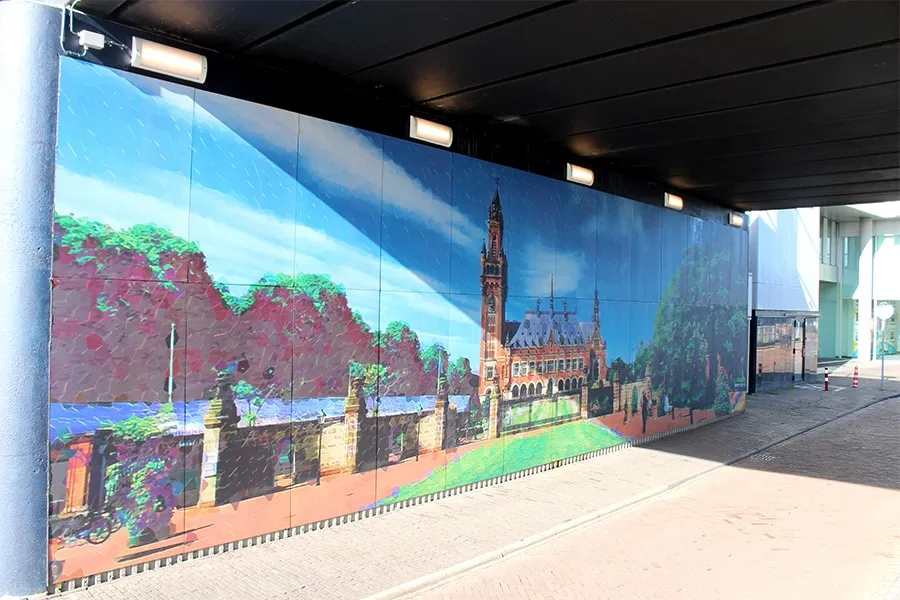
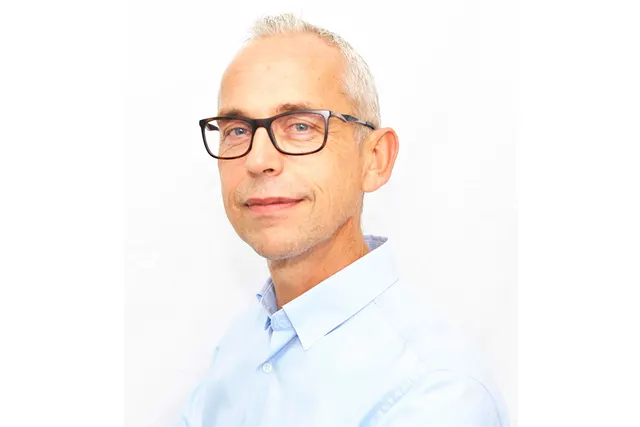
“On average, we often have ‘grey and gloomy weather’ in this country, which is exactly why I wonder why we use the colour grey so much when designing urban spaces. Grey + grey = boring. Why not use a bit more colour?” Speaking is the visibly passionate Dominic Brown (40), a creative entrepreneur from The Hague. “Colour demonstrably has an effect on people. In my view, the concrete and steel industries in the Netherlands could also do more. How? We can dress up concrete! We can make concrete more attractive! We can take the experience of concrete to a higher level!”
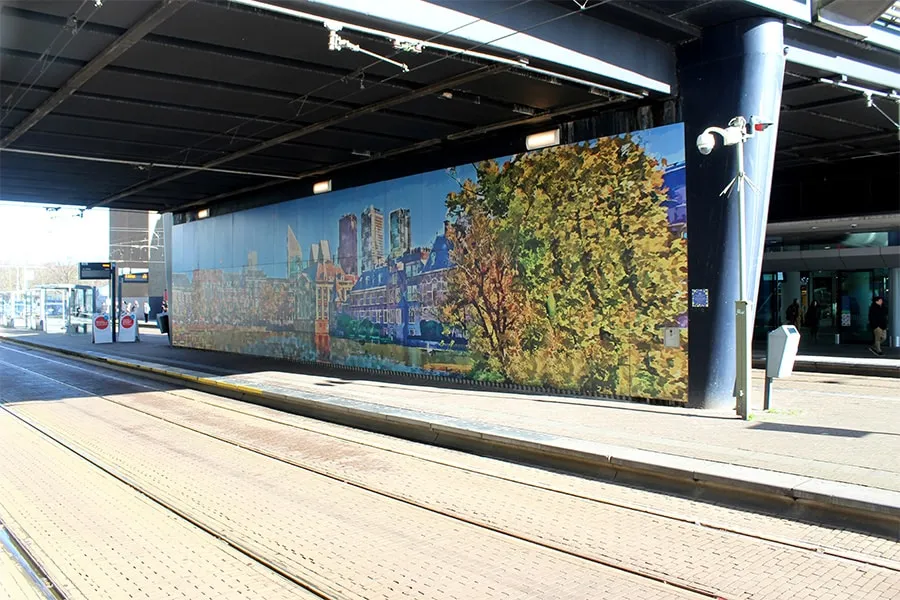
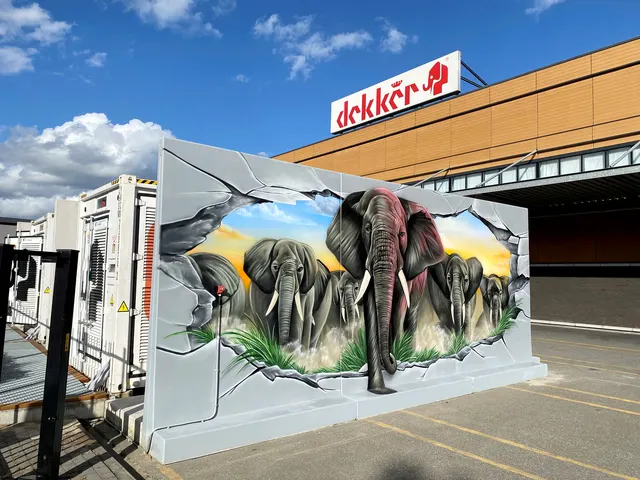
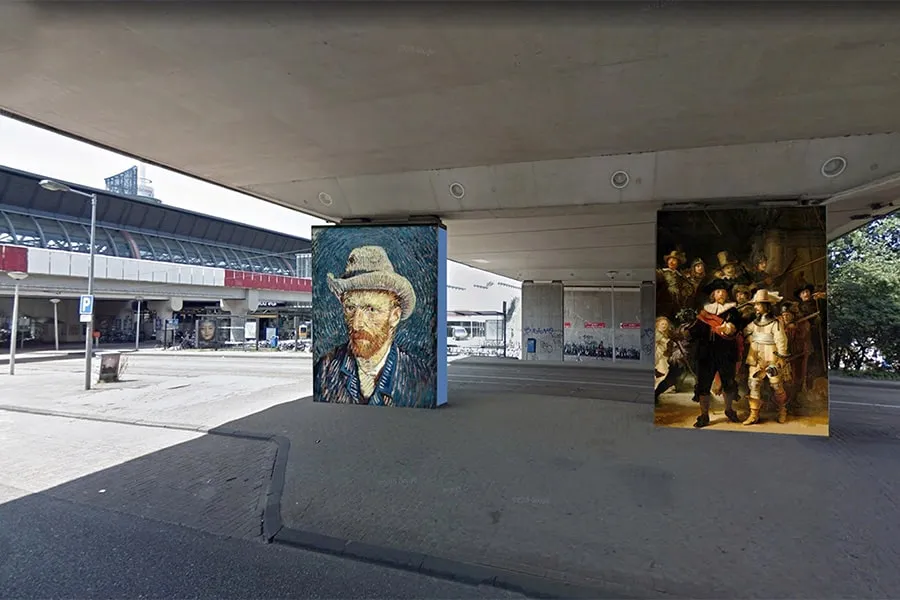
Anyone who has ever visited The Hague is sure to have seen his wonderful work, or walked past it. For example, around and near the Central Station in the city centre. Various viaducts, underpasses and pillars feature larger-than-life images that tell stories about the city, its residents and its history. Anything is better than all that grey, gloomy concrete. Here, it has truly upgraded the surroundings.
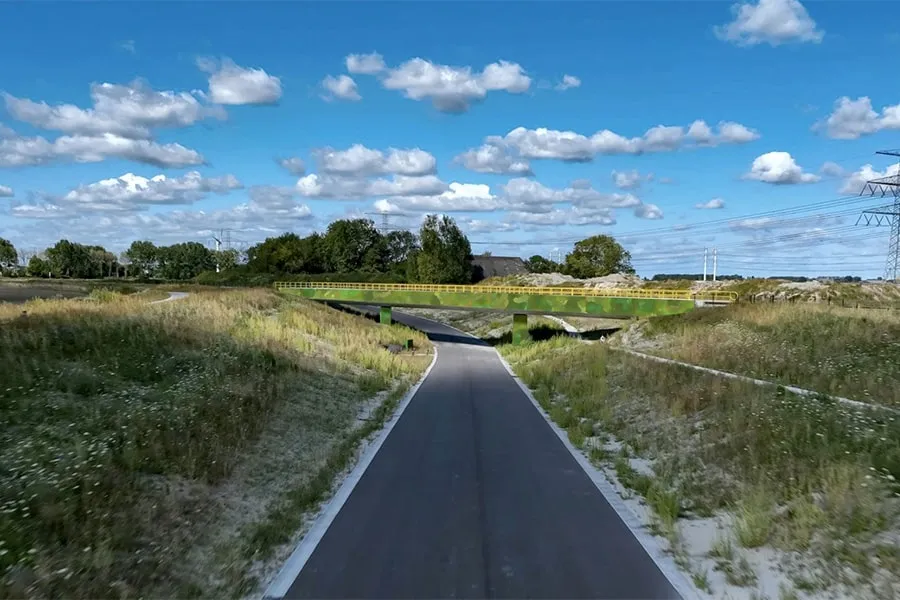
Social safety
But we do far too little of this in our country. Brown: “So we are missing opportunities. Colour, especially when combined with the right lighting, makes places safer. It has also been shown that there is less unwanted graffiti in places with more colour. In addition, colour can create opportunities to promote a city’s history or culture. But above all, covering concrete blocks with a colourful design printed on film and then applying a coating, because that is how it works, is also a sustainable approach. The protective layer means the concrete is less affected by the weather. That means less erosion! So the concrete lasts longer or needs a less rigorous maintenance programme. I still find it hard to understand that many of the big players in the concrete industry don’t see this, or … don’t want to see it?”
Urban decay
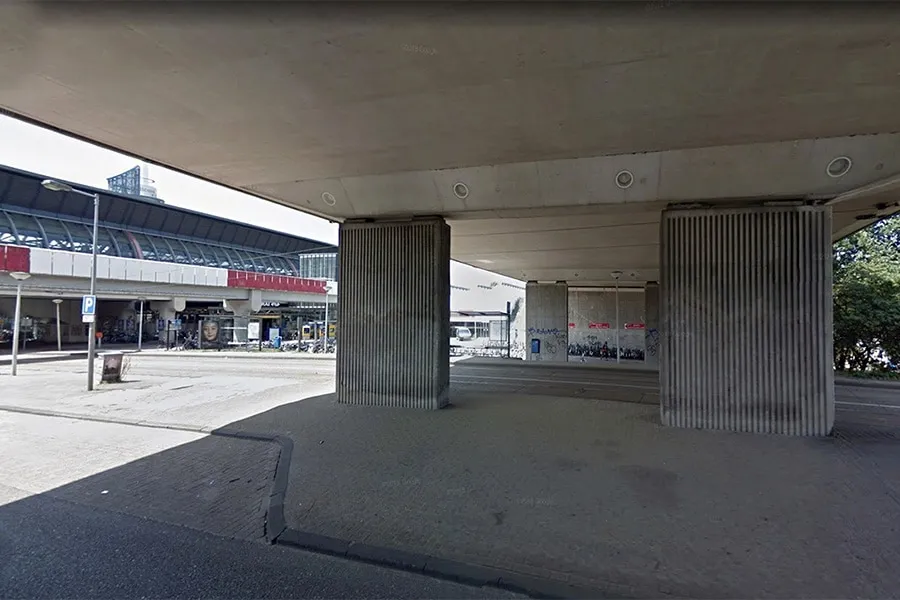
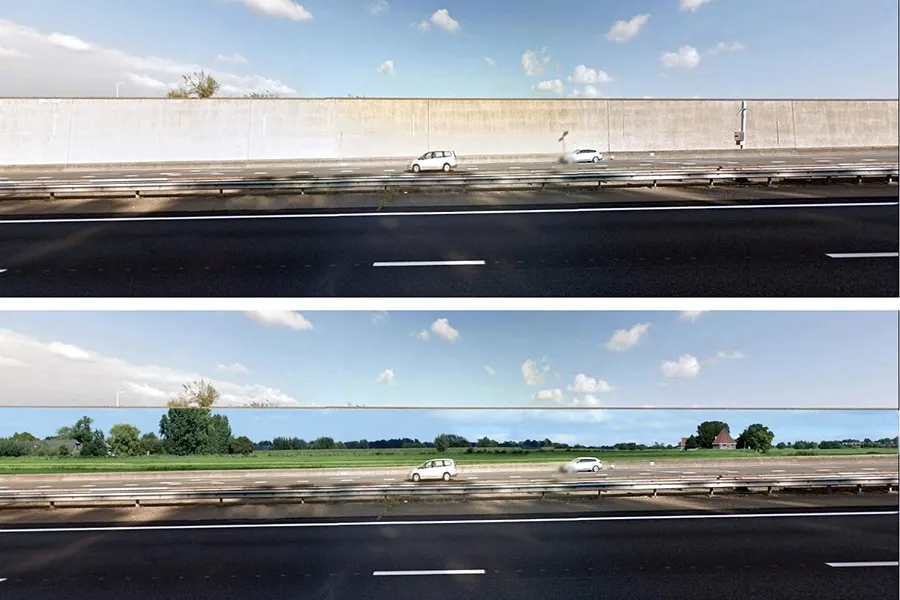
“There are so many unattractive places in cities across the Netherlands. There are many locations where grey could be made more appealing. The concrete there has not been dressed up, and the surroundings are falling into decay. I am convinced that many residents, passers-by and ordinary citizens also find this visual decline unacceptable. They cannot understand why no money is being spent on a simple way to enhance the surroundings and achieve social objectives, especially in highly visible locations. And speaking of money, we can make an impact for relatively little!”
City marketing
Brown sees the need to enhance public spaces as part of corporate social responsibility. “The concrete industry is good at using technical innovation to deliver greater sustainability, whether in production processes or in the finished product. That’s great.
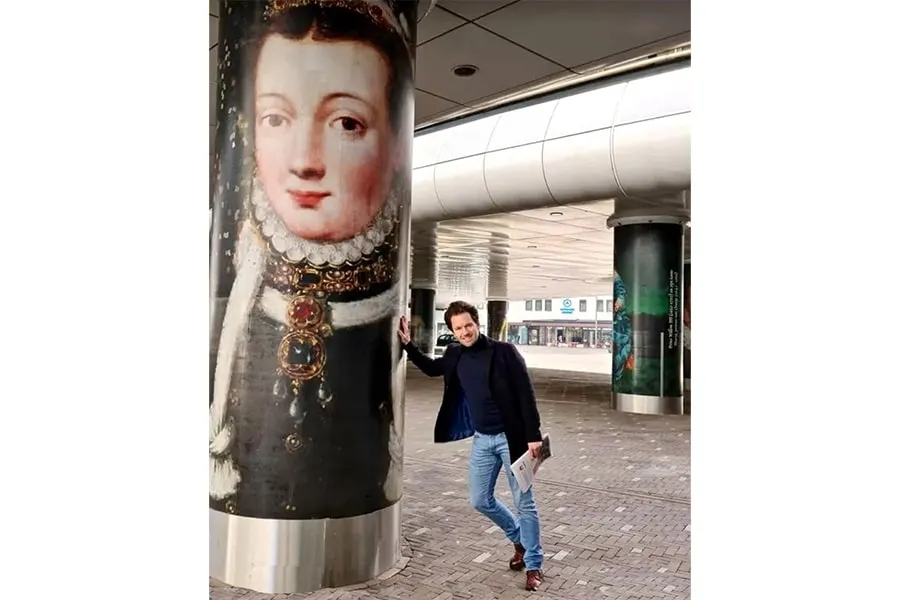
I think the Netherlands is a world leader in this area too. But corporate social responsibility also means ensuring that people feel safe in their surroundings. Surely you want people to feel comfortable in public spaces? I believe that is also a responsibility of the concrete and steel industries, particularly the companies that work on our infrastructure. In other words, this is also a call to the architects of the Netherlands, who work every day on designing our outdoor spaces. What’s more, enhancing concrete can even become part of smart city marketing, with commercial benefits. You create places that people want to take selfies in. Tourists love it. That is exactly what they are looking for. They just want to take a selfie and post something interesting. So dressed-up concrete offers nothing but benefits.”
Question about this story? Ask your question
Keep following this
Get an email when a new story is published. No account needed.
- ThemeMaterials and techniques for infrastructure
- SubjectConcrete