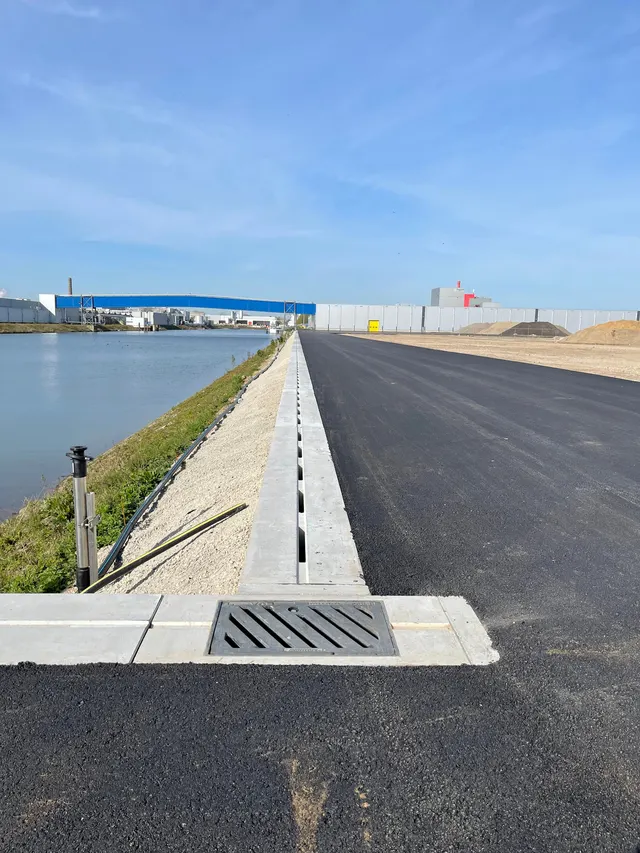
Revolutionary developments in concrete reinforcement
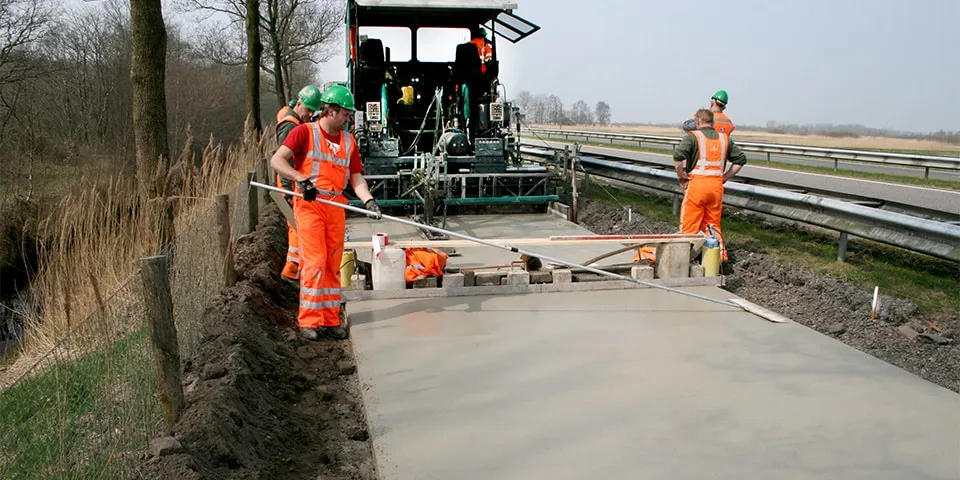
Until recently, reinforcing steel was the go-to way to increase concrete strength. Now it appears that the same results can be achieved with synthetic fibres. The benefits are considerable. Synthetic fibres are significantly cheaper than steel and make concrete not only stronger, but also more durable and innovative.
A leading company in this field is FORTA Corporation USA. This innovative company combined several synthetic fibres, bundled them in a specific way and thereby created a revolutionary reinforcement material. It named the material ‘Forta-Ferro’, meaning ‘as strong as steel’. Forta-Ferro has proved to be the perfect alternative to reinforcing steel, while also significantly reducing building construction costs.
Twisted bundle structure
Forta-Ferro Fibre is a macro/structural synthetic fibre, blended in colour and made from ‘copolymer’, also known as ‘polypropylene’. The material consists of a twisted blend of non-fibrillating monofilaments and fibrillating network fibres, giving it high tensile strength. Each material in the twisted bundle structure has its own function. The monofilament provides protection, while the net-like polypropylene fibres prevent the material from breaking. Forta-Ferro therefore has all the qualities needed to replace reinforcing steel in concrete wherever possible.
Structural reinforcement
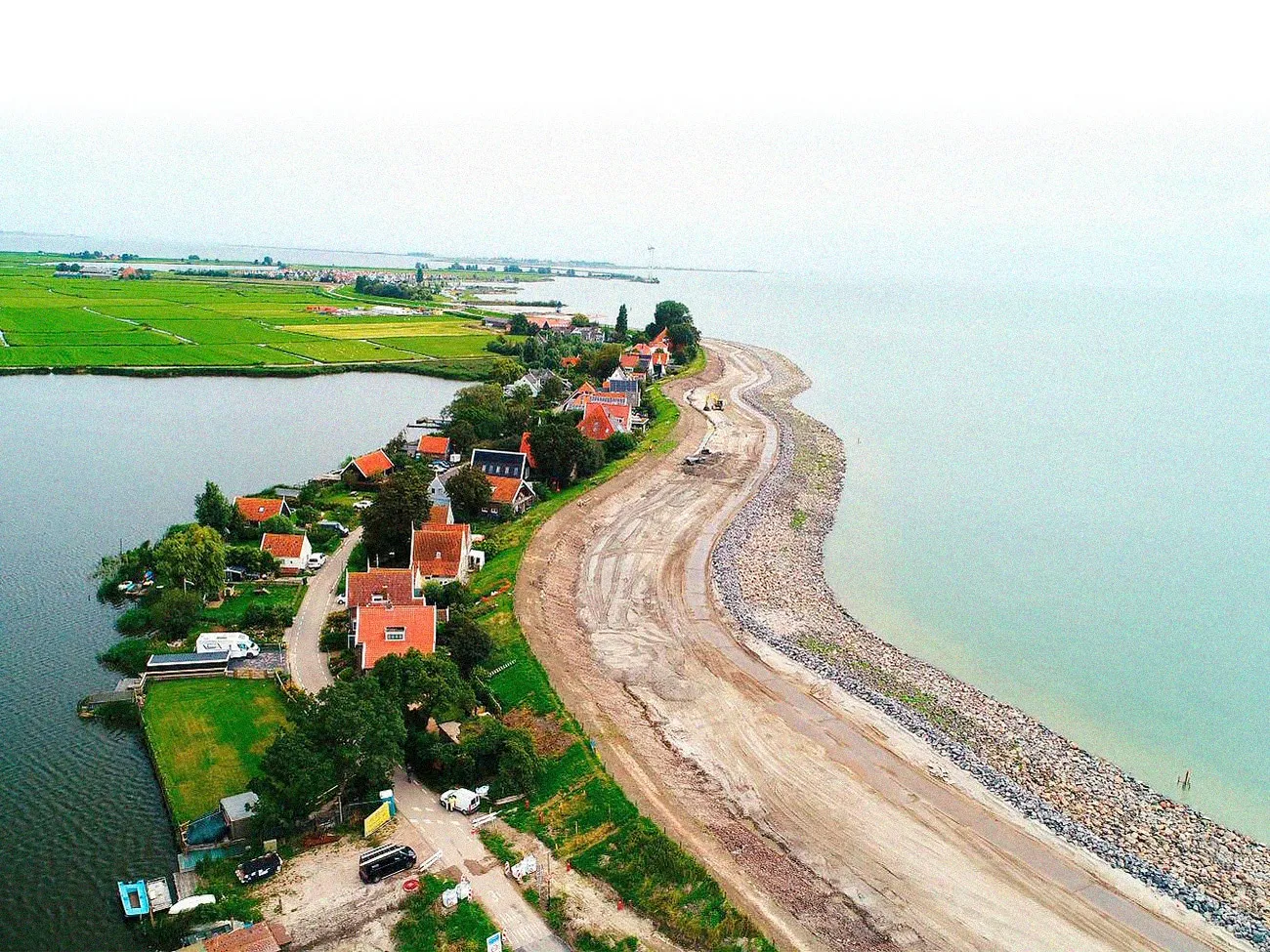
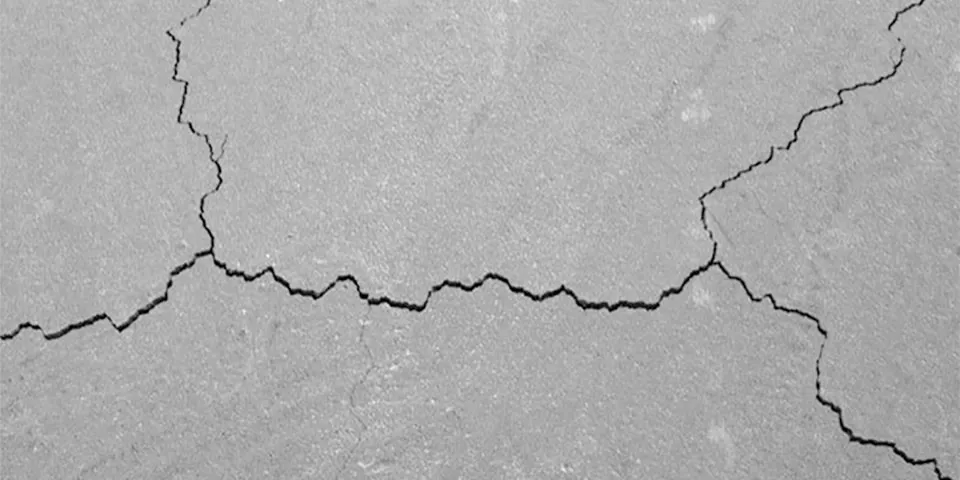
“The material offers revolutionary benefits,” says Henk Hilverink of Dutch Fiber Trading. “Forta-Ferro fibres were already being used to reduce shrinkage in plastics. Now this property is being used to prevent shrinkage cracks in concrete. Forta-Ferro makes concrete strong. The material is also non-corrosive, extending the service life of concrete structures. And, thanks to its three-dimensional reinforcement coverage, it strengthens the concrete structure from within.”
User-friendly
The synthetic reinforcement increases the tensile strength of concrete, making it resistant to heavy loads. The material can be produced with minimal labour. It can be delivered in less time. It can be dosed in several ways at the batching plant and in the mobile mixer on site. The fibres are non-magnetic and, finally, easy to use. With these high-quality properties, Forta-Ferro delivers substantial savings in the construction industry.
Proven results
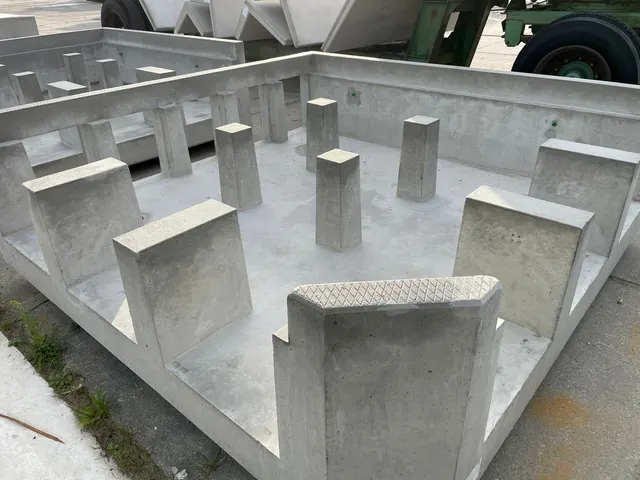
To demonstrate the strength of Forta-Ferro, precast structures were subjected to extremely heavy loads using vacuum tests. These tests showed that Forta-Ferro fibres perform exceptionally well in precast structures. It is no coincidence that Forta-Ferro is increasingly being chosen as a reinforcement material for septic tanks, manholes, industrial floors, agricultural applications and other precast elements. Forta-Ferro also delivers significant savings in these applications.
Applications
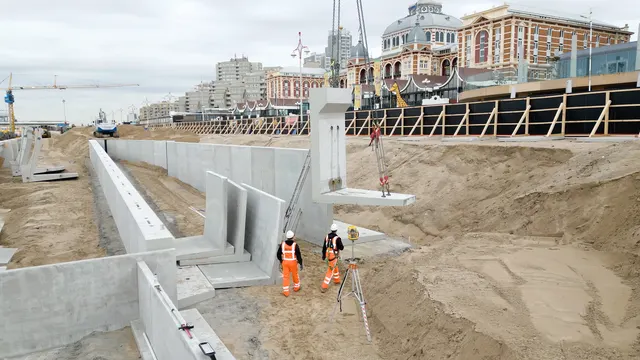
Forta-Ferro fibres are increasingly being used in non-residential construction. Here, too, their use reduces the need for reinforcing steel.
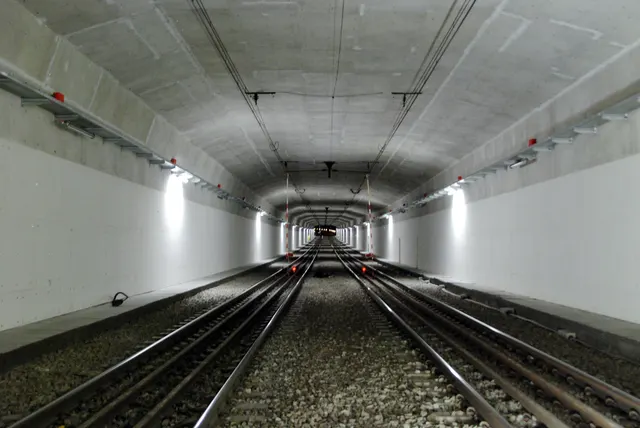
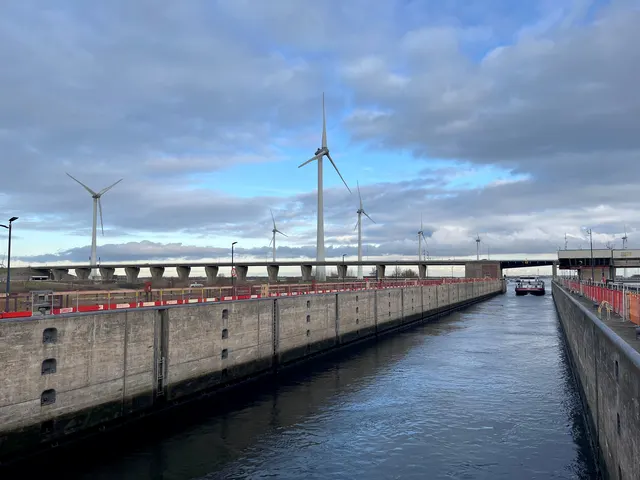
Applications include reinforcing bridge decks, commercial and industrial floors, concrete roads, cycle paths (White Topping), airports, service areas, linear structures and public transport infrastructure. Forta-Ferro is also gaining ground in shotcrete applications, such as swimming pools, slopes, tunnel linings, rock faces and water features.
Dutch Fiber Trading is the exclusive distributor and stockholder for the Benelux and the Netherlands Antilles. It also provides project design and cost estimates free of charge.
Question about this story? Ask your question
Keep following this
Get an email when a new story is published. No account needed.
- ThemeMaterials and techniques for infrastructure
- SubjectConcrete