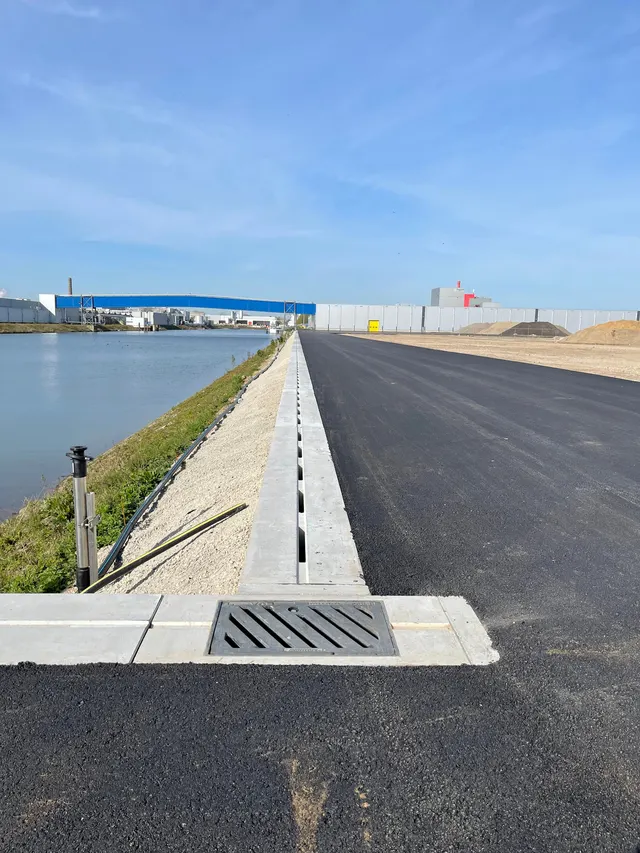
Heavyweight concrete: more weight, less volume
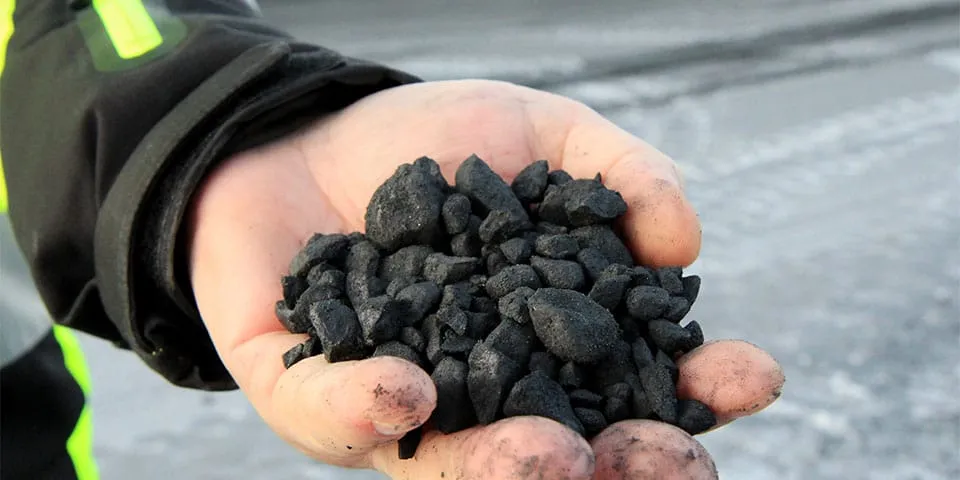
Standard concrete has a density of 2.4 tonnes per cubic metre. In some situations, it can be worth using heavyweight concrete. By partially or fully replacing sand and gravel with MagnaDense, concrete with a density of up to 4 t/m3 can be produced. Leon Hendriks of LKAB Minerals explains the benefits of more weight and less volume for infrastructure applications.
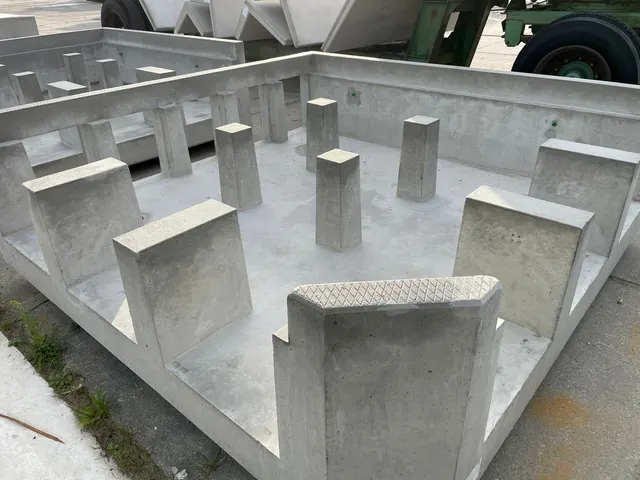
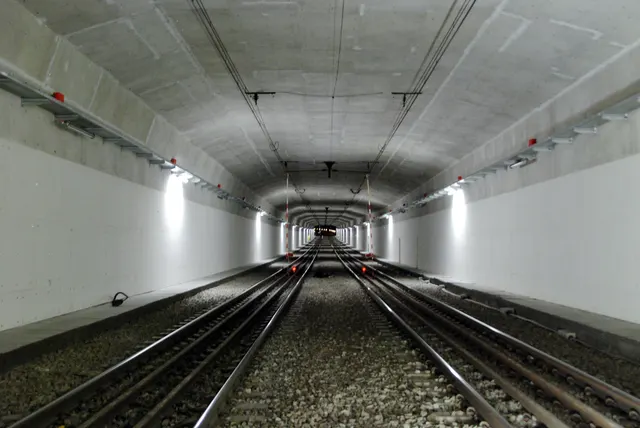
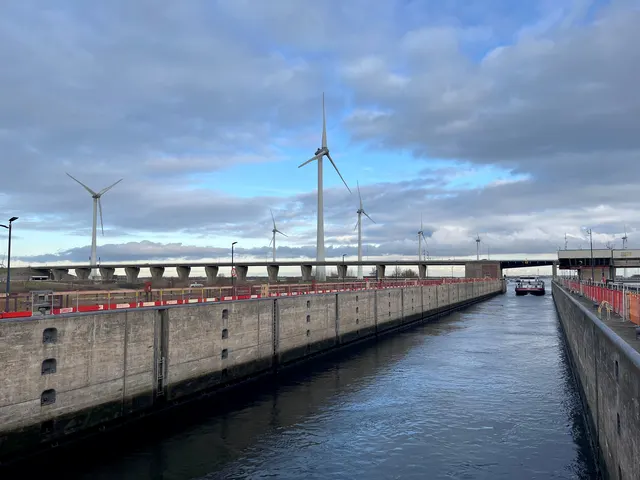
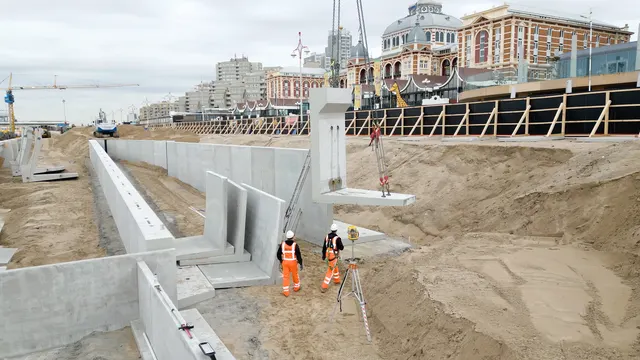
Conventional concrete is already relatively heavy. “In 99% of cases, there is no need to make concrete even heavier,” says Hendriks. “There are, however, exceptions to the rule, where achieving greater weight with less volume is desirable. Applications include counterweights for lock gates, moveable bridges and excavators, as well as coastal protection elements to prevent erosion and breakwaters to protect structures. Heavyweight concrete also offers added value for underground structures such as car parks and tunnels, where it can counter groundwater pressure. The underwater base slab can be made thinner and, thanks to its high weight, does not need to be supported by tension piles. This can deliver substantial savings in time, cost and volume. It also reduces the risk of thermal cracking.”
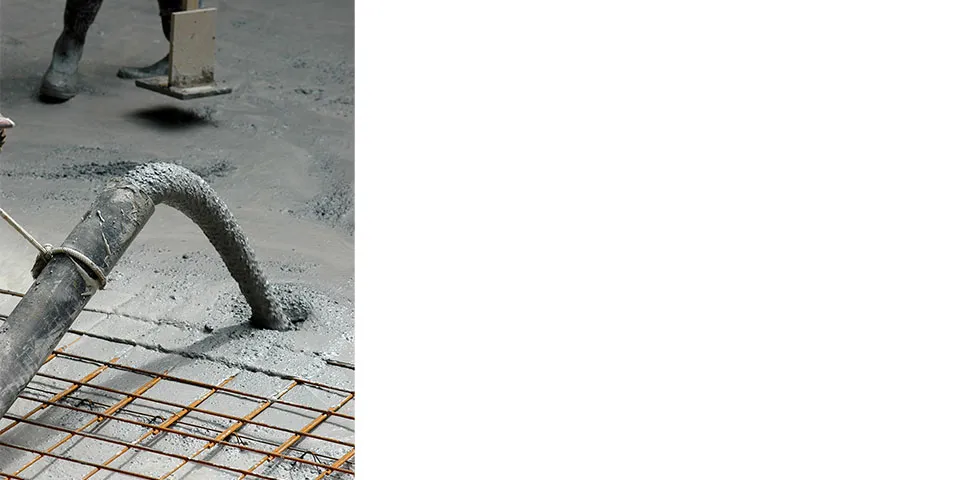
Heavyweight concrete is easy to pump
MagnaDense
LKAB Minerals supplies MagnaDense aggregate for producing heavyweight concrete. “It is a naturally occurring material made from magnetite, an iron oxide,” explains Hendriks. “The aggregate is extracted and produced in Sweden by our parent company LKAB, which operates Europe’s largest iron ore mines. We stock various grades of MagnaDense in Moerdijk. Depending on requirements, sand and gravel are replaced wholly or partly with MagnaDense to achieve the required concrete density. We can provide mix designs to achieve any density between 2.4 and 4 t/m3.”
According to Hendriks, it is a misconception that heavyweight concrete is difficult to work with. “It is easy to pump. For example, we supplied a mix for the London Underground that was pumped for as much as 1 kilometre. You do need to allow for the greater weight. A fully extended boom is often designed for conventional concrete. All the other technical properties can also be adjusted by varying the amount of water and cement. Whether you need low or high strength, or a very stiff or highly fluid mix, it is all comparable to conventional concrete. The only thing that changes is the density.”
Question about this story? Ask your question
Keep following this
Get an email when a new story is published. No account needed.
- ThemeMaterials and techniques for infrastructure
- SubjectConcrete