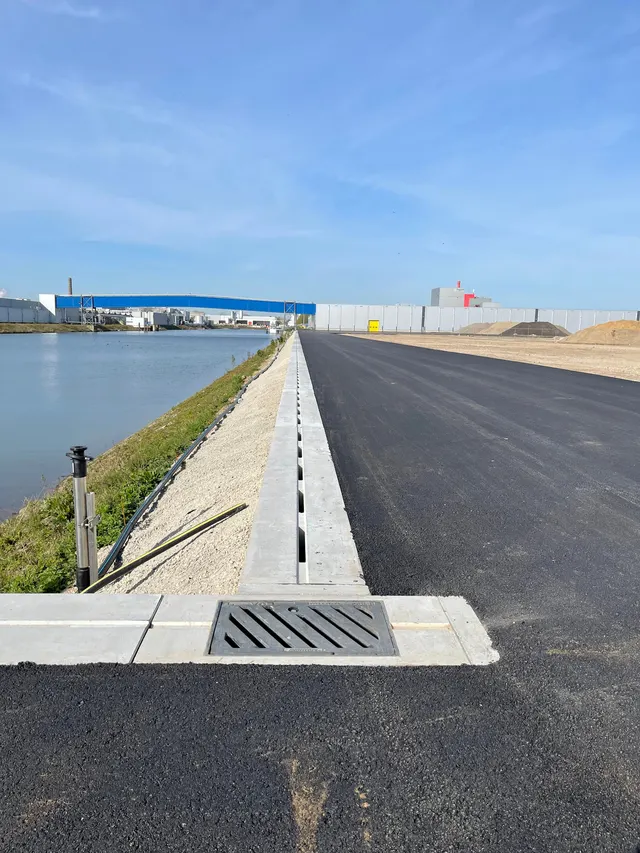
Glass fibre reinforcement: a perfect alternative to steel reinforcement in concrete
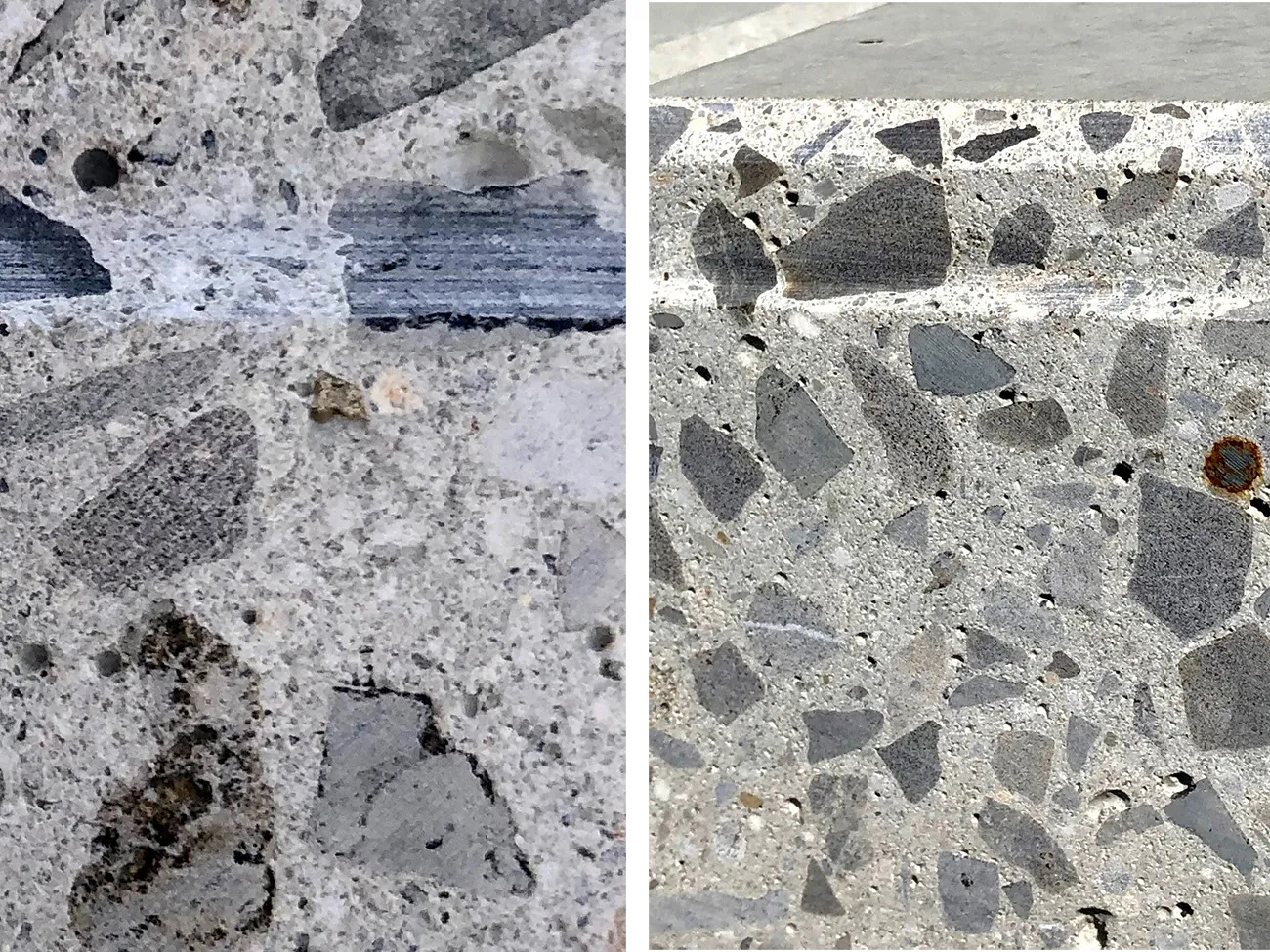
Reinforcement is used in concrete construction to compensate for concrete’s high compressive strength and low tensile strength.
Steel is still the most widely used material for this purpose, but there are alternatives, including glass fibre reinforcement. Mr Verhagen, Managing Director of Repra, the exclusive European distributor of Armastek glass fibre reinforcement, explains why you should choose it and what the benefits are.
Glass fibre versus steel
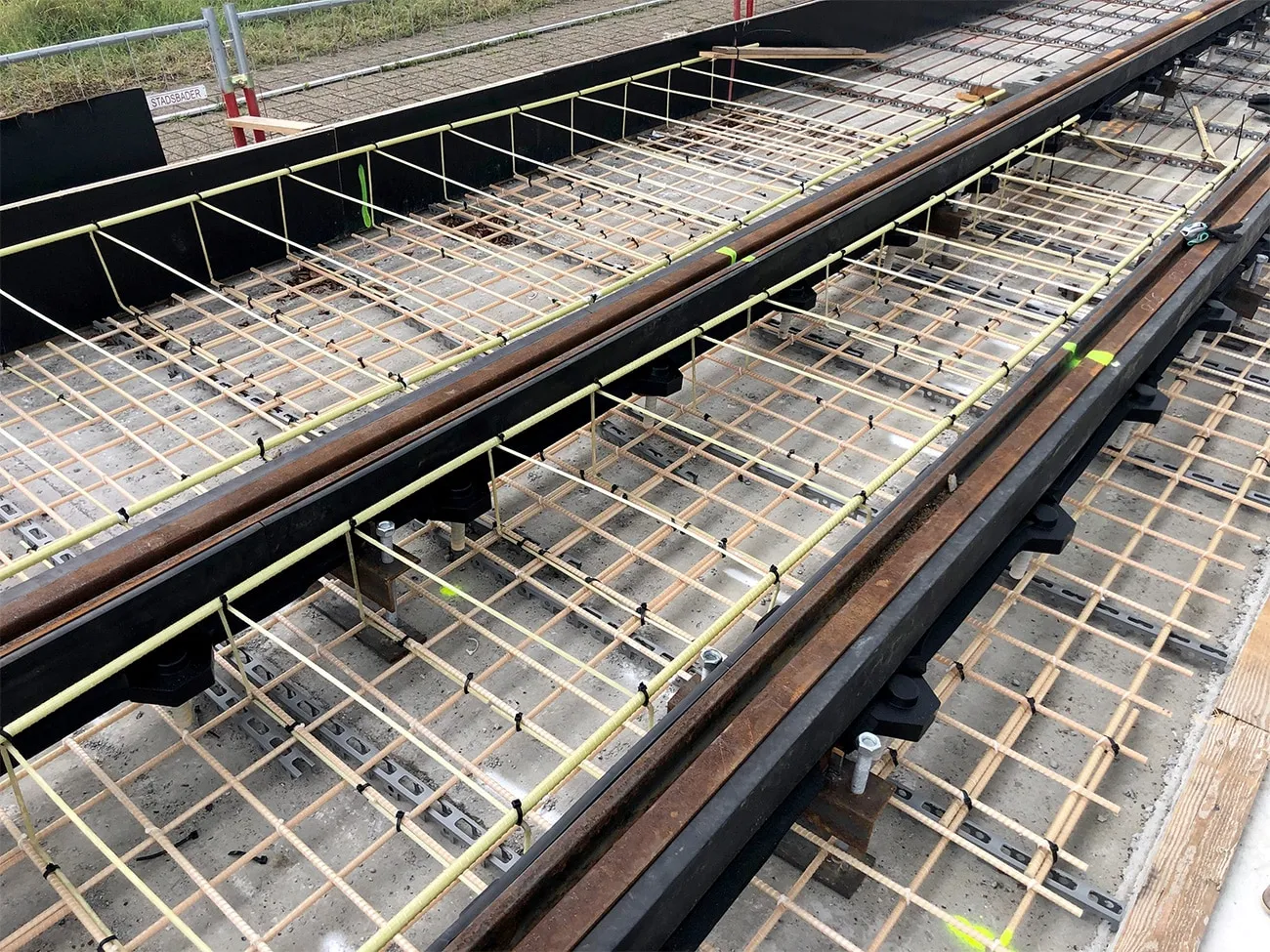
“Glass fibre reinforcement is currently one of the most advanced materials used in construction worldwide,” says Verhagen. “Its popularity is due to the many advantages it offers over steel reinforcement. Steel is susceptible to rust. Moisture and, for example, salts can reach the steel, especially where concrete cover is insufficient, leading to corrosion. Insufficient cover is not the only possible cause: faults in execution or the use of unsuitable spacers, which leave the reinforcement too close to the surface, can also cause it to corrode more quickly. Glass fibre reinforcement cannot rust, is much lighter than steel and has a higher tensile strength.”
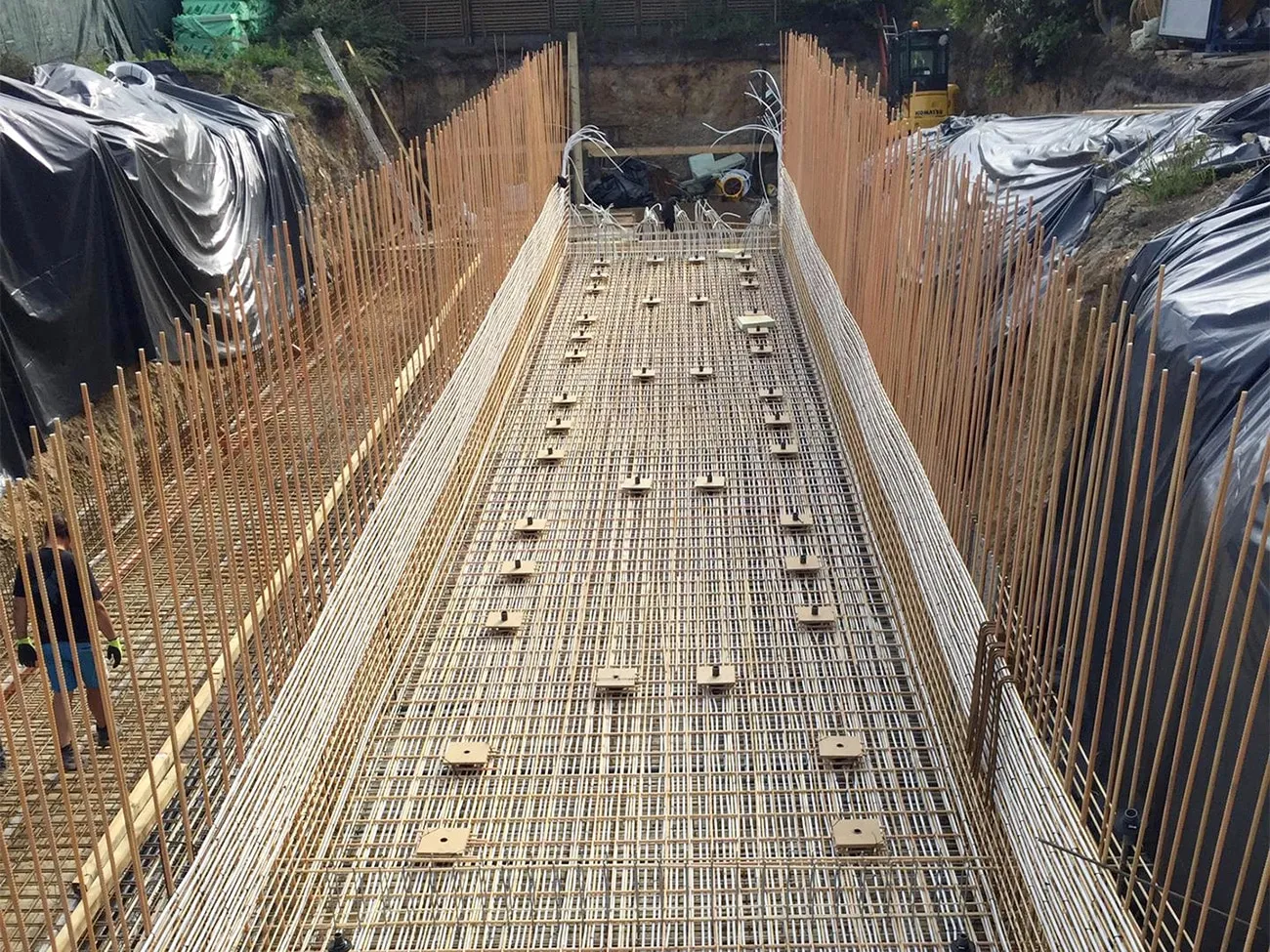
Growing in popularity
Alongside all these benefits, cost is of course also a key consideration. “Architects and builders therefore choose their materials carefully,” Verhagen continues. “Well-designed structures can result in attractive and efficient buildings. This also involves exploring the possibilities offered by particular construction materials, including reinforcement. In some situations, using glass fibre reinforcement makes it possible to use smaller-diameter reinforcement bars. It can also allow for less concrete cover, and therefore less concrete. Using less concrete saves costs and significantly reduces curing time. The lower weight can also reduce crane costs.” These benefits have made the product popular with professional contractors, but Verhagen notes that convincing the sometimes highly conservative construction industry to adopt a new product can be a challenge. “People have been used to working with a particular product in a particular way for decades, so it is important to explain the benefits and properties of glass fibre reinforcement clearly and support them with evidence.”
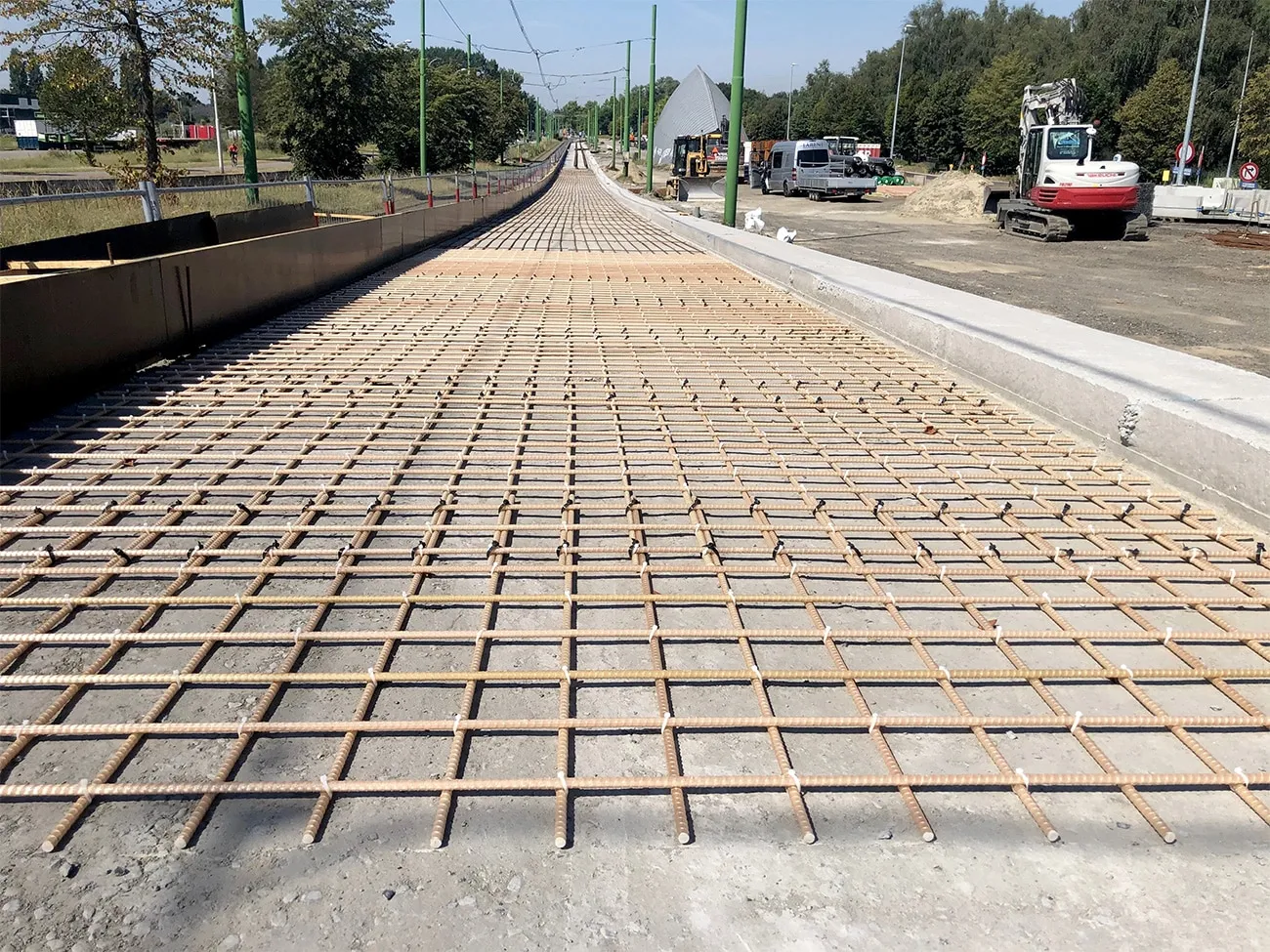
Not just claims, but evidence
“As there is not yet a NEN standard for glass fibre reinforcement, work is currently under way to complete the ETA (European Technical Assessment). This will then lead to the EAD. After that, we can apply for voluntary CE marking.” Verhagen explains: “CE marking based on the ETA enables Repra bv to place its products on the entire European single market and gives us the opportunity to expand across Europe with non-standard products or innovative product features. We are also working on the MRPI certificate (Environmental Product Information), based on a life cycle assessment (LCA) that analyses the environmental impact of construction products from extraction through to disposal. This can be used for calculations under the CO2 Performance Ladder and MKI, which are already requirements in some specifications. These certificates not only tell people what our product stands for, they also provide evidence.”
New name
As of 1 May, Armastek Benelux B.V. changed its company name to Repra B.V. “We chose to change our name because our product range has expanded and because we now supply not only the Benelux, but all of Europe. Repra is short for the Latin phrase Rebus Praesidium, which refers to ‘concrete reinforcement’.”
Repra supplies not only Armastek glass fibre bars and mesh, but also dowels and tie bars for road construction, as well as spacers, which it has recently added to its range.
Question about this story? Ask your question
Keep following this
Get an email when a new story is published. No account needed.
- ThemeMaterials and techniques for infrastructure
- SubjectConcrete