‘Concrete sector at the forefront of climate adaptation’
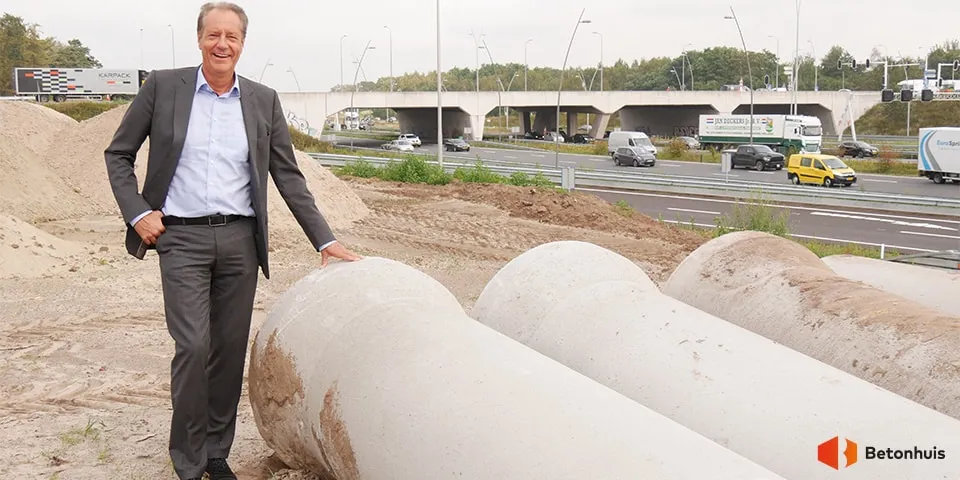
We face an enormous societal construction challenge, alongside an enormous challenge in terms of climate and the environment. This challenge cannot be met without concrete. Rob van Gijzel, chair of Betonhuis, says the cement and concrete industry, united in Betonhuis, is taking responsibility to better address societal, innovation and sustainability challenges.
The concrete sector is leading the way when it comes to climate adaptation, Van Gijzel believes. “The Concrete Agreement is a good example of this, with the sector taking collective responsibility. There is no comparable initiative yet for construction materials such as timber or steel.” Van Gijzel does point out that the concrete sector still faces a number of challenges worldwide, with reducing CO2 emissions the most important. “It is not an easy task, but the Netherlands is leading the way. We are already using alternative binders made from by-products from other industries, such as slag from the steel industry and fly ash from coal-fired power stations. Concrete is also at the forefront when it comes to reuse: the concrete industry produces no waste. It can reuse concrete building components or put them to another use by crushing concrete recovered during demolition to produce recycled concrete aggregate. This can then be used in new concrete, or in the road sub-base, with demonstrably lower environmental impact.”
Concrete in civil engineering
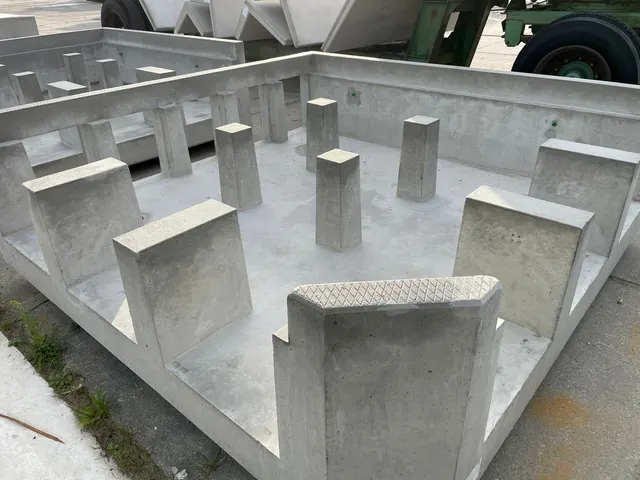
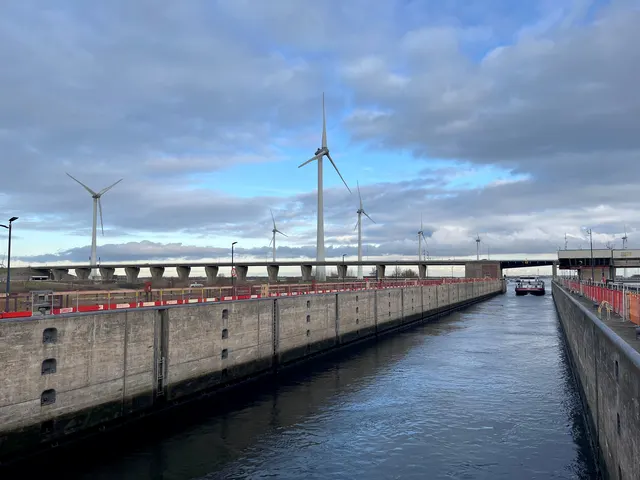
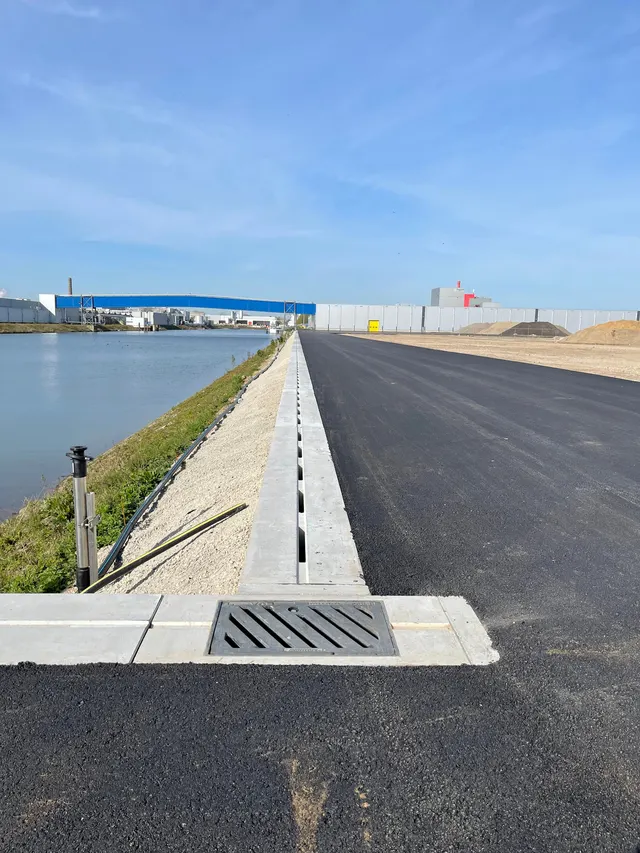
To make the infrastructure sector more sustainable, Van Gijzel says it is important to choose the most suitable construction material for each project. “Concrete is an important construction material in the infrastructure sector, particularly when it comes to adapting to the changing climate. We face periods of drought on the one hand and waterlogging caused by short but intense rainfall on the other. The latter calls for water to be drained in a controlled way, not too quickly, as that would exacerbate drought. Concrete water storage products can provide a solution, for example.” Van Gijzel gives another example: “In recent years, the Rhine has changed from a snow-fed river to a rain-fed one. Additional measures will be needed to regulate the flow of water to the sea more effectively. Major infrastructure works such as weirs, locks and storage basins are essential for managing water flows. At the same time, there must be sufficient capacity to store water when there is an enormous amount of rainfall. The Ruimte voor de Rivier project was a first step in that direction. This can also go hand in hand with enhancing biodiversity. Research by Wageningen University, commissioned by Cascade, has shown that extracting raw materials for concrete (sand and gravel) has a positive effect on biodiversity.”
Lack of innovation
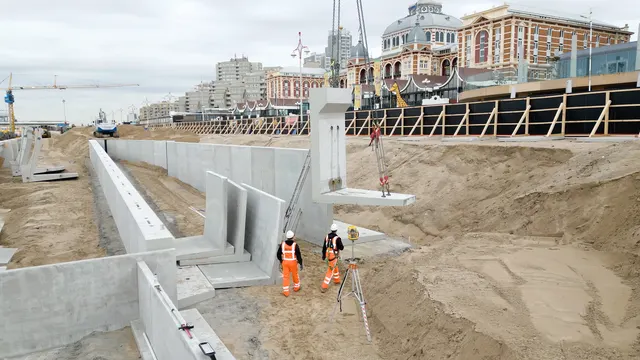
The trend in the infrastructure sector is that major construction companies can no longer assess the risks of large infrastructure projects and are dropping out en masse. “This is worrying,” says Van Gijzel. “Clients and contractors need to work much more closely together to make processes easier to manage and ensure continuity. More generally, the construction industry lacks the will to innovate. The concrete sector has a wealth of materials and market expertise that is often barely used. That is a missed opportunity, especially with the future in mind. The concrete industry is already putting this expertise to use, leading to many exciting product developments.” Van Gijzel also believes that the infrastructure sector should make greater use of prefabrication. “It improves quality, shortens on-site construction time and minimises the cost of defects. Prefabrication is also a way of enabling adaptive construction, allowing a concrete structure, for example, to be given a second or third life at a later stage.”
Question about this story? Ask your question
Keep following this
Get an email when a new story is published. No account needed.
- ThemeMaterials and techniques for infrastructure
- SubjectConcrete