Concrete is the foundation for living, working and wellbeing
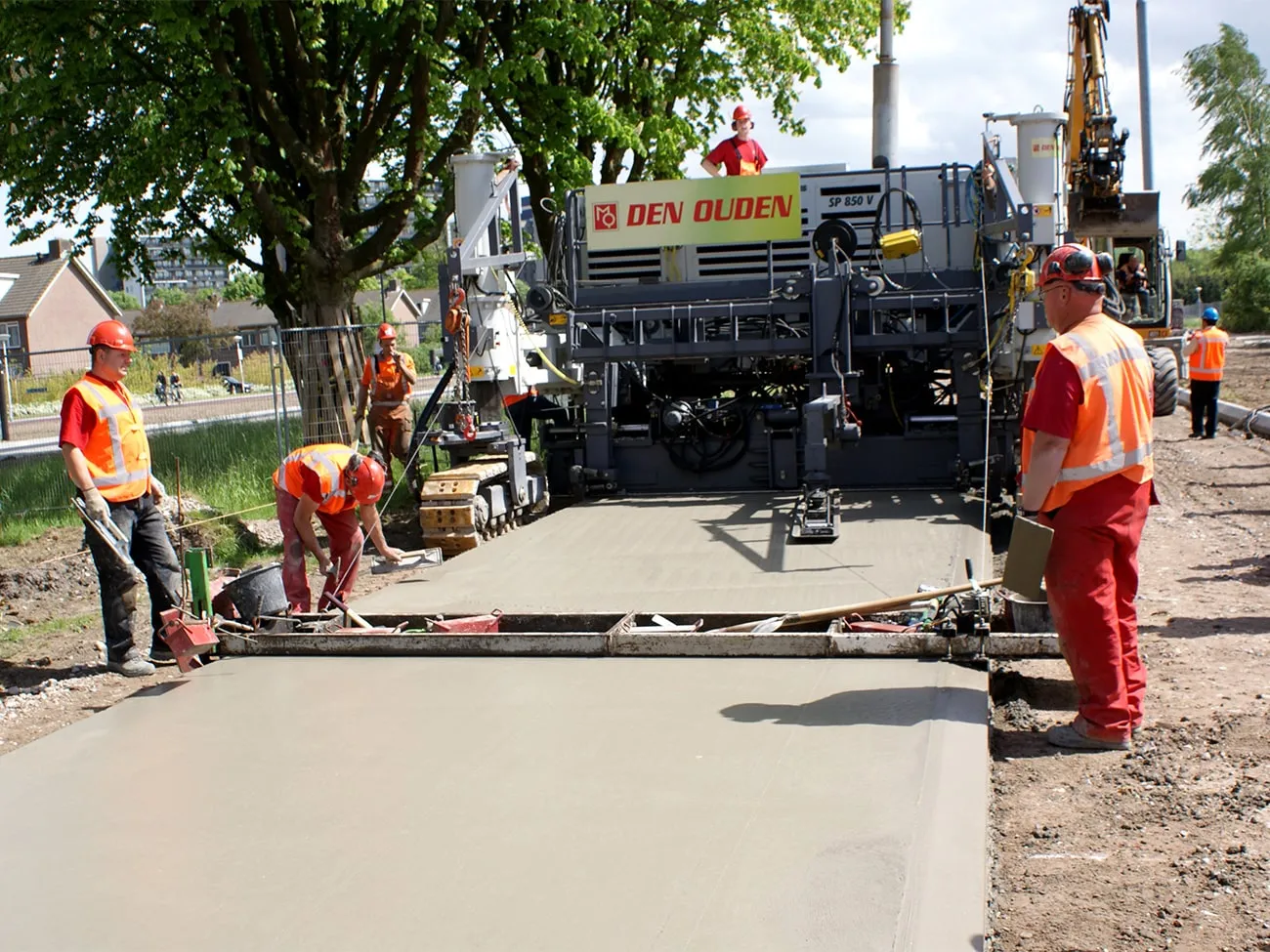
Since the days of the ancient Romans, concrete has played a crucial role in driving society forward. Nothing can match a building material that is inexpensive and can be moulded into any shape.
In 2021, concrete is part of the sustainability debate, with critics often speaking negatively about the CO2 emissions associated with this endlessly versatile building material. Betonhuis is committed to highlighting concrete’s sustainable qualities. We speak to Ron Peters, director of Betonhuis.
“Since Betonhuis was founded, we have been explaining that concrete’s CO2 footprint needs to be seen in the right context,” Peters begins. “After water, concrete is the most widely used product in the world. Its share of global CO2 emissions is due to the enormous volume used, accounting for 7% of emissions worldwide. Bear in mind that concrete accounts for 3% to 5% in Europe, while in the Netherlands the figure is 1.6%.”
The Netherlands performs better
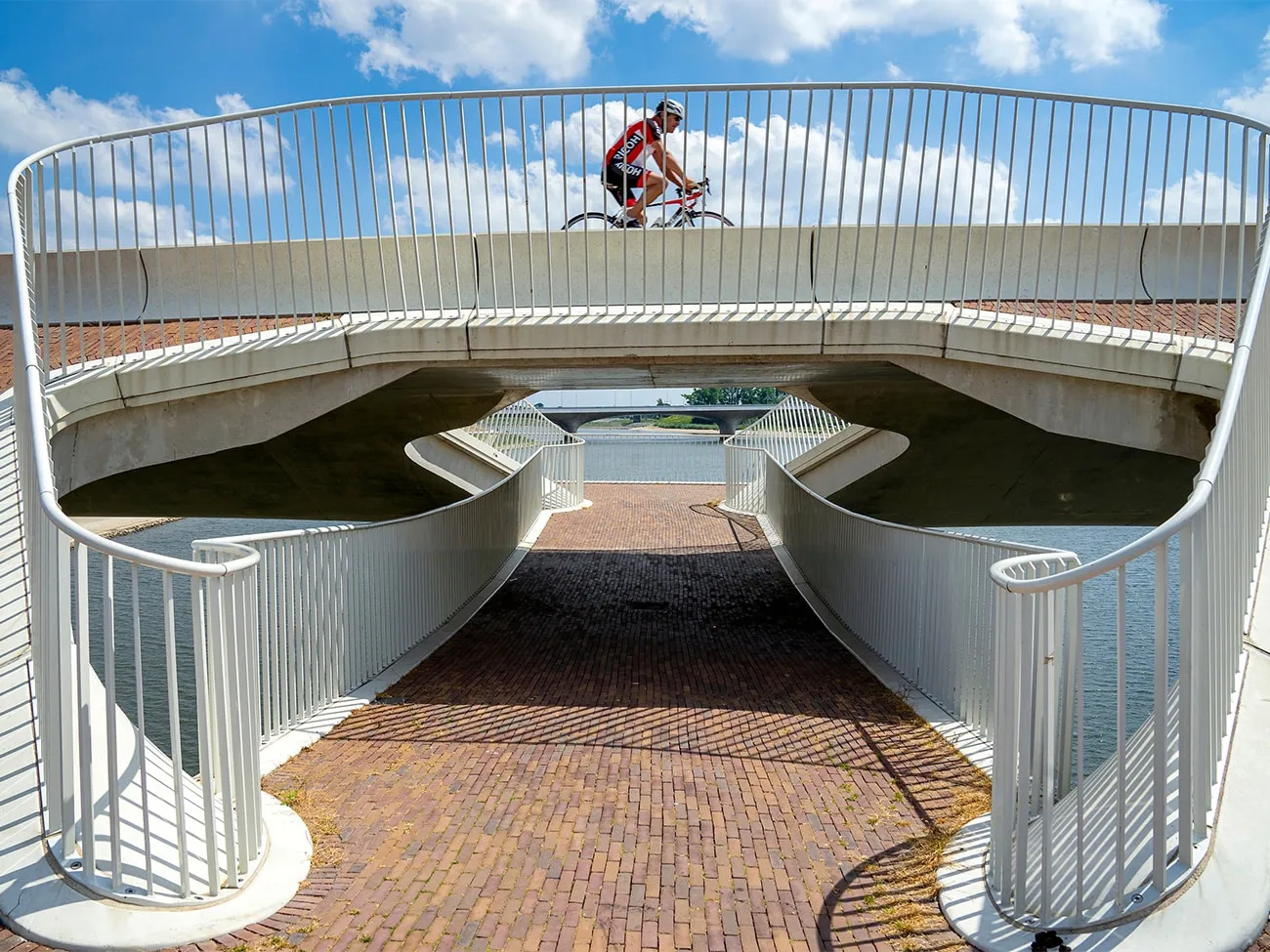
Why does the Netherlands perform better? Peters explains: “Because we have always been pioneers. We seek out innovations. In terms of volume, we may be small, but we are far ahead when it comes to knowledge, innovation and application. We also use more precast concrete in the Netherlands than other countries. We are willing to experiment with new concrete mixes and are given the scope to test them in practice. The Betonakkoord, for example, has now been running for almost 3 years, and the industry is realising that it can benefit the Netherlands as a whole. Our industry has been working on sustainability for years, and the opportunities offered by the Betonakkoord deserve to be recognised.” That is the message we are promoting.
Mission and vision reviewed
Betonhuis represents seven sectors, each with its own interests as well as shared interests. How do you get everyone pulling in the same direction? Peters sees this as one of Betonhuis’s major achievements. “That is precisely why we exist. Collaboration is the key to success. By bringing the parties involved together, sharing knowledge and encouraging innovation, and tackling things jointly, we can make progress. However, in our role as a frontrunner, we have to keep pace with all the changes around us. For that reason, we have reviewed our mission and vision. We believe we cannot do without concrete, because it plays a major role in living, working and wellbeing, and therefore in prosperity in general. At the same time, we are committed to minimising its environmental impact. Our strategy is to help the Netherlands meet its climate targets. We explain the options for action through webinars (11 in total, see box). These cover topics such as how to approach alternatives, including geopolymers and delayed hardening. We look at everything at the level of the application.”
Suffering from the ‘innovator’s dilemma’
The Betonakkoord facilitates ‘matchmaking’. Peters explains: “When there is a new application, we look for a party willing to use it.
We assess whether the risks can be insured and who should bear them. The aim is to strike a balance between the availability of raw materials, technical feasibility, structural safety and environmental benefits.” How do you ensure an innovation is actually adopted once it has been approved? Peters says: “Once an innovation becomes mainstream, the market will follow suit. If you are ahead of the pack with an innovation, you always suffer from the ‘innovator’s dilemma’. The industry has been working for years to become more sustainable and reduce its environmental impact. It is our shared moral duty to keep improving sustainability.”
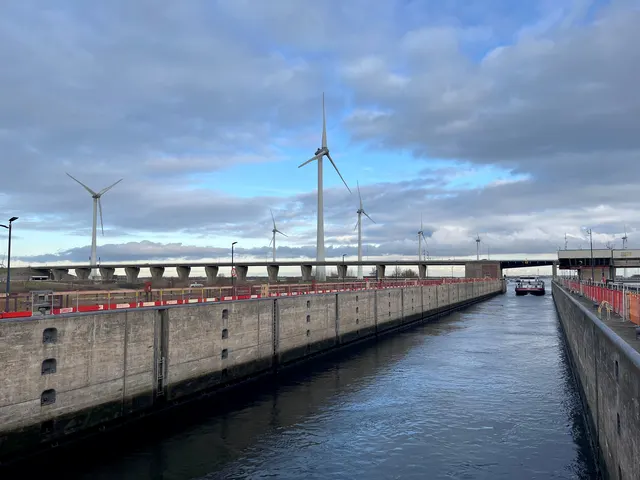
There are also significant gains to be made in logistics. For Betonhuis, it is obvious that logistics must always be planned to minimise CO2 emissions. “We distinguish between factories that make concrete products, permanent concrete plants and mobile concrete plants. Transport by ship is preferable where possible. A large ship can replace as many as 140 lorry journeys. If you can set up a temporary concrete plant near a major project, that brings immediate benefits. The guiding principle is to take a pragmatic approach to transport. Pragmatism also matters when choosing materials for construction. We are not ‘concrete evangelists’. If another building material offers greater value than concrete in a particular situation, then you should choose it, provided it is more sustainable. We also advise on this, as we know our own product well. The goal is to meet the climate targets.”
Rethinking and having much-needed discussions
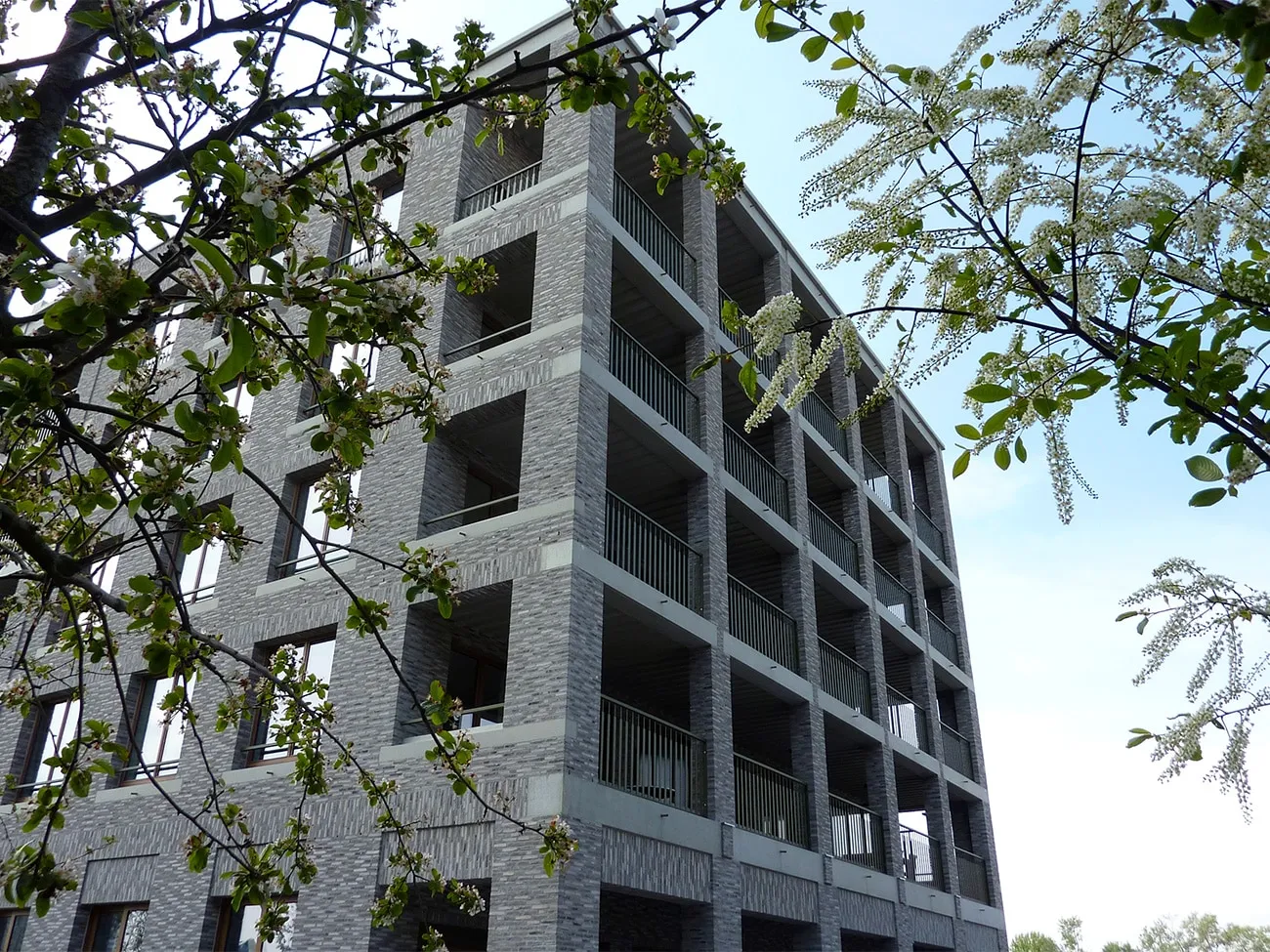
We speak to Jan de Koning of De Jong Beton. He is investigating how concrete can be made more sustainable with three working groups at Betonhuis. De Jong processes clean concrete into aesthetically pleasing concrete elements, known as ‘architectural concrete’. “We should think of concrete as an artificial rock. The choice to use cement made from limestone was made in the past. It was a snapshot decision, based on a lack of knowledge. Today we know that limestone stores CO2 and releases it again when burned. More than half of limestone is CO2! That really has to change in 2021. We are quarrying the wrong mountains for limestone. That is why we need to rethink our approach, and have a discussion. We need to redefine this ‘rock science’, and we are doing so in three working groups. We are investigating how to use cement as efficiently as possible by reducing the amount needed, looking at alternative binders such as geopolymers, and reassessing aluminium cement. How can we use it to make strong concrete? To get a clear picture, we have enlisted a concrete technologist to visit factories, assess their processes and provide advice. We are also working closely with universities. Collaboration is becoming the norm! Our goal? We want to get down to 100 kg of CO2 per cubic metre of concrete. That would be a significant reduction.”
‘Our health is beneath the ground’
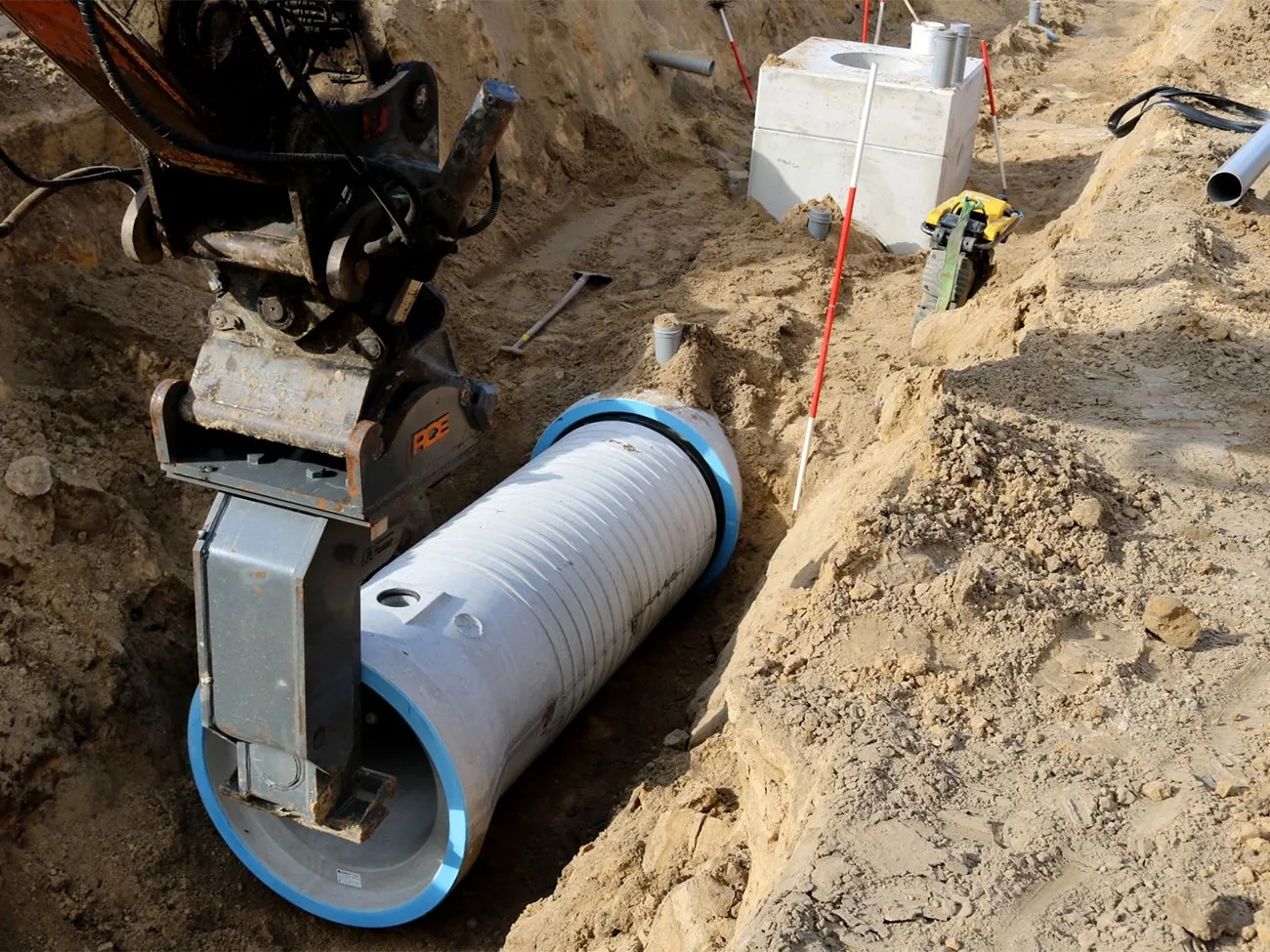
Betonhuis is running several campaigns, including ‘Transparant beton’ and ‘Onze gezondheid zit onder de grond’, the latter focusing on concrete sewerage. Hans Mascini, director of Kijlstra Beton, represents the sewerage sector at Betonhuis. He explains: “People need to realise that sewerage has contributed more than anything else to increasing life expectancy. The ancient Romans already had concrete sewers. After the fall of the Roman Empire, the technology was temporarily forgotten, with all the consequences that entailed. In the Middle Ages, open sewers, or no sewers at all, led to outbreaks of disease. Closed sewerage is therefore vital, and concrete made it possible. The challenge now is to find ways to make concrete sewerage even more sustainable. This calls for a very different discussion, because sewerage concrete has to meet extremely demanding performance requirements. Chemical resistance and impermeability to liquids are vital. We cannot afford to experiment with geopolymer concrete for sewerage unless we can guarantee safety in advance. We will only do so if explicit agreements have been made with the client. Of course, we will take part in the sustainability process, even if sustainability trials take longer than usual. If we bury concrete, we do not want to have to dig it up again 10 years later and regret it. We need to proceed in a very controlled and cautious manner. The standard specifies exactly how much cement must be used, so it is currently difficult to deviate from it for sewerage. We can, however, look at other factors that influence performance. At Kijlstra, for example, we have developed a new type of sewer pipe that is more energy-efficient to produce and more resistant to acids. Using less energy to make products and extending their service life underground are also ways to make gains.”
Question about this story? Ask your question
Keep following this
Get an email when a new story is published. No account needed.
- ThemeMaterials and techniques for infrastructure
- SubjectConcrete