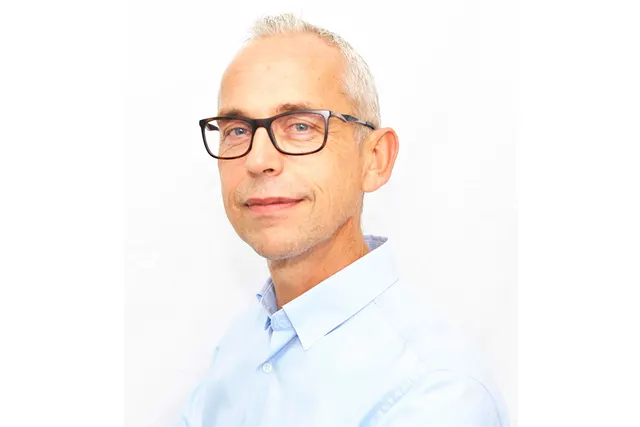
‘A quality mark such as the CSC certificate needs intrinsic motivation to succeed’
Text and images Betonhuis
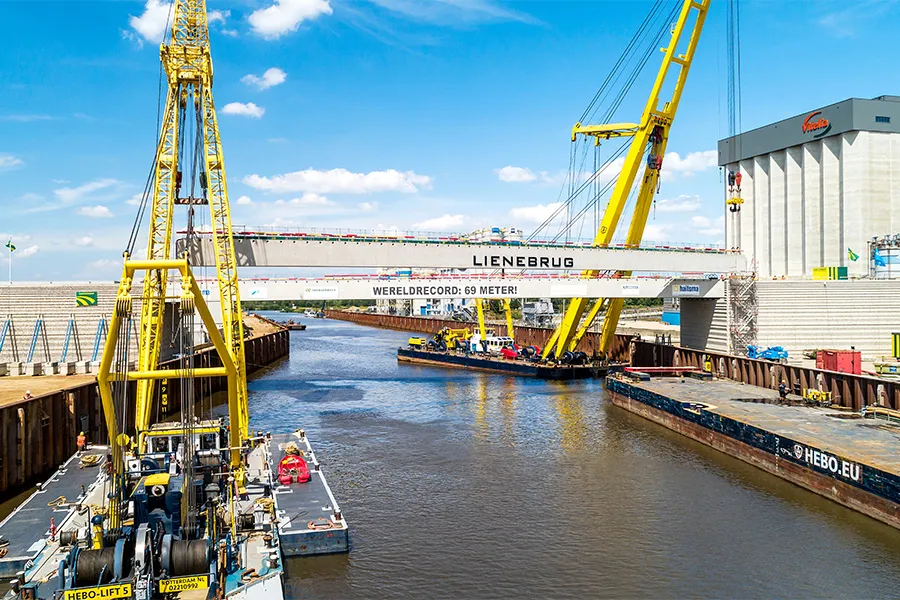
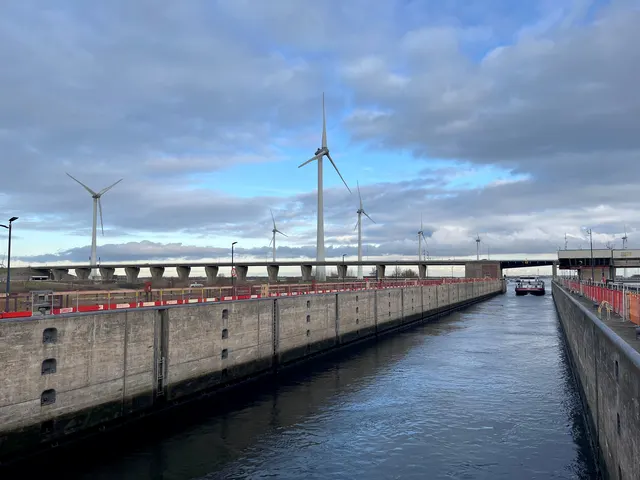
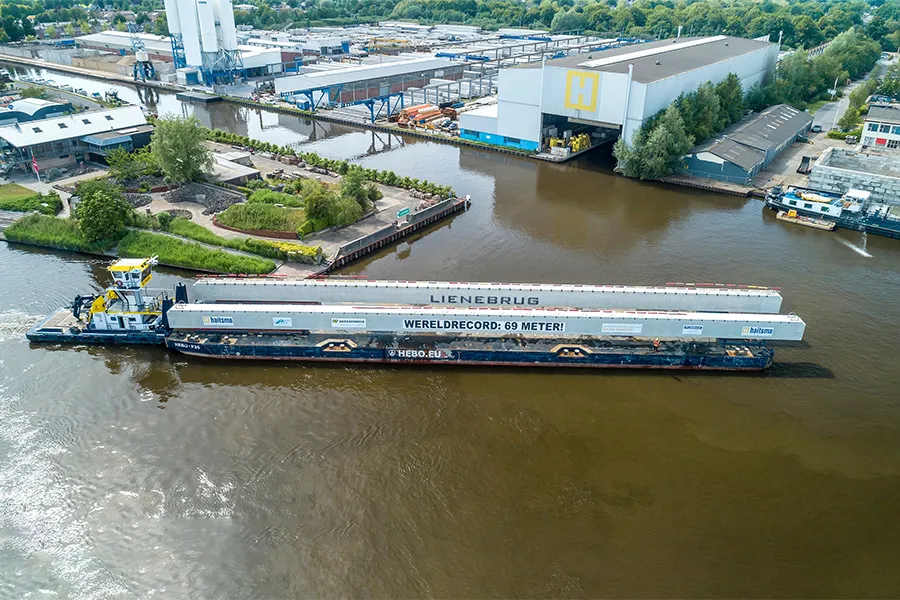
Haitsma Beton is based in the north of the Netherlands, in Kootstertille, just north of Drachten. But its location does not prevent the company from supplying customers throughout the Netherlands. Situated on the Prinses Margrietkanaal, it is uniquely placed to transport its exceptionally heavy concrete products by water to their final destination wherever possible. Betonhuis spoke to Wim Comello, director of the company, which was founded in 1905, since 2013.
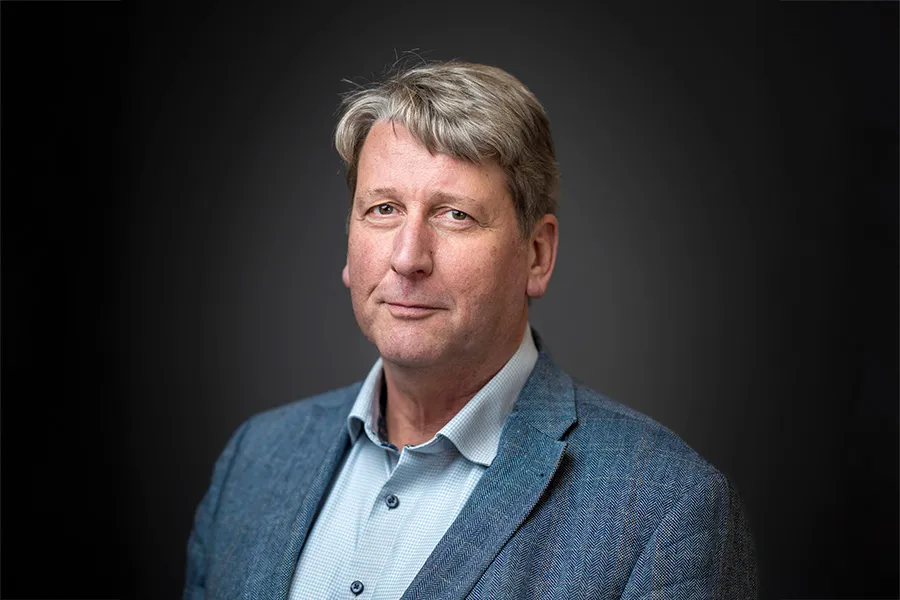
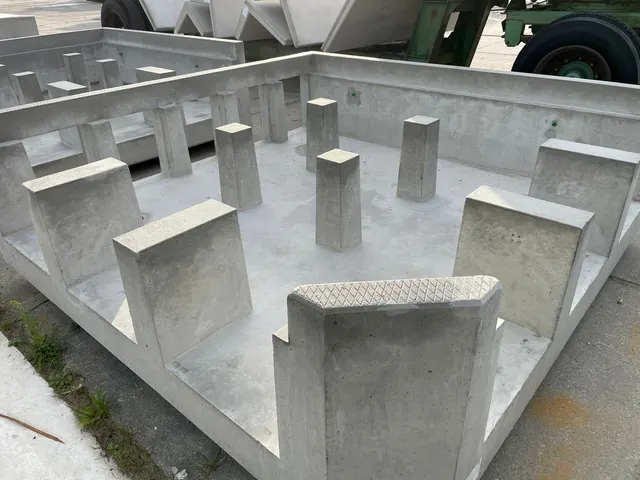
Haitsma specialises in manufacturing piles, beams, bridges and barriers. “In short, everything in concrete needed for structures such as bridges, viaducts, car parks, stadiums, or data and distribution centres,” says Comello. “Our customers also come to us for viaduct substructures and support structures for, for example, the petrochemical industry in the Botlek area. Although we have competitors, we are unique: Haitsma can lift loads weighing up to 280 tonnes. One of the most recent prestressed beams we installed was no less than 69 metres long. And how did we transport it? By water, of course!”
Haitsma often works under Design & Construct contracts. “Under these contracts, the client is responsible for designing, for example, a bridge or viaduct,” explains Comello. “As a concrete structures contractor, we sit down with the client from the outset so that our input can be incorporated into the design. That is how we achieve the best product. As the manufacturer, we produce our own drawings and carry out our own calculations for our products.”
It was a natural step for Haitsma Beton to join the CSC Sustainability Report. “We think this is important. There are three reasons for us. First, Haitsma is part of society, and that brings with it a responsibility,” says Comello. “Second, as Haitsma employees, we want to work together to improve the environment, because it is our environment. A quality mark such as the CSC certificate needs intrinsic motivation, and for us that motivation is shared by the company as a whole, as well as by each individual employee, including me. Third, there is also a commercial consideration. You are more valuable to your customer when you contribute to the sustainability transition.”
For Comello, the CSC quality mark may not be a pleasure, as it takes considerable effort, but it is certainly not a burden. “We would already have been doing many of the things now required to obtain the CSC certificate even without the quality mark. The certificate gives us a framework for checking that we are doing the right things in the right way.” Comello says it is therefore helpful to have an expert auditor visit and offer useful advice. “But,” he continues, “you really have to want to do it yourself. If you take part in the CSC Sustainability Report solely for commercial reasons, you will not enjoy the homework involved. But we are already an ISO14001 company, also on a voluntary basis. We simply believe that this is the kind of company we are.”
Comello would also like to clear up a misconception about concrete companies. They are not generally known for being sustainable, but according to Comello, this is unfair. “It is true that cement production generates a lot of CO2. But concrete itself is highly durable.” Haitsma also makes use of this property of concrete. “We recover beams from existing structures when they are demolished and use them in new projects. We design and build modularly, as it is called. We give concrete a second life. Concrete can also be reused as aggregate to replace gravel in the production of new concrete.”
All this does not mean that the concrete sector has no further work to do. For Comello, the CSC certificate provides a framework within which Haitsma can do the things it already wanted to do. “Some things are obvious, such as switching all our mobile plant to electric. Others are less obvious, such as pumping the water ourselves that is needed to make concrete. The more companies hold the quality mark, the lower the sector’s environmental impact. The quality mark is not just about sustainability, but also corporate social responsibility and safety. It shows our customers that we are doing well across the full range of business practices in the concrete sector. We are also happy to welcome customers to show them what we do in practice. That can help build momentum for sustainability in our society. Raising awareness takes more than a quality mark, because it has to come from within, but the quality mark is an important step in that development.”
Concrete Sustainability Council white paper
(CSC Nederland) Sustainability Report 2024, now available to download
In its role as Recognized Sustainable Operator (RSO) of the Concrete Sustainability Council (CSC), Betonhuis presents the third Dutch sustainability report. The report provides insight into the results and developments of CSC-certified companies across the concrete supply chain, and shows how sustainability is being integrated into the sector step by step. The CSC Sustainability Report 2024 is now available to download from the Betonhuis publications page.
Question about this story? Ask your question
Keep following this
Get an email when a new story is published. No account needed.
- ThemeMaterials and techniques for infrastructure
- SubjectConcrete