3D concrete printing: a versatile technology that delivers
Text Chris Elbers Beeld Saint-Gobain Weber Beamix
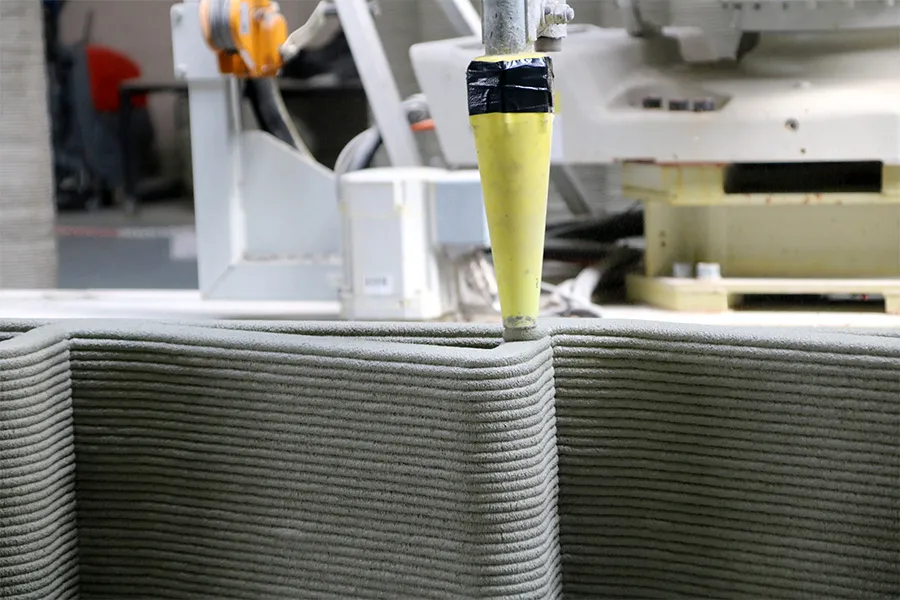
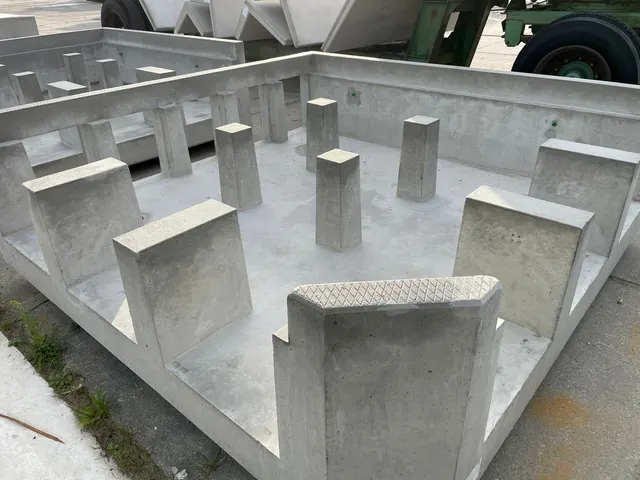
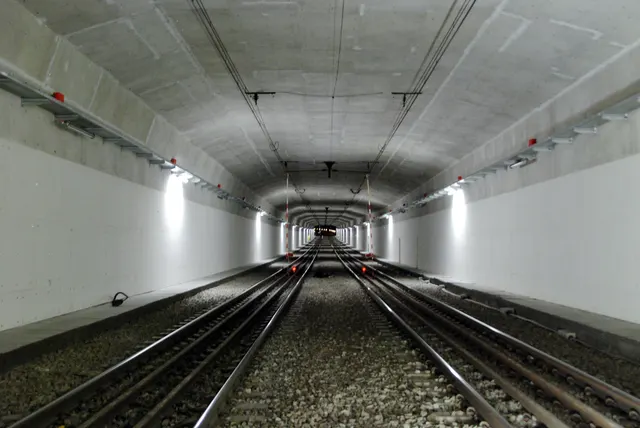
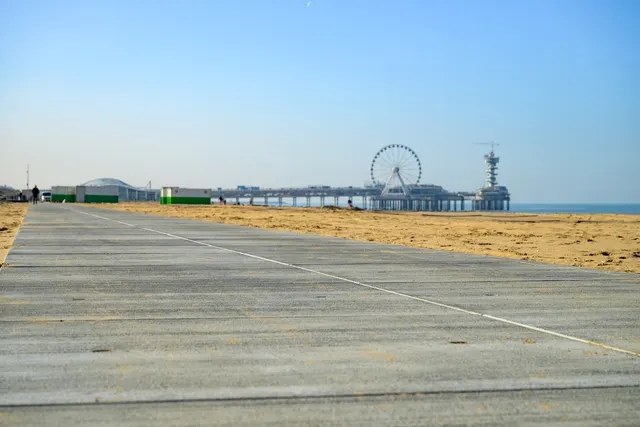
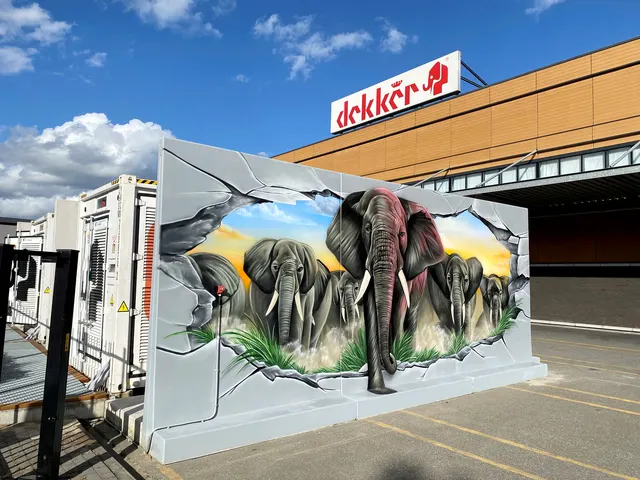
In 2017, Saint-Gobain Weber Beamix, together with BAM Infra and Eindhoven University of Technology (TU/e), achieved a world first: the first fully 3D-printed structure, a cycle bridge in Gemert. The technology used at the time has since developed into a fully fledged, versatile production method for a wide range of objects, with design freedom and CO2 reduction at its heart. From bridges, permanent formwork and street furniture to inspection and sewer chambers, skate parks and slope stairs. The latter product is a particularly strong symbol of the 3D concrete printing capabilities Weber Beamix has developed by 2024. “The technology is mature,” says project manager Pieter Bakker. “Our slope stairs are the ultimate proof.”
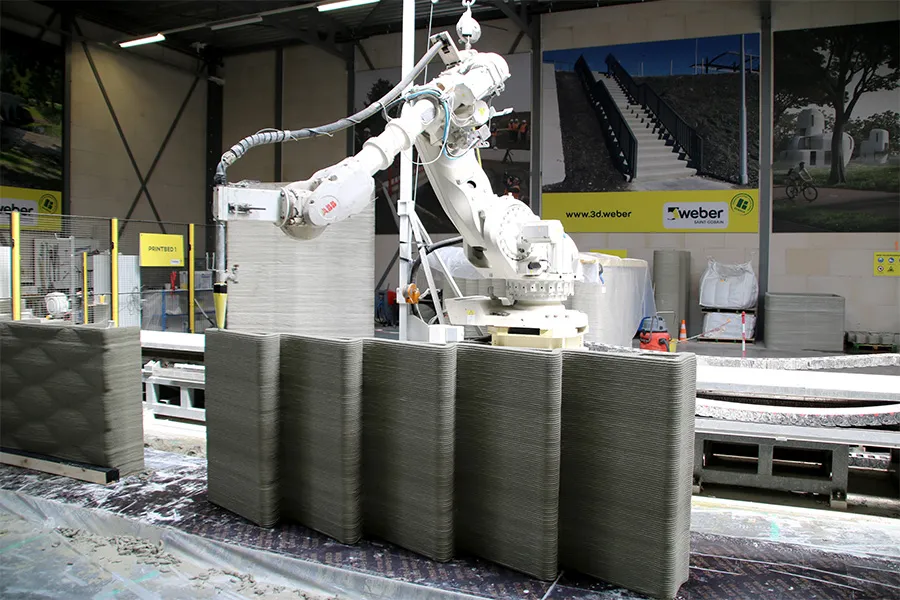
Saint-Gobain Weber Beamix has been experimenting with 3D printing using concrete for more than two decades. In 2005, it produced the first 3D-printed wall. Development in 3D concrete printing only really gathered pace around 10 years later, thanks to TU/e’s 3DCP project. Within a consortium of companies, this experiment gradually evolved into a new production method for the construction industry. The result? Europe’s first concrete printing factory opened in 2019, followed by a series of high-profile projects. Saint-Gobain Weber Beamix has been the sole owner of this production facility, based in Eindhoven, since May 2021. Here, a professional project team works every day to produce first-class concrete creations, explore the many possibilities of 3D concrete printing and expand its use. From the initial design right through to final installation on site.
Fully fledged
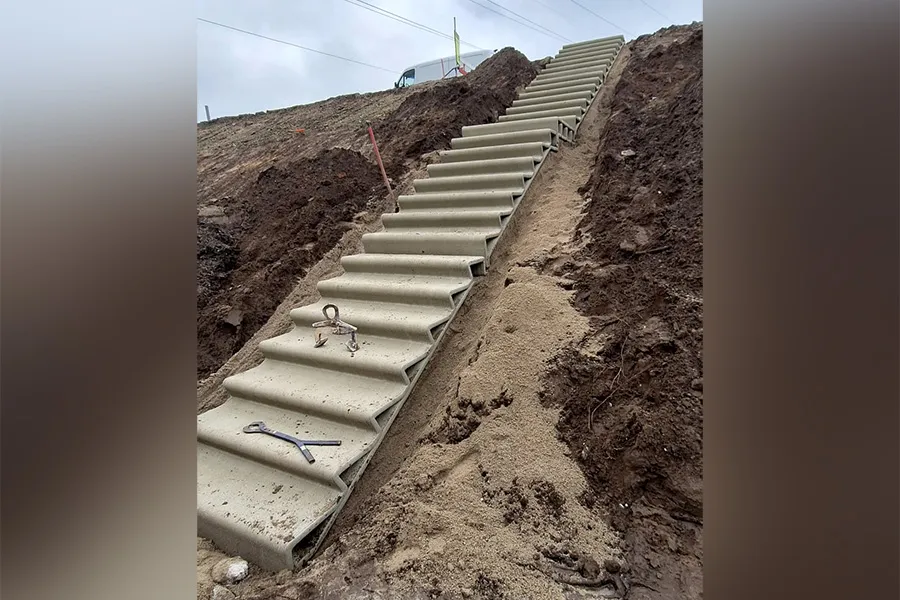
In conversation with Pieter, the advantages of 3D concrete printing soon become clear. “3D concrete printing means speed and unparalleled design freedom. But above all, this method is a highly sustainable choice. Concrete is used only where it is actually needed. Take our slope stairs, for example. We have now made dozens of them. Because you print hollow steps and the printer lays down concrete only where it is needed for structural strength, 3D production can save up to 50% on materials. No reinforcing steel is used either. Together, these factors deliver CO2 savings of up to 40 to 60%.”
Start early, reap the rewards
3D concrete printing offers a wealth of possibilities. However, Pieter says that to realise its full potential, elements and objects need to be designed with the printing technology in mind from the outset. “Topology optimisation, for example, is a discipline that lends itself perfectly to 3D printing,” he says. “Quite simply, the computer calculates the optimum design to reduce weight and material use. In that respect, the infrastructure sector could learn from the aviation industry, where topology optimisation and 3D printing have gone hand in hand for some time. The combination can also deliver excellent results in construction.”
For everyone
These advantages have helped turn the production process into a mature technology that delivers. By 2024, 3D concrete printing had become a serious alternative for producing a wide range of construction products. “The technology as it stands now allows us to print any slope stair required, regardless of size or shape, at a competitive price. The design process can also be quick and easy. To make this possible, we offer a dedicated configurator on our website. This user-friendly tool, designed to simplify the process, lets anyone create a bespoke slope stair in just a few minutes. We then deliver the finished product within three weeks.”
On the map
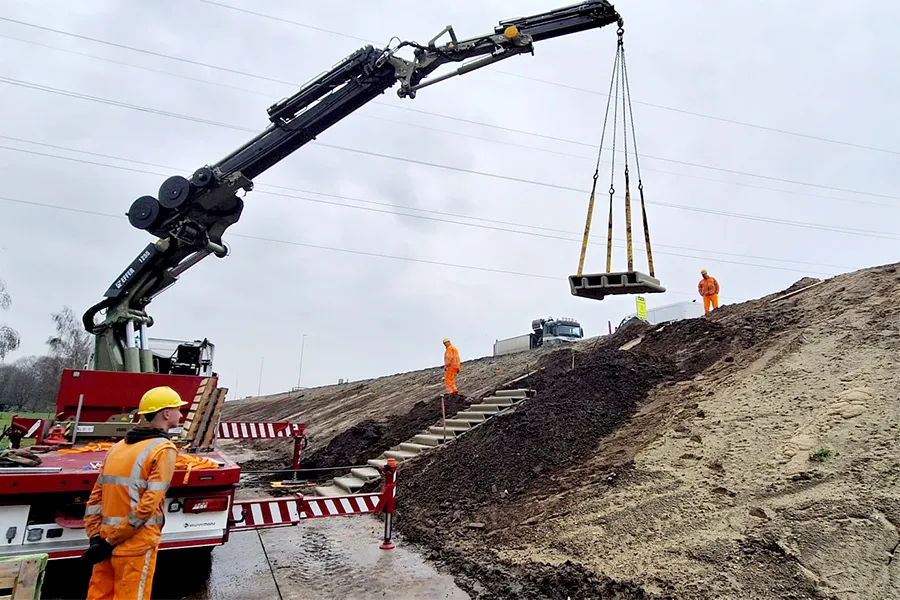
It is clear that Saint-Gobain Weber Beamix’s 3D-printed objects are securing an increasingly firm place on the map, quite literally. At www.3D.weber, all the company’s 3D concrete printing projects in the Netherlands and abroad can be viewed on an easy-to-navigate map, including, of course, the slope stairs. These are solid examples of the project team’s knowledge and expertise, and a springboard for many more achievements in the future. “One of the most recent slope stairs we made was delivered for the A1 Apeldoorn-Twello Widening Project, a neatly executed project being carried out by Heijmans on behalf of Rijkswaterstaat, where sustainability and innovation are high on the agenda,” says Pieter. “In close collaboration with Jenniskens Kraanverhuur, we recently installed a very attractive 3D-printed concrete slope stair for the project. It fits perfectly into the landscape and meets the project objectives.” Willian Nijenhuis, project manager for Heijmans Infra CP Realisatie, agrees. “The smooth collaboration has produced an attractive, robust and sustainable end result. Providing the cross-section from the design was all that was needed to produce the slope stair. Saint-Gobain Weber Beamix then takes over the process through to completion. This end-to-end service is a major advantage. In addition, producing slope stairs off site reduces the workload for skilled workers in the field. That is a welcome bonus, as the availability of skilled labour is becoming an increasingly serious problem.”
A business enquiry for Saint-Gobain Weber? Get in touch
Companies in this story

Keep following this
Get an email when a new story is published. No account needed.
- ThemeMaterials and techniques for infrastructure
- SubjectConcrete
- CompanySaint-Gobain Weber