









Concrete protection for a superior wastewater tunnel
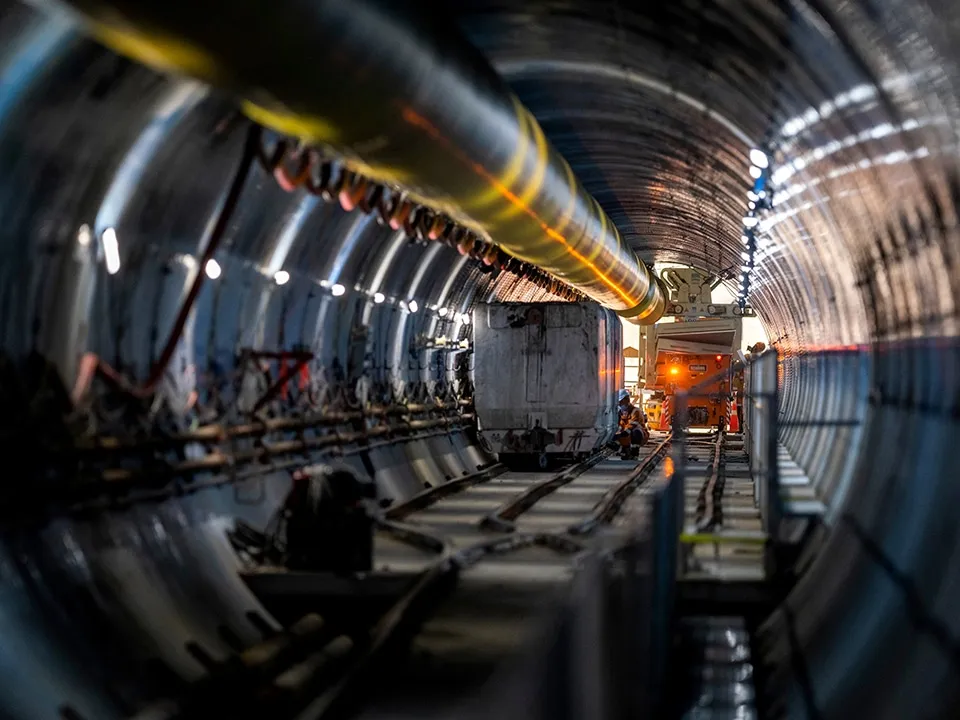
The Auckland Central Interceptor is the largest wastewater project in New Zealand’s history. This vast sewer tunnel will carry wastewater from the west of the city to the Māngere wastewater treatment plant in the east. Commissioned by Watercare Services Ltd, the new wastewater tunnel will cost approximately NZD 1.2 billion and is due for completion in 2026. AGRU Kunststofftechnik is supplying concrete protection panels for a polyethylene lining system designed to protect the wastewater tunnel from concrete corrosion over the long term.
The Central Interceptor Tunnel is 4.5 metres in diameter and 14.7 kilometres long. It runs from Grey Lynn beneath central Auckland and Manukau Harbour to Māngere. The tunnel will lie between 15 and 110 metres below the surface. Together with two smaller connecting tunnels, the main tunnel will collect wastewater from the existing network and carry it to the Māngere wastewater treatment plant. To maximise the durability of this multi-billion-dollar infrastructure project, Watercare Services Ltd is having the wastewater tunnel lined with AGRU concrete protection panels.
HDPE lining protects against concrete corrosion
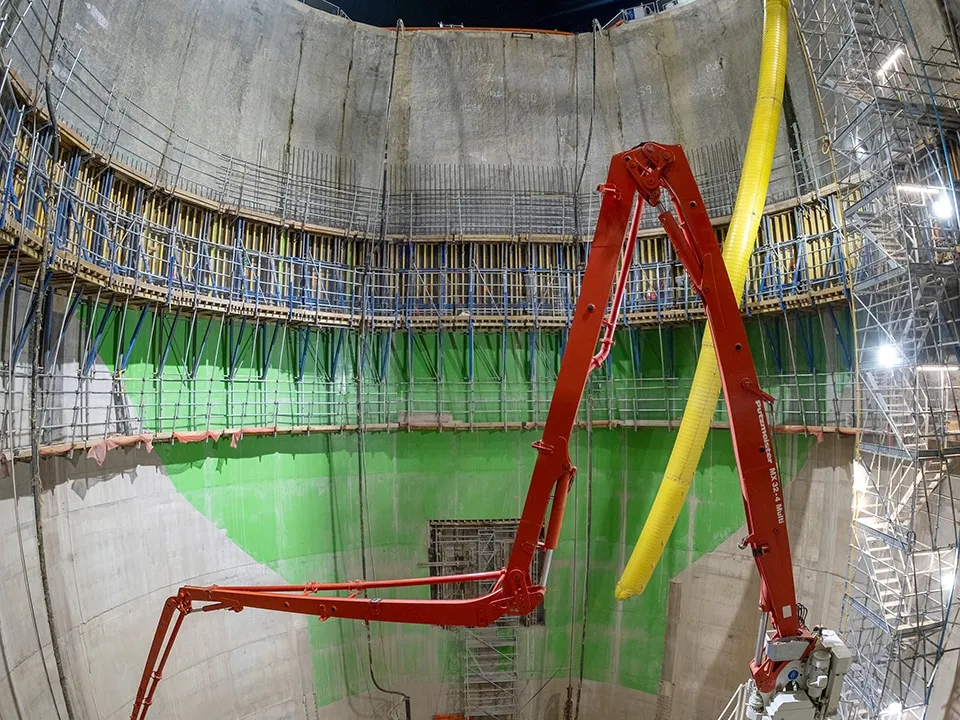
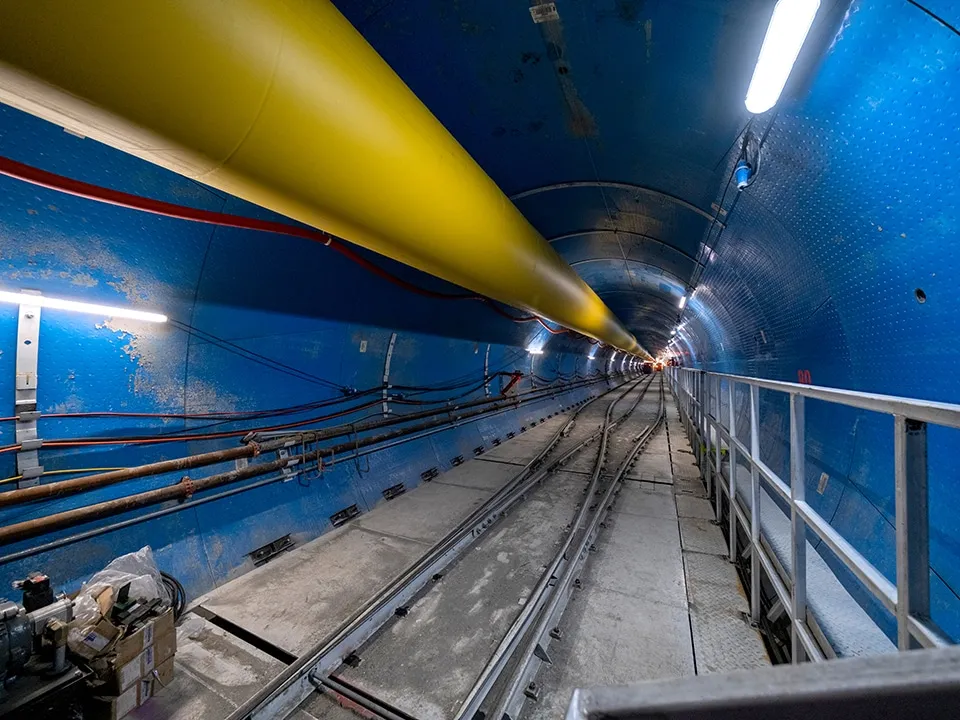
The high-quality high-density polyethylene lining effectively prevents concrete corrosion and wear. With 13 mm-long anchor bolts, AGRU Ultra Grip concrete protection panels have exceptionally high pull-out strength. The thermoplastic lining protects the concrete from corrosion caused by gases generated by the wastewater in the tunnel. This helps maximise the service life of the tunnel structure. To facilitate sewer inspection and damage detection, the tunnel is divided into four sections, each a different colour. AGRU is supplying Ultra Grip concrete protection panels in a thickness of 3 mm. The access shafts are lined in green, while the sewer tunnel is lined in yellow, pink, blue and grey, with the lining sealed using extrusion welding.
The project is not only intended to accommodate population growth in the city, which has 1.7 million residents, and the resulting increase in wastewater demand. In older parts of central Auckland, sewage and stormwater flow through a combined sewer network. During heavy rainfall, stormwater can overwhelm these pipes. At present, during heavy rainfall, faecally contaminated stormwater overflows into Waitematā Harbour. The new sewer tunnel is expected to significantly reduce these overflows.
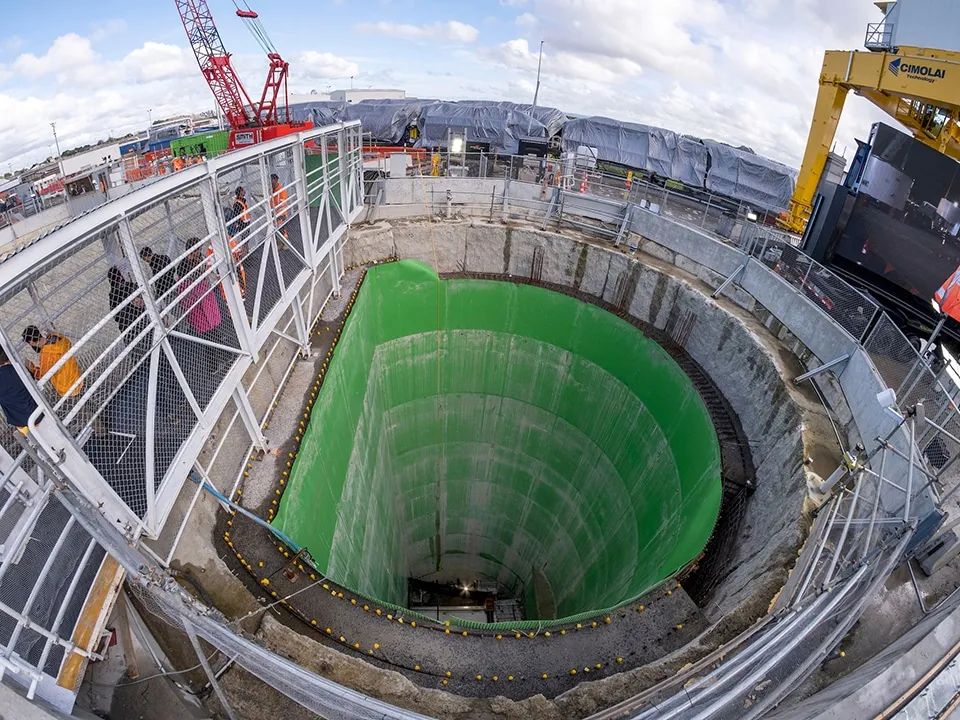
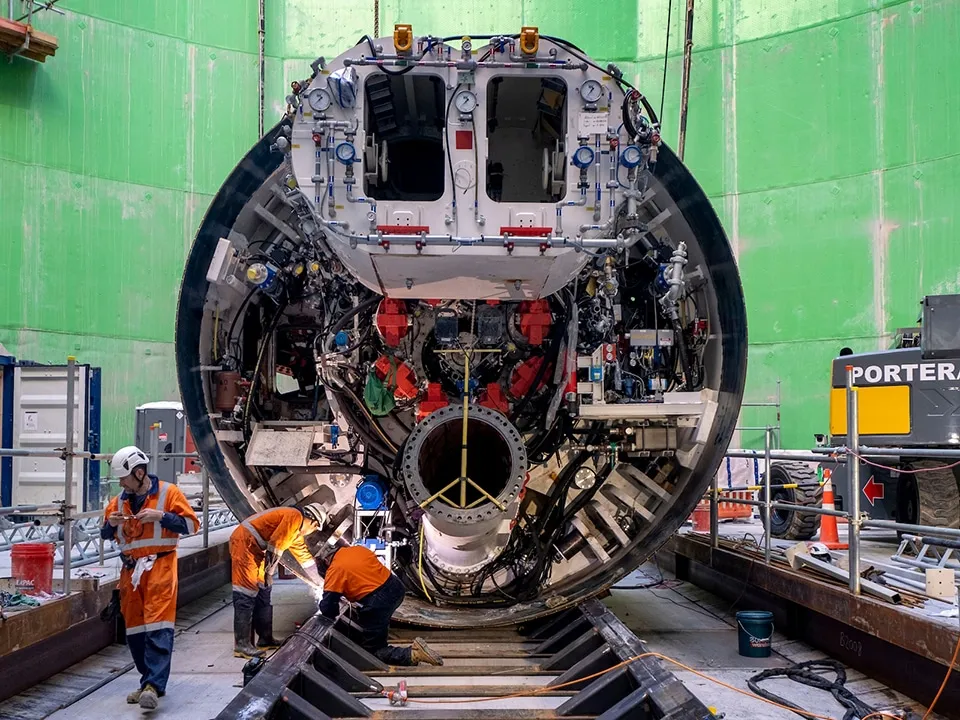
The construction contract was signed with the Ghella Abergeldie Joint Venture in March 2019. A 200-metre Herrenknecht tunnel boring machine will also be used. The completed wastewater tunnel will have a gradient of 1:1000, allowing wastewater to flow to Māngere. A total of sixteen access shafts, up to 65 metres deep, will be built for maintenance and operation. Inspection and overflow structures, as well as air treatment plants, will also be built for future operation.
Ahead of the project, AGRU Kunststofftechnik GmbH and Agru New Zealand Ltd provided technical support for installing the lining in the shafts and tunnel. Agru New Zealand Ltd provided on-site support and training for the extrusion welding team. AGRU Kunststofftechnik GmbH and Agru New Zealand Ltd have coordinated the supply of approximately 210,000 m² of lining for the project and continue to do so.
Question about this story? Ask your question
Who worked on it
Auckland Central Interceptor in Auckland
- concrete protection platesAGRU Kunststofftechnik
- Technical supportAgru New Zealand Ltd
- tunnel boring machineHerrenknecht
Keep following this
Get an email when a new story is published. No account needed.
- ProjectAuckland Central Interceptor
- ThemeExtending the life of roads and civil engineering structures
- SubjectBridge construction
- CompanyAGRU Kunststofftechnik
- CompanyAgru New Zealand Ltd
- CompanyHerrenknecht







