









Working efficiently and safely in infrastructure
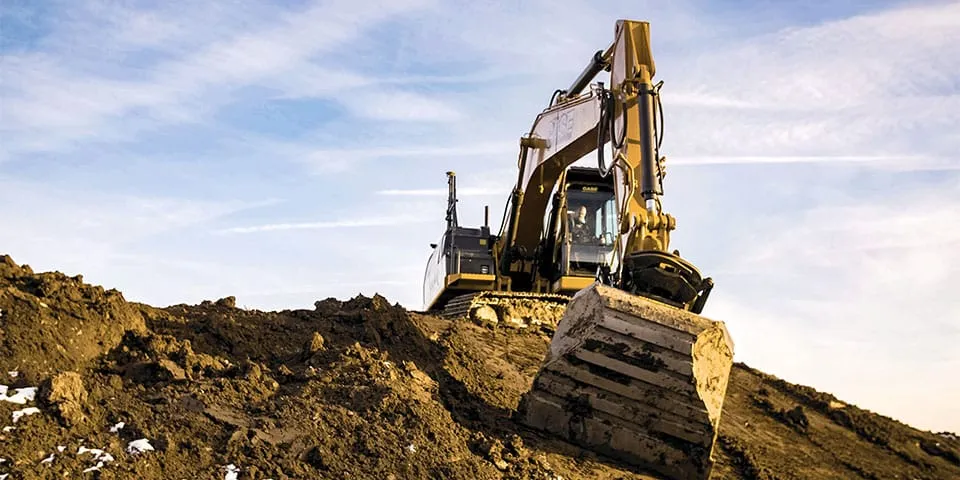
Technology is changing the way we work, including in the infrastructure sector. Extensive digitalisation of equipment, combined with the use of available geographic data, is enabling increasingly efficient ways of working. Technology also plays a key role in safety, both personal and operational, in infrastructure. As a manufacturer of high-quality hardware and software solutions for geodesy, Leica Geosystems is investing heavily in technology and safety.
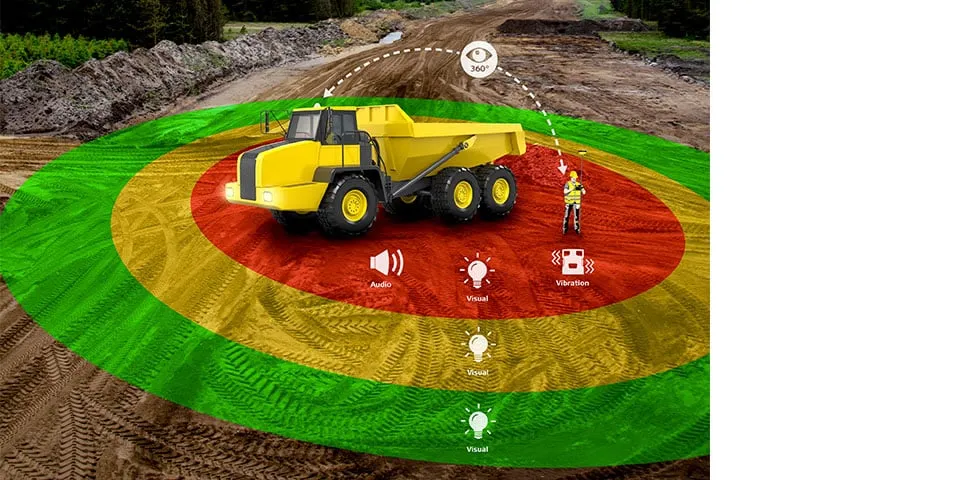
The PA10’s collision warning system gives operators 360-degree visibility around the machine and alerts them when people or other vehicles enter a pre-set range.
One of the latest developments is the Leica PA10, designed to improve the safety of people and equipment on construction sites. “The personal alarm system originated in mining, where it has more than proved its worth,” says Arno Kijzerwaard of Leica Geosystems. “It has also proved highly suitable for use in the infrastructure sector, particularly on large infrastructure projects involving extensive earthmoving. Far too many accidents still occur around excavators and other heavy construction vehicles. The PA10’s collision warning system gives operators 360-degree visibility around the machine and alerts them when people or other vehicles enter a pre-set range. It is an active system that issues warnings at three levels and can be configured to suit each machine. What’s particularly useful is that personnel on foot can also be equipped with a sensor, triggering a warning when a vehicle approaches or when the person enters a certain range of a construction machine.”
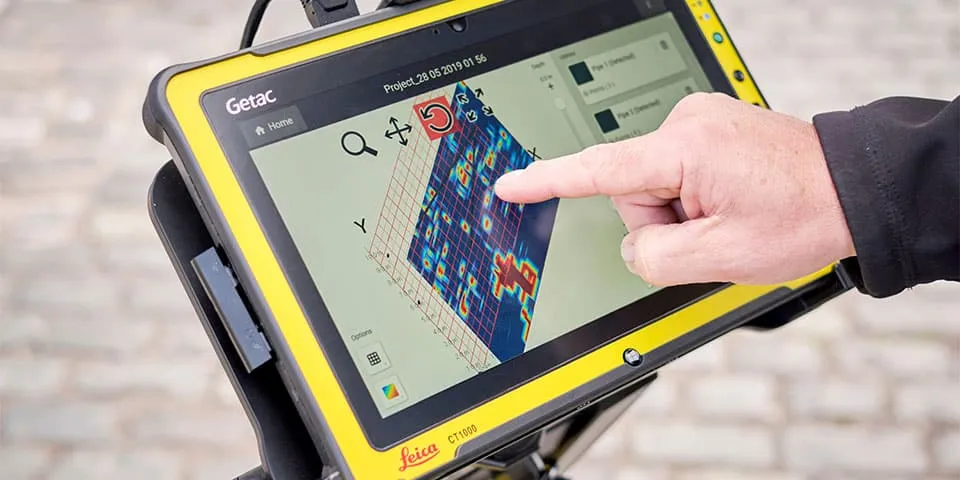
The Leica DSX ground-penetrating radar displays a heat map showing the location of cables and pipes.
Digital innovations
Technology is also making it possible to use equipment more efficiently. One example is Leica iCON site software. Kijzerwaard explains: “This software provides intelligent, tailored positioning solutions for road construction and infrastructure applications. It is so intelligent that, for example, earthmoving operators no longer even need to hold the GPS receiver vertically.”
“Technological innovation now also means that Leica AutoPilot systems can automatically rotate and tilt the bucket,” Kijzerwaard continues. “The boom and arm of an excavator can also be controlled automatically, so the operator only has to pull the joystick towards them and the machine follows the digital terrain model. The machine control display is increasingly becoming the central hub, bringing together information from the machine control system, PA10 safety sensors and, for example, 360-degree cameras. The screen can then easily be moved between different construction machines. Digital innovations on and around the machine can also be used to improve safety. These include detectors that locate cables and pipes before digging begins, as well as ground-penetrating radar, which can now easily map the subsurface. The Leica DSX ground-penetrating radar is a good example: its display shows a heat map of the location of cables and pipes.”
In short, technology is indeed changing the way we work, but above all it is making work much more efficient and safer. Want to see Leica Geosystems’ high-quality hardware and software solutions for yourself? Visit connect.leica-geosystems.com.
A business enquiry for Leica Geosystems? Get in touch
Companies in this story

Keep following this
Get an email when a new story is published. No account needed.
- ThemeConstruction equipment and transport in motion
- SubjectBouwMat
- CompanyLeica Geosystems







