









Urban Mobility Systems is moving the plant sector towards zero emissions
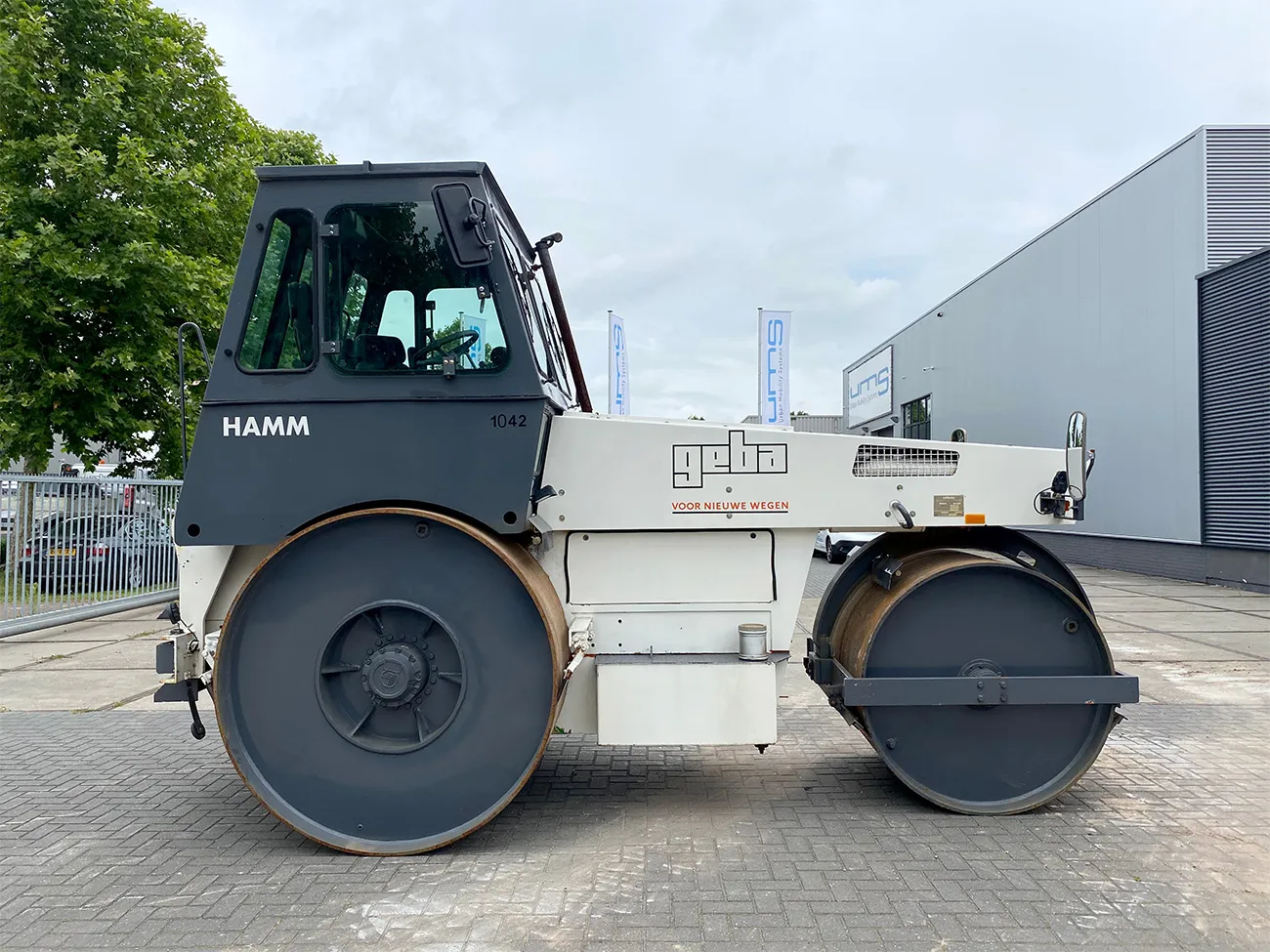
There is no doubt that Urban Mobility Systems has become one of the leading players in making the construction equipment industry more sustainable. The workshop in Oss is now full of equipment, from excavators to rollers and telehandlers to lifting or piling rigs. New steps are being taken here towards further electrification.
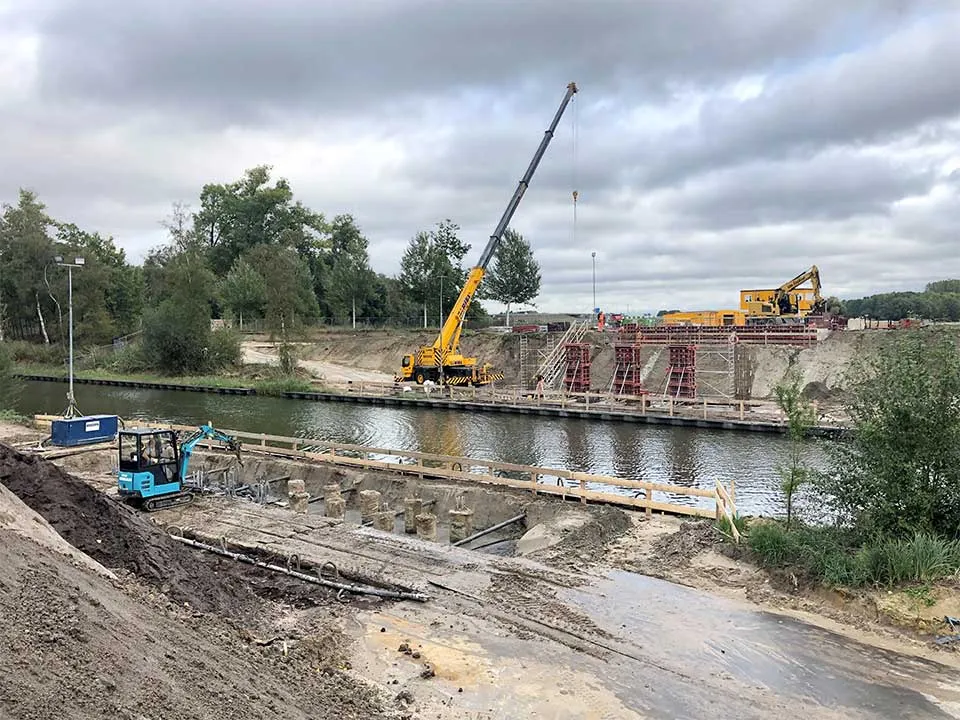
Until a few years ago, clean-tech engineering company UMS focused primarily on mobility solutions for inner cities: battery-powered vehicles for passenger and freight transport. Its focus has now largely shifted to zero-emission construction equipment. In light of the climate targets that have been set, the construction sector must also do its bit, and Lars Kool, UMS’s passionate founder and CEO, has taken up that challenge with both hands. His influence across the sector is clearly evident. What began with the electrification of a mini loader has since led to partnerships with numerous leading manufacturers, importers, contractors, trade associations and research institutes.
That is exactly how Lars Kool likes it. “Switching to battery-electric machines is mainly about knowledge. We need to share it,” he says emphatically. “I mean not just all the ins and outs of the machine itself, but everything around it too. The service network needs to be in order, and the energy supply on site is just as important. The equipment sector may seem inseparable from the smell of diesel and oil, but it still needs to embrace new technologies if it is to meet its sustainability ambitions. Let’s make sure we do it well, and do it together, because there’s no time to lose. What’s more, I’m convinced that quality and safety will always win out over a lower purchase price.”
SWITCHING TO ELECTRIC
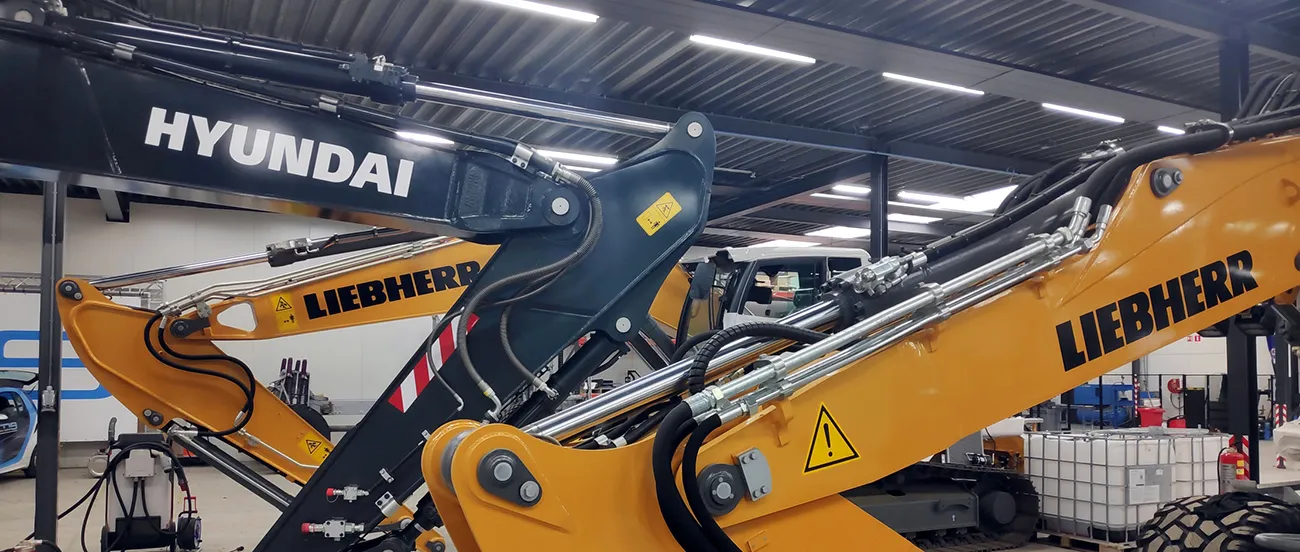
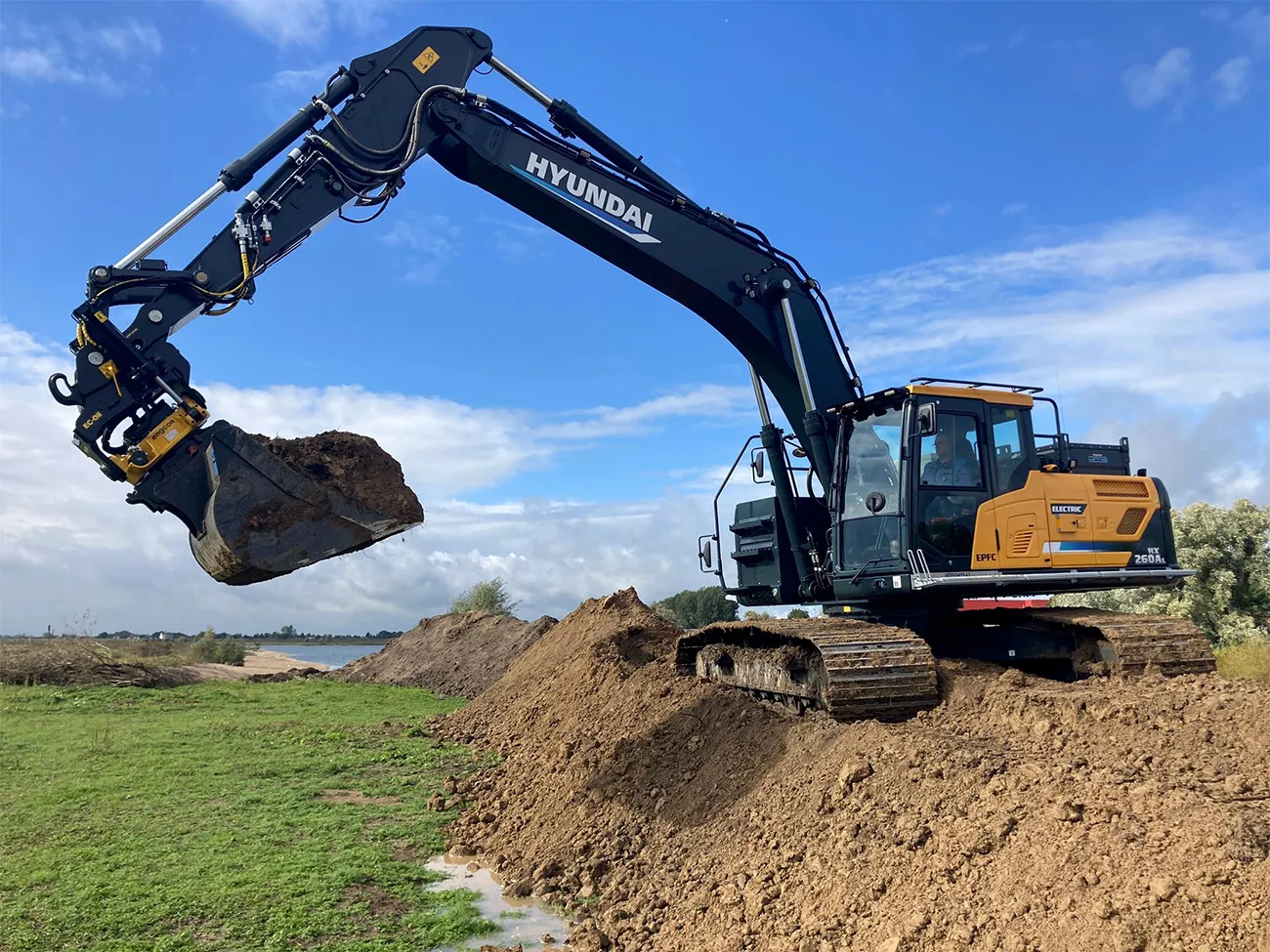
The official commissioning of a 28-tonne electric Hyundai crawler excavator by GMB in early December added another milestone to this success story. UMS worked closely with importer Van der Spek on the project. Van der Spek had previously announced the arrival of a hydrogen-powered version, but has since opted for battery-electric drive. Other brands are no longer sitting on the sidelines. In collaboration with Wynmalen & Hausmann, two zero-emission Liebherr R926 excavators are being built for Heijmans. The result is due to be showcased next year as a factory solution on the Bauma stand in Munich.
As well as supplying conversion kits to De Schans for the zero-emission Knikmops, UMS has also found great success with Bobcat mini excavators for Inter-Techno, including at BAM. And there is more to come: the first electric Magni telehandler is on its way, commissioned by Collé Rental & Sales, while PVE Cranes & Services is making a strong impression with cranes fitted with interchangeable UMS battery packs. “This proves once again that electrification is the way to achieve zero emissions by 2030,” says Kool. “Basically, it makes little difference whether we’re talking about a mini excavator or loader, or a piling rig with high energy demands, which is what we’re developing together with Finnish manufacturer Junttan.”
GOING BEYOND HYDROGEN
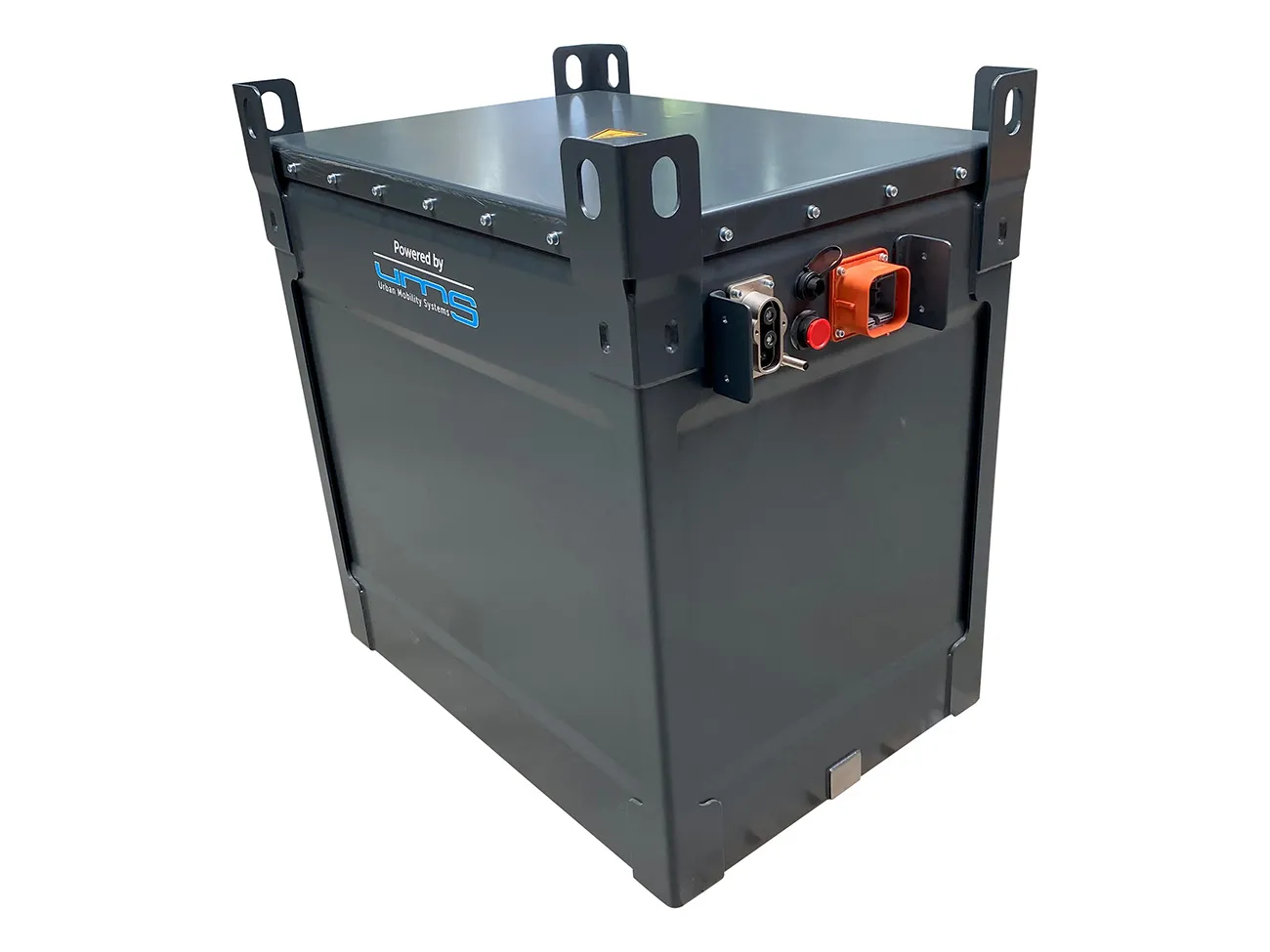
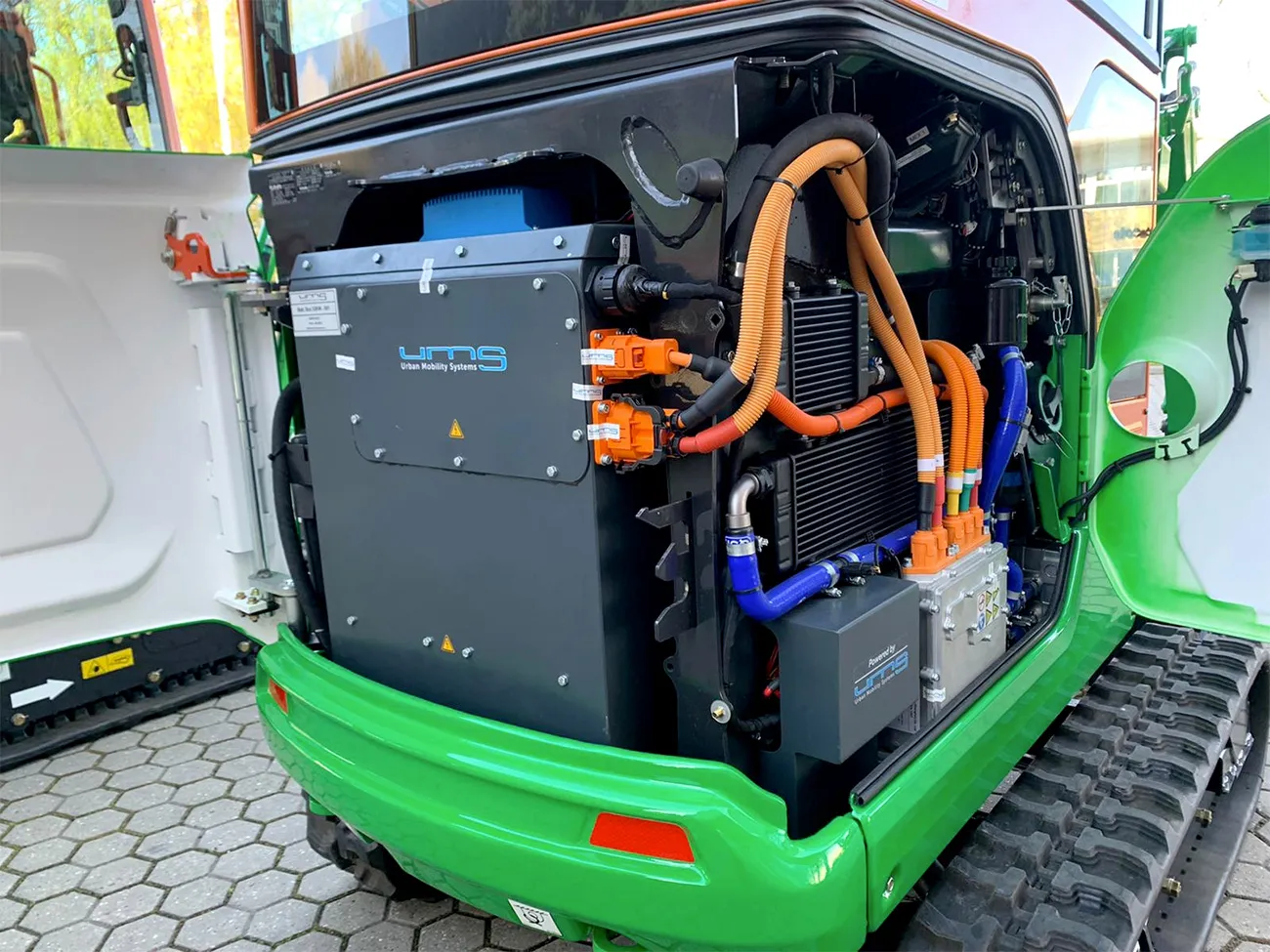
The LFP battery technology (lithium iron phosphate) chosen by UMS plays a part in this. Compared with NMC lithium batteries (nickel manganese cobalt), it is better suited to the power demands of construction and can be used in enclosed spaces such as car parks. Kool continues: “There is a lot of interest in hydrogen, but that technology still has a long way to go. Battery technology is way ahead in that respect. Swap packs are available and the charging infrastructure is becoming increasingly widespread. An empty battery can be charged or swapped almost anywhere. If you run out of hydrogen, you’re really stuck. And that’s before we even get to the cost and safety aspects, which are much more favourable for electric equipment.”
The director stresses that Urban Mobility Systems is not a conversion company but an OEM supplier. “In my role at Emissieloos Netwerk Infra, I often sit down with conversion companies, and I have no problem with that. But I do keep emphasising across the sector that quality and safety must come first. Unfortunately, that is not always the case in practice, and I’m portrayed as someone who wants the market all to himself. Nonsense! Give me a slice of the pie, because it’s going to be big enough. I always say that you have to learn to share in order to multiply. We ensure knowledge transfer through training in the NEN safety standard, workshop inspections and the supply of high-voltage tools.”
ACCELERATING PROGRESS
Kool advocates an integrated approach, with stakeholders working together to find solutions to meet the ambitious targets. The interchangeable battery pack concept has been well received by virtually all the major machine manufacturers. The aim now is to establish a global standard that guarantees uniformity, quality and safety. “That way, we can drive the acceleration needed to bring electric machines to a wider market, including overseas. The Dutch manufacturing industry enjoys an excellent international reputation. Greater volumes mean more market clout, for example when it comes to buying raw materials together. That will help bring down the cost of the battery pack.”
End users who think they can approach UMS to convert their equipment to zero emissions are mistaken. “We only electrify machines with the manufacturer’s approval and where the importer and dealer network take responsibility for service, maintenance and warranty. Around a hundred vehicles using our technology are in operation, and we have just one service engineer on our payroll. That says a lot. Partners receive an extensive warranty on our components, of course, but to the user it remains a Bobcat, Hyundai, Liebherr or whatever the brand may be. UMS is a white-label manufacturer of electric drivetrains and does not take sides in the market. We can only meet this challenge together.”
COMING CLOSE TO THE ORIGINAL
Before work begins, all the data from the machine with its diesel engine is logged in detail, so that the electric version can match the original as closely as possible in terms of configuration, performance and controls. “When I hear that developing an electric model, including the testing phase, takes three to five years, I see a lot of valuable time being lost searching for the right components. With our ready-to-use conversion kit, the process takes less than a year,” says Kool. “That’s why I argue for a clear division of responsibilities between machine manufacturers on the one hand and specialists in zero-emission drive technology on the other. Focus on your own core business and outsource this high-tech component instead.”
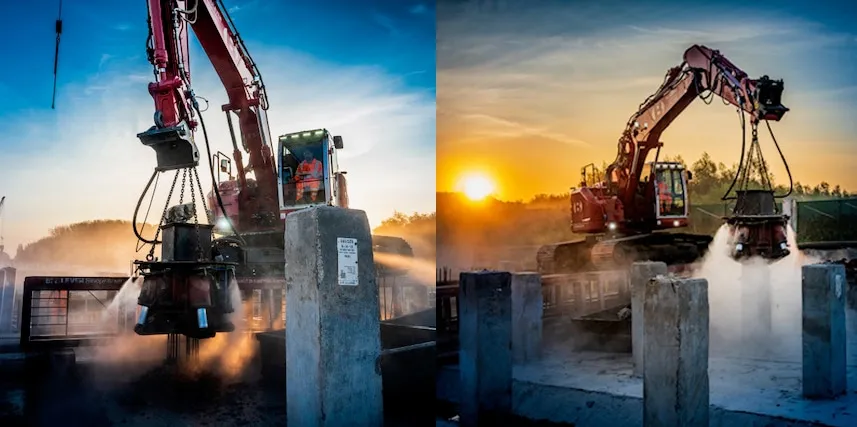
Kool believes there is no end in sight to developments in this field. In his view, electrification of construction equipment does not stop at a 30-tonne excavator, but offers potential for machines weighing up to 200 tonnes. “It’s a shame the market is still so hesitant. The pioneers will really make the difference. But do invest wisely.” UMS uses only components from the automotive industry, which, in his view, is streets ahead in terms of technology, quality and safety. These include battery cells, wiring, hoses, electric motors and everything else involved. The rule of thumb is that every machine leaving the workshop in Oss must be able to run for at least 8 hours on a single charge.
UMS wins prestigious CES Innovation Award
Urban Mobility Systems has won the prestigious CES Innovation Award, presented each year to technology products at the initiative of the Consumer Technology Association (CTA). Fourteen Dutch tech companies won awards across a range of categories. The jury, made up of industry experts, assessed entries on innovation, engineering, functionality and the theme ‘tech solutions for a responsible future’.
The company is honoured to have been selected as one of the scale-up winners with its entry, ‘Zero Emission conversion kit for construction equipment’. UMS will now represent the Netherlands alongside 69 other start-up and scale-up tech companies at the CES 2022 Innovation Awards, taking place from 5 to 8 January 2022 in Las Vegas. Earlier, Futurology Live named UMS one of the nineteen most innovative companies in North Brabant.
Question about this story? Ask your question
Companies in this story
Keep following this
Get an email when a new story is published. No account needed.
- ThemeConstruction equipment and transport in motion
- SubjectBouwMat
- CompanyGMB







