









The focus is increasingly on electric working
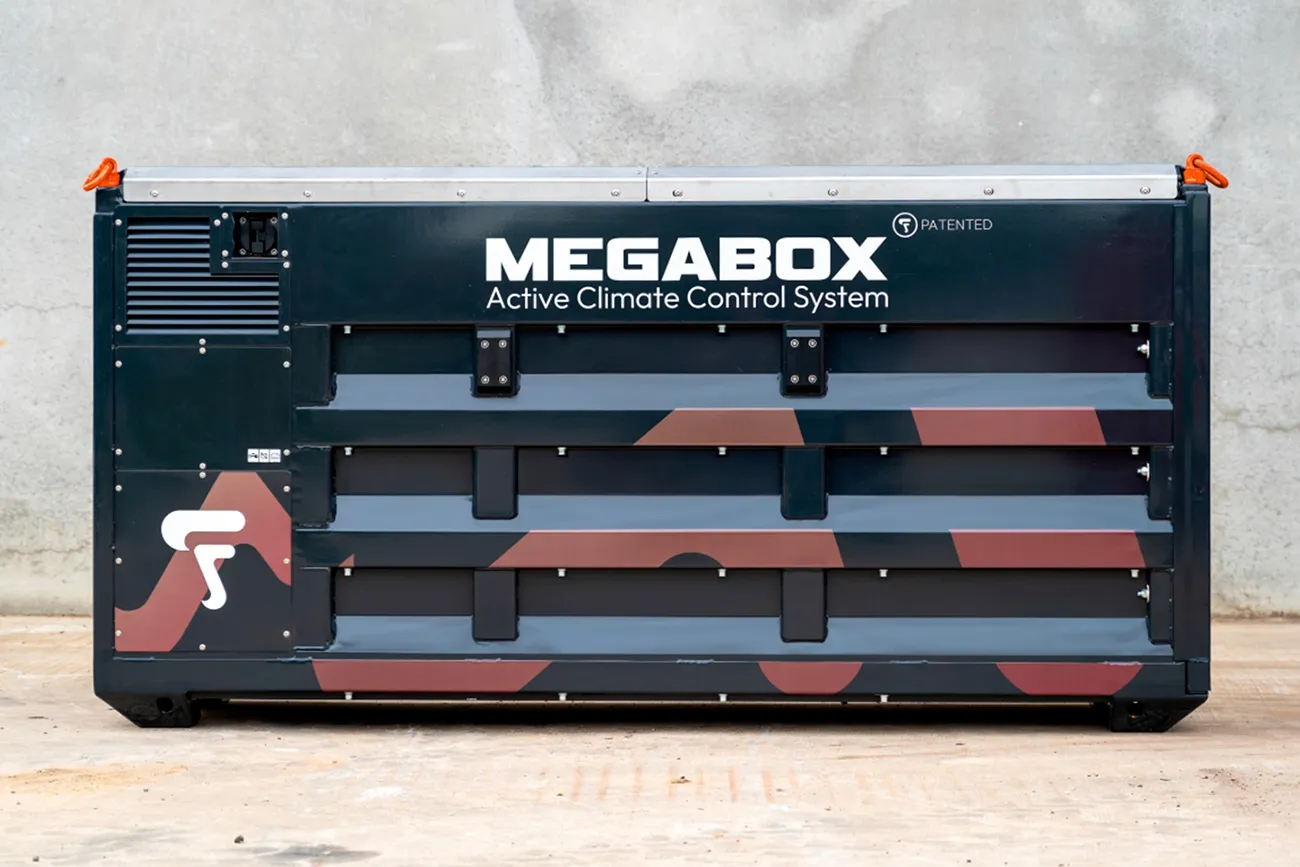
Multi-purpose battery packs enable longer working hours
About five years ago, Staad B.V. began its first development work on converting a diesel excavator into an electrically powered excavator. This led to a new division within the Staad family: ECE (Electric Construction Equipment). Since then, the market has changed at breakneck speed. ECE has also developed a multi-purpose battery pack.
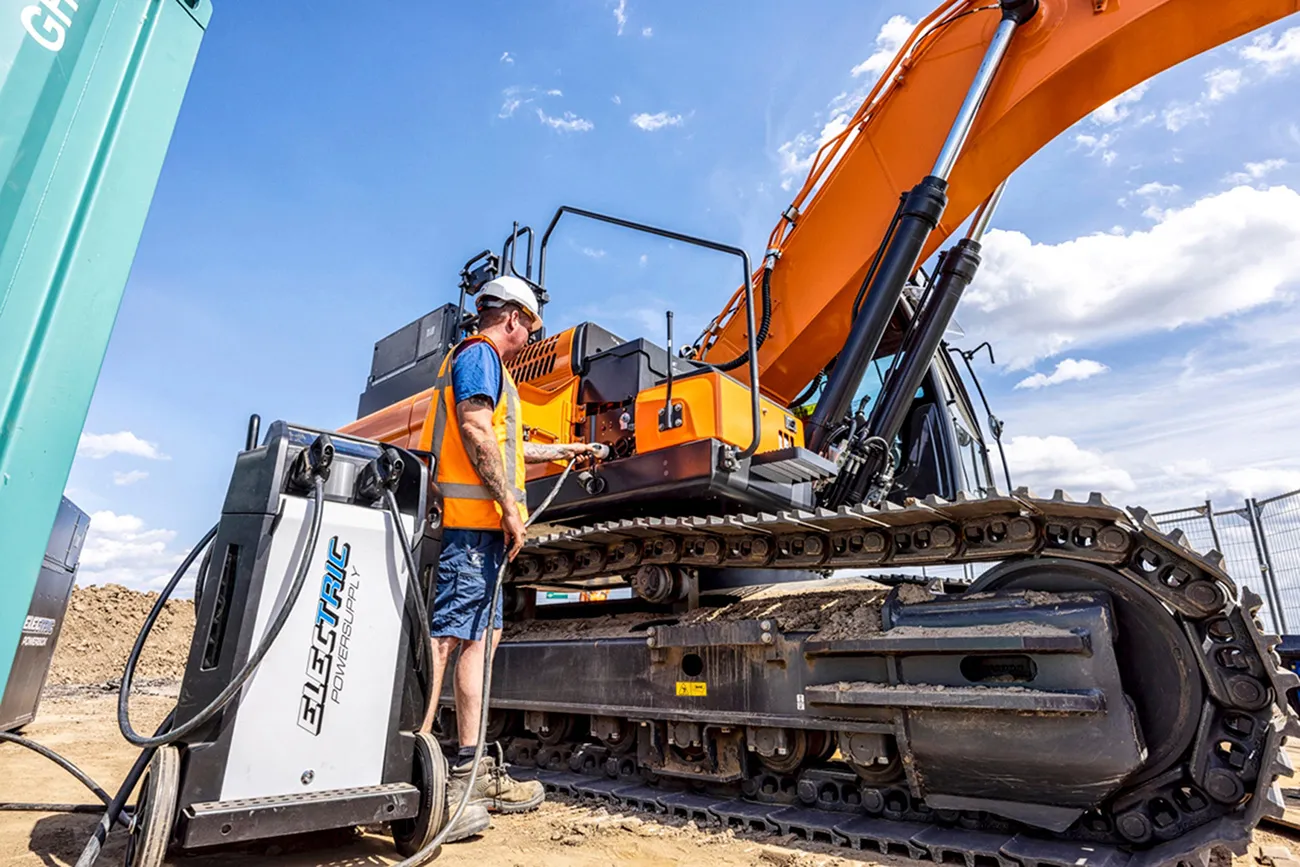
In 2020, Staad proudly launched the world’s first 30-tonne electric crawler excavator. The DX300LC Electric is now working on numerous zero-emission construction sites. A year later, the first mobile excavator produced in-house, the DX165W Electric, rolled off the production line. Staad also began producing the associated battery, the Powerbox, in 2021. And the company has continued to move forward, developing
the Powerbox (140 kWh) into the Megabox (400 kWh).
In March this year, the so-called detachable energy storage system, or interchangeable battery pack, was approved by the Netherlands Enterprise Agency (RVO). The patent granted fits seamlessly with the battery: a unique technical design that allows it to be used on the machine, removed from the machine and deployed as a standalone unit. This means the battery can be charged and discharged without a machine, using the standard CCS2 connector. The battery can serve as either
a master or a slave, making it possible to charge it using, for example, solar panels at the customer’s own site.
The overall energy picture
Staad sees this as an important step in helping construction companies manage their overall energy needs. The battery packs can also power other vehicles and equipment. Another important development is that Staad now has four specialists on its team who help customers analyse their power supply needs before they purchase their entire fleet of machinery.
“To establish what steps are needed, they carry out an energy scan. This service takes the energy burden off our customers,” says spokesperson Yanieke Jussen. “There is a growing need for expert advice to map out all aspects of electric charging. Many companies are unsure how to manage the charging of their electric machinery.” What started with a few machines now also includes electric company cars and vans, or even electric lorries. Hand tools and site cabins are also increasingly electric.
Expanding capacity
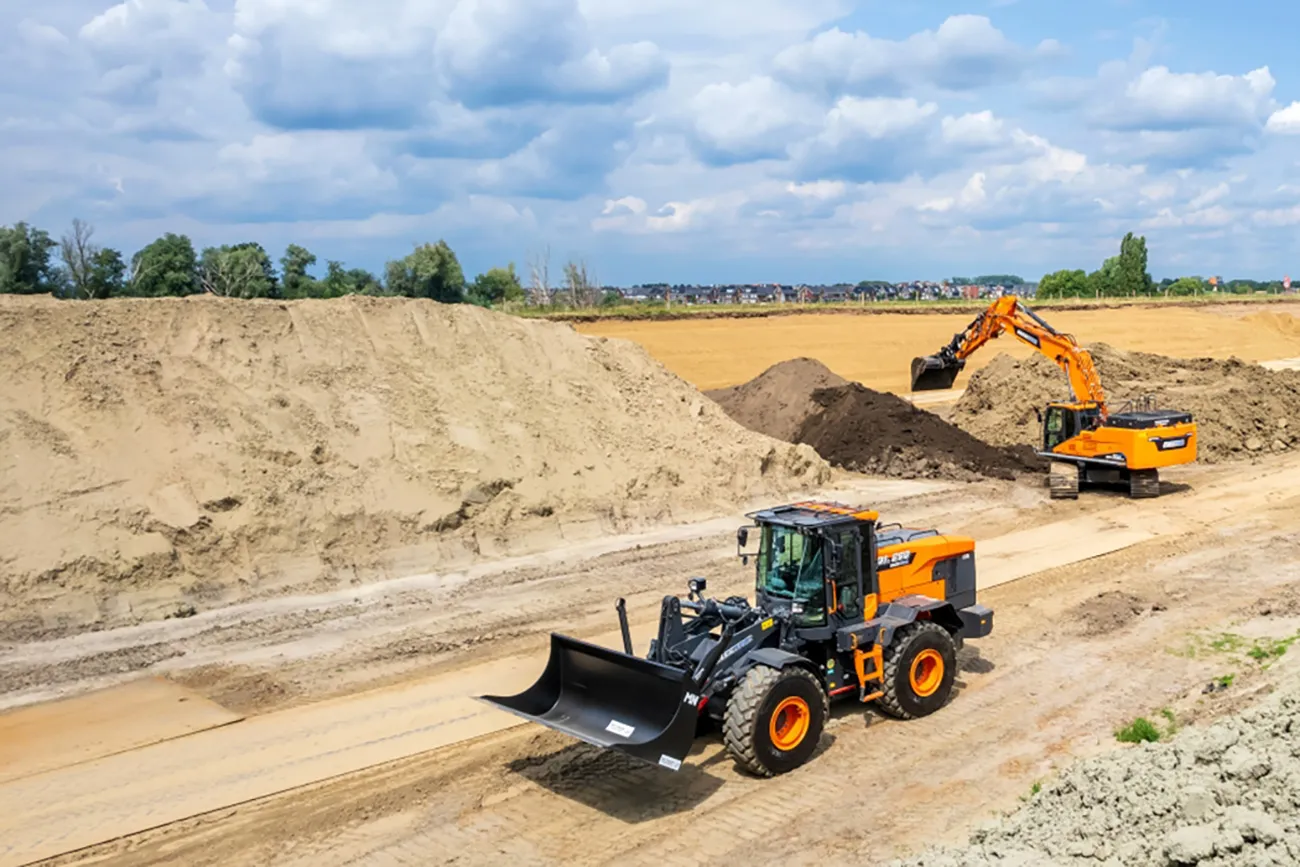
Staad has introduced not only electrically powered excavators, but also electric wheel loaders. It is therefore essential to organise the power supply properly for this entire range of machinery. When several machines are in use, power capacity often needs to be expanded. Staad advises on the capacity required and the most suitable charging solutions.
This is not just about the electric machine and its battery, but also any solar panels, wind turbines, other electric vehicles or tools the customer may have. Staad is happy to assess the situation and provide advice, working with the customer to find the best solution and ensure they can continue their daily operations without a worry. “We take the stress out of charging,” the owners say on their website.
Have a business enquiry for Staad BV? Get in touch
Companies in this story
Keep following this
Get an email when a new story is published. No account needed.
- ThemeConstruction equipment and transport in motion
- SubjectBouwMat
- CompanyStaad BV







