How Van Doorn shapes ecological roadside verge management in North Brabant
Text Suzanne van Gaale Images Van Doorn
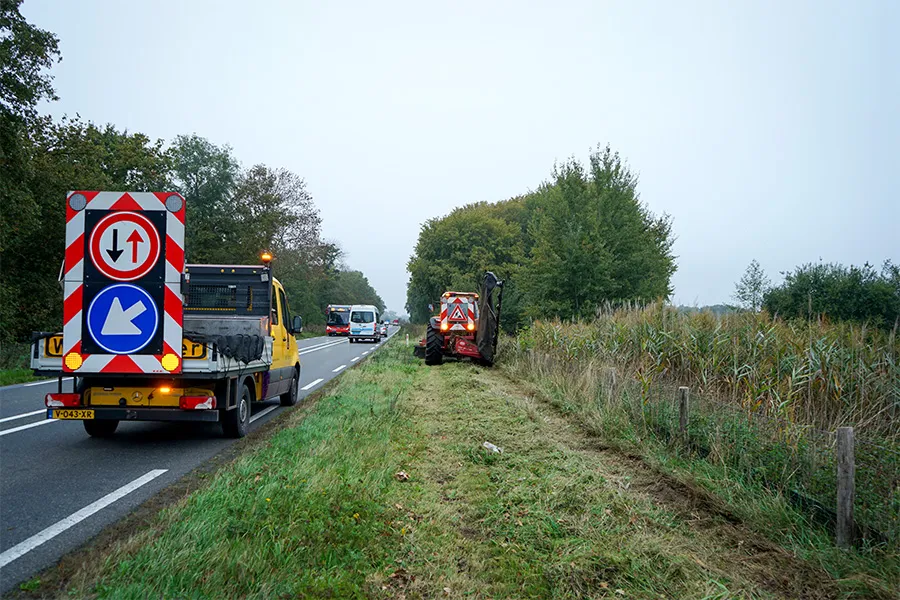
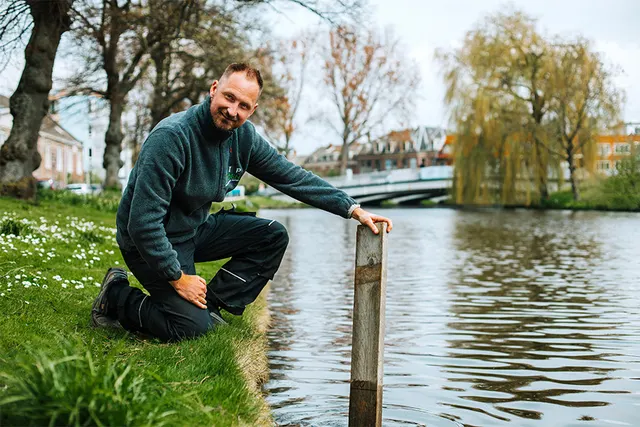
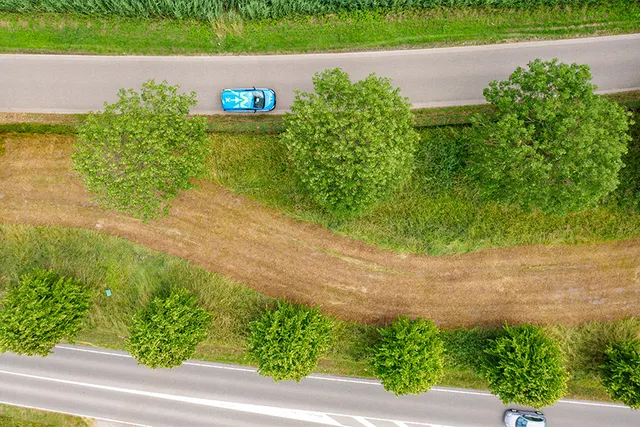
Van Doorn manages the roadside verges for the province of North Brabant. More specifically, it carries out ecological verge management. To this end, Van Doorn has drawn up an ecological green space management plan. One of its objectives is to increase biodiversity. Kees van Dam, asset manager at Van Doorn, explains what this involves.
“We manage the verges along a total length of 550 kilometres”, says Van Dam. “As each verge has its own layout and therefore calls for a tailored approach, we have divided the 550 kilometres into 80 network sections. These sections are already used in the province’s asset management.”
Continuing the ecological approach
Van Doorn carries out verge management together with JvESCH under the name Combinatie EschDoorn. “We have been working for the province for many years. A new maintenance contract started in 2024, running for four years with the option to extend. It stipulates that we will continue the existing ecological approach to strengthen biodiversity. In North Brabant, we are transforming verges from functional grass areas into flower-rich zones that improve nature, the climate and quality of life. Management is tailored to local soil and living conditions and continues to evolve, taking account of both the opportunities and the challenges in the area.”
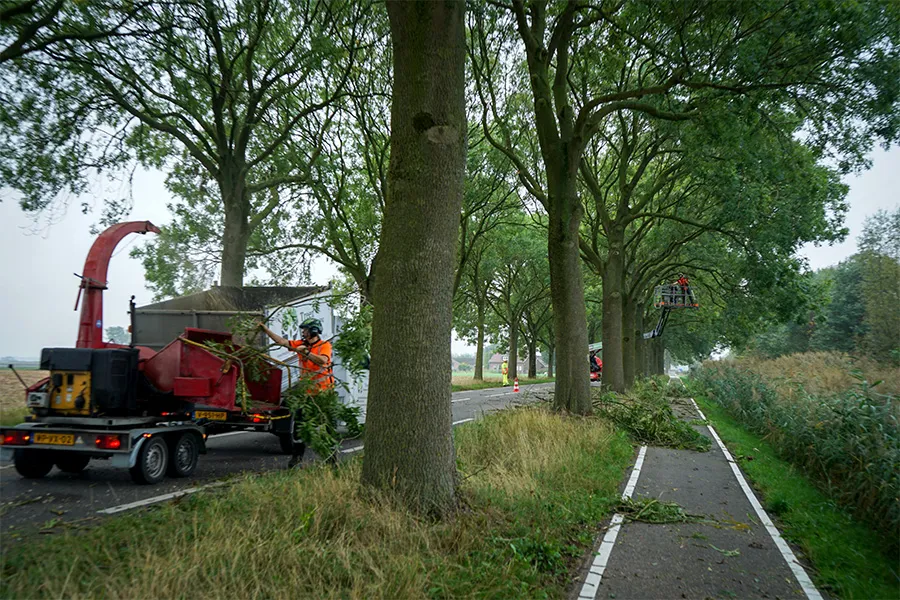
A comprehensive green space management plan
To map out the opportunities and challenges, Van Doorn has drawn up an ecological green space management plan. For each network section, it has determined: where am I now, what am I doing, where do I want to go (level of ambition) and what can I do? “At present, our focus is on the highest level of ambition, or ‘what can I do in each section to develop biodiversity?’ Examples of measures we can take include adapted mowing regimes, planting hedges and shrubs, creating nature-friendly banks and opening up clearings.”
Biodiversity Yardstick
Every measure is carefully monitored. One of the tools used is the Biodiversity Yardstick, a practical instrument for estimating how biodiverse (species-rich) a particular area is, and for finding out how management and design can improve biodiversity. “The yardstick is a very valuable tool because it is not about counting every species found in an area, but about assessing the conditions that enable or limit biodiversity. This allows us to show that verge management in North Brabant is not just maintenance, but leads to objectively measurable progress in biodiversity. The eight-year contract period gives us the opportunity to achieve tangible results.”
Question about this story? Ask your question
Keep following this
Get an email when a new story is published. No account needed.
- SubjectSustainability & innovation