The energy transition and grid congestion ‘untangled’
Text and images SmallToGo
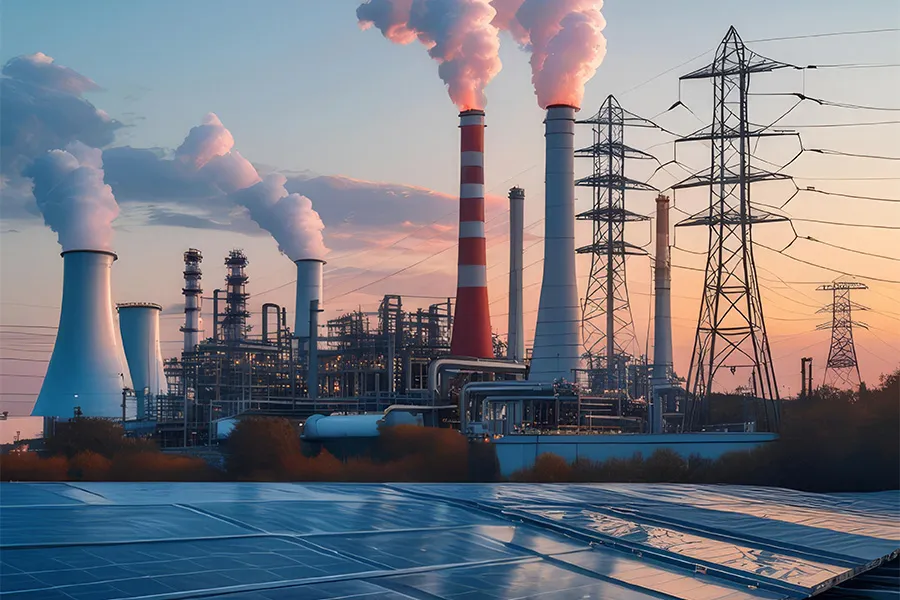
The energy transition and grid congestion are terms that regularly come up, but what do they actually mean? More importantly, how can we deal with them as efficiently as possible? SmallToGo helps local authorities and energy cooperatives tackle these challenges. Director Danny van Hooren explains.
A few decades ago, the energy transition became a government objective under the banner of the ‘Off gas’ project. This means that heat, especially in winter, must be generated from another source. Examples include a heat pump, a heat network, geothermal energy or another form of energy that can heat homes or buildings. SmallToGo is currently working with partners and several government bodies on the construction of a heat network in the Randstad.
Heat pumps and solar panels
Using other sources to generate heat also brings new problems. Instead of needing gas, more electricity is required from the grid. Government subsidies for installing heat pumps have led to tens of thousands being installed over the past few years. These increase demand on the electricity grid. Another factor is that huge numbers of solar panels have been installed over the past five years to generate electricity. In the summer months, these panels produce enough energy for most households to meet their daytime needs. Any electricity generated but not used is fed back into the grid.

Dynamic electricity grid
Energy suppliers currently face several challenges, one of the most important being to prevent power outages. The electricity grid, which once carried power in one direction, is now dynamic, with power flowing both ways. Energy suppliers no longer just deliver electricity, they also receive it back. This creates periods when too much electricity enters the grid, overloading it: grid congestion. This mainly occurs in summer. In winter, the situation is reversed. Solar panels do not deliver their maximum output, while heat pumps are running to heat homes. So a lot of electricity is needed in winter. Energy suppliers then need to deliver more than the grid can handle: grid congestion.
SmallToGo draws on its expertise to advise local authorities and local energy cooperatives and keep them informed about developments in the energy transition. Tackling grid congestion plays an important role in this work. SmallToGo also looks at the ‘smart grid concept’: how can electricity be distributed more effectively, and how can residents make use of each other’s energy? The energy transition is certainly a very worthwhile goal, but it also brings other problems that need to be tackled immediately. The energy transition is well under way, and awareness that consumption habits must also change is growing by the day.
Question about this story? Ask your question
Keep following this
Get an email when a new story is published. No account needed.
- SubjectSustainability & innovation