idverde NL: Don’t cut costs, build biodiversity
Text Suzanne van Gaale Images idverde NL
More and more organisations in the Netherlands are recognising the importance of biodiversity. The green spaces they manage can make a direct contribution. Yet plans to make more room for green space often run into difficulties, mainly because of budgets. That is a shame, because it means missing out on benefits for nature and the climate. So how can it be done? Thijs Remmers and Arjan Schoenmakers of idverde NL explain.
“Let’s keep working together on truly green solutions,” says Arjan Schoenmakers, Ecology Team Leader at idverde NL. Through projects across the Netherlands, idverde NL helps local authorities and developers make smart use of green space. “Green space directly helps to combat climate change and create a healthy living environment. Think of a green business park that makes work more pleasant for employees, or a residential area where greening reduces heat stress and waterlogging. Our Advisory branches provide the knowledge and evidence. Our Delivery branches then put those plans into practice. And our Tree Care division adds specialist knowledge and expertise about trees. Now more than ever, it is important to press ahead and not cut spending on green space.”
Good examples
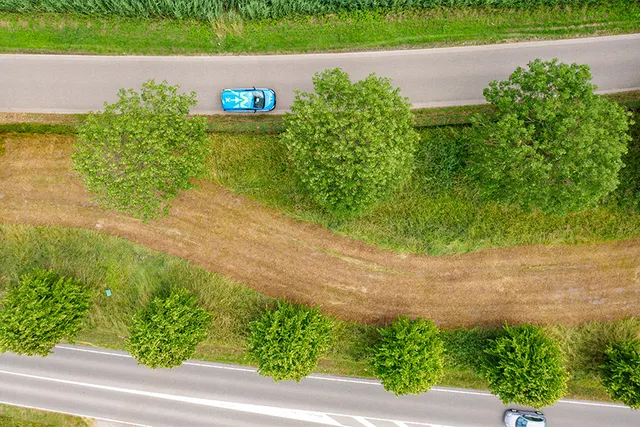
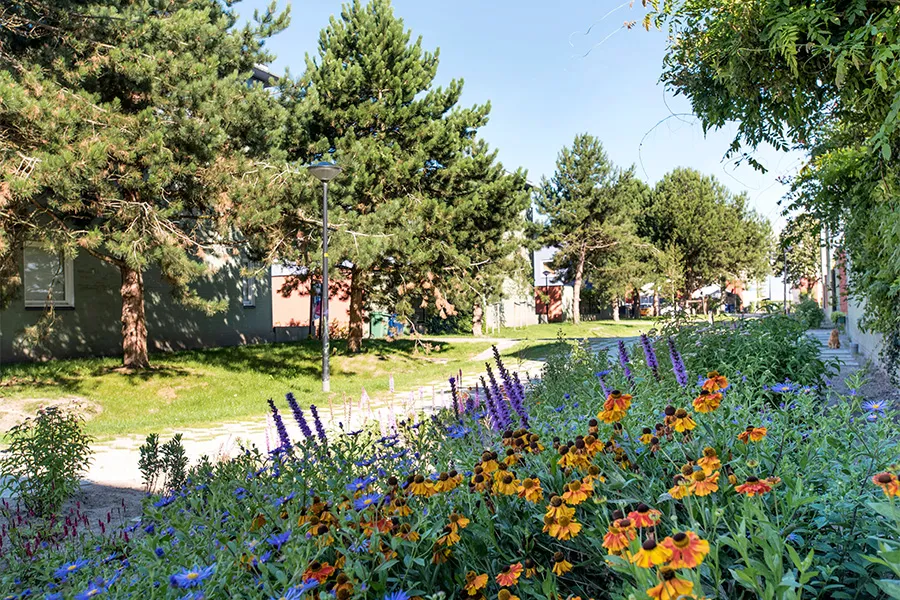
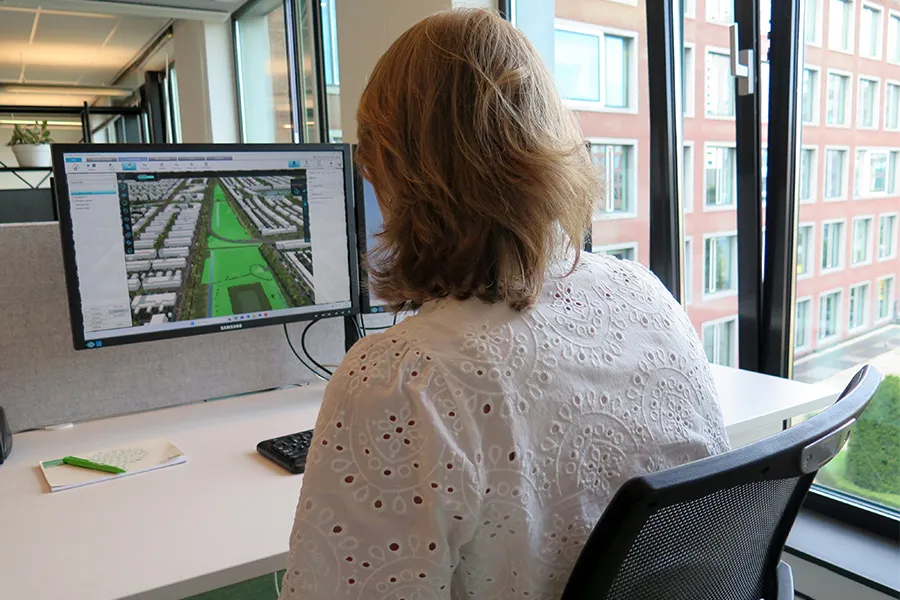
Despite tight budgets, there are plenty of good examples. For instance, idverde NL carries out ecological verge management along the railway route in Brabant on behalf of ProRail. “Our Advisory team conducts ecological monitoring of valuable species along the railway in the south of the Netherlands,” explains Thijs Remmers, IPM Projects Manager. “And our Delivery team maintains the areas alongside the tracks in Brabant. On this route, we have seen the original ecological ambitions translated into routine maintenance. Although the focus is now less explicitly on ecological objectives, our monitoring and knowledge remain an important basis for identifying opportunities and, wherever possible, bringing nature and railway management together.” Another project is the Regenboogbuurt in Almere Buiten. The municipality wanted to make the neighbourhood more resilient for the future. Green space plays a key role: it prevents heat stress and reduces waterlogging. Residents are also encouraged to green their own gardens or patios. Schoenmakers: “We applied our Green Impact Modelling (GIM) to the Regenboogbuurt. This allows us to measure the effects of green space. A wealth of data and tools is available to help us assess, at the design stage, the impact of particular choices on biodiversity, liveability and the climate. This avoids lengthy research and monitoring programmes. It helps municipalities and organisations make better choices, as it did for the municipality of Almere Buiten.”
Start small, think big
From experience, Remmers and Schoenmakers know that there are plenty of opportunities. One practical pitfall is setting ambitions and objectives that are too broad and cover the entire project area. “It may sound odd, but it’s better to start small,” Remmers advises. “Many local authorities manage large areas. If you launch small-scale pilots within them, you can take targeted measures to boost biodiversity. You also need to give nature time to recover, so allow at least 5 to 10 years to achieve real results. That greatly increases the chances of success.”
Question about this story? Ask your question
Keep following this
Get an email when a new story is published. No account needed.
- SubjectSustainability & innovation