Hydrological modelling for climate-resilient area development
Text Roel van Gils Image Fugro
Water management as a win-win for nature and recreation
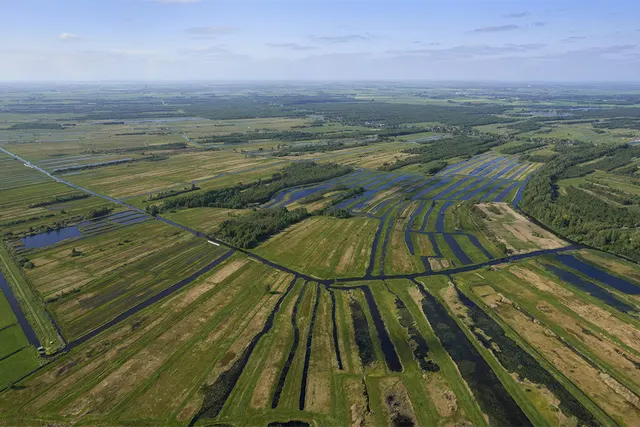
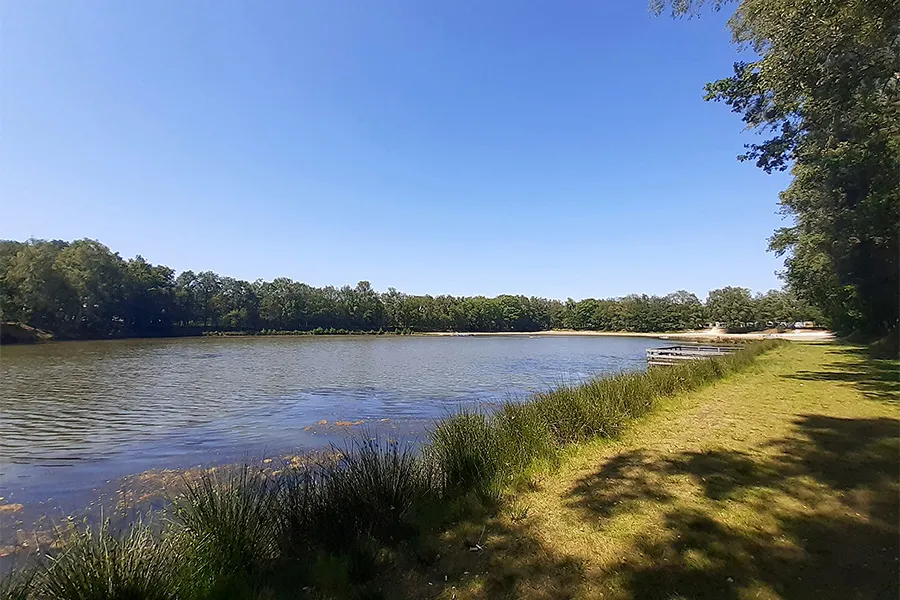
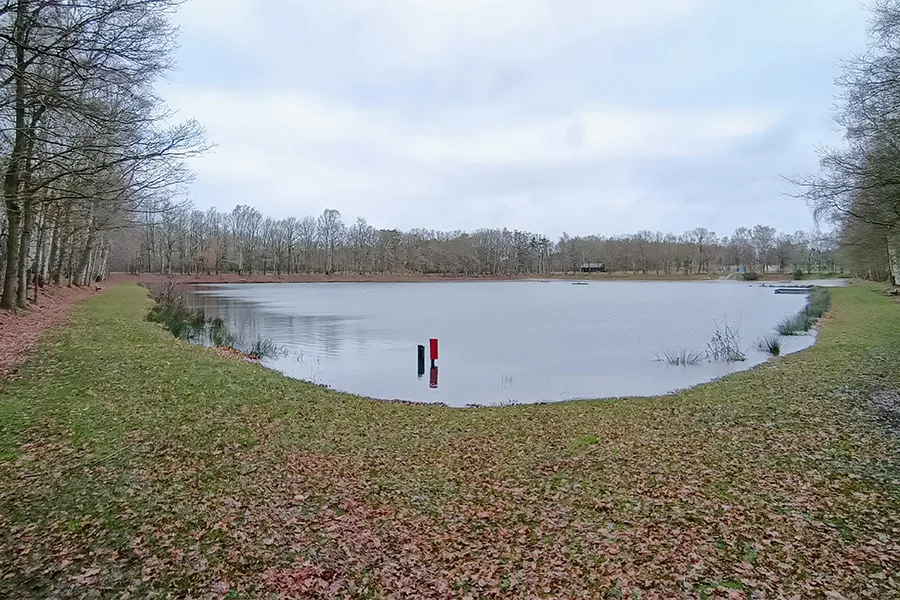
The province of Drenthe wants to promote nature development in the Drentsche Aa area, including by encouraging groundwater discharge to the stream valley. However, several deep sand extraction lakes lie along the stream valley, on the flank of the Hondsrug, including the De Vledders recreational swimming lake near the Schipborgerdiep. Because of the lake’s depth, a large volume of groundwater discharge flows into the lake instead of the stream valley. Fugro, commissioned by Prolander, the implementation organisation for rural areas in the provinces of Drenthe and Groningen, investigated regional groundwater flow patterns and developed a proposal that benefits both nature and recreation.
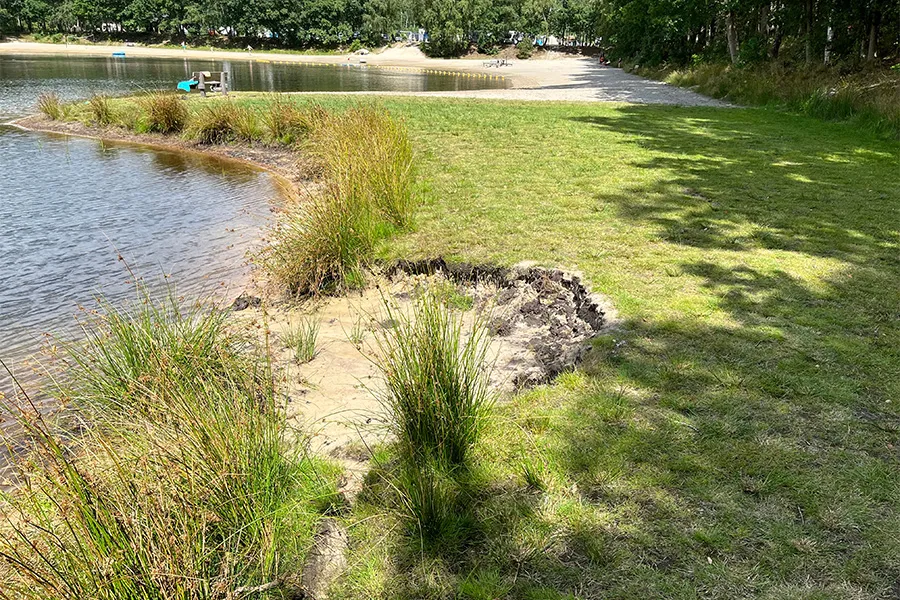
De Vledders swimming lake was created in the 1960s as a sand extraction lake for the construction of the N34 and has since become an important asset for the neighbouring campsite. Because of its depth, groundwater flows, or groundwater discharge, were diverted into the swimming lake instead of reaching the adjacent stream valley of the Schipborgerdiep. As a result, the swimming lake’s beach was often too wet and its banks were eroded by the large volume of groundwater discharge, while the surrounding nature could have made good use of this water. “Our task was to develop a hydrological design that would provide more groundwater discharge to the stream valley without adversely affecting the water quality in the swimming lake. The large volume of groundwater discharge had always ensured excellent bathing water quality in the lake,” says Herman Brink, senior hydrogeologist at Fugro. “We also took climate change into account in the design.”
Monitoring
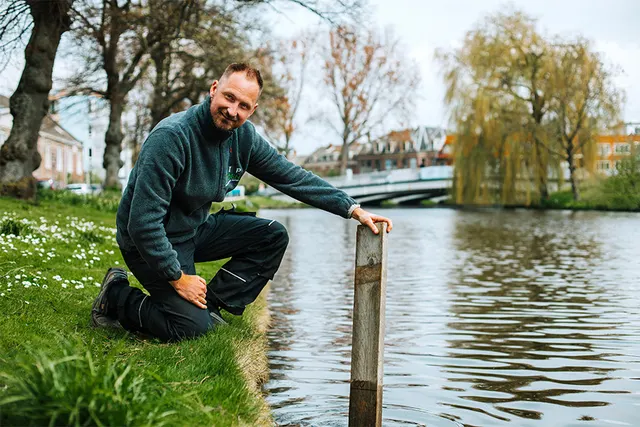
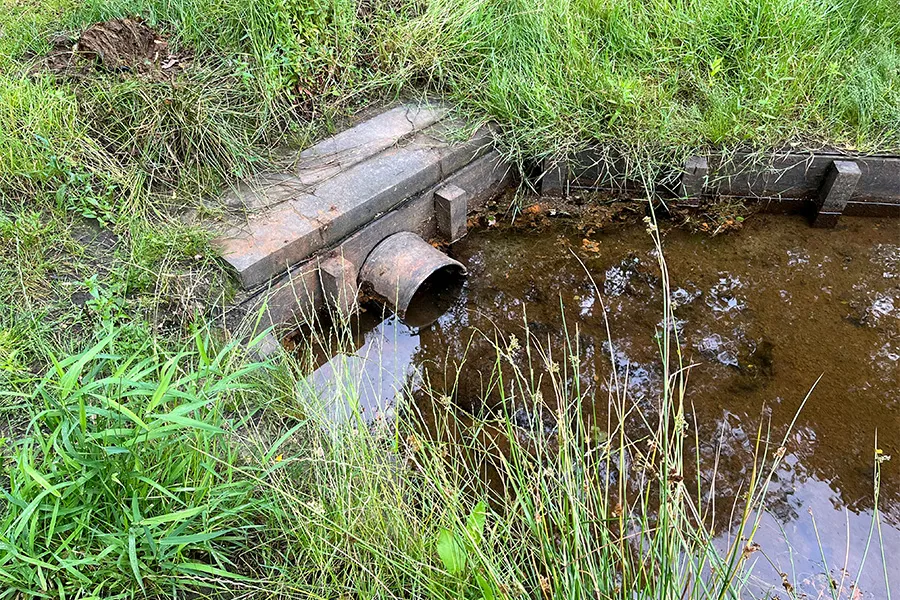
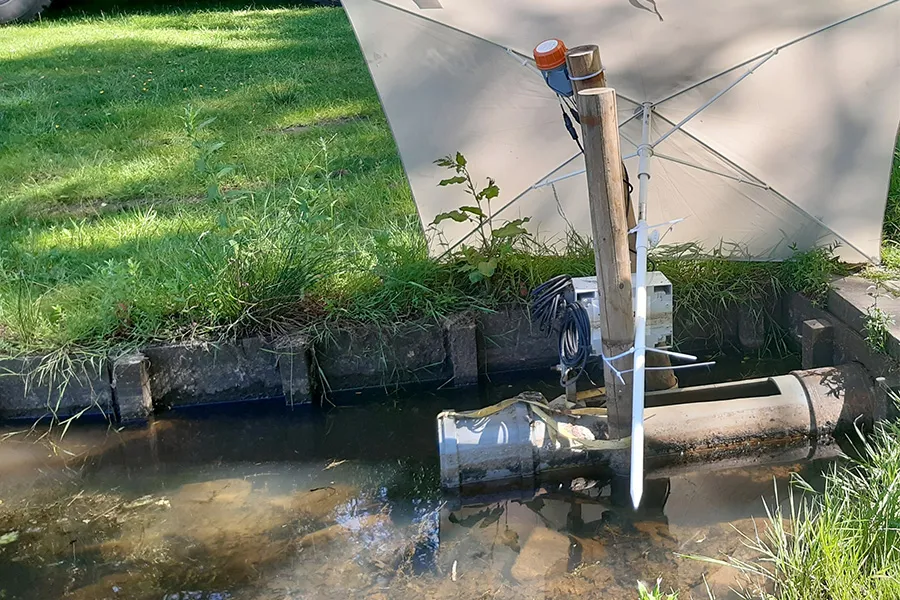
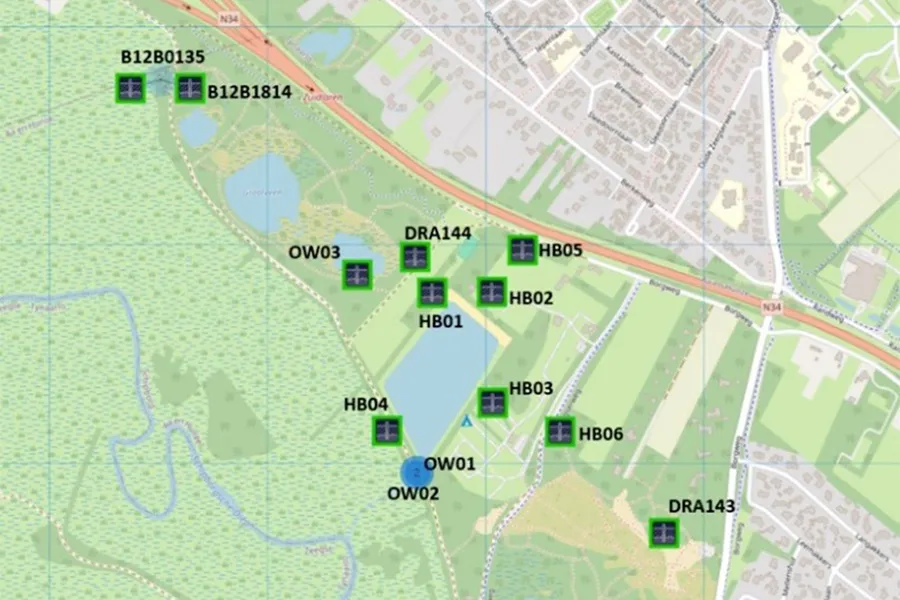
Fugro began the project by carrying out cone penetration tests and monitoring groundwater levels for one year. It also collected several groundwater and surface water samples. Since flow measurements in the outlet culvert proved inconclusive and even inexplicable, the team went back to basics. The volume of groundwater discharge into the swimming lake was measured by closing the outlet culvert several times and measuring the rise in water level. This simple but effective method was carried out in collaboration with the campsite owner. The average groundwater discharge measured was around 20 mm/day, an enormous volume. The data collected were compared with the Methodiek Interactieve Planning Waterbeheer (MIPWA) model, which was then improved. “MIPWA is a hydrological tool for groundwater studies in the north-east of the Netherlands and is ideally suited to this kind of work. But to model extremes such as the large volume of groundwater discharge we measured accurately, you need a good understanding of the groundwater system,” says Derike Velthuis, hydrogeologist at Fugro.
The team also investigated how the area had changed over the past decades and how this had affected the swimming lake, including the cessation of a drinking water abstraction and the infilling of water features in the surrounding area. In addition, peak flows in the Schipborgerdiep had risen significantly over the past thirty years. As a result, nutrient-rich water flowed from the stream valley into the swimming lake through the outlet culvert, adversely affecting the lake’s bathing water quality. The proposal was therefore to raise the water level and redesign the beach. Raising the water level in the swimming lake directly affects groundwater discharge, reducing it, and the nutrient balance, increasing nutrient levels, which in turn affects bathing water quality. “We had to establish the minimum volume of groundwater discharge needed in the swimming lake to prevent bathing water quality from deteriorating or, in the worst case, blue-green algae from growing. That would mean temporarily closing the swimming lake, with serious consequences for the campsite and recreation in the area,” says Velthuis.
A robust, pragmatic approach
Fugro left nothing to chance, examining and understanding all aspects of the present and past that could affect current and future water quality. “We opted for a robust, pragmatic approach,” says Brink. “There can be a lot of uncertainty in assumptions about nutrient loading. We therefore deliberately used the upper end of our estimates and accounted for climate change extremes. What if dry spells last longer and more people go swimming as a result? What if there is more rainfall?” Velthuis adds: “When a disruption to the nutrient balance makes the water turbid, restoring its quality is very difficult. For example, the phosphate loading threshold is much lower when moving from turbid to clear water than when moving from clear to turbid water.”
Raising the water level
Based on its forecasts and calculations, Fugro developed a future-proof design that benefits both the stream valley, through increased groundwater discharge, and the owner of the swimming lake and campsite. Brink says: “We proposed raising the water level in the swimming lake by 40 centimetres. We also developed a preliminary design for its redevelopment, including a cost estimate. Raising the water level shifts the waterline, so the beach had to be raised. We advised on how much sand was needed, what type to use and the width over which it should be placed.” Velthuis says this is what is so good about an engineering consultancy like Fugro: “We have specialists in hydrology, monitoring, civil engineering and other fields, which means we can respond quickly. This enabled us to take a very pragmatic approach. From installing the first monitoring well through to delivering the preliminary design, and everything in between, we worked with the client as a single organisation.”
Weir and closable culvert
The works were completed by Prolander just before the May holiday began this year. Fugro has since handed the monitoring wells over to the province. “Our data loggers have been removed and replaced with the province’s loggers,” says Brink. “The province will monitor groundwater levels closely over the coming years and can take action if any major deviations from expectations occur. Bathing water quality is also being monitored. The water level in the Schipborgerdiep is already measured by the water authority.” A weir and closable culvert have been installed to control the water level. The campsite owner can temporarily adjust or close them if necessary.
A win-win situation
Nature restoration often means there is less ‘space for people’, for example through more extensive farming or closing nature reserves to prevent disturbance. This project shows that nature restoration and recreation can go hand in hand, creating a win-win situation for both.
Working together
“Nature restoration and recreation have gone hand in hand in this project. The plans were developed in close collaboration between the province, camping De Vledders, Staatsbosbeheer and Prolander. It is a great example of how we can work together to create a future-proof landscape.”, Willem Tjebbe Oostenbrink, project leader at Prolander.
Improving liveability
Velthuis says geohydrology, and its connection with the ecological aspects of water quality, often receives too little attention, despite being an important consideration in future area development. “We are increasingly being asked how specific developments will affect water quality, particularly in light of the implementation of the Water Framework Directive, which comes into force in 2027.” Fugro has recently joined forces with Aveco de Bondt and Adjust. “Over the next four years, our combined consultancy and engineering services will help the province of Drenthe and Prolander improve liveability and sustainability in the region. We will focus on strengthening nature reserves and making rural areas, infrastructure, mobility and the energy transition future-proof. As a geodata specialist, we are an expert partner for research, consultancy and integrated solutions in area development, energy and infrastructure. We will proactively tackle these challenges to make a significant contribution to the province. We are convinced that, together with our partners, we can make Drenthe more attractive and, above all, more sustainable.”
The Netherlands’ first electric cone penetration testing rig
As part of the energy transition, Fugro is investing in making its fleet more sustainable. Its aim is to operate carbon-neutrally by 2035. Fugro has an electric mini drilling crawler and mini CPT crawler. It has now also commissioned a large electric cone penetration testing rig, enabling it to carry out more cone penetration tests, faster and with no CO2 emissions. This makes Fugro a frontrunner in the Netherlands.
A business enquiry for Fugro? Get in touch
Companies in this story

Keep following this
Get an email when a new story is published. No account needed.
- SubjectSustainability & innovation
- CompanyFugro