









Sustainability as the new standard
Text Kees Beijer Images Volvo, DAF, MAN and Renault
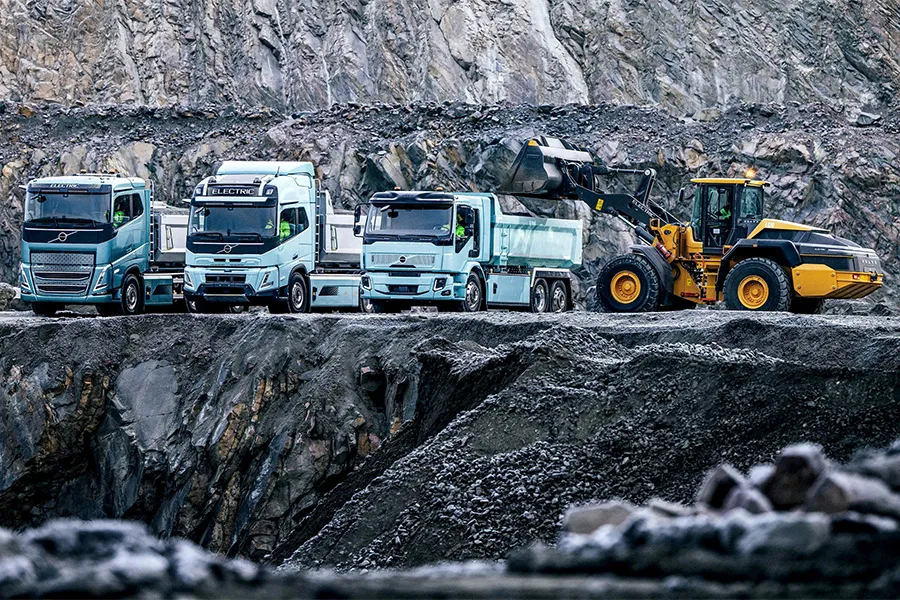
The Netherlands retains its leading role in Europe in electrification
Resistance to change is nothing new, especially in sectors as deeply rooted in tradition as construction and transport. It is all the more remarkable, then, that many Dutch construction companies have taken the lead in making their fleets more sustainable. As a result of nitrogen legislation, the construction sector is now at the forefront of the transition to zero-emission operations.
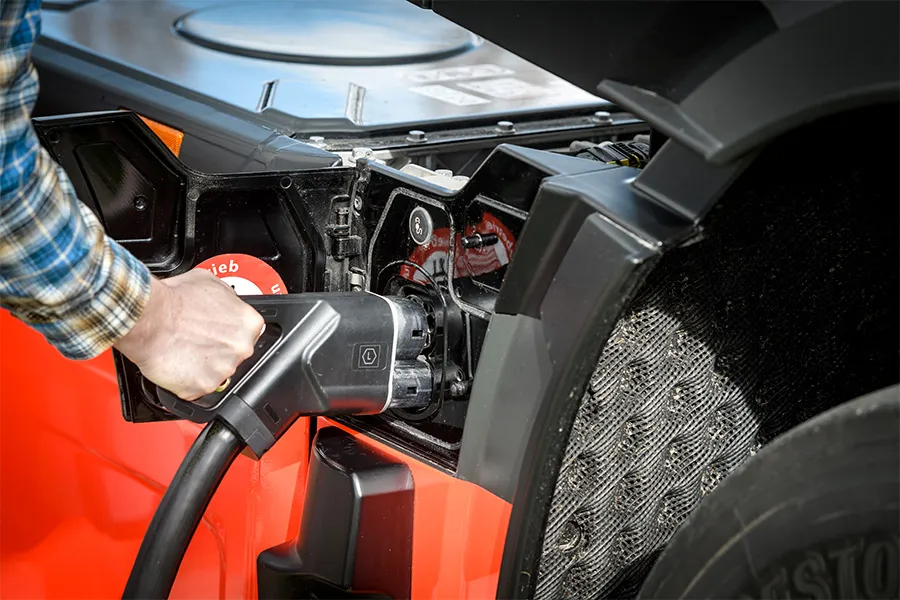
Every innovation initially raises questions and concerns. But experience has shown that change is not only necessary, it also brings countless benefits. It often leads to lower costs, greater safety, improved efficiency and a stronger competitive position. The construction and transport sectors have repeatedly shown that they can embrace change and emerge stronger. The key is not to shy away from it, but to work together on innovation and keep looking ahead. Electrification is, in effect, an investment in the future that will pay for itself.
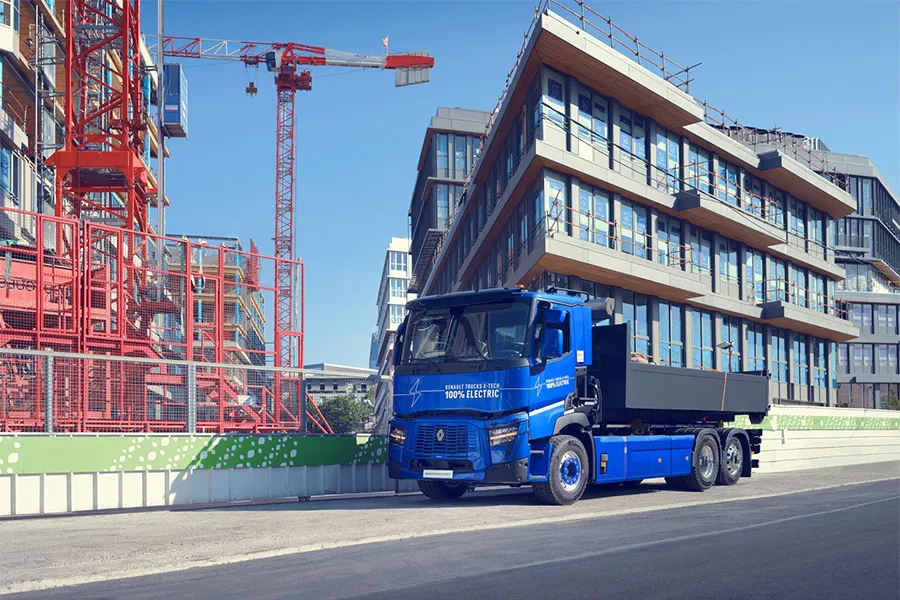
Electric machinery and trucks are now a common sight on construction sites. They offer a clean, quiet solution that is ideally suited to urban areas. With more and more clients requiring projects to be carried out with zero emissions, and municipalities increasingly introducing zero-emission zones, electrically powered plant and trucks are naturally set to gradually replace their traditional diesel counterparts. As battery costs fall and charging infrastructure improves, higher purchase prices are becoming less of an obstacle.
Smart technologies
Innovation seems to be the key to sustainability. By investing in smart technologies and future-oriented solutions, the transport sector can operate more efficiently and with less environmental impact. Although electric trucks are still much more expensive to buy than diesel trucks, their actual costs over several years may well be lower. After all, electric vehicles are more energy-efficient, and the cost of a full battery charge is considerably lower. What is more, electric vehicles have fewer moving parts and no exhaust systems, which means they require less maintenance.
Developments in zero-emission driving are advancing at a rapid pace. Volvo Trucks claims that a total of 130 million sustainable kilometres have now been travelled. The Netherlands remains one of the frontrunners in the shift to greener transport. “After Austria and Denmark, our fleet is the newest in Europe. High fuel duties mean it pays off sooner here to replace an old truck with a less polluting model,” says Albert Jan Swart, sector economist at ABN AMRO. “Battery technology and charging options are also improving. Five years ago, electric trucks could just about travel 100 kilometres on a full charge. Now they can cover 300 to 500 kilometres, and their range is continuing to increase.”
Excellent year for sales
The arrival of new zero-emission zones gave truck sales a major boost last year, particularly in December. According to RDC, a total of 17,793 vehicles over 6 tonnes were sold, an increase of 17.5% compared with 2023. We last saw figures like these in 2006 and 2008, with the introduction of Euro 4 and Euro 5 engines. The construction segment, meaning multi-axle vehicles, also grew, from 1,190 registrations in 2023 to 1,856 last year, with Volvo well out in front. This includes several electric trucks, as the construction and recycling sectors are leading the way in this area.
The market for electric trucks over 6 tonnes grew by 32% in 2024, but the absolute figure of 533 vehicles was nevertheless somewhat disappointing. What is impressive, however, is that Volvo Trucks' market share has remained around 54% over the past two years. Renault and Mercedes-Benz follow at some distance, with 15% and 12.4% respectively. In terms of the share of electric trucks sold, the Netherlands is behind only Denmark and Sweden in Europe. “This shows just how much of a leading role we play as a small country,” says Albert Jan. “Even so, if we are to meet our targets, the number of electric trucks will need to increase tenfold over the next five years!”
A range of alternatives
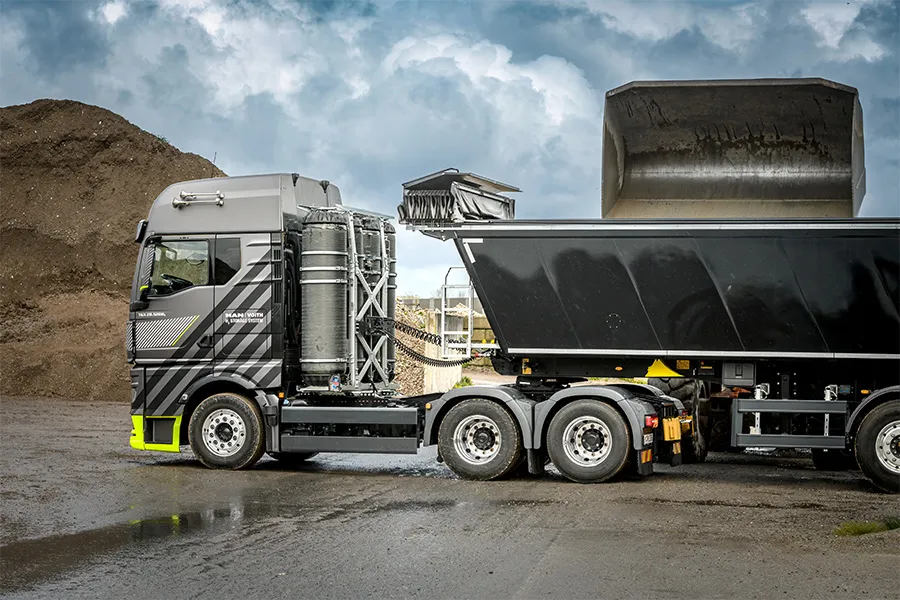
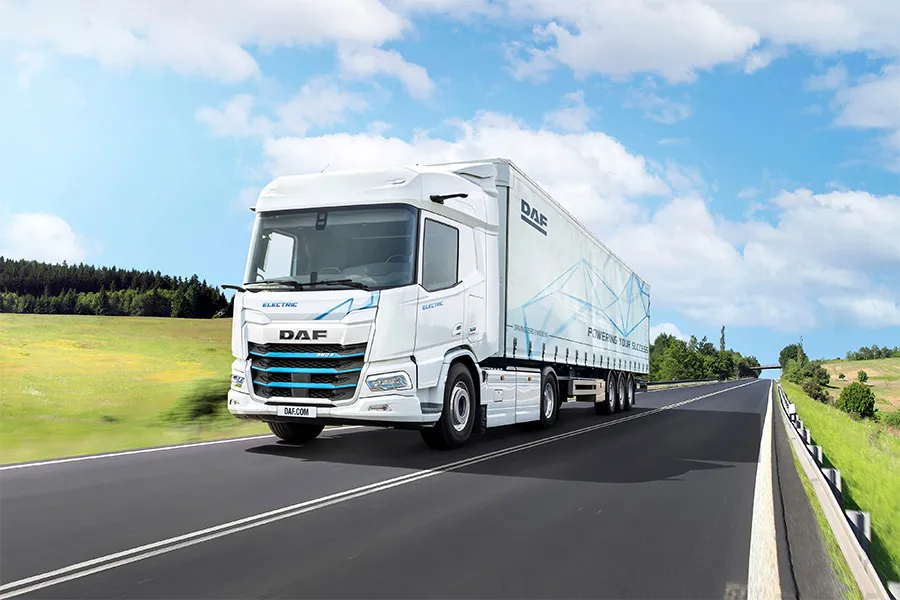
CO2 emissions are not reduced solely by purchasing zero-emission trucks. A range of initiatives can help cut emissions. For example, MAN is putting its first factory-built hydrogen trucks on the road this year. Then there is HVO diesel, which delivers a significant reduction in CO2 emissions. As an alternative to electric power, it is also good to see the market for LNG trucks picking up again in the Netherlands, with 203 sold compared with just 14 in 2023. All the signs point to a faster transition to a sustainable construction and transport sector. Two things are crucial: greater collaboration across the supply chain, which can only help drive progress, and a reliable government that does not keep changing the rules along the way.
Question about this story? Ask your question
Keep following this
Get an email when a new story is published. No account needed.
- ThemeLower emissions and more reuse
- SubjectBouwMat







