









Staad brings forward-thinking civil engineering contractors on board for transition project
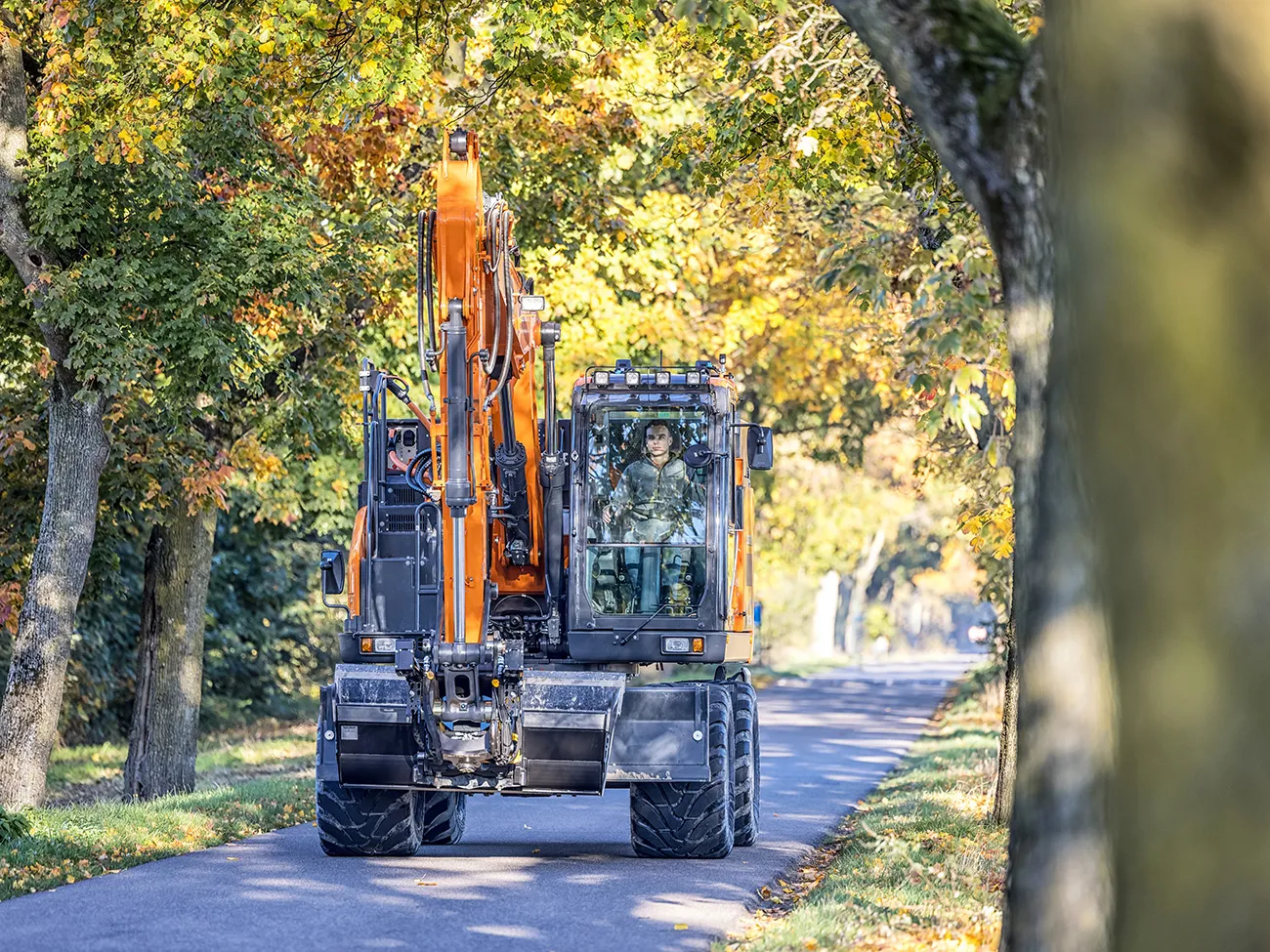
The civil engineering sector is increasingly aware that its activities must generate fewer emissions, and that clients are including ‘zero emissions’ as a criterion in their tenders. The search is on for efficient solutions and ways to significantly reduce emissions from powertrain technologies. Introducing zero-emission earthmoving machines is the most important measure, and will also have a very positive impact on the wider sustainability of our sector.
The Building Site of Tomorrow within reach
It is clear to everyone that we face a climate problem, caused in part by CO2 emissions, and an environmental problem involving nitrogen, NOx and particulate matter, as well as noise and odour nuisance. In civil engineering operations, the use of (heavy) plant is by far the biggest polluting factor contributing to these problems. The sector aims to achieve zero emissions in civil engineering works as soon as possible.
Minister Schouten (Agriculture) has proposed a 26% reduction in nitrogen emissions by 2030, but the Remkes advisory committee is calling for emissions from construction projects to be cut by 80% within (a maximum of) 10 years. This would reduce annual emissions from construction machinery and construction logistics from 19.2 ktonnes of NOx to 3.8 ktonnes.
In a bid to find ways to reduce emissions, a consortium has been formed by forward-thinking civil engineering contractors, FIER Automotive and research institute TNO, together with supplier Staad. The proposal is to take another major step towards zero emissions in the civil engineering sector by deploying eight electric earthmoving machines with interchangeable power boxes.
Group of pioneers
This group of pioneers, comprising Van der Zanden, Boomrooierij Weijtmans, Huybregts Loon- en Grondwerkbedrijf, Gebr. Coremans grondwerken, Janssen Group, Gebr. van de Brand en van Oort and J. Veldhuizen Westbroek, has decided to take the lead. Together, they have formed the ‘De bouwplaats van morgen’ consortium, which will carry out a pilot project under the RVO’s DKTI scheme for the following reasons:
- To build shared knowledge of using electric earthmoving machines in tests with TNO across a range of applications, including on-site charging and/or swapping power boxes, and to share that knowledge;
- To be ready for the future, particularly to meet demand from municipal and provincial authorities for zero emissions on construction sites;
- To kick-start the major scaling-up of sustainability projects in the sector.
Making recommendations
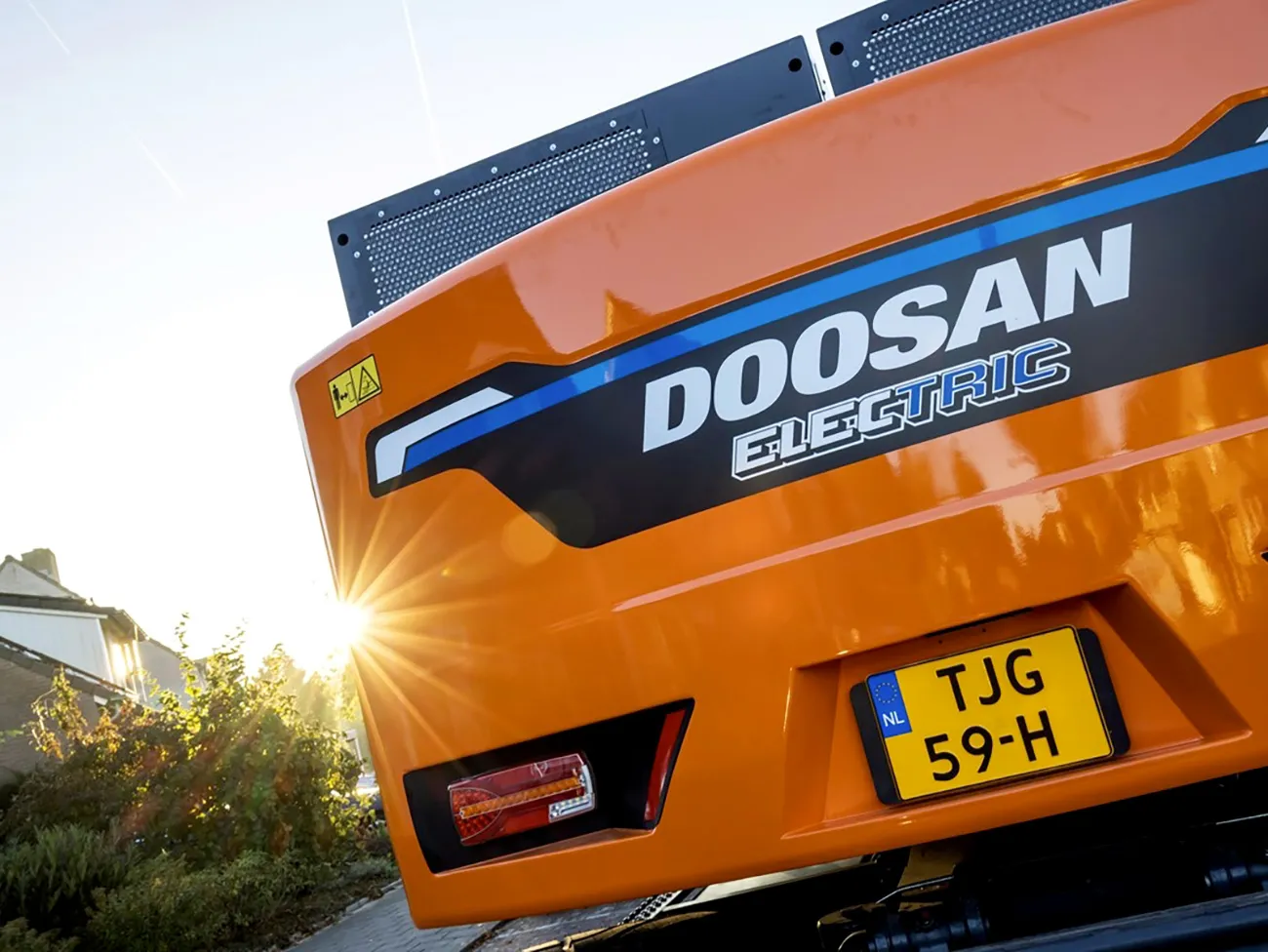
The partners will further develop the ‘De Bouwplaats van morgen’ pilot project together, to ensure they are optimally prepared for deploying and testing the machines. The civil engineering partners will use the machines for as much normal work as possible, with TNO monitoring their performance. The research institute will analyse the data collected and make recommendations. Its findings will be shared with the civil engineering partners and analysed in detail with supplier Staad to help improve the machines. The project will also assess suitability for use, operating costs compared with diesel engines, and financial viability.
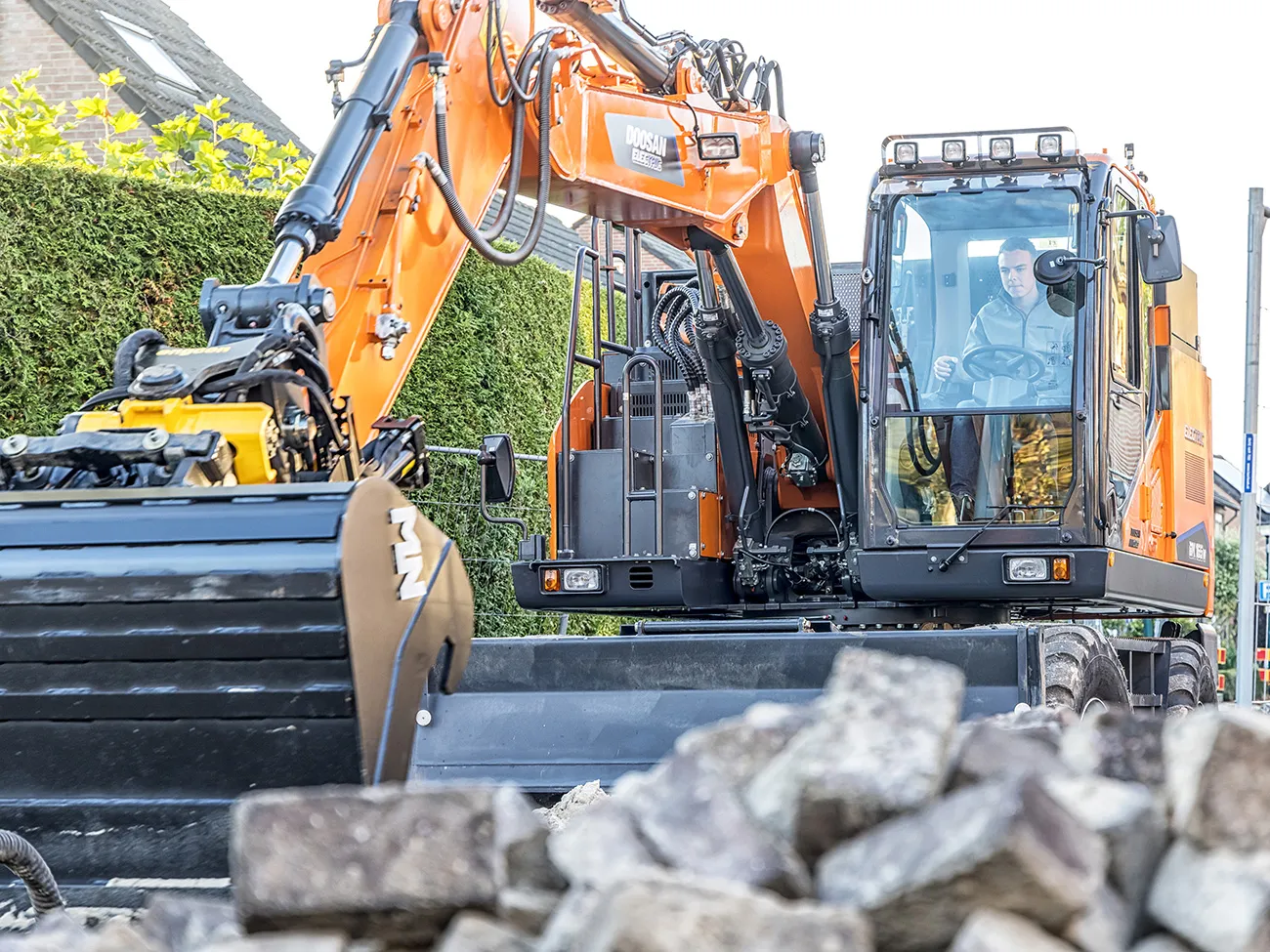
One unique aspect of the project is the use of interchangeable power boxes, like those in a cordless drill, but on a (very) large scale. For heavy plant to operate 24/7, earthmoving machines must not have to travel to a charging point: their batteries need to be swappable. The charging system will also use technology comparable to that used to charge an electric car. In theory, combining these two elements makes the technology highly scalable. The consortium partners want to put this to the test in practice.
Giving it a major boost
Thanks to its very strong consortium, this project will give emissions-free working in the civil engineering sector a major boost. The partners are based across the country and have a range of use cases, enabling them to share lessons learned, and probably their enthusiasm too, with the civil engineering sector as a whole.
Have a business enquiry for Staad BV? Get in touch
Companies in this story

Keep following this
Get an email when a new story is published. No account needed.
- ThemeLower emissions and more reuse
- SubjectBouwMat
- CompanyStaad BV
- CompanyVeldhuizen b.v.







