









Reusing steel tubes and sections
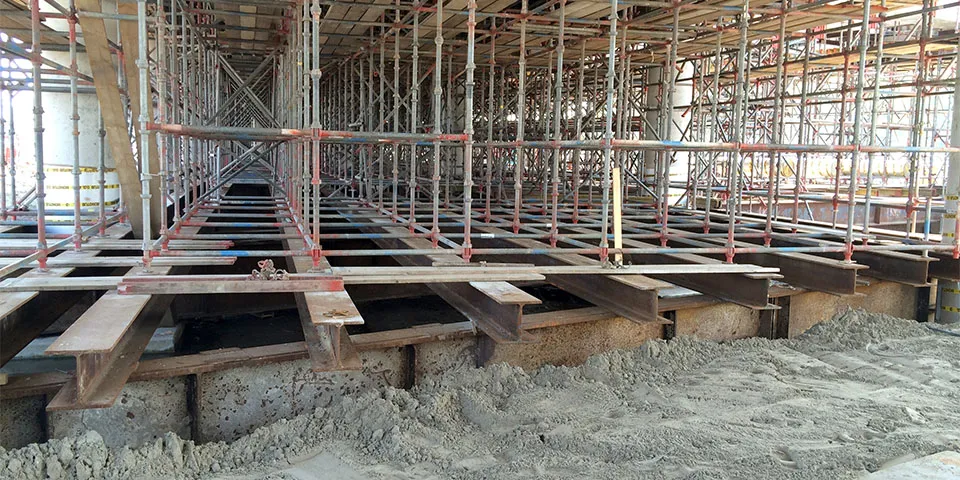
Steel is a product that can be used, not consumed. Steel beams and tubular sections retain the same properties as new ones, provided they are properly conditioned. In many cases, they can easily be used a second time, or even several times, without any adverse effects. This makes them a perfect fit for the drive towards a circular economy. With its ‘Donorstaal’ platform, Swanenberg IJzer Groep is promoting the reuse of steel. This offers unprecedented opportunities and environmental benefits, particularly in the infrastructure sector.
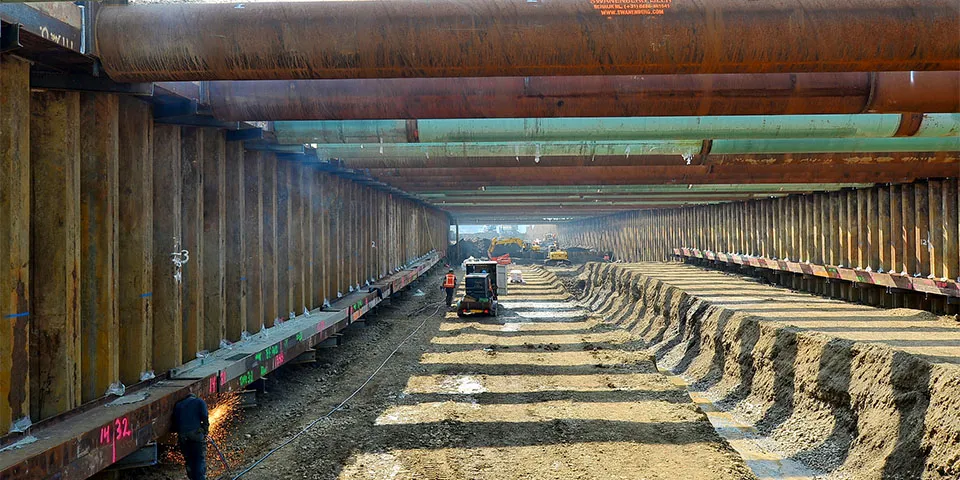
Steel tubes and sections are highly suitable for reuse.
“Reusing materials, reducing CO2 emissions and offsetting nitrogen emissions: these are the topics of the day. Steel tubes and sections are highly suitable for reuse,” says Frank van der Loop of Swanenberg IJzer Groep in Schaijk. “By actively taking part in and contributing to various initiatives on this subject, we keep up to date with the possibilities for reusing steel. And there is a lot that can be done. Partly in response to stricter government regulations on steel traceability, we try to establish the exact properties of used tubular sections, steel structures from buildings and old transmission pipelines, for example. This gives us the information we need to give these sections a second life.”
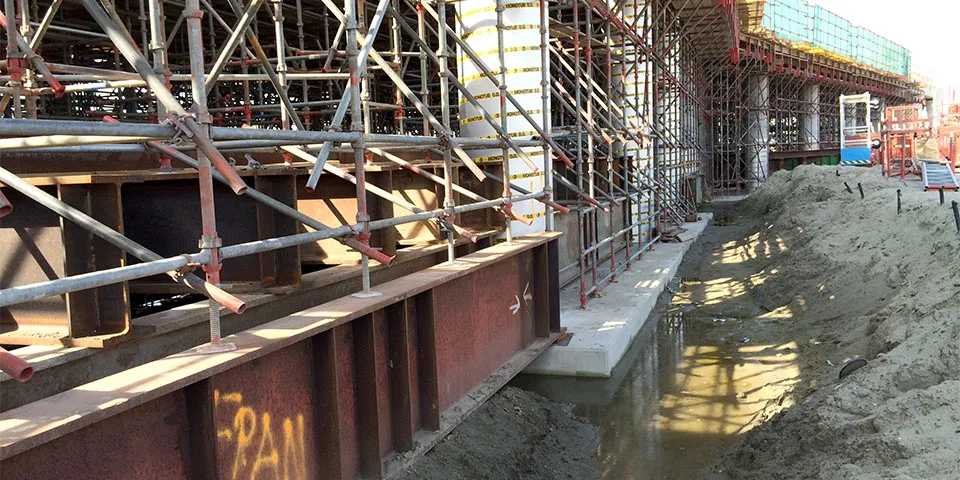
With stocks of more than 150,000 tonnes of steel tubes and beams, Swanenberg IJzer Groep can deliver very quickly on request.
Recertification
Swanenberg IJzer Groep has been the Netherlands’ greenest steel supplier for 55 years. “After all, we have been trading in used steel all that time,” says Van der Loop. “With stocks of more than 150,000 tonnes of steel tubes and beams, we can deliver very quickly on request. We started out buying and selling used steel. As the business has evolved, we have also become one of Europe’s largest stockholders of both new, first-choice steel with full mill certification and unused surplus stock. We are also increasingly focused on changing the intended use of materials. This mainly involves certifying products that have already been rolled. Products can often be used in several different ways. Tubes originally manufactured for use as gas pipelines can, in consultation with the manufacturer, be recertified to a different standard for use in applications such as infrastructure. Examples include combined walls, bracing frames, rotary piles and driven piles. We also work closely with testing laboratories that can, where necessary, carry out chemical and mechanical analyses to verify the grades of the used steel and ensure that it is suitable for its intended application.”
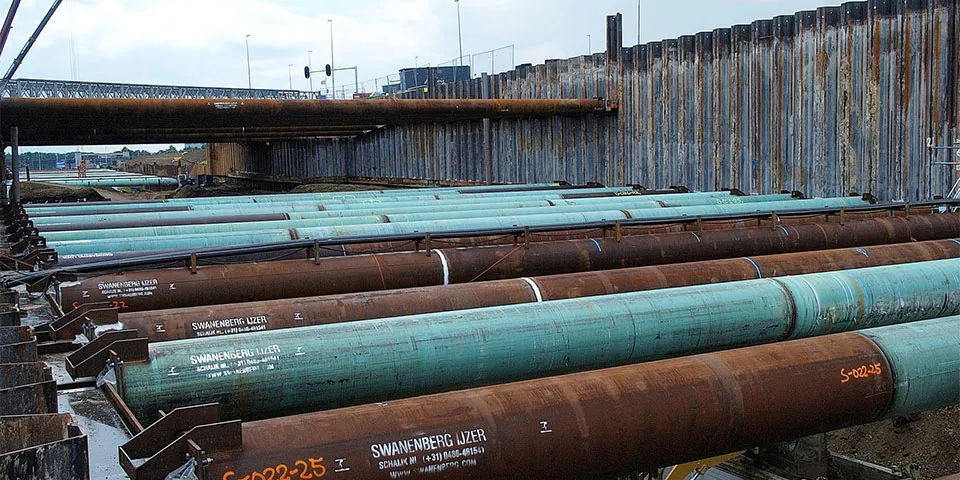
Tubes originally manufactured for use as gas pipelines can, in consultation with the manufacturer, be recertified to a different standard for use in applications such as infrastructure.
More cost-effective
Using steel sections that have already been used means there is no need to produce new steel. “Bear in mind that a steel structure, if properly conditioned, lasts an incredibly long time,” Van der Loop emphasises. “Its service life is often much longer than its period of use. This means there is a huge amount of used steel in circulation. Current regulations (EN1090, etc.) often lead people to choose new steel for a project. That is a shame, particularly when there are no additional requirements or when the steel grades are known, allowing used products with the same properties as new steel to be given a second life. Using used steel in this way delivers enormous environmental benefits. Fortunately, more and more clients are aware of this. It also reduces costs, making it a win-win situation.”
Using steel that has already been used is more cost-effective, often available from stock and better for the environment. The infrastructure sector has already caught on and is reaping the benefits.
Question about this story? Ask your question
Keep following this
Get an email when a new story is published. No account needed.
- ThemeLower emissions and more reuse
- SubjectBouwMat







