









R100 certification
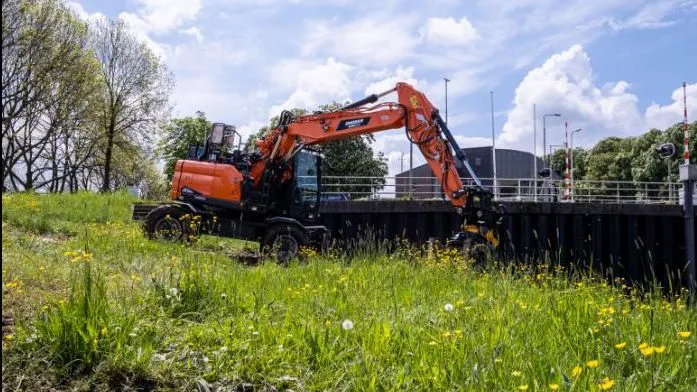
It is now common knowledge that mobile excavators must be registered from 1 January 2021.
This applies to both mobile diesel excavators and electric excavators. In addition to the registration requirement for electric excavators, new regulations also apply, including R100.02, which is divided into two parts:
- (Electric) machine safety
- REESS, Rechargeable Electrical Energy Storage Systems. In other words, rechargeable electrical energy storage systems. This definition covers electrical energy storage devices, such as a battery, used to supply energy for propulsion. A battery that powers an electric excavator is therefore covered, but a battery used to start a diesel engine is not.
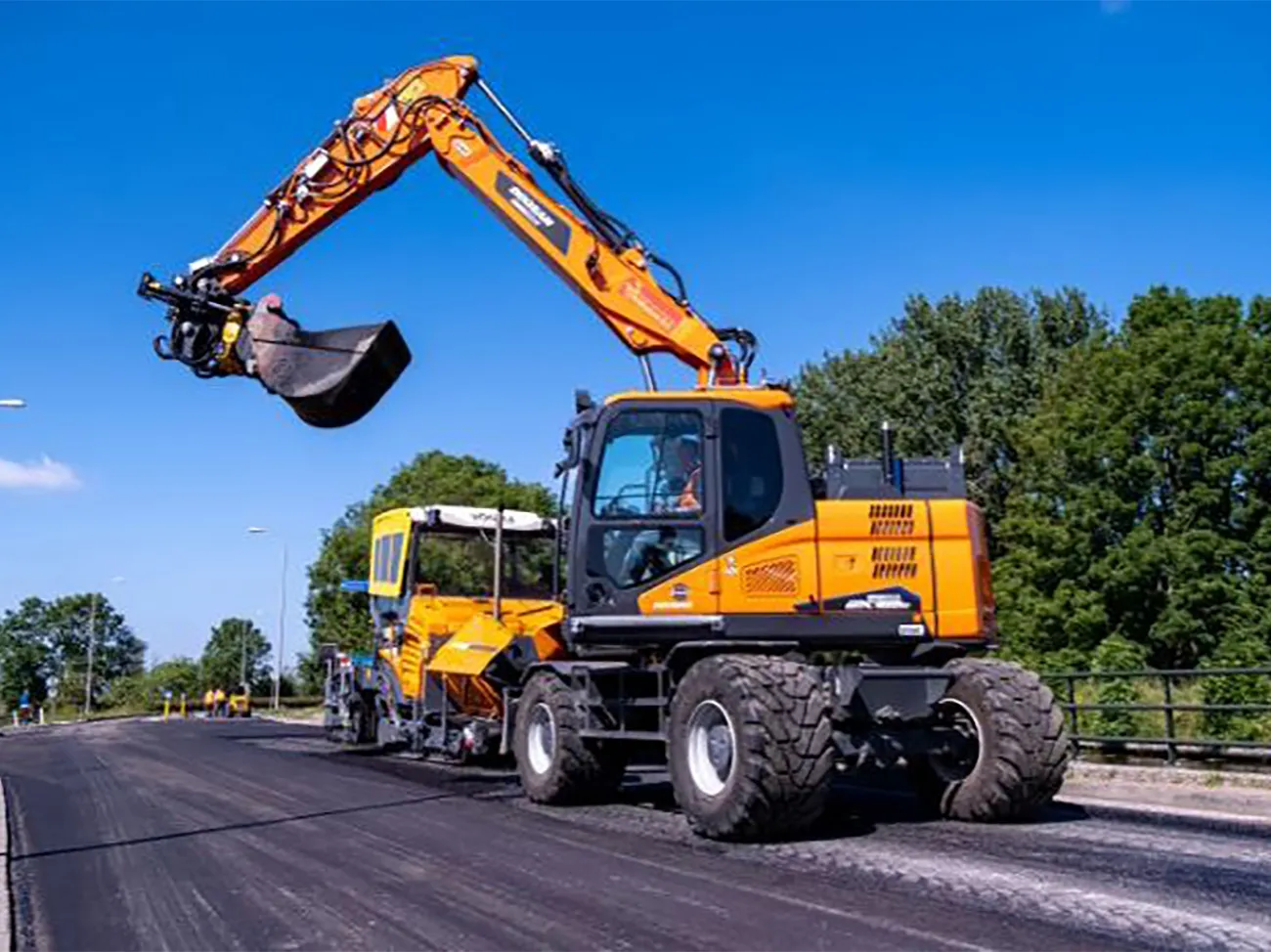
This means the machine is assessed to ensure the safety of both the operator and the service technician. The focus is on preventing the operator or service technician from coming into contact with live electrical parts. The battery is also tested to check that it is safe. It is tested under various conditions to rule out adverse effects and ensure that no dangerous situations can arise.
Several points are assessed to ensure that electric excavators are fully R100-certified.
- Protection against electric shock for the operator and service technician
- Protection against direct and indirect contact
- Minimum resistance values: this involves measuring the voltage between the various components and checking that they are properly protected. For example, the resistance values between the high-voltage system and the chassis of the electric machine are checked. This applies to both DC (direct current) and AC (alternating current).
- Requirements for the machine's connectors
- Functional safety requirements. The machine must meet the following functional safety requirements:
- Give a signal when the machine is in active drive mode
- Prevent the machine from moving when it is secured, for example, on a low-loader
- Markings that must be visible on the machine:
- High-voltage markings (yellow stickers with a black voltage symbol)
- Orange cables for high voltage, unless they are covered by enclosures
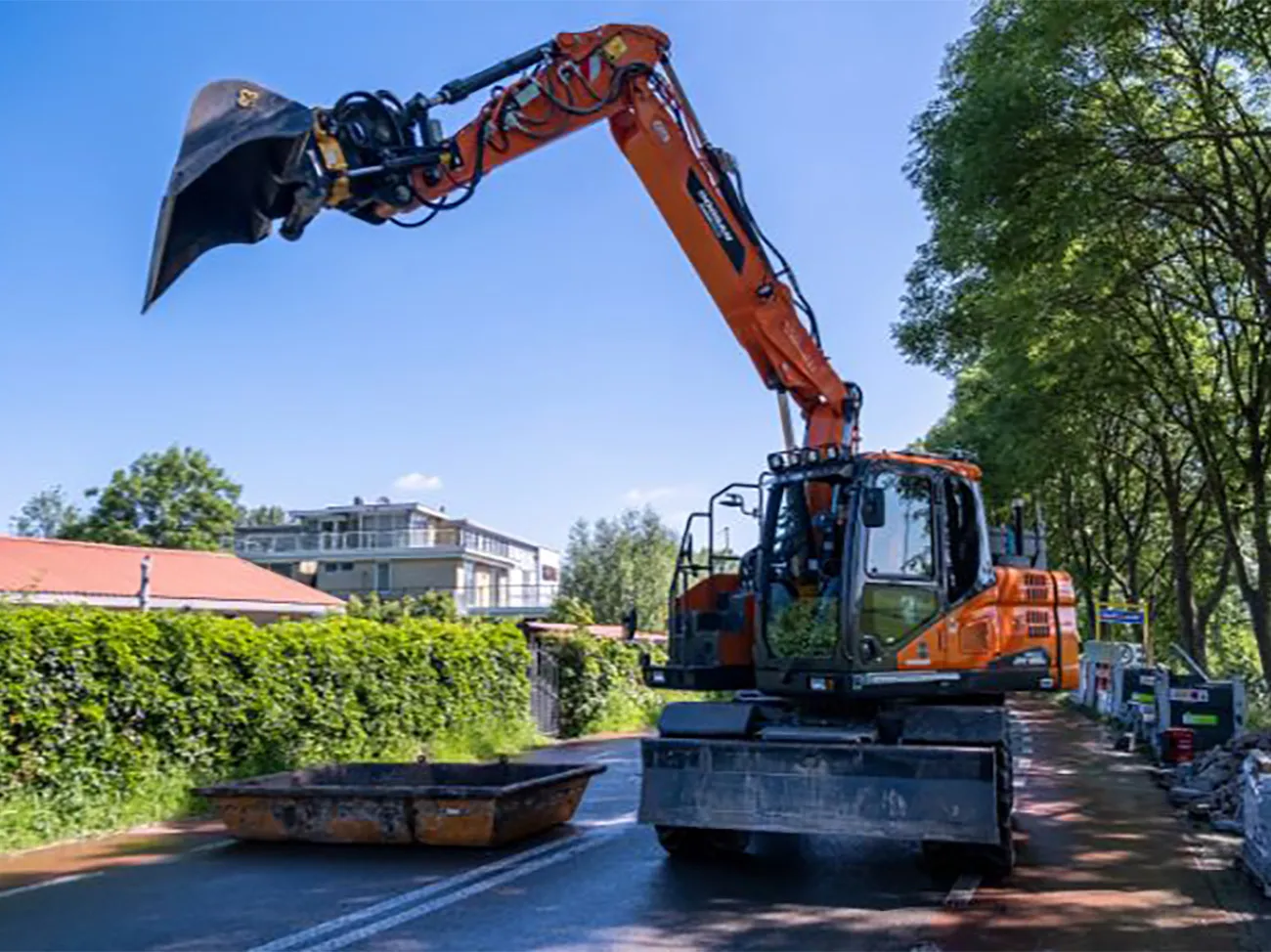
All the points listed above help ensure that our machines are safe. We want to prevent operators and service technicians from coming into contact with high voltage, which is, of course, potentially fatal. The Netherlands is one of the leaders in safety measures. This helps create a safe working environment, and we hope we can set an example for other countries.
Would you like to find out more about this subject? Please refer to this document: https://unece.org/fileadmin/DAM/trans/main/wp29/wp29regs/2013/R100r2e.pdf
Question about this story? Ask your question
Keep following this
Get an email when a new story is published. No account needed.
- ThemeConstruction equipment and transport in motion
- SubjectBouwMat







