









IAA 2022 proves electric trucks are the future
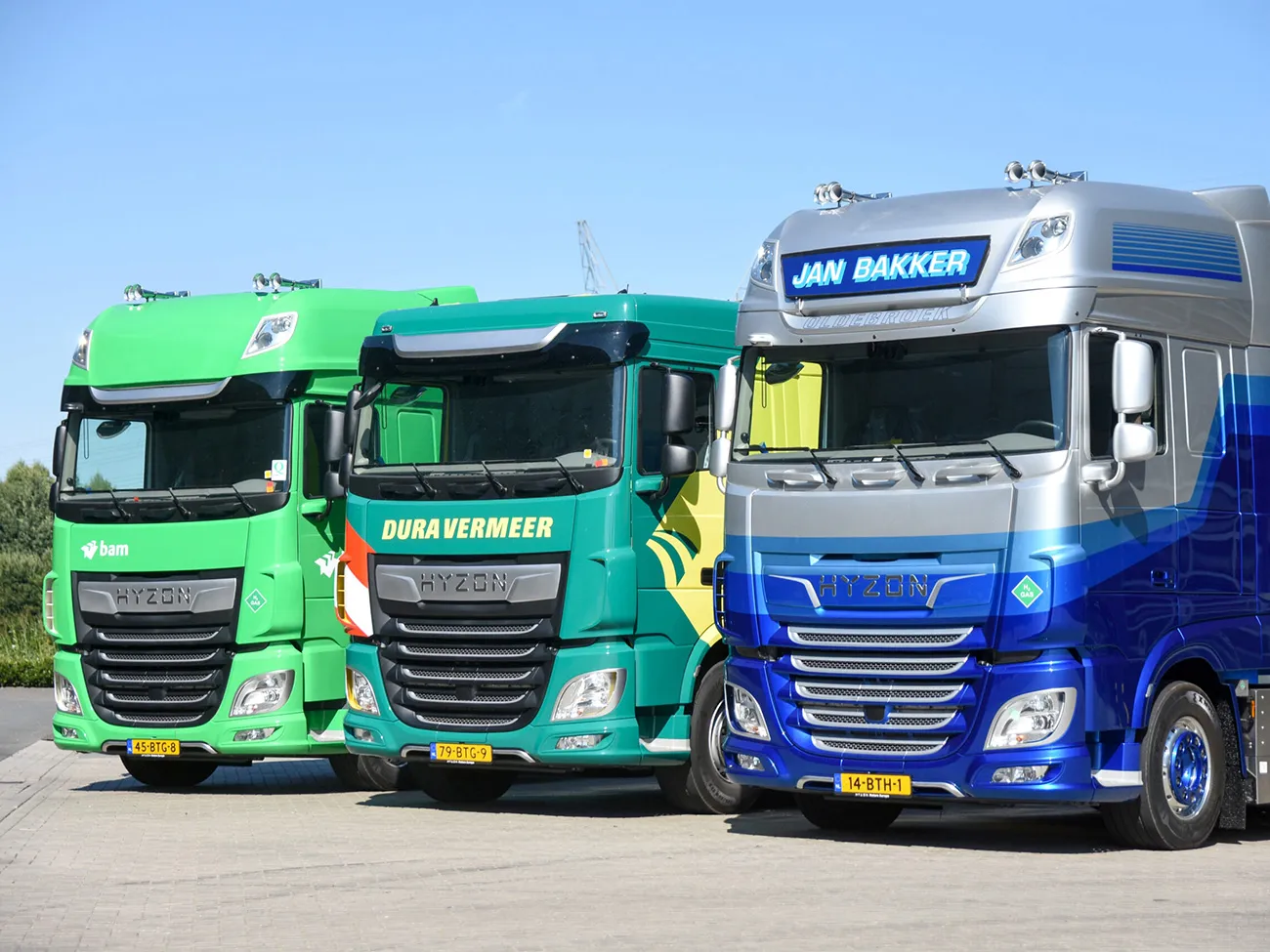
Several truck manufacturers predict that Zero Emission vehicles will account for 10% of their sales in 2025. By 2030, this figure could rise to 50%, and five years later it may even be impossible to buy a diesel version in the Netherlands. That is why all brands are now introducing electric models at a rapid pace. It is high time to take stock.
The diesel truck has had its day
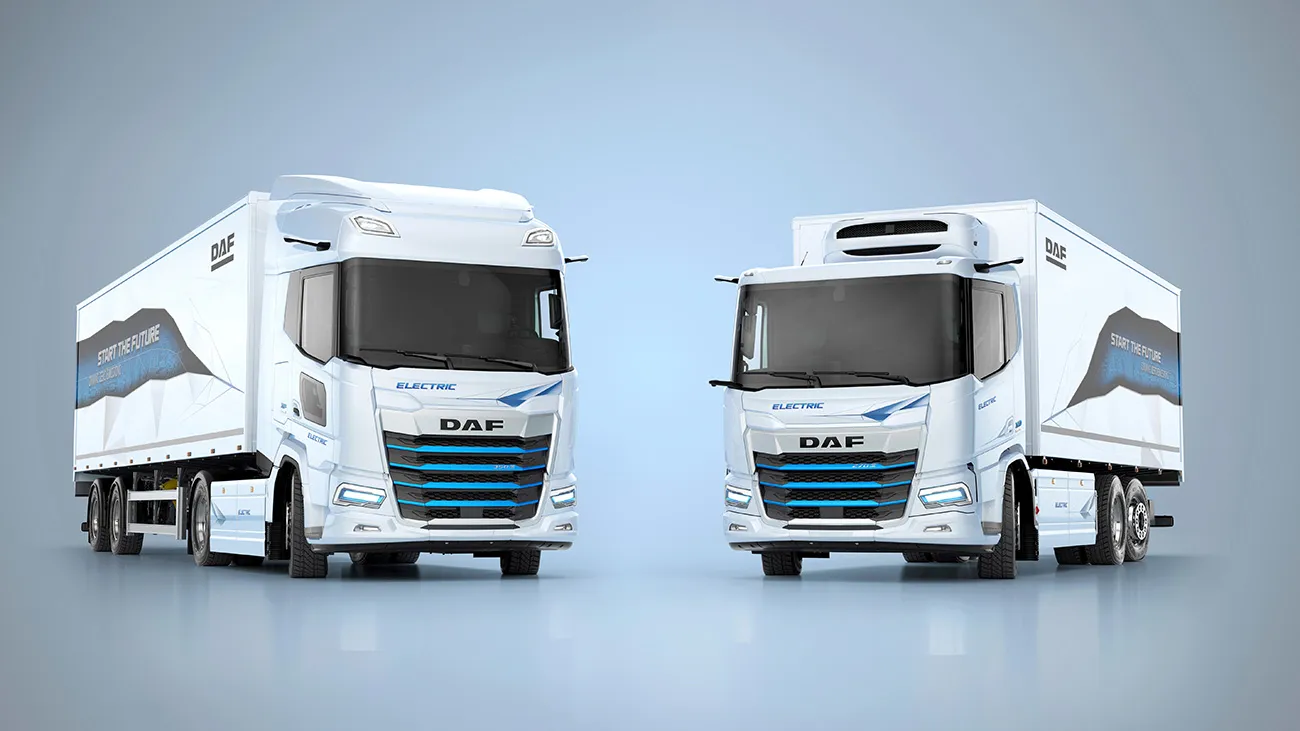
Anyone walking around IAA Transportation in Hannover last month could easily have imagined it was already 2030. At the world’s largest trade fair for the transport industry, you would have needed a magnifying glass to find diesel engines. Trucks with these compression-ignition engines were tucked away in a corner of the stand or, for many brands, banished outside altogether! Everywhere, stickers bearing slogans such as Zero Emission, Electric and Fuel Cell clamoured for attention, as though at least half of all vehicles were now equipped with a zero-emission powertrain. Far from it, but it is clear that the major truck brands are keen to accelerate the transition.
Apart from the launch of the DAF XFc and XDc construction vehicles, the show’s highlights were the launch of battery-electric trucks, concept models for fuel-cell applications and further refinements in the form of updated e-axles. Range figures are soaring from 200 to 350 or 400 kilometres per charge, while the latest generation, with the electric motor and transmission integrated into the drive axle, can already cover around 600 to as much as 800 kilometres in a 4×2 tractor unit. This creates more room for the battery pack. Major strides are being made, then, but when does it make sense to switch to e-mobility?
Faster than expected
Johnny Nijenhuis keeps a close eye on market developments and seamlessly connects them with studies on the energy transition. As an expert on Zero Emission trucks, he advises companies on the road to a sustainable future and invariably cites a formula from Daimler Truck chief Martin Daum during workshops: available vehicles × available infrastructure × cost advantage. “If one of those parameters is zero or negative, we will not get very far with decarbonisation. Looking at availability, it is clear that developments are currently moving faster than many people expected two years ago.”
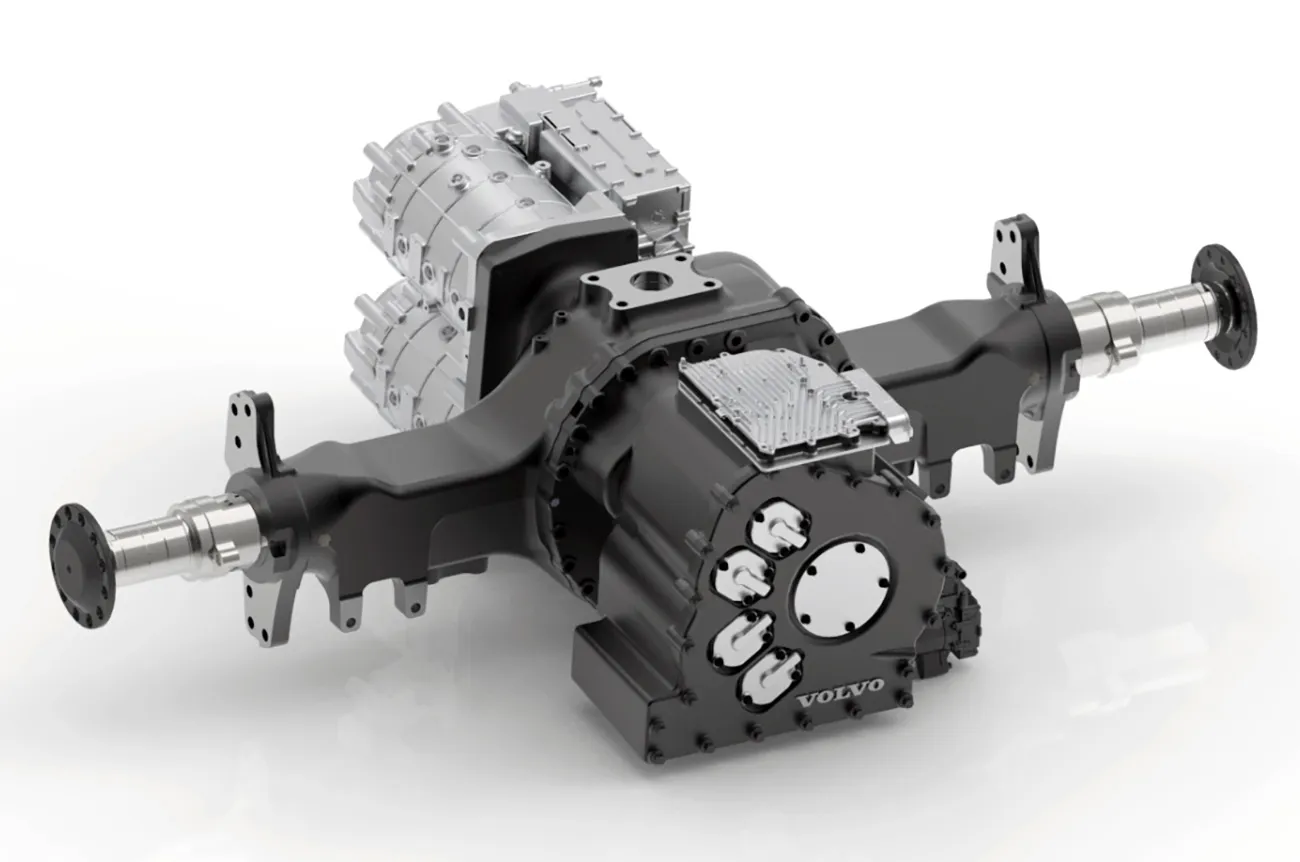
This applies both to the availability of different brands and to developments in battery technology. Nijenhuis says: “The drawbacks of electric vehicles, that they are very expensive and heavy, are gradually diminishing. Batteries are already half the weight they were just over ten years ago, and we expect to cut their weight by a further 50% by 2030. I see a similar trend in prices. Compared with 2010, batteries are now four times cheaper, and their price could fall by another factor of 3 within ten years. The technology is still young, and there is a development race between various truck brands, with each copying a lot from the others. It is a kind of leapfrog competition.”
Start exploring your options now
When it comes to charging and infrastructure, Nijenhuis distinguishes between public charging and charging on company premises, also known as depot charging. The former will account for 10-20% of all charging sessions and requires dedicated charging capacity for trucks. Various players are entering this commercial market for logistics charging. “The vast majority will opt for depot charging, because under the driving-time regulations trucks are stationary for part of the day anyway. Charging on site requires a great deal of power, particularly for hauliers with dozens, if not hundreds, of trucks. I advise companies to start thinking about upgrading their grid connection now, even if they are not switching to electric vehicles straight away.”
Nijenhuis says the wait for this can easily stretch to three or four years. “Companies that recognise the potential of Zero Emission too late may soon be unable to compete on price, even if they want to.” At the end of last year, the expert was already able to calculate scenarios in which the TCO of electric trucks was more favourable than that of a diesel version. “The huge rise in energy prices means that no longer holds true, but I am convinced that diesel prices will rise sharply in the future once we stop importing oil from Russia. That will create a huge shortage. I firmly believe in electrification and am keen to help companies get started. For a cost calculation, visit www.elektrischevrachtwagen.nl.”
Growth of 50 to 60%
Nijenhuis has a brief answer when it comes to calculating costs. Margins are already wafer-thin, so price will be decisive for many companies. “That is why it is mainly major market players who are embracing zero-emission driving, to make a statement. They would also rather pay to learn the ropes with one e-truck now than wait until the time comes and then fall into all kinds of traps. There are currently around 300 BEV trucks on the road in the Netherlands, compared with 200 a year ago. Another 150 to 180 electric trucks are expected to be added in 2023, which represents growth of 50 to 60%. At some point, of course, things will move very quickly. I would not rule out the market growing at an exponential rate.”
With lower maintenance costs, put at 30 to 65% by Bovag, and the prospect of electric trucks receiving a discount on the kilometre charge, which is expected to come into force in 2026 or 2027, the tipping point quickly shifts in favour of Zero Emission. Even so, energy prices remain a key factor in accelerating the transition. Nijenhuis paints a less rosy picture for fuel-cell trucks. “Their price makes it difficult to compete with electric or diesel-powered vehicles. Various brands showed H2 concept models at IAA, and the first hydrogen-powered trucks are already on the road in the Netherlands, but I see benefits only for very specific applications, and therefore not in large numbers.”
Question about this story? Ask your question
Keep following this
Get an email when a new story is published. No account needed.
- ThemeConstruction equipment and transport in motion
- SubjectBouwMat







