









Government steps up efforts to make construction sites emissions-free
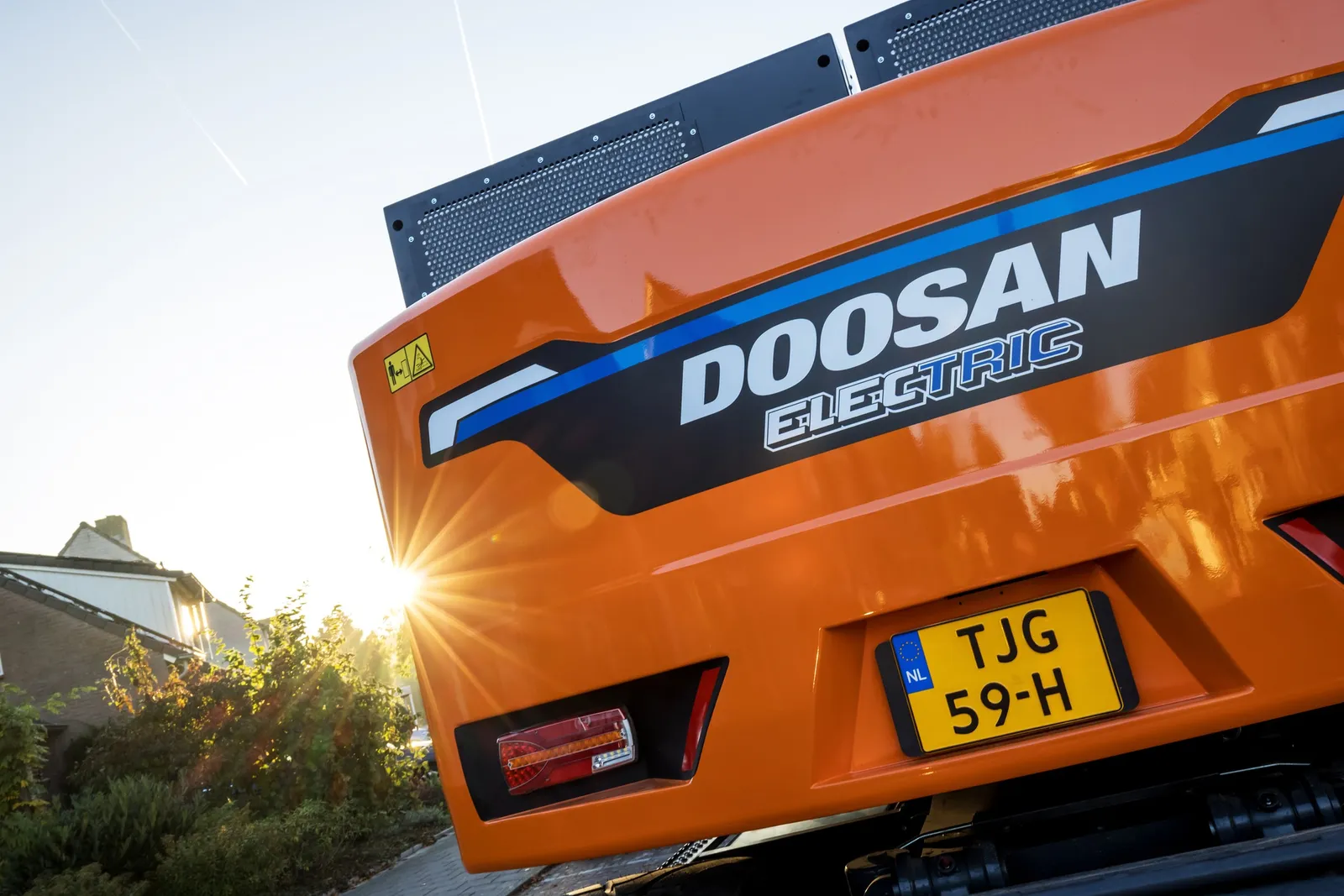
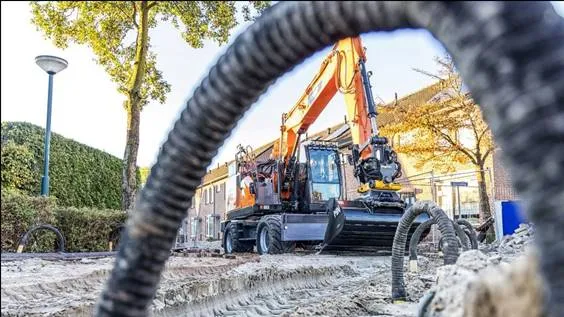
More clean machinery on construction sites. From next year, companies will be able to apply for grants for zero-emission construction equipment, such as excavators, concrete mixers and generators. A separate grant scheme will also be launched for converting or retrofitting diesel equipment to run on, for example, hydrogen or electricity.
State Secretary Van Weyenberg (Infrastructure and Water Management) says: “Zero-emission construction helps ease many of the headaches caused by nitrogen. It is also good news for people working or living on and around construction sites: cleaner air and less noise. Converting or replacing polluting construction machinery costs a lot of money. That is why we are keen to give construction companies a helping hand.”
Tackling the nitrogen problem and improving the climate
The government wants the construction sector to cut nitrogen emissions by 60% and CO2 emissions by 0.4 megatonnes by 2030 (nitrogen emissions are measured against 1990 levels), as set out in the Nitrogen Action Plan and the Climate Agreement. This grant scheme will contribute to those targets. Almost all nitrogen emissions from construction come from the use of construction vehicles and machinery on site. An estimated 80,000 such machines and vehicles operate in the Netherlands, often running on diesel all day and emitting particulate matter and greenhouse gases as well as nitrogen.
Maximum grant per business
Businesses can recover up to 40% of the additional costs of adapting or converting equipment to make it emissions-free when purchasing that equipment. The government wants to provide additional support to SMEs, which can receive grants covering up to 50% of the costs of adapting or converting equipment. This includes the purchase of new machinery and construction vehicles, for example battery-powered or hydrogen-powered models. Existing equipment can also be upgraded with grant funding. Options include converting diesel equipment to electric power or fitting a catalytic converter to capture harmful substances. A high-performance catalytic converter can cut nitrogen emissions by more than 80%. This option is also available for large seagoing construction vessels.
Bouwend Nederland
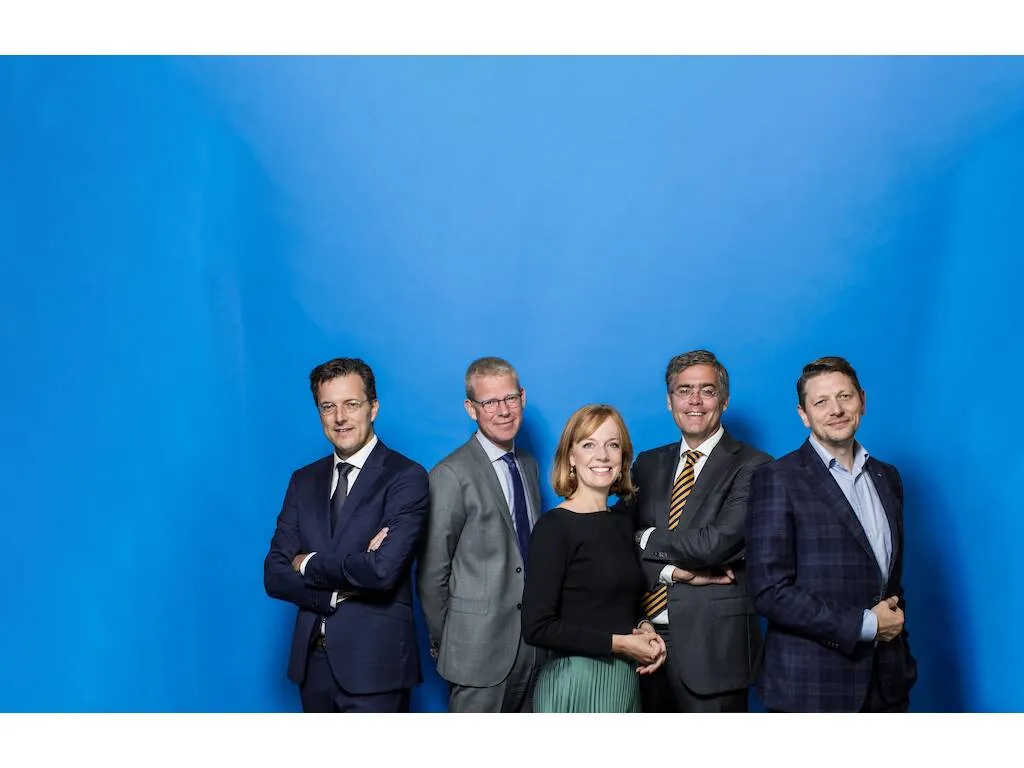
“I believe it is important for the construction and infrastructure sector to contribute to the Climate Agreement targets and accelerate the transition to zero-emission mobile machinery and construction equipment,” says Maxime Verhagen, chair of Bouwend Nederland. “That is why Bouwend Nederland, BMWT and CUMELA are working with the government on a roadmap towards fully clean construction. However, converting equipment and buying zero-emission machinery are still very expensive. It is therefore good that the government is putting money on the table. This boost will help the sector continue to develop and make this important transition more realistic and affordable for businesses.”
View the scheme here, as published for online consultation last week: https://www.internetconsultatie.nl/subsidieregeling_schoon_en_emissieloos_bouwmaterieel
Question about this story? Ask your question
Companies in this story
Keep following this
Get an email when a new story is published. No account needed.
- ThemeConstruction equipment and transport in motion
- SubjectBouwMat
- CompanyBMWT







