









From advocacy to sharing knowledge
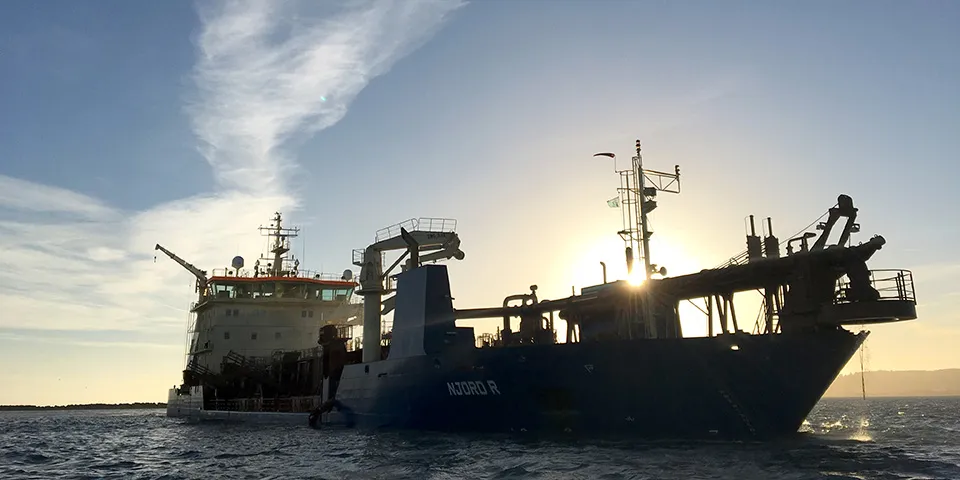
Our small country has a strong international reputation in hydraulic engineering. We have a long history and impressive expertise in work in and around water. The Vereniging van Waterbouwers represents the interests of its more than 94 members as an employers’ and trade association for contractors and service providers in hydraulic engineering.
The Vereniging van Waterbouwers works to build a thriving hydraulic engineering sector by sharing knowledge and organising activities. And, importantly, by showcasing the appeal of a career in hydraulic engineering. We speak to Edwin Lokkerbol, director of the Vereniging van Waterbouwers, about current challenges and the future of the sector.
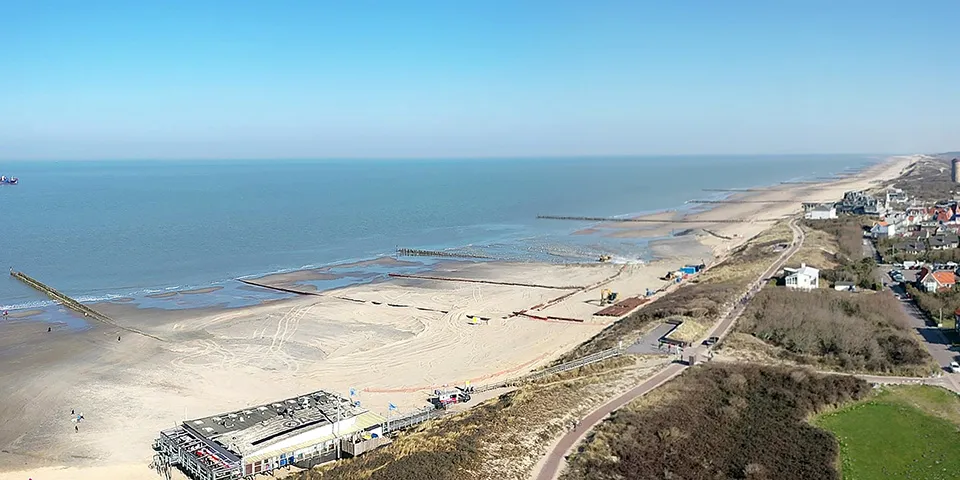
The Vereniging van Waterbouwers is keen to show what working in hydraulic engineering involves. (Image: Rohde Nielsen, near Domburg)
Developing a long-term vision
“The Vereniging van Waterbouwers works on behalf of the labour market, the public and politicians. We do everything we can to help secure a sustainable future,” Lokkerbol begins. “Given the current challenges in the Netherlands of rising water levels and falling ground levels, it is not easy to look ahead. Investing in water safety and doing so sustainably calls for a long-term vision. That makes it all the more valuable that the Vereniging van Waterbouwers brings together so much expertise. We consider all kinds of sustainability issues in relation to our sector. For example, we are exploring what the fuel of the future should be. We discuss the matter openly and share our knowledge with all the parties involved.”
Lokkerbol welcomes the Dutch government’s Delta Programme 2020. “Peter Glas, the new Delta Commissioner, says that ‘climate-adaptive and water-resilient building and development should become the new normal’. That is a good example of an approach the Vereniging van Waterbouwers wholeheartedly supports. It is also essential for the energy transition. The Delta Programme 2020 takes a long-term view towards 2050, by which time the Netherlands must be as climate-resilient and water-resilient as possible.”
Predictive working is now possible
“We already rely on technology for our safety. By analysing the data generated by technology and combining the results, we can now even work predictively,” Lokkerbol continues. “Our members are involved in dredging, coastal and bank protection works, and structural hydraulic engineering, among other activities. Sensors installed on machinery and structures and connected to central systems via the Internet of Things give us access to data that tells us their current status. For example, by fitting quay walls with sensors that measure the loads they are under, we can calculate how much longer a quay wall will last under the prevailing conditions. We need data to carry out maintenance responsibly.”
Pleased to meet you!
The hydraulic engineering sector is also facing a tight labour market. Finding staff is difficult. “Too few young people choose this career. But we believe that people are not drawn to what they do not know. Once people start working in hydraulic engineering, they tend to stay for a long time. That is why it is important to raise the profile of our sector. We are keen to show what working in hydraulic engineering involves, including the fact that we have our own collective labour agreement and development fund. We do a great deal to raise awareness, and present an award for the best higher professional or university thesis in hydraulic engineering,” Lokkerbol explains.
The Vereniging van Waterbouwers also organises events to reach young people. “These are informal gatherings designed to attract as many young people as possible. They give us a good opportunity to show that in our industry you sometimes get your hands dirty, but you can also work on business management or complex technological issues. One of our members in the dredging industry has more than 100 employees. Growing demand for design and construction drawings has led the company to set up its own design department, staffed by people with higher professional and university qualifications.”
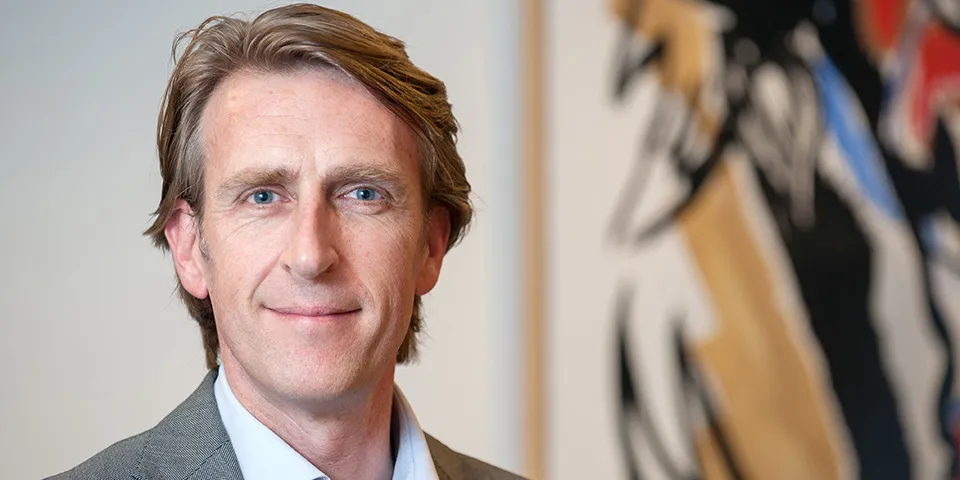
Edwin Lokkerbol, director of the Vereniging van Waterbouwers.
Good training is half the battle
There is, of course, also a need for skilled workers on dredgers. “It is a profession in its own right. A maritime course can prepare you for work in the sector. In Rotterdam and on Terschelling, maritime courses focus specifically on delivering hydraulic engineering projects,” says Lokkerbol.
What about women entering the hydraulic engineering sector? “Thankfully, more and more women are joining. Ruth Huisman-De Graaf, one of the directors of De Klerk Werkendam, is a good example. She chairs the Jonge Waterbouwers. Two of the five board members are women.”
Question about this story? Ask your question
Companies in this story
Keep following this
Get an email when a new story is published. No account needed.
- ThemeFlood protection and climate-resilient water management
- SubjectBouwMat
- CompanyDe Klerk Werkendam







