The foundation sector has a future
The Netherlands faces major challenges: climate change, an ageing population, population growth and the question of how to keep our country liveable in the future without compromising too much on prosperity and well-being.
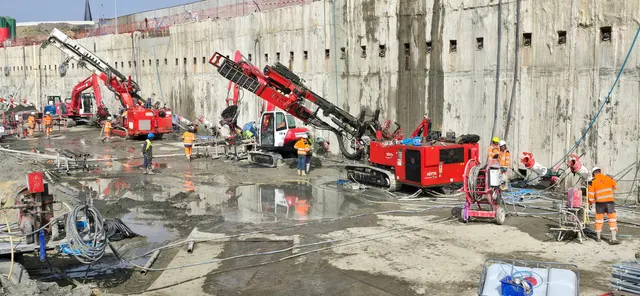
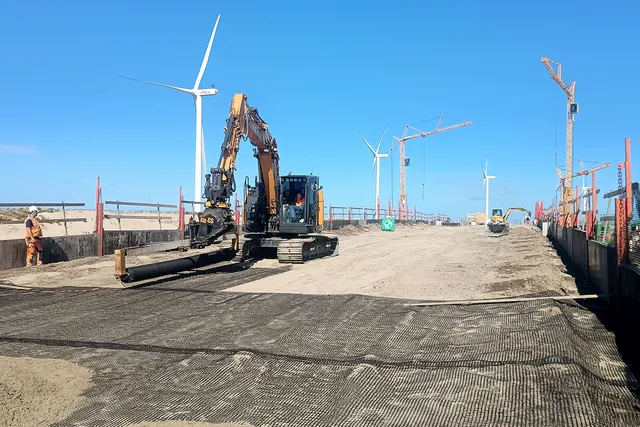
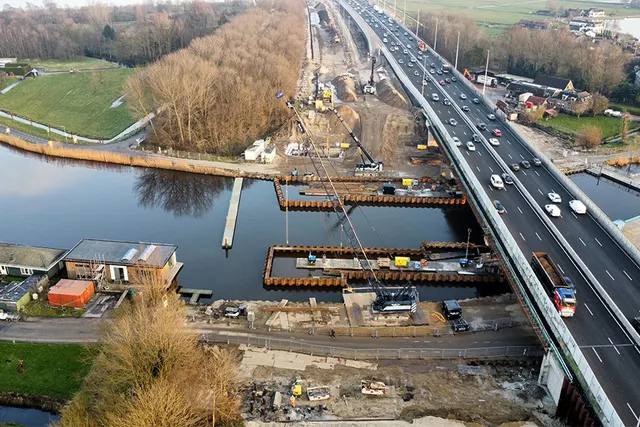
For the foundation sector, climate change represents an opportunity. To adapt to change and keep our feet dry, many water infrastructure projects will need to be built, and foundation techniques such as sheet piling, anchors and soil mix walls will be indispensable. Foundations are also needed for wind turbines and solar farms.
At the same time, the foundation sector needs to consider how it uses raw materials. How can it become more circular? And can concrete, for example, be made with lower CO2 emissions, or even be CO2-neutral? The design stage has a major role to play here. Foundation contractors are ready to contribute, but they are not usually the ones who design foundation structures.
When designing foundations, more consideration should also be given to making them serve additional functions. One example is incorporating heat exchangers into piles and sheet piles, giving them an energy-generation function. This is already being done in practice, allowing buildings to be partly heated and cooled. Another example would be to use this approach in the foundations of a bridge deck. In summer, cooling can prevent expansion, while in winter, heating by just a few degrees can prevent sections of road from freezing.
We are seeing the development of new, cleaner engines for foundation equipment, although the CO2 emissions from engines account for a relatively small share of the total emissions associated with foundation works compared with those from raw materials such as concrete and steel. The sector is taking action, and various sustainable machines are already in use. The investment costs are high and should be rewarded.
For the labour market, an ageing population is an issue that will also affect our businesses. The foundation sector is continuously working on projects to improve working conditions, and in the future it is conceivable that some project work will be robotised.
Population growth and the resulting demand for housing present an opportunity for the sector. However, simply building more homes will not solve the problem. We will also need to consider how to make good use of the existing building stock. This includes extending the useful life of buildings through foundation repair. When adding extra storeys, that is, building one or more floors on an existing property, making use of its existing foundations is important. Testing the load-bearing capacity of existing foundations can save considerable cost, time and CO2.
All in all, there is no future without good foundations!
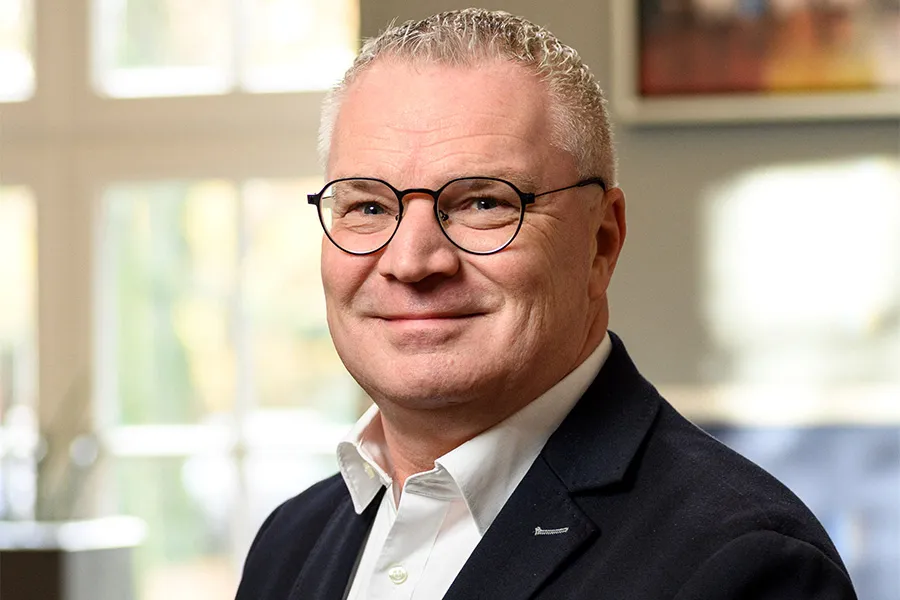
The Pen, Jaap Estié, Director, Nederlandse Vereniging Aannemers Funderingswerken (NVAF)
Question about this story? Ask your question
Keep following this
Get an email when a new story is published. No account needed.
- ThemeUnderground construction
- SubjectFoundations