









Council of State ruling sends shockwaves through construction sector
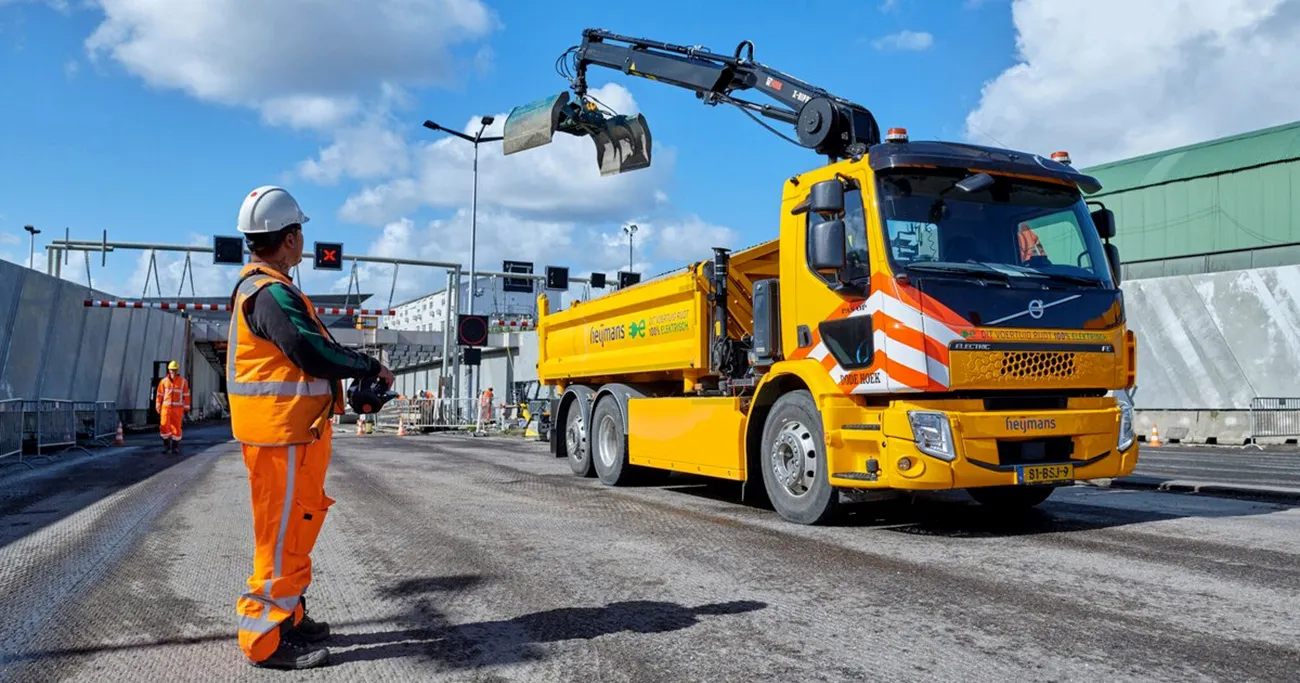
Nitrogen construction exemption scrapped, but no blanket ban on construction
The construction exemption, which since July 2021 has meant no permit is required for temporary NOx emissions during construction, does not comply with European nature conservation law. In early November, the Council of State struck down this government ‘loophole’. Although the administrative court stressed that there is no blanket ban on construction, the ruling has nevertheless thrown a spanner in the works of the ambitious plans of the Dutch construction sector. What happens next?
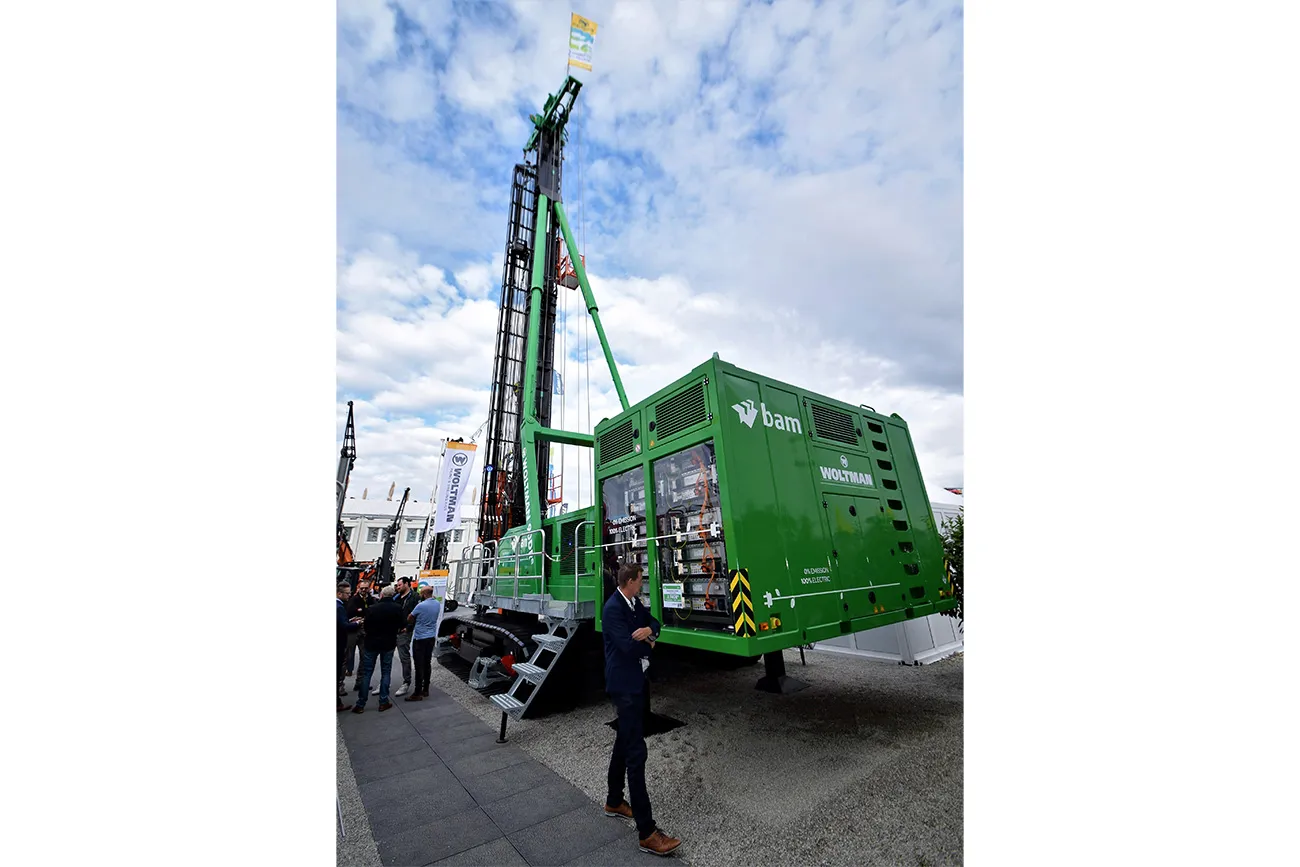
The loophole of old is no more. The construction exemption, which allowed nitrogen emissions from construction work to be disregarded in permit applications, has become a dead end less than a year and a half after coming into force. If a calculation must be made in advance of the expected emissions during construction for a project, many works will be delayed or, if they are near Natura 2000 sites, may not get off the ground at all. The ruling that the exemption can no longer be used for construction or infrastructure projects does not, however, apply to works already under way or for which a permit has already been granted.
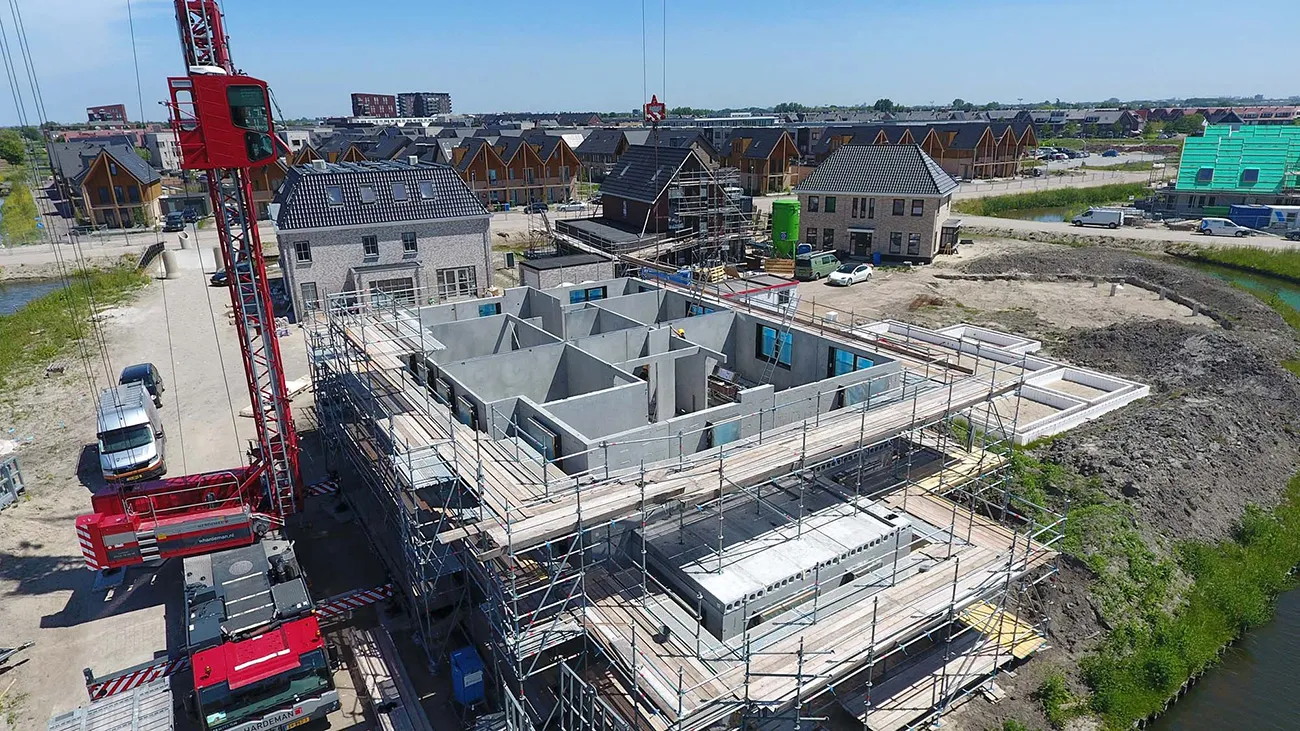
Action is needed now
The fact that the Council of State has issued only an interim ruling and will later consider its final decision in the Porthos case, concerning the storage of CO2 from the Port of Rotterdam in depleted gas fields beneath the North Sea, offers little hope to the sector for now. In an initial response, Bouwend Nederland chair Maxime Verhagen said he was shocked: “This is a disaster for construction. The Netherlands must urgently buy out peak polluters to free up nitrogen capacity for nature, construction and new economic developments. Action is needed now. This government cannot sit on its hands.” To prevent the country from grinding to a halt again, the industry association expects the national government to provide additional funding for zero-emission construction.
Several organisations fear that the ruling will cause enormous delays throughout the supply chain, with consequences for the housing market and the energy transition, both of which already present the Netherlands with huge challenges. According to the Association of Netherlands Municipalities (VNG), this does not mean that no permits can be granted, but the ruling will “undoubtedly cause delays in addressing the major challenges we face”. For this reason, WoningBouwersNL director Coen van Rooyen stresses that the wheels of the civil service must not be allowed to stop turning, whether out of alarm or while awaiting new policy. “Clear guidance is needed quickly to prevent confusion over permits.”
Super-plus scheme
The administrative court’s ruling that the construction exemption can no longer stand is also a major setback for politicians in The Hague. “Once again, it is clear that reducing nitrogen emissions and strengthening nature are urgent priorities,” the government said in a press release. It is therefore vital to act quickly on the recommendation made by Johan Remkes in October in the report ‘What is possible: breaking the deadlock and setting out a way forward’, to buy out 500 to 600 peak polluters in the short term. The government wants to make a unique offer to around 3,000 farms and other businesses that emit excessive amounts of nitrogen, inviting them to cease operations. The super-plus scheme is a one-off offer they can’t refuse, of up to 120% of the market value of these businesses.
Until then, the main recourse is the 2020 report by the Advisory Committee on Measuring and Calculating Nitrogen (the ‘Hordijk Committee’) on the methodology for measuring and calculating nitrogen emissions. For all new initiatives and those not yet legally final, the effects of NOx emissions during construction, demolition or development must also be assessed for Natura 2000 sites. This involves a great deal of calculation, which can easily delay a project by several months. There is also a severe shortage of experts able to prepare such reports. If the preliminary assessment shows that adverse effects on nature cannot be ruled out, an appropriate assessment must follow and a nature permit is required.
External offsetting
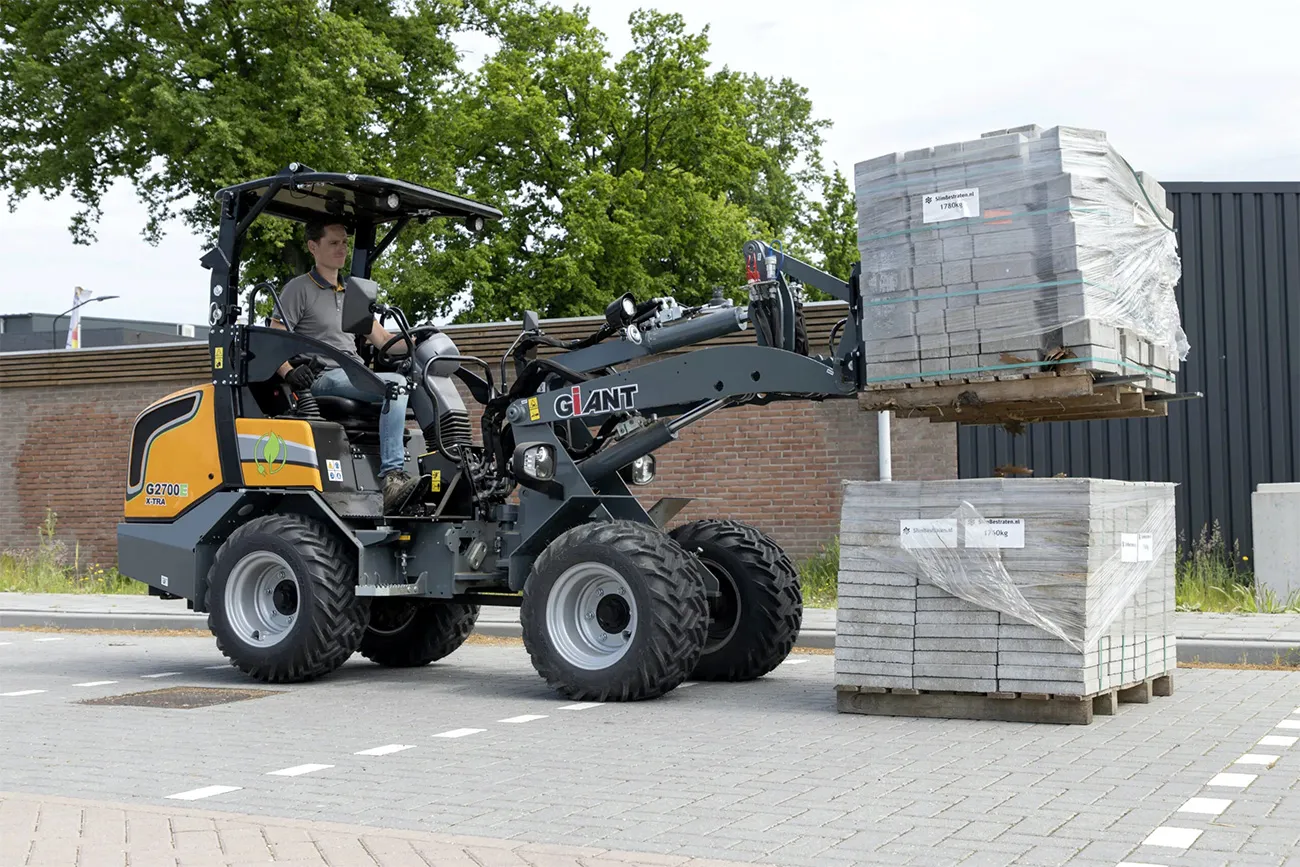
Now that the sector has effectively returned to the uncertain period after the PAS ruling (May 2019) and before the construction exemption, the government must find ways to allow construction work to proceed while also protecting vulnerable nature. This can be done through external offsetting or the so-called ADC test. This requires demonstrating that there is no alternative (A), that there are imperative (D) reasons for the project and that compensation (C) will be provided. Contractors themselves must also try to prevent emissions. This means not only investing in zero-emission equipment, but also using machines that meet the strictest emission standards. Ideally, this should be combined with HVO100 biodiesel, as this reduces the amount of compensation required even further.
Question about this story? Ask your question
Keep following this
Get an email when a new story is published. No account needed.
- ThemeLower emissions and more reuse
- SubjectBouwMat







