Electric transport gains weight
Text and images MAN Truck & Bus
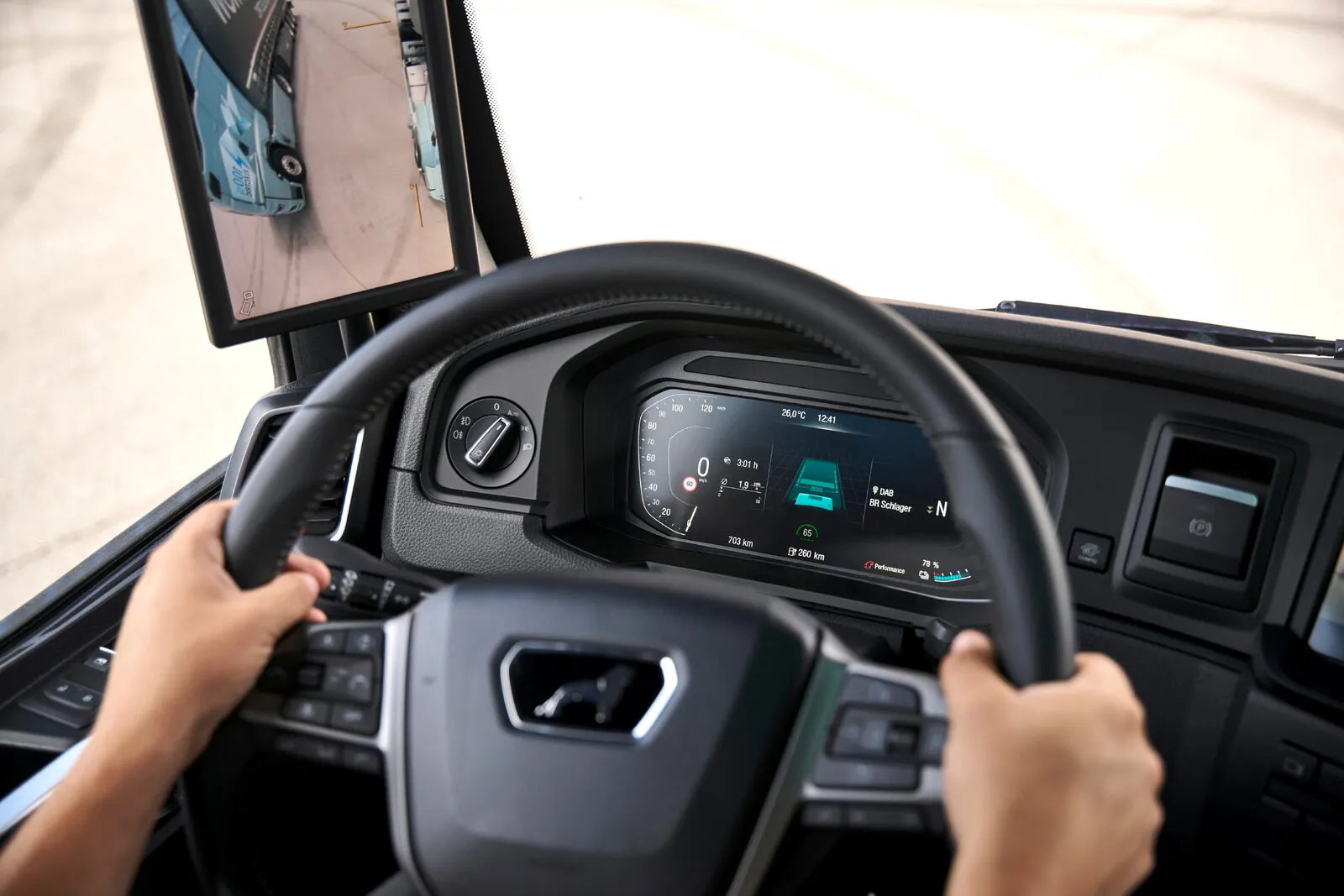
The electrification of the transport sector is shifting up a gear. In civil engineering, road building and hydraulic engineering, too, demand is growing for solutions that cut CO₂ emissions while still offering sufficient flexibility, deployability and return on investment. MAN Truck & Bus is responding with a new generation of electric trucks and a package of services that supports companies in the switch to zero-emission transport.
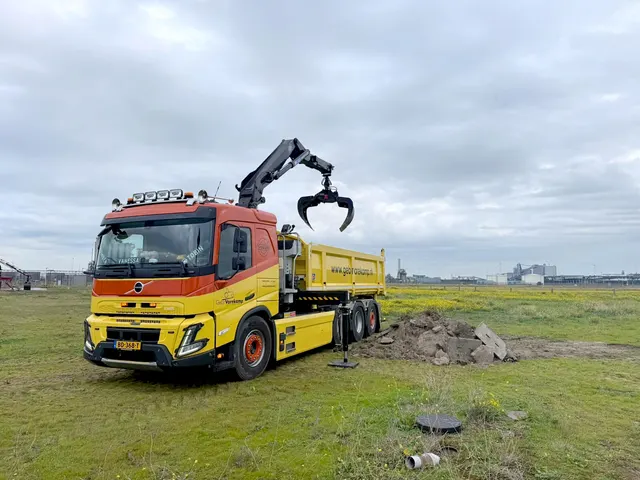
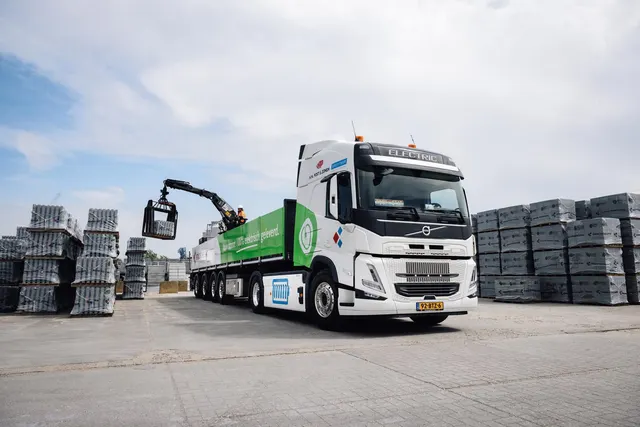
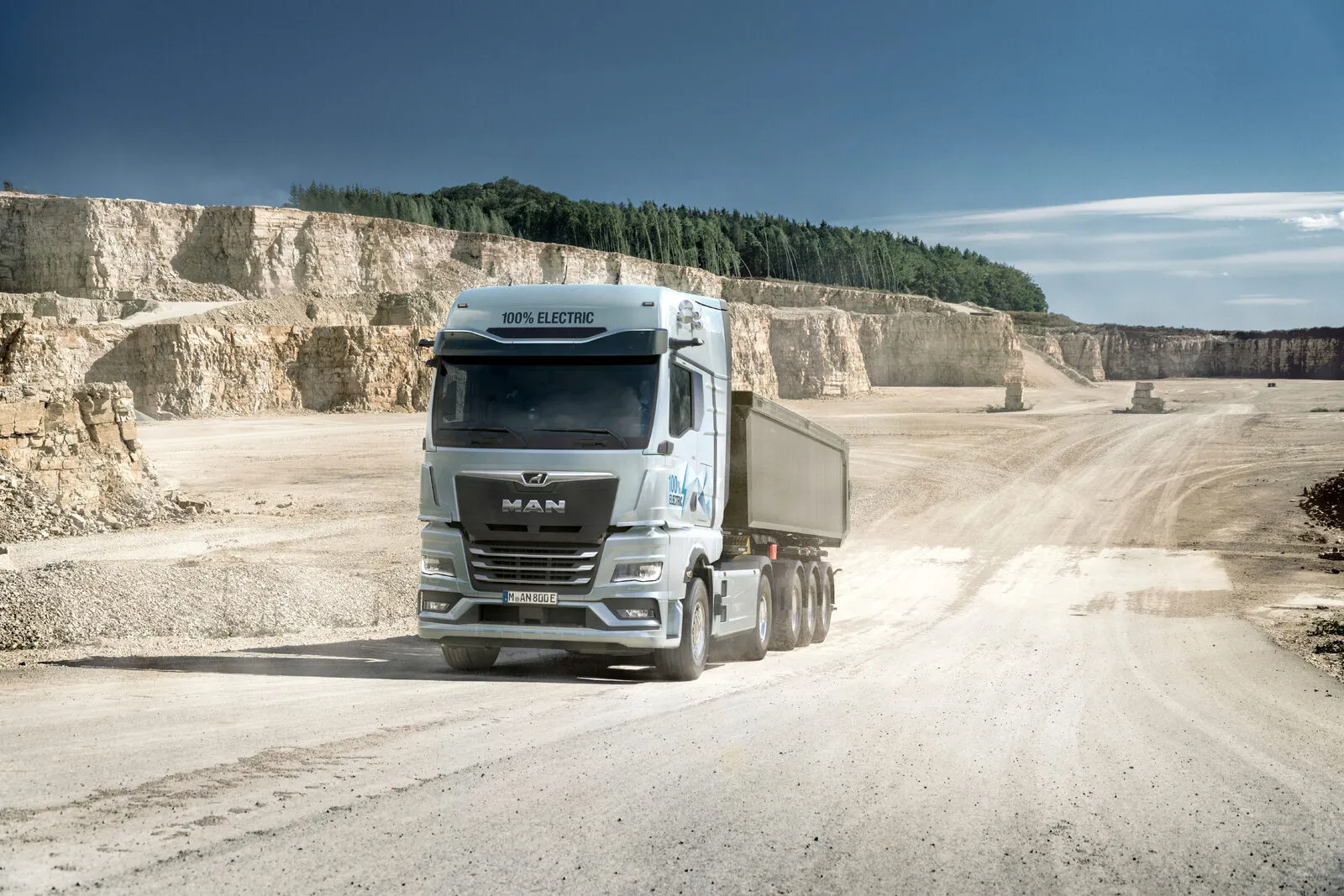
This makes electric trucks more widely deployable for companies active in infrastructure works, earthmoving, construction logistics, container transport and utilities. MAN's range runs from the compact eTGL for urban and regional distribution to the eTGM for site supplies, building materials transport and municipal services, among other uses. The eTGS and eTGX target heavier applications, including construction logistics, container haulage, heavy transport and long-distance routes. The range comprises both tractor units and chassis vehicles. As a result, applications with tipper bodies, hook-lift systems, cranes and other superstructures for the construction sector can also be electrified.
In doing so, MAN builds on its experience with electric city buses, light commercial vehicles and earlier generations of electric trucks. The result is a robust and reliable solution that fits seamlessly with the day-to-day practice of professional hauliers, contractors and logistics service providers. The manufacturer also keeps battery production in its own hands. The high-voltage batteries for the electric trucks and buses are produced at the plant in Nuremberg. This allows MAN to retain control over the quality and further development of the battery technology.
More than a truck
The switch to electric transport goes beyond the vehicle alone. Range, charging infrastructure, energy supply, charging costs and operational planning all help determine whether an electric fleet pays off in daily practice. With its 360° eMobility Solutions, MAN therefore links its vehicles to advice and support around the electric ecosystem.
Specialist eMobility experts first analyse the routes, charging profiles and operational requirements. On that basis, they determine which vehicles suit the activities and what charging infrastructure is needed. The energy capacity available at the company site and any future expansions are also factored into the analysis.
Together with specialist partners, MAN then offers solutions for depot charging and energy management, among other things, supplemented by advice on solar panels and grid capacity. This allows vehicle choice, charging strategy and energy supply to be considered as an integrated whole.
Charging on the road too
Access to charging infrastructure also plays an important role away from the company's own depot. Through MAN Charge&Go, drivers gain access to a European network of charging points for electric trucks. A single charging card and consolidated invoicing are intended to simplify use, while available charging points can also be incorporated into route planning.
Electric trucks are consequently gradually finding their way into applications that extend beyond urban and regional distribution. Construction logistics, heavier transport assignments and long-distance routes are also coming more clearly into view. The further development of battery technology, charging infrastructure and energy management is expected to expand that deployability further in the coming years.
Question about this story? Ask your question
Keep following this
Get an email when a new story is published. No account needed.
- ThemeLower emissions and more reuse
- SubjectConstruction transport