









Chinese power with a Dutch touch
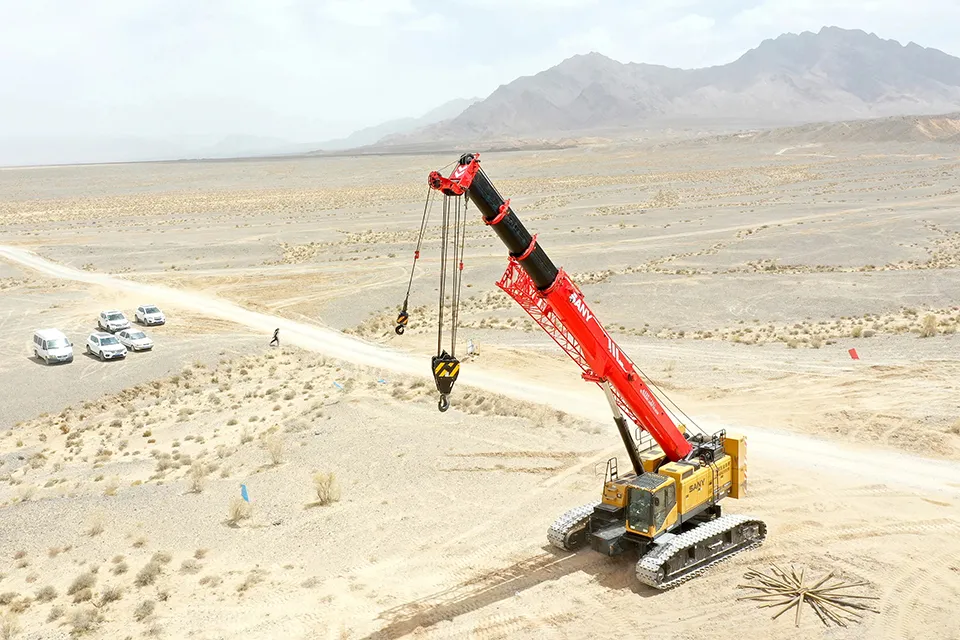
Sany builds first fully electric crawler crane
Electrification is also making unstoppable inroads in the lifting and hoisting sector. Chinese manufacturer Sany, represented in the Benelux by Dutch company UCM Holland, now has three fully electric cranes in its range. And it turns out they were developed in the Netherlands. Chinese power with a Dutch touch, then.
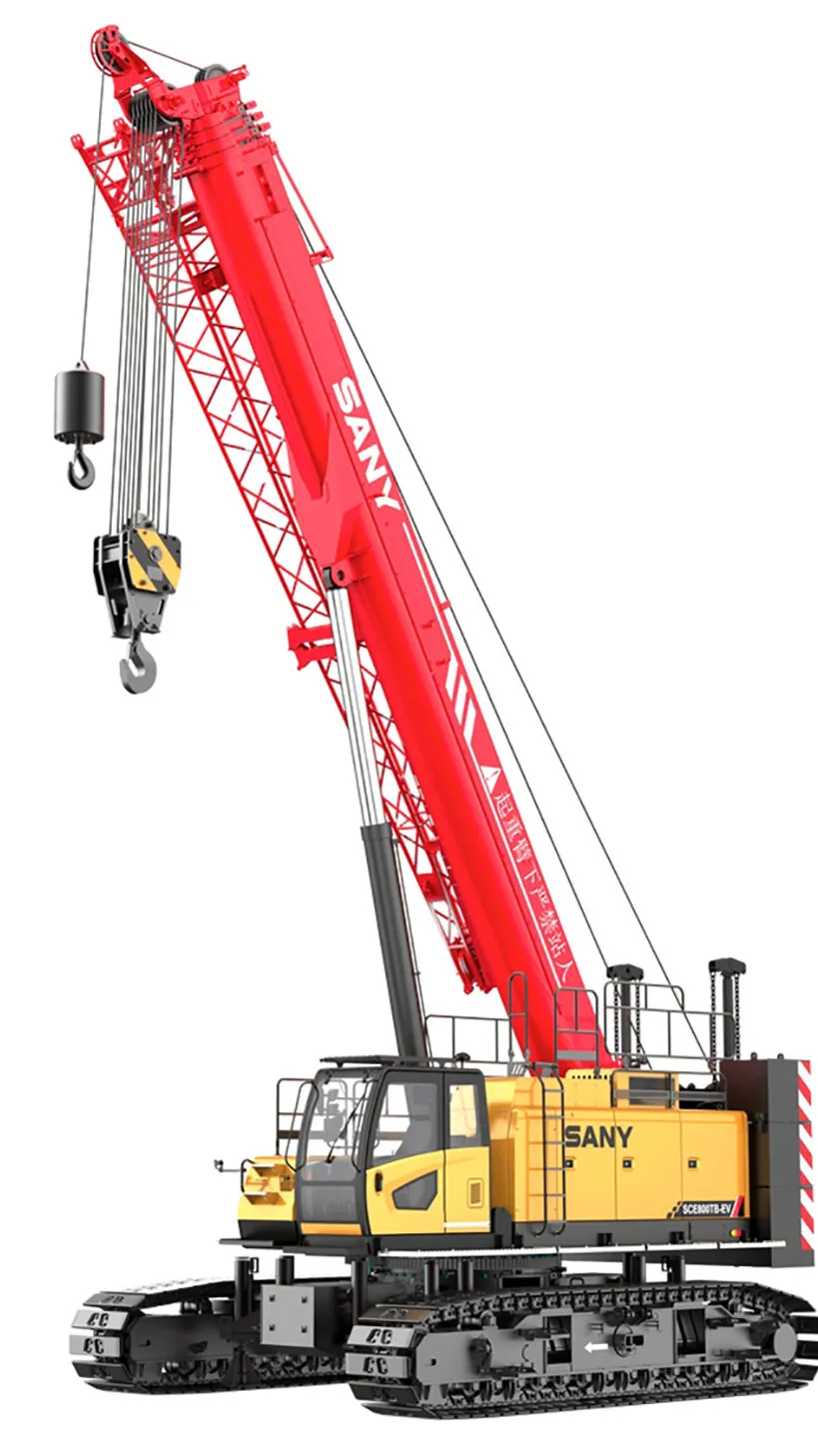
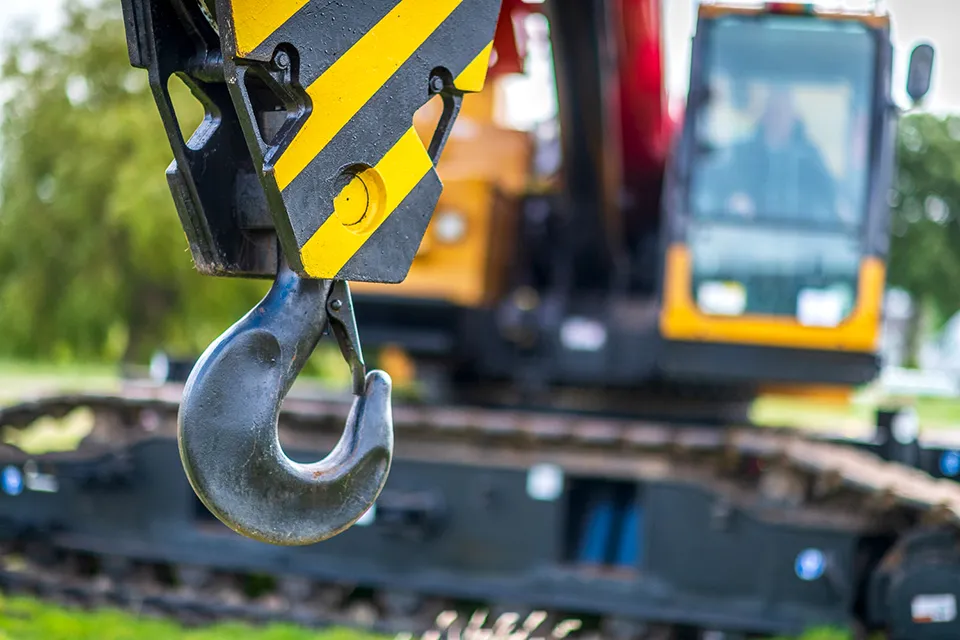
The first example of the 80-tonne battery-electric telescopic crawler crane, the Sany SCE800TB-EV, was on display at Bauma in Munich last autumn. Since then, they have been selling “like hot cakes”, says Roland Quarré of UCM Holland. And although the Chinese multinational Sany is already well advanced in electrification across several machinery markets, this innovation in the crane sector has Dutch roots.
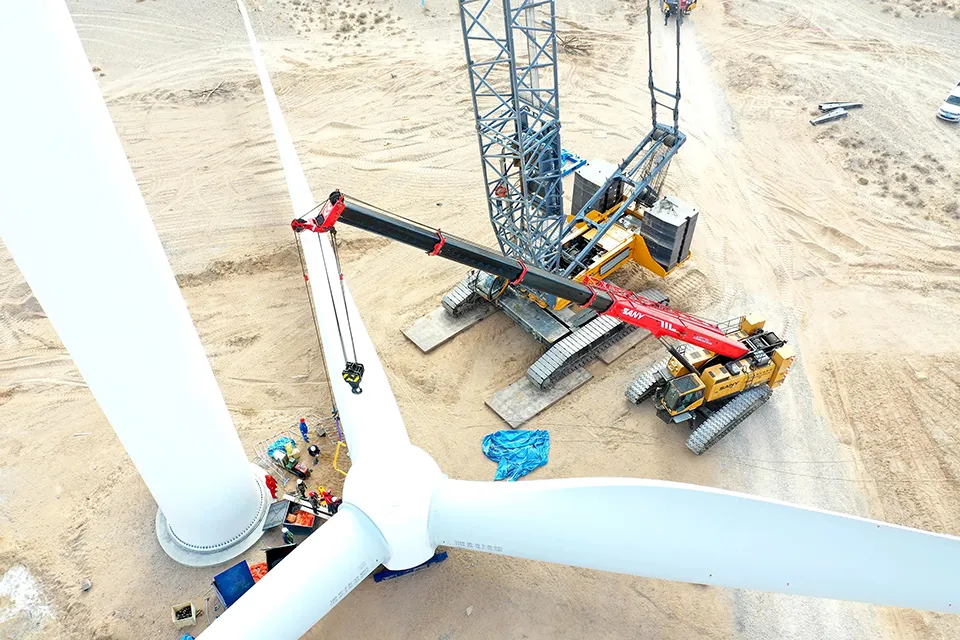
“The first request for a fully electric crane came from us as the importer,” says Quarré. “Sany then developed and built the machine in-house. For now, it is being made on its own European assembly line. Although it is a large company, we have direct contact and dedicated points of contact at Sany. Sany also has a European base in Germany. We started with Stage V machines and gradually upgraded them in many respects to meet our requirements for the Dutch market. Meanwhile, we saw growing demand for electric machines.”
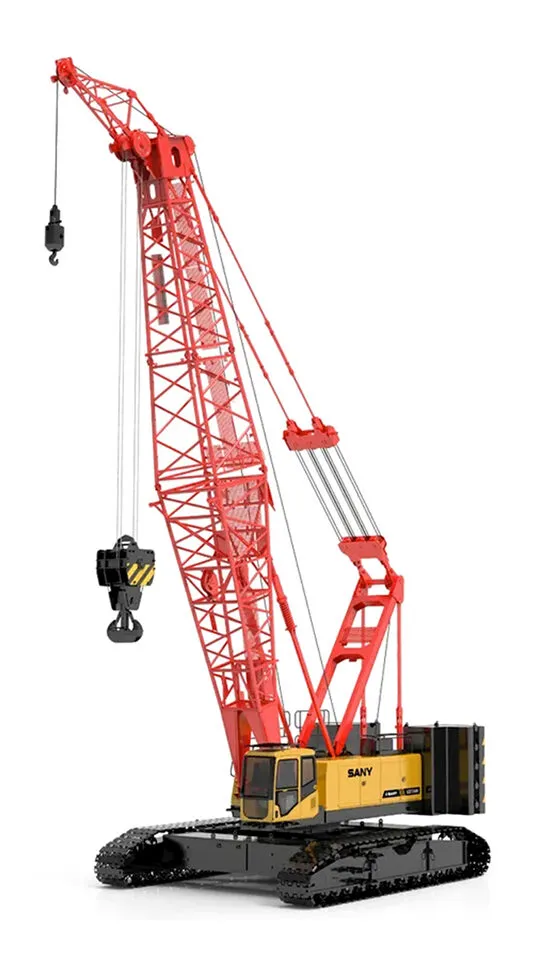
As the diesel-powered SCE800TB was UCM Holland’s best-selling crane, the decision was made to electrify that model first. Sany’s 100- and 135-tonne lattice-boom cranes (SCE1000A-EV and SCE1350A-EV) are now also available as fully electric models.
Factory-built
A notable feature of the fully electric SCE800TB-EV, as well as the SCE1000A-EV and SCE1350A-EV lattice-boom cranes, is that they are supplied factory-built. “We spent some time looking at whether we could convert the diesel cranes to electric, but we felt the conversion market in the Netherlands would not have the capacity to handle it,” says Quarré. “An electric drive also requires a different crane layout. There is not yet enough space for a converted model. Sany’s R&D department in China is also of an exceptionally high standard, so this was the best solution.”
Conversions are often more expensive too, as the dismantled diesel engines are left on the shelf. A factory-built electric machine also has the advantage of being supplied with full CE and EMC certification, and almost all the major battery manufacturers are based in China.
FOUR PACKS
Speaking of batteries, Sany’s cranes are fitted with leading CATL battery packs. They use lithium iron phosphate (LFP) technology. The Sany SCE800TB-EV has four permanently installed 600 V battery packs. The packs are housed in two enclosures and weigh just over 1,800 kg. They provide 456 Ah (282 kWh). Its slightly higher operating weight (92 tonnes) compared with the diesel version benefits its load chart.
The battery packs can be charged at very high rates, up to 120 kW. Each battery also has its own charging connection. With two heavy-duty external fast chargers, the batteries can theoretically be fully charged in two hours, provided the charging infrastructure is available. According to the manufacturer, a fully charged battery enables the machine to lift for a full eight-hour working day without recharging.
Five-section boom
The 80-tonne crane is equipped with a motor and inverter supplied by the Editron division of Danish company Danfoss Power Solutions, and a Danfoss Power Solutions D1P hydraulic pump.
The SCE800TB-EV has a five-section, 47-metre boom and a maximum load moment of 300 tonne-metres. It has a 7.2-metre swing-away jib, while fixed jib options are 10.2 metres and up to 17.5 metres. With the boom fully extended to 47 metres and 26 tonnes of ballast at the rear, the load chart shows a capacity of 11 tonnes at an 11-metre radius.
The cab features a single start/stop button, a 10.1-inch touchscreen display, electric control pedals, an electro-proportional joystick, air conditioning, Bluetooth and USB charging ports. Two cameras and lights mounted at the rear of the rotating bed show the conditions behind the crane and the winches on the monitor.
The maximum transport width for components is 3 metres, and the crane has load charts for operation with a smaller counterweight. The maximum rear counterweight is 26 tonnes, and two 3-tonne blocks are fitted as central ballast. The 80-tonne telescopic crane has a hydraulically retractable crawler undercarriage and cast-steel track shoes that are 850 mm wide.
Question about this story? Ask your question
Keep following this
Get an email when a new story is published. No account needed.
- ThemeLower emissions and more reuse
- SubjectBouwMat







