









A very complex puzzle, so there is no single solution
Infrastructure contractors are pioneering the use of zero-emission equipment
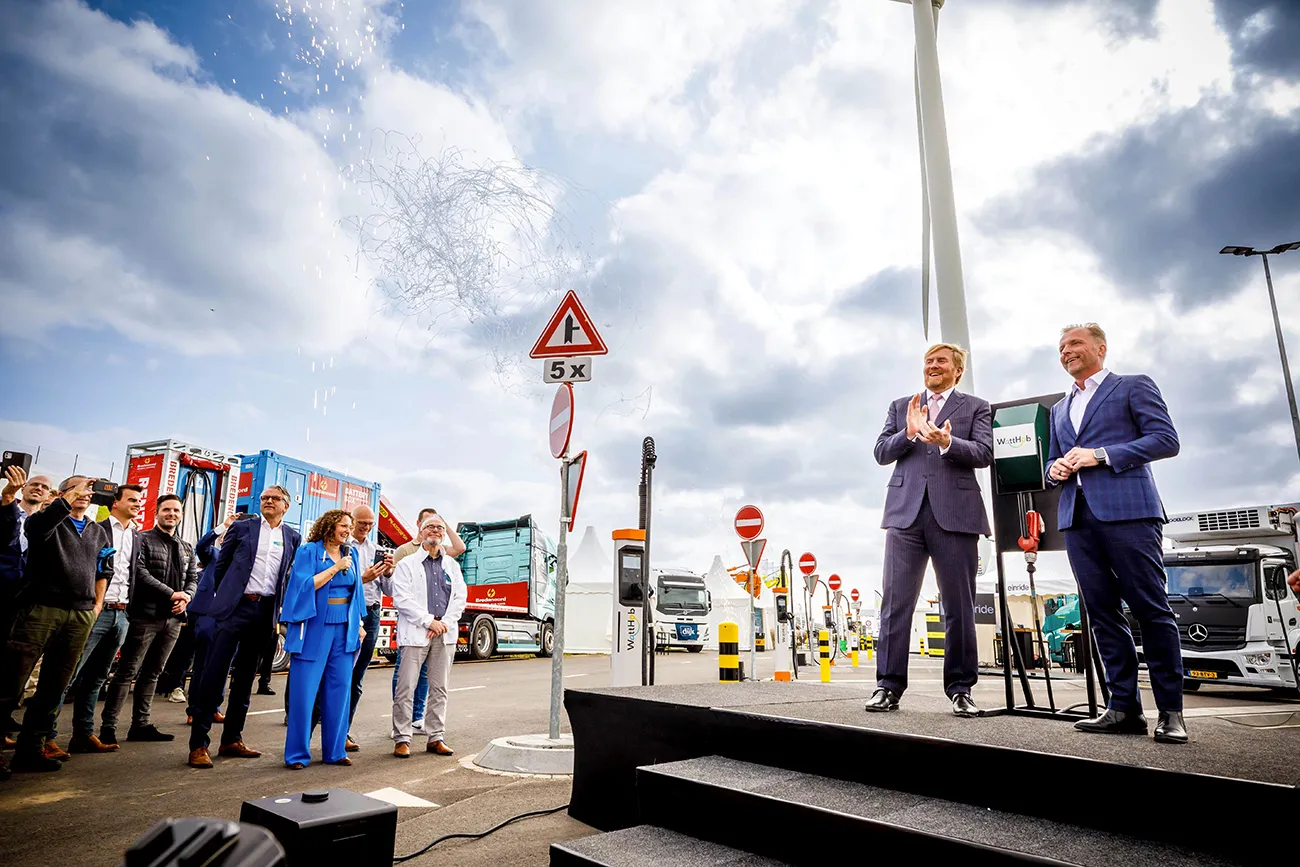
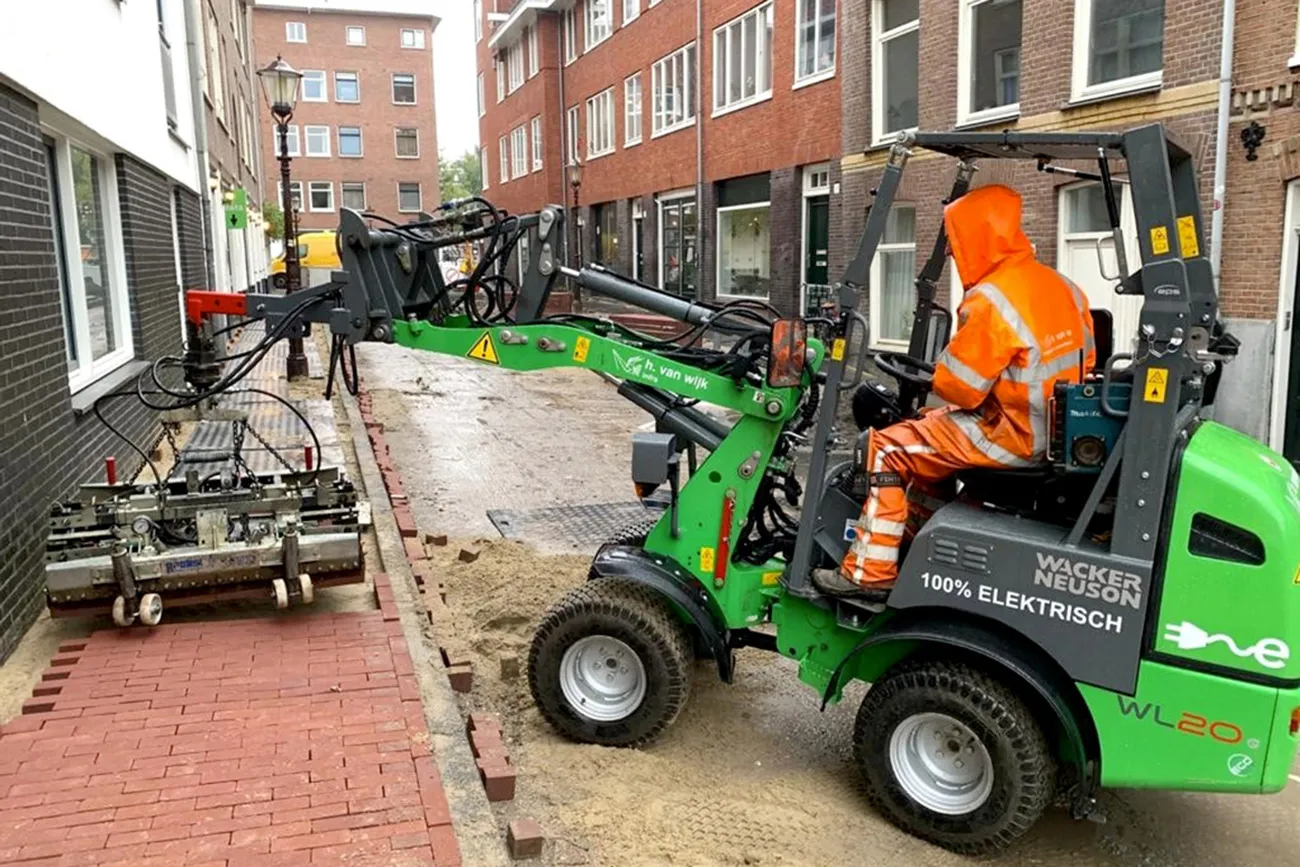
ENI (Emissieloos Netwerk Infra) is working within a unique ecosystem of frontrunners to develop the zero-emission construction site.
Half of its 42 members are contractors; the rest are suppliers, plant hire companies, energy companies and educational institutions. The need to start working with zero emissions quickly is urgent. By bringing clients and contractors in the construction industry together, ENI aims to accelerate the transition. The target is 2026, not 2030, with a focus on zero-emission equipment from 20 ton/125 kW upwards.
The infrastructure sector and its clients need each other, and should want to work together on the energy transition in construction. That is the firm belief. The challenge is considerable, but a growing group of clients and contractors have already gained their first experience. The market is dominated by public-sector clients such as provinces, municipalities, water authorities, Rijkswaterstaat, Staatsbosbeheer and ProRail. At the end of September, ENI hosted a live webinar to brief the international construction community, from a Dutch perspective, on the latest developments in OEM zero-emission machines. Presenter Tobias Stöcker, Sustainability Manager at GMB, welcomed several interesting guests to the studio.
Erik Wagner, director of the Flood Protection Programme (HWBP), calculated that the infrastructure sector receives between 10 and 12 billion euros a year from the government through contracts. To protect the Netherlands against flooding, around 40 billion euros will be invested by 2040 to reinforce 1,500 km of dikes and more than 400 locks or pumping stations. “This is the biggest investment since the Delta Works in the 1960s and 1970s,” says Wagner. Arjan Walinga of Bouwend Nederland adds: “The Netherlands has the strictest rules in Europe on NOx emissions. Even 0.6% nitrogen emissions is too high, and the aim is 0%. That is virtually impossible to achieve without zero-emission machines. At present, 1% of all the equipment in the Netherlands, roughly 300,000 to 400,000 machines, is zero-emission. Given that the Netherlands is a relatively small player in Europe, which in turn accounts for 16% of the global construction machinery market, there is still a long way to go.”
Pooling knowledge
According to Walinga, there are many reasons to move towards zero-emission construction sites, but the big question is: how do we get there? The SSEB roadmap provides a useful guide, and 1 billion euros in subsidy funding is available up to 2030. “We need to pool all the knowledge gained from pilot projects and use it to develop manufacturers’ products. This applies not only to zero-emission equipment, but also to battery solutions and charging infrastructure. As Bouwend Nederland, we would rather see subsidies invested in knowledge than in projects. Ultimately, the whole sector benefits from that.” ENI believes SSEB funding should be invested in the machines that deliver the greatest emissions reductions for every euro invested.
At the initiative of Bouwend Nederland and ENI, they are also looking at how to scale up further. Can OEMs keep pace with growing market demand? “To be honest, we doubt it,” says a sceptical Walinga. “Manufacturers will have to make a more active effort, especially when it comes to larger machines from around 20 tonnes upwards.” Safety remains a key concern. “Is it safe to swap batteries on site? And who is ultimately responsible for non-OEM products? Maintenance of electrically powered machines is also still in its infancy. That is why Bouwend Nederland maintains close links with manufacturers.”
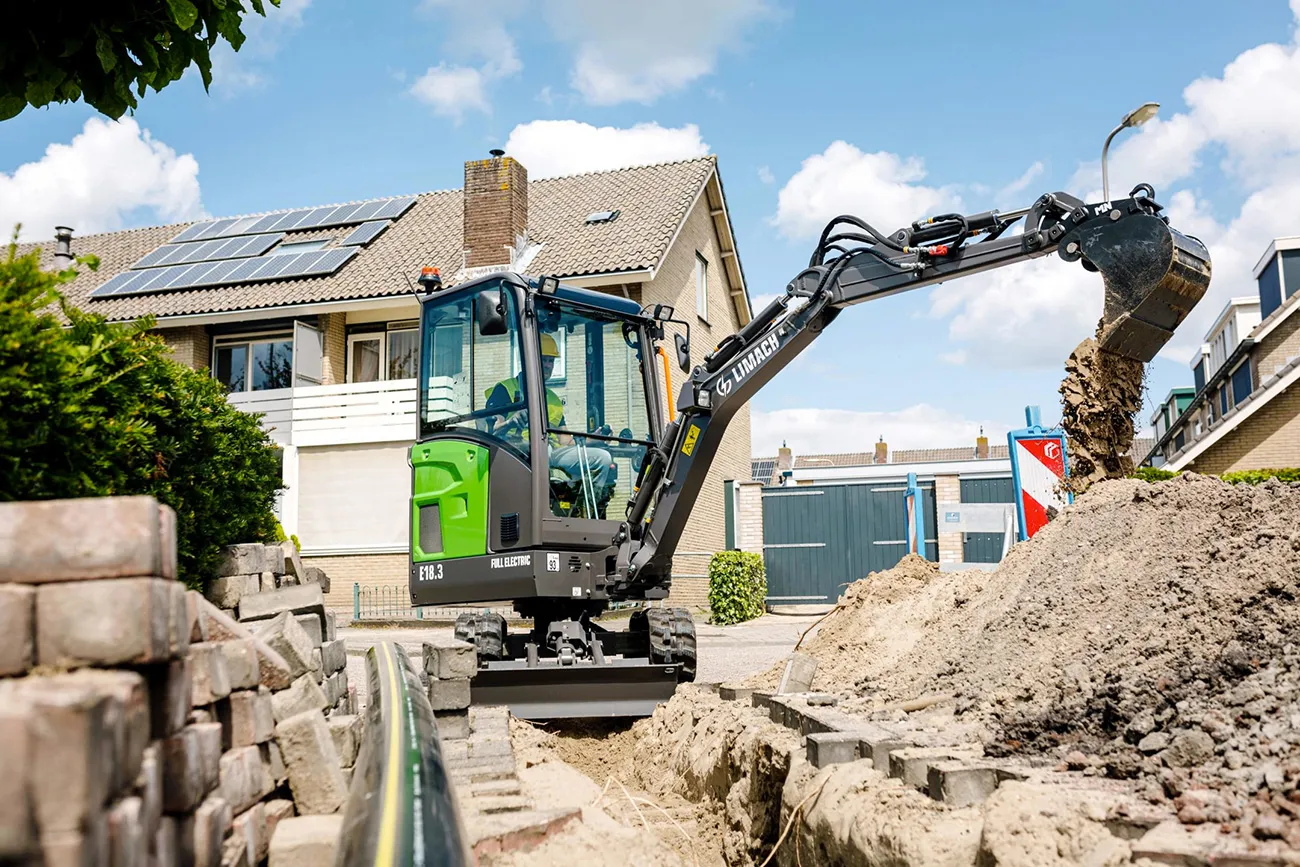
A complex puzzle
Wagner (HWBP) picks up on this: “The focus is still on battery-electric machines, but hydrogen solutions are becoming increasingly available. Their development is taking longer, but they are promising.” Walinga describes it as a complex puzzle. “There is never one single solution. It could be a combination of technologies. What’s more, we are reasoning from the knowledge we have now. A completely new solution could well emerge in the near future.” According to Wagner, the experimentation stage is now over. “Whether you like it or not, whether you believe in it or not, everyone has to be part of this development. Our shared goal is to make zero-emission construction a reality.”
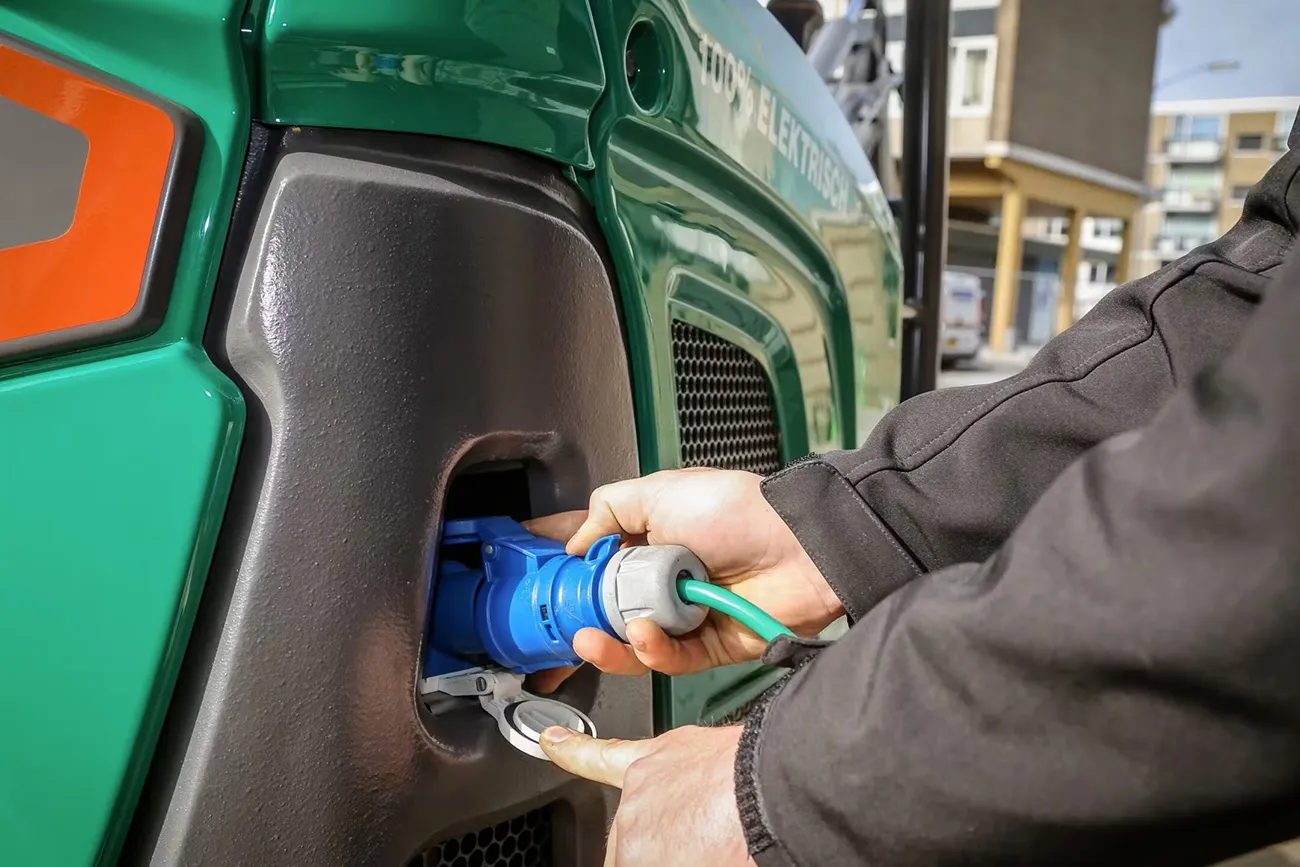
Gerard van der Veer, representing GMB, and Dick van de Laar of VolkerWessels then join Baerte de Brey (ElaadNL) at the table to explain how it all works in practice. “The usual assumption is that 1 litre of diesel per hour is equivalent to 4 kW of electricity,” says Van der Veer. “Experience shows that an electric machine is more efficient, so a 30-tonne crawler excavator that would normally use 20 l/hour can now run on 55 kW of electricity. With a 300 kWh battery pack, the machine can therefore operate continuously for 5 to 5.5 hours.”
Greater consistency
Van de Laar: “In the past, you just turned the key and got to work. Now, as a site manager, you have to check at an early stage what power connection is available on site and how best to charge zero-emission machines.” Which cable should you use: AC or DC (fast charging)? What about safety? Can you use Smart Charging Solutions and open-source data? Van der Veer: “The solutions are there, but we work all over the Netherlands and have to find out how things work on each site.” Van de Laar agrees: “Greater consistency from clients would certainly be desirable.” De Brey responds: “Give us time. ElaadNL is investing heavily in public charging networks, but the ‘problem’ in construction is that charging infrastructure has to be installed on projects where there is none at all. That is why it is important to assess the situation as soon as the contract is awarded and involve us at an early stage. Engineering takes time, but we will get there in the end.”
A business enquiry for GMB? Get in touch
Companies in this story
Keep following this
Get an email when a new story is published. No account needed.
- ThemeConstruction equipment and transport in motion
- SubjectBouwMat
- CompanyGMB







